
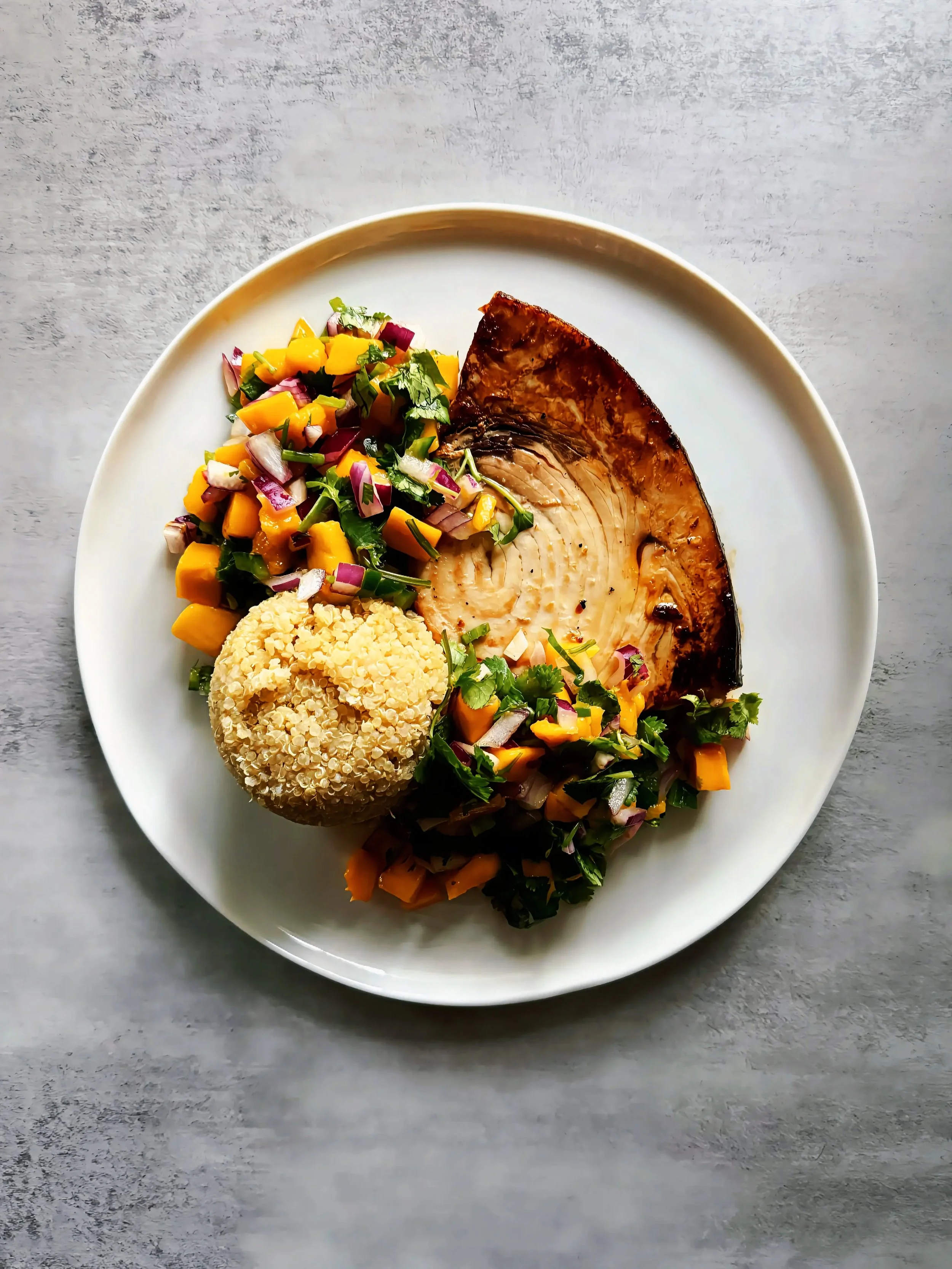
These pan seared swordfish steaks are marinated in a fragrant blend of fresh citronella leaves, lemon, garlic, and spices, then cooked until beautifully golden. Served alongside fluffy quinoa and a generous helping of fresh mango salsa with cilantro, jalapenos, red onion, and lime, this dish brings together savory, sweet, and citrusy flavors for a colorful and refreshing meal.
Victorian kitchen herb turned mosquito repellent
Scented geraniums became popular in Victorian gardens for their unusual fragrances ranging from rose and lemon to peppermint and nutmeg. Certain varieties also found their way into Victorian kitchens where their aromatic leaves were used to flavor cakes, custards, jellies, and preserves. Cooks sometimes even lined cake pans with the leaves to infuse desserts with their fragrance. Today citronella scented geraniums are better known as mosquito plants although they’re not related to true citronella grass. Their leaves contain aromatic oils that release a strong citrusy scent when crushed giving them a reputation repelling insects. Research indicates that simply growing these plants nearby does little to prevent mosquito bites. So now a plant once appreciated for flavoring desserts is now widely marketed as a natural mosquito repellent despite limited evidence that it actually works.
Let’s talk about swordfishes
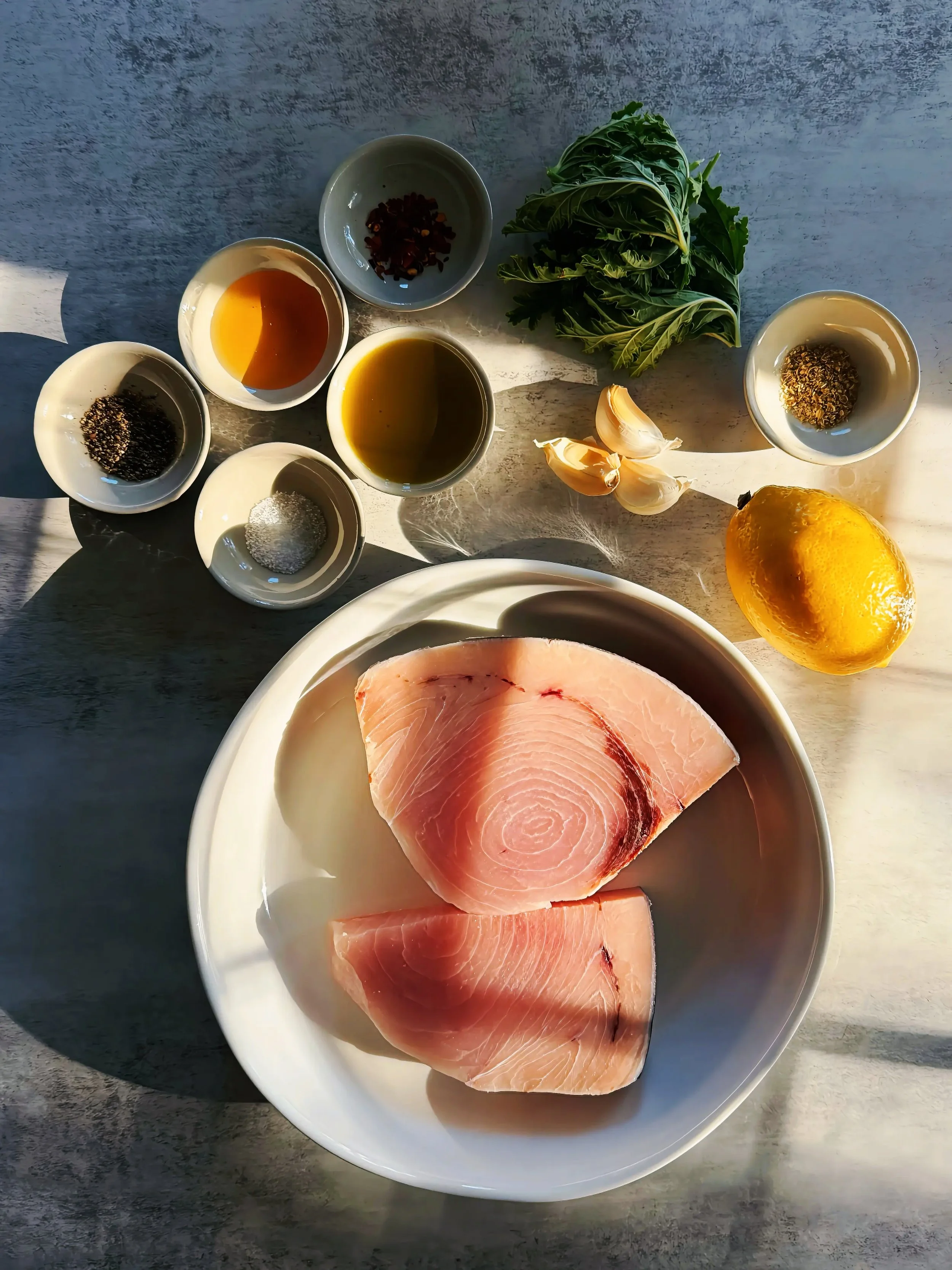
Swordfishes have one of the most unusual adaptations in the ocean: a specialized heating system that warms their eyes and brain. Unlike most fish which rely on surrounding water to regulate their body temperature swordfish can keep these organs significantly warmer than the cold waters they hunt in. This helps their eyes function more efficiently when pursuing prey in the deep ocean. Their famous sword shaped bills are equally fascinating: rather than using them to stab their prey like a spear (though they do that occasionally as well), swordfish primarily swing their bills from side to side slashing and stunning fish and squid before eating them. Their bills are extensions of their upper jaws and scientists have even discovered oil producing glands near their base that help reduce friction as they swim. Between their heated eyes, built in lubrication system, and natural weaponry swordfishes are remarkably specialized ocean predators.
Let’s talk about quinoa
Quinoa might look and cook like a grain but botanically it isn’t one. It’s actually a pseudocereal meaning its seeds are eaten like grains even though the plant belongs to a different botanical family than wheat, rice, or oats. Quinoa is more closely related to spinach and beets (all belonging to the amaranth family). It also has its own natural defense system: a coating of bitter compounds called saponins that help protect the seeds against certain pests and other threats. These compounds can create a soapy foam when mixed with water which is why quinoa is traditionally washed before cooking. Saponins have also been used as a natural cleaning agents because of their ability to produce foam.
Mangoes in Hindu mythology
In Hindu mythology mango blossoms were associated with Kamadeva (the god of love and desire) who carried a sugarcane bow with a string formed by a line of bees and arrows tipped with flowers. Mango blossoms were traditionally counted among five flowers (along with ashoka blossoms, white lotus, blue lotus, and jasmine) used for his arrows. In one famous story the gods enlisted Kamadeva to awaken Shivas love for Parvati hoping their union would produce a son powerful enough to defeat demon Taraka. Kamadeva waited until Shiva was deep in meditation before shooting his arrow. Shiva opened his third eye and reduced him to ashes. Kamadeva was eventually restored in some versions of the myth though without a physical body, earning him the name Ananga (meaning bodiless). Mango blossoms continue to symbolize love, fertility, and the arrival of spring in classical South Asian literature.
How to make swordfish steaks with mango salsa
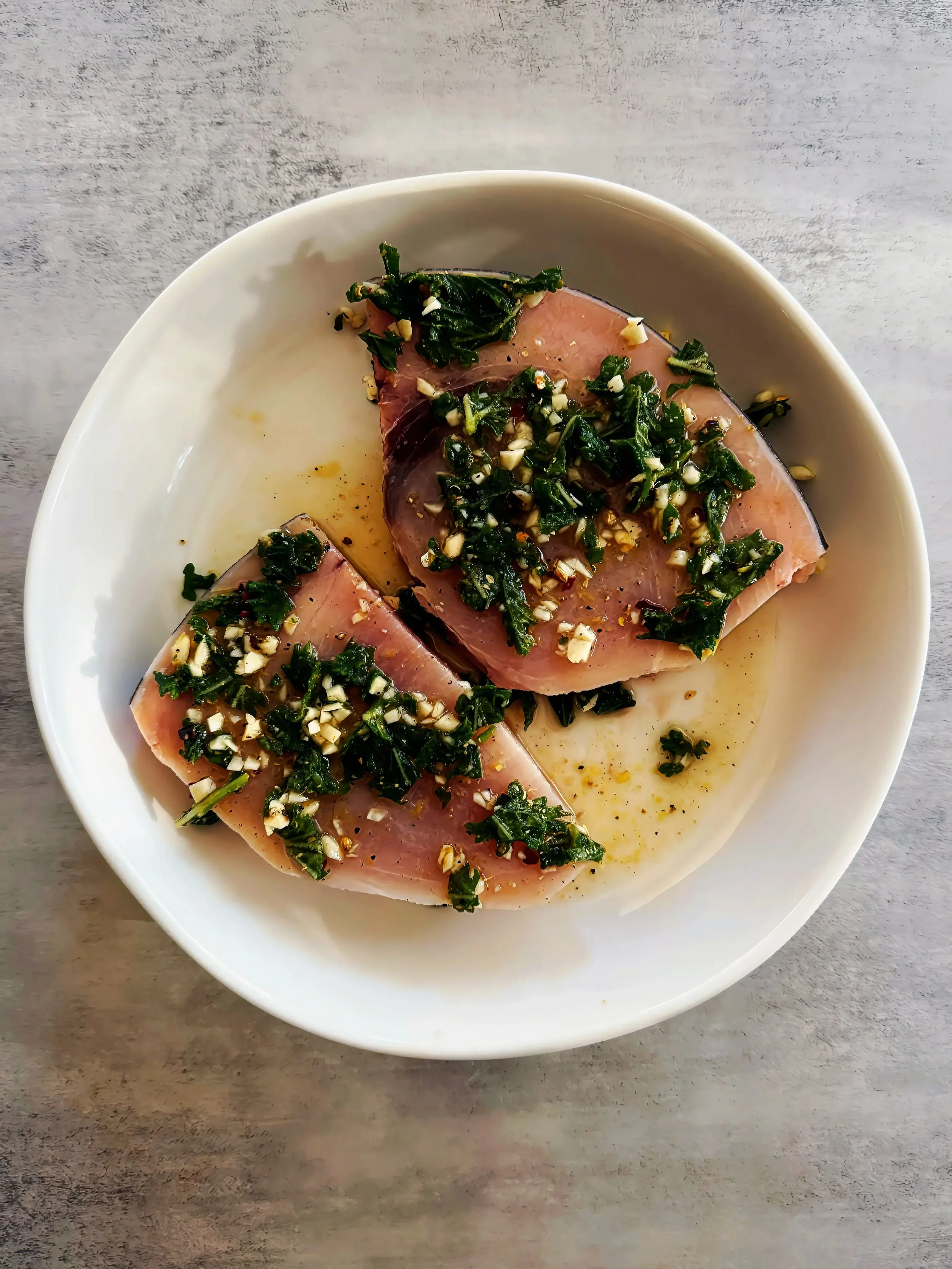
In a small bowl muddle together sliced citronella leaves, 3 tbsp extra virgin olive oil, honey, zest and juice of 1 lemon, minced garlic, 1/2 tsp salt, 1/2 tsp pepper, 1/2 tsp ground coriander, and 1/4 tsp red pepper flakes. Pat dry the swordfish steaks and coat them with the marinade. Refrigerate for 1-2 hours.
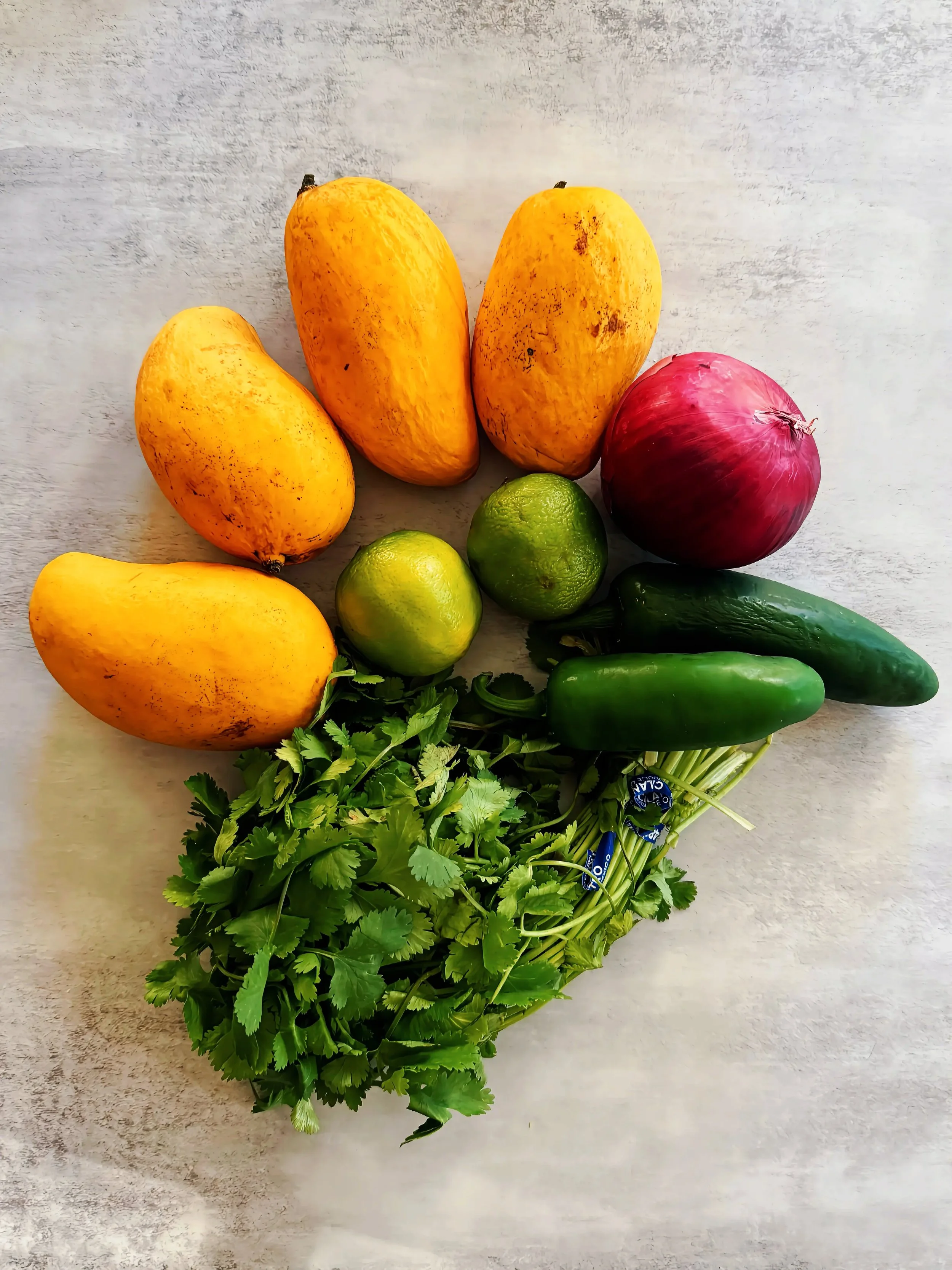
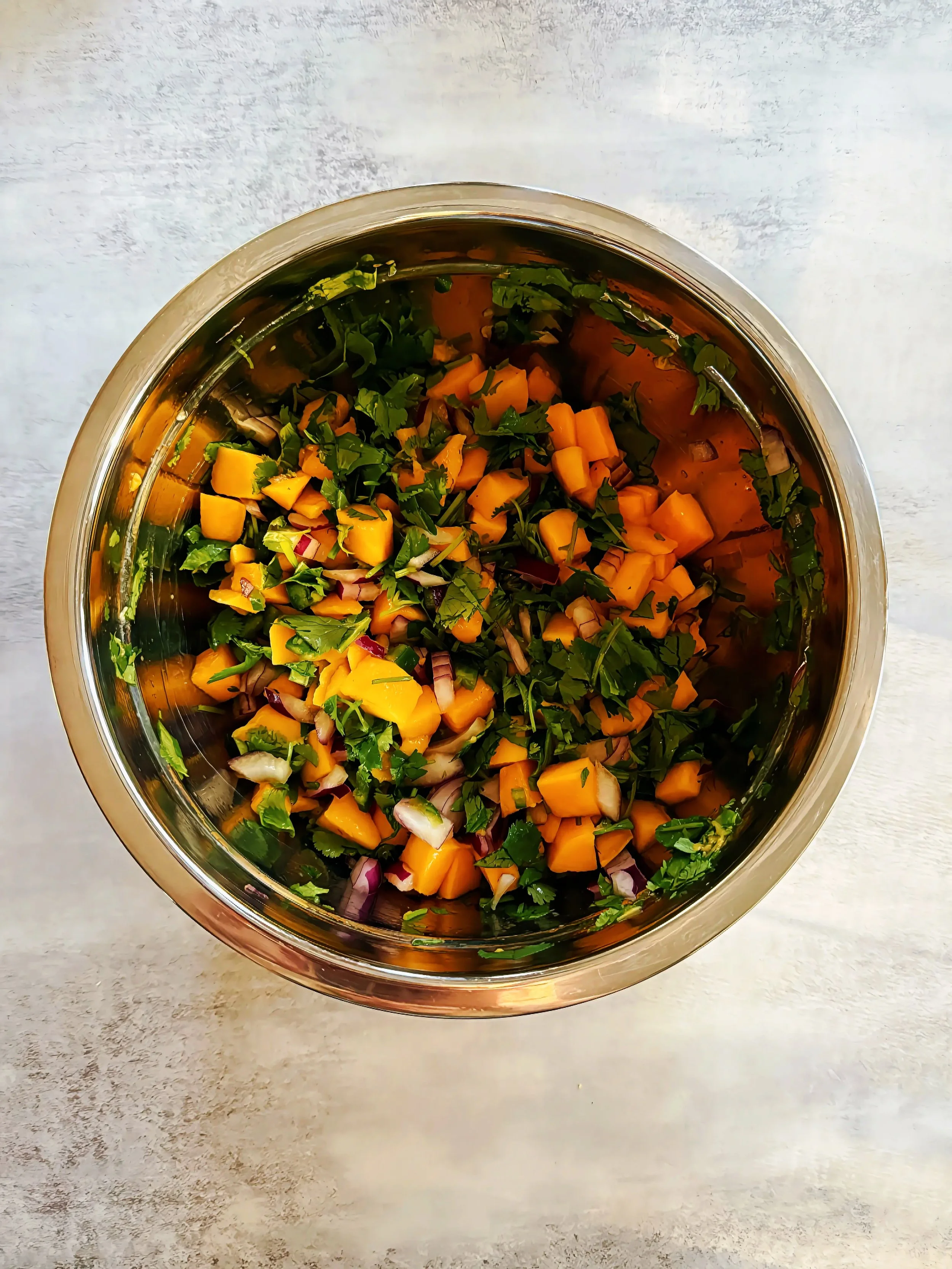
Meanwhile prepare the mango salsa. In medium bowl toss together the diced mangoes, cilantro, diced jalapenos, red onion, lime juice, and a pinch of salt. Set aside.
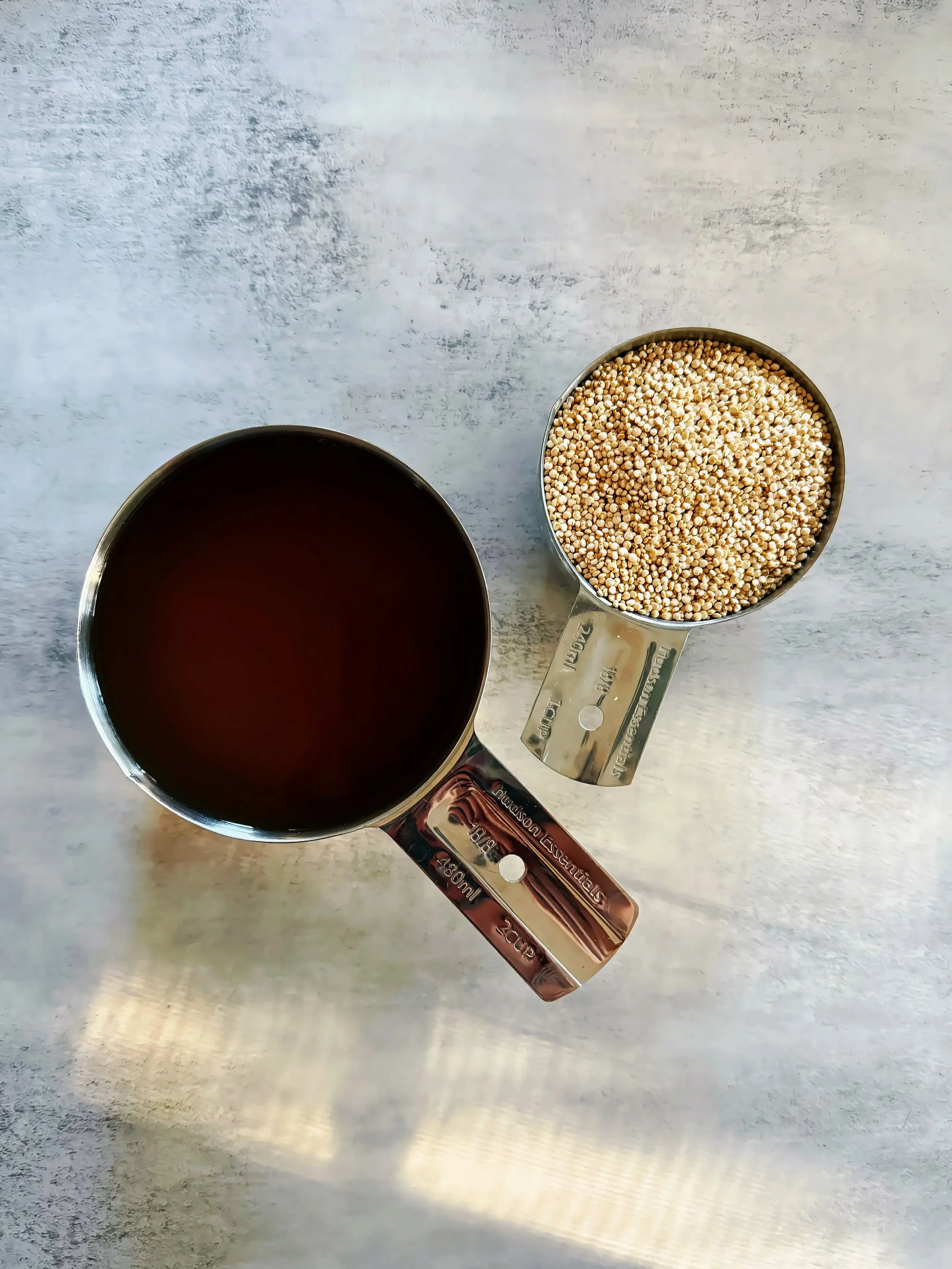
Cook the quinoa. In a small pot bring 2 cups of vegetable broth to a boil with 1 cup of quinoa and a pinch of salt. Reduce the heat to low, cover, and simmer for about 15 minutes or until the liquid is absorbed.
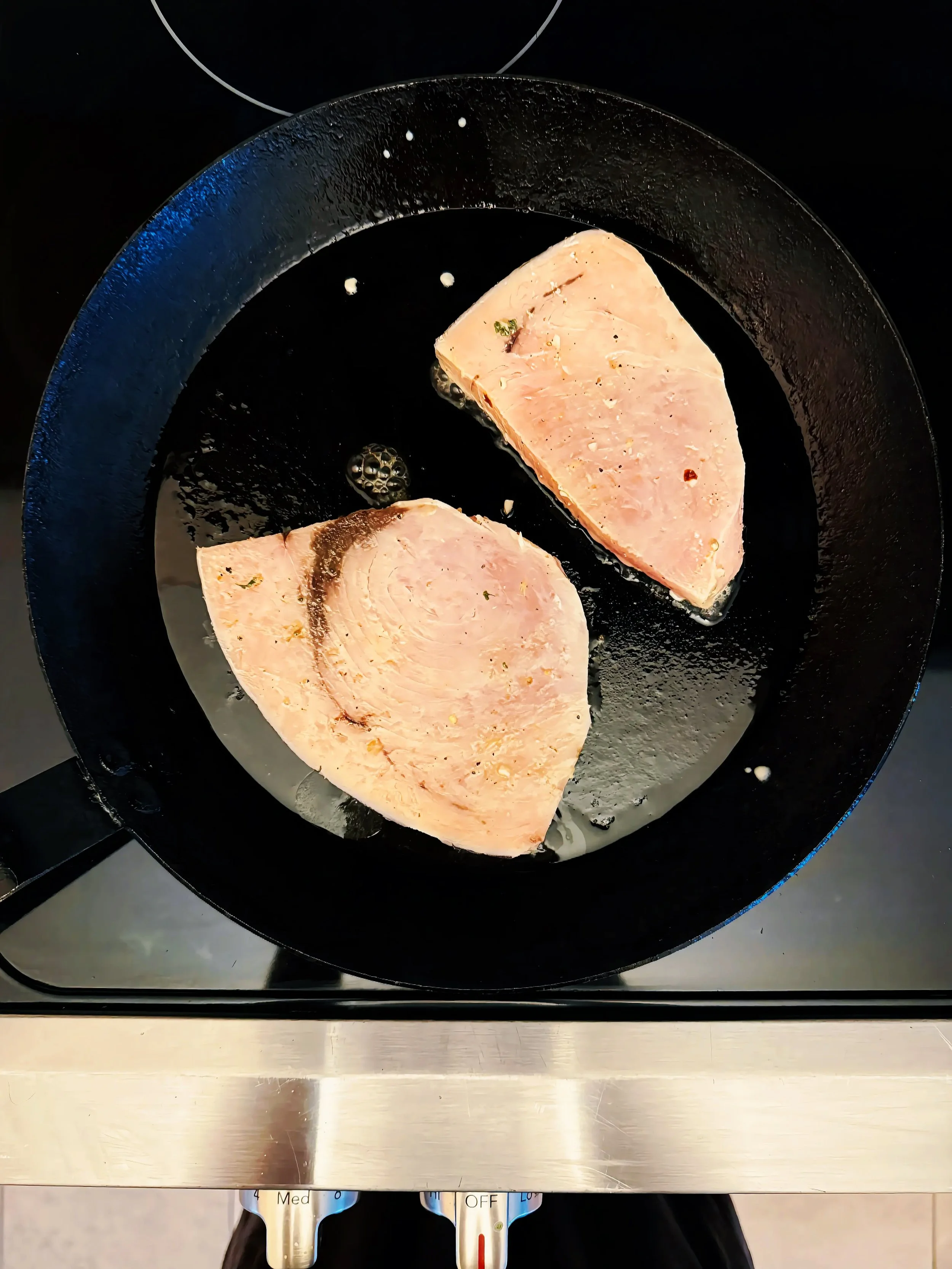
Heat a cast iron skillet over medium high heat. Brush off excess garlic and leaves off the steaks and sear each side for about 4-5 minutes depending on thickness until golden and the internal temperature reaches 145f.
Plate the steaks, quinoa, and mango salsa. Serve immediately.
Tips
Choose thick swordfish steaks.
Use culinary safe scented geranium leaves.
Remove excess marinade before searing to avoid burnt bits. Lightly patting the steaks also helps develop a golden crust.
Let each steak sear undisturbed to develop a crust before flipping.
Rinse the quinoa to remove residual saponins (naturally occurring compounds that can give quinoa a bitter taste).
Let the quinoa rest for 5 minutes covered then fluff before serving.