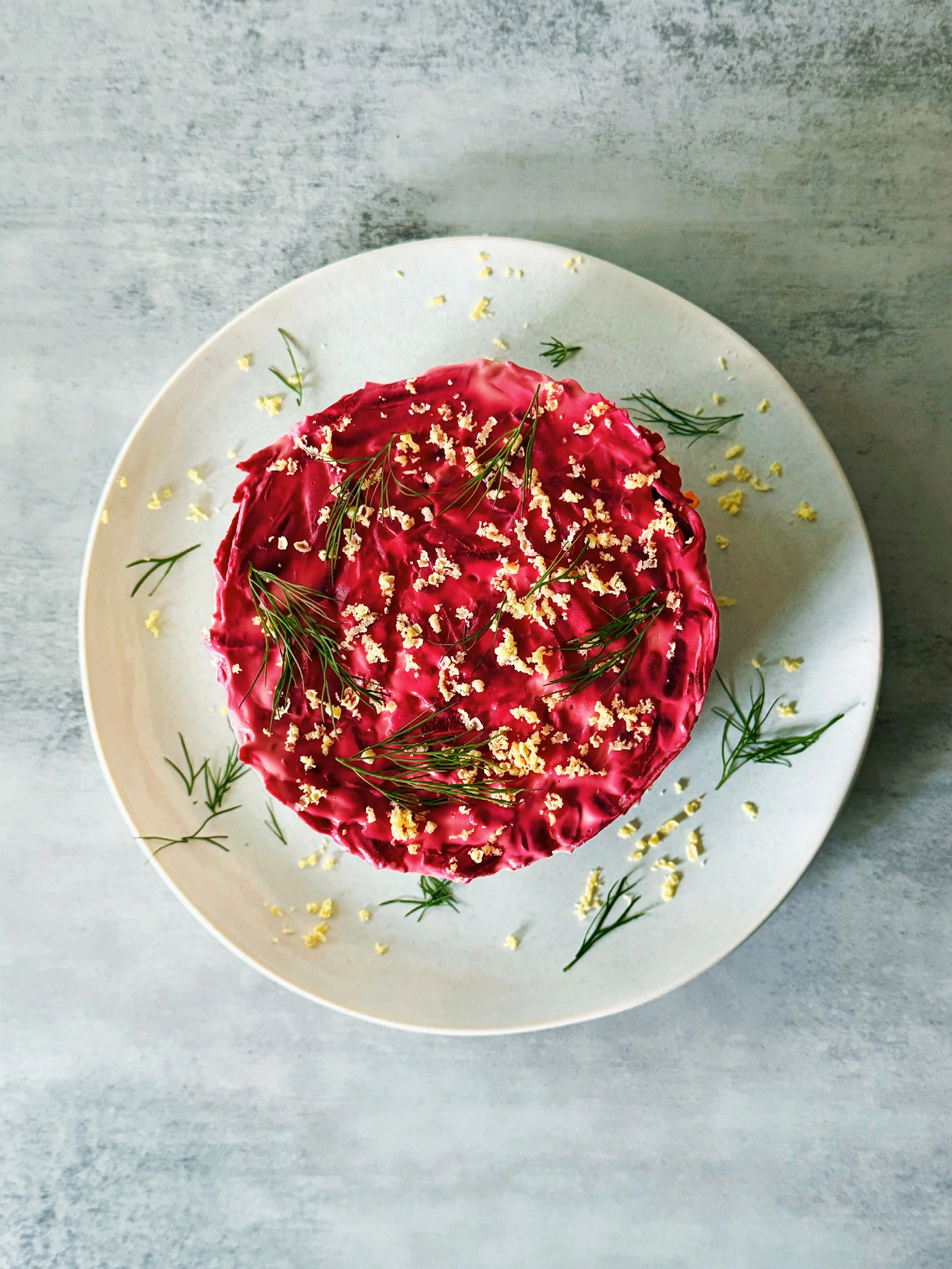
shuba
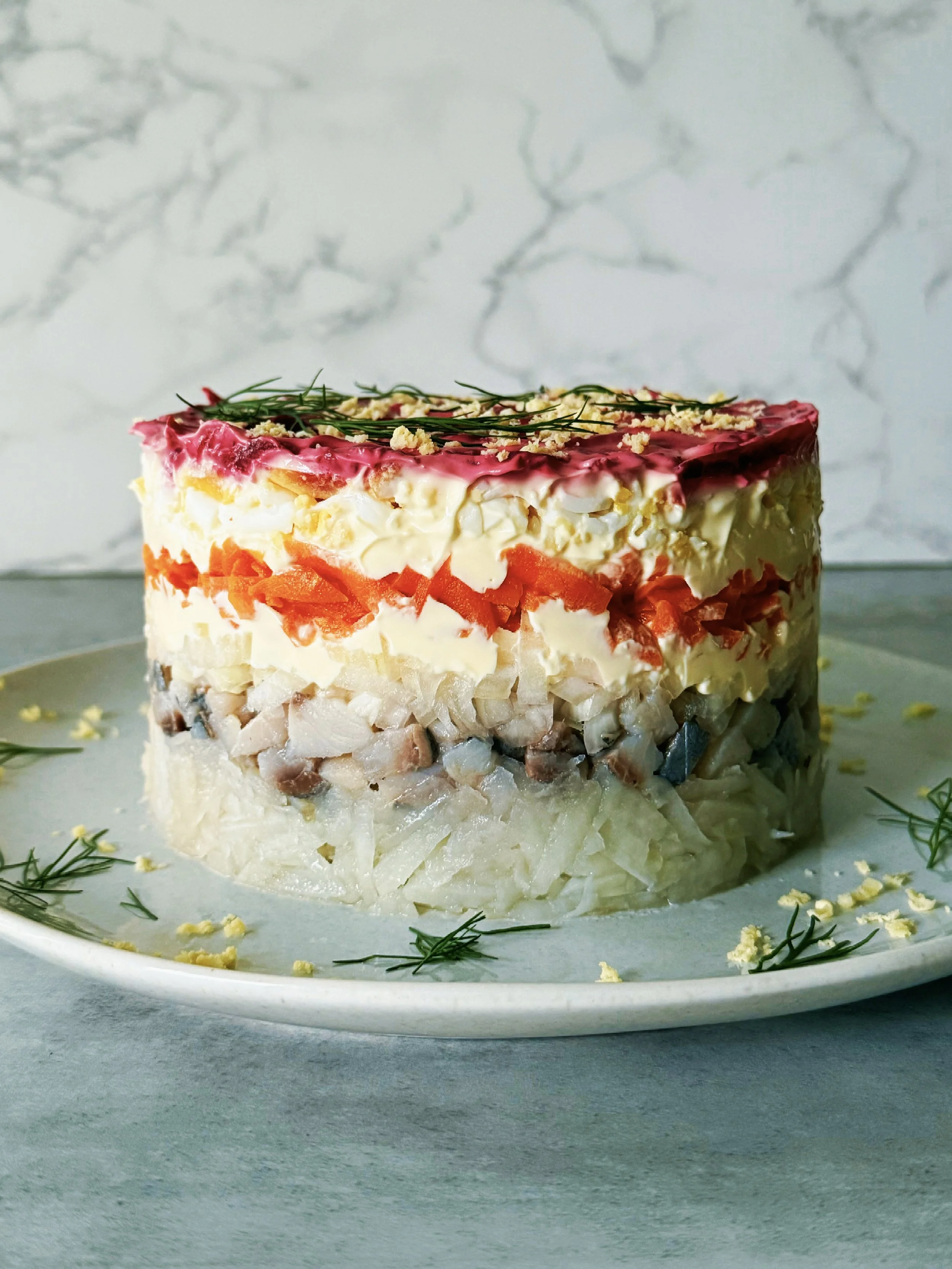
Shuba (also known as herring under a fur coat) is a classic layered salad made with salty herring, tender potatoes, carrots, beets, eggs, and mayonnaise. The bright beet layer gives it its signature color while the combination of savory fish, mayonnaise, and slightly sweet vegetables makes it surprisingly balanced.
The history of shuba
Shuba or “herring under a fur coat” became especially popular across the Soviet Union during the 20th century although layered herring and beet salads have roots in earlier Northern and Eastern European cooking. Its familiar Soviet era version layers salted herring with potatoes, carrots, onions, beets, eggs, and mayonnaise, all inexpensive ingredients that were relatively accessible at the time. By the later Soviet period shuba had become closely associated with celebrations, particularly New Years eve, and it remains a nostalgic holiday staple throughout many former Soviet countries today.
Where does the name come from?
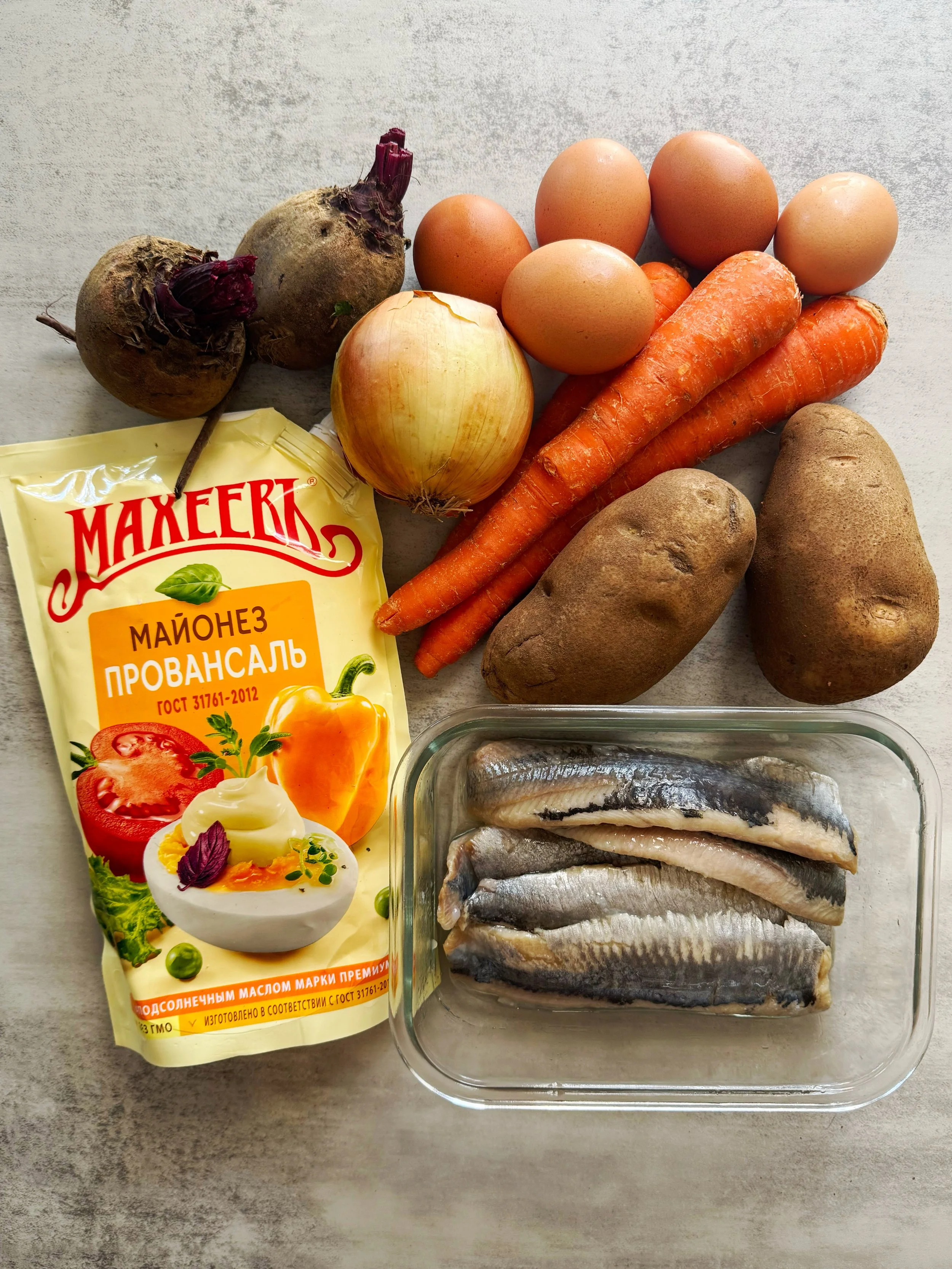
The name shuba comes from the Russian word шуба meaning “fur coat”. The full name seledka pod shuboy literally translates to “herring under a fur coat” referring to the herring buried beneath thick layers of potatoes, carrots, beets, eggs, and mayonnaise. Despite popular story claiming SHUBA is a Soviet era political acronym there’s no solid historical evidence for it. The name is generally understood as a playful description of the fish being tucked beneath its colorful vegetable “coat”.
Why shuba became a New Years Eve staple across the Soviet Union?
Shuba became a New Years Eve staple across the Soviet Union largely because it was festive while relying on relatively familiar and affordable ingredients. Salted herring and root vegetables stored well through the winter while mayonnaise helped turn them into something richer and more celebratory. New Years Eve also became the Soviet Unions major secular winter holiday complete with large tables of special foods. By the later Soviet decades shuba had joined dishes like Olivier salad, mandarins, and sparkling wine as foods strongly associated with the New Year.
How shuba differs across Russia, Ukraine, Belarus, the Baltics, and other former Soviet republics
Because shuba spread across the Soviet Union there was never just one universally followed recipe. Russian versions commonly use herring, onion, potatoes, carrots, beets, eggs, and mayonnaise, but families often change the order or leave out certain ingredients. In Ukraine and Belarus similar versions are common sometimes with additions such as apple for sweetness. In the Baltic states where herring already had strong place in local food traditions, related beet and herring salads existed alongside shuba and could be less heavily layered or dressed differently. Across the former Soviet republics the biggest differences are often family traditions rather than strict national recipes; which ingredients are included, how finely they are grated, and exactly where the mayonnaise goes.
How to make shuba?
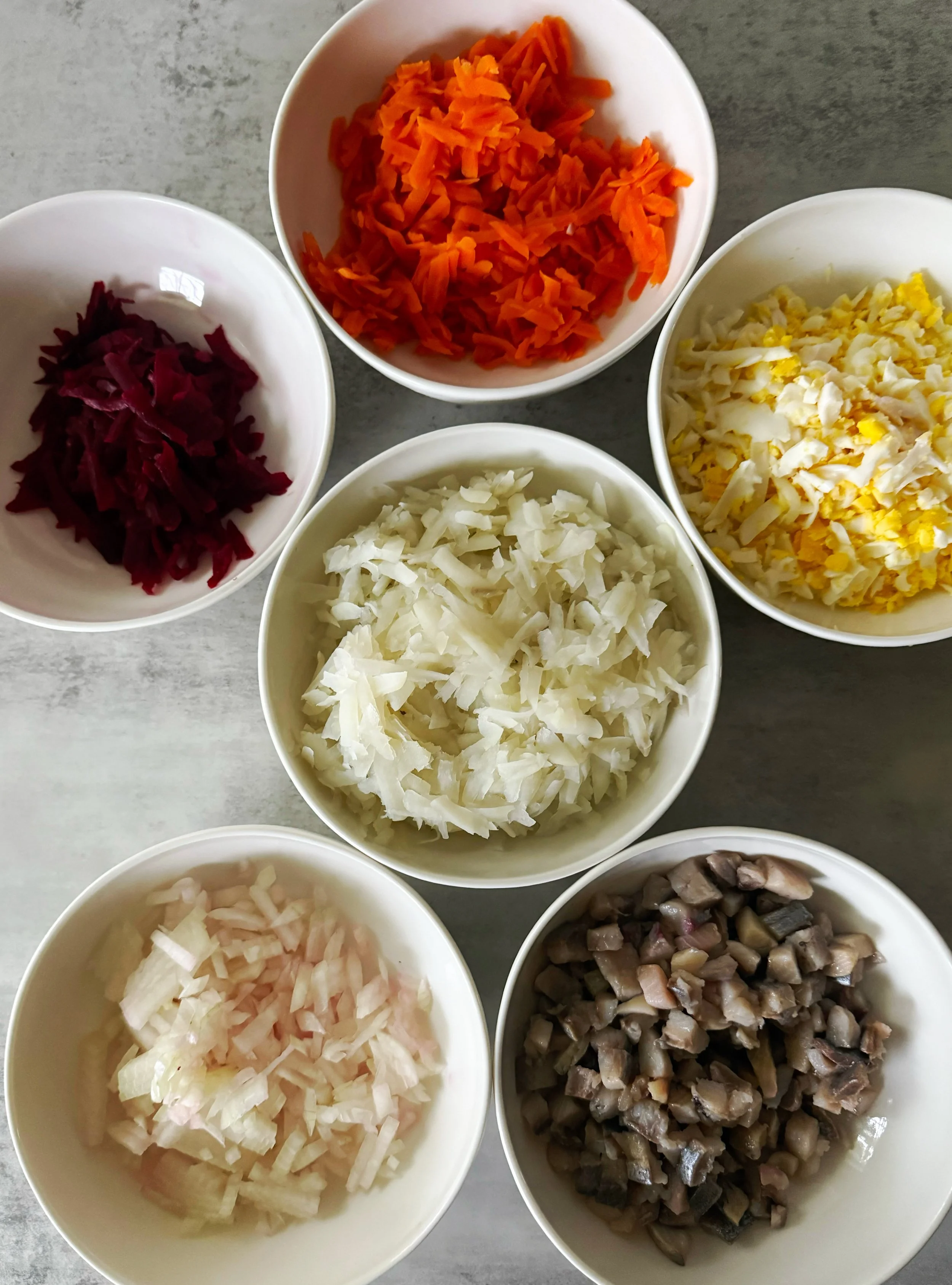
In a medium pot, bring salted water to boil. Fill a separate large bowl with ice water. Add the grated potatoes and boil for 4-5 minutes until cooked. Strain and place them in the ice water.
Again bring salted water to boil in the medium pot and fill a separate large bowl with ice water. Add the grated carrots and boil for 3-4 minutes until cooked. Strain and place them in the ice water.
Bring salted water to boil one more time in the medium pot. Add the whole peeled beets and boil for 30-45 minutes, or until easily pierced with a knife. Once done, strain and set the beets aside to cool.
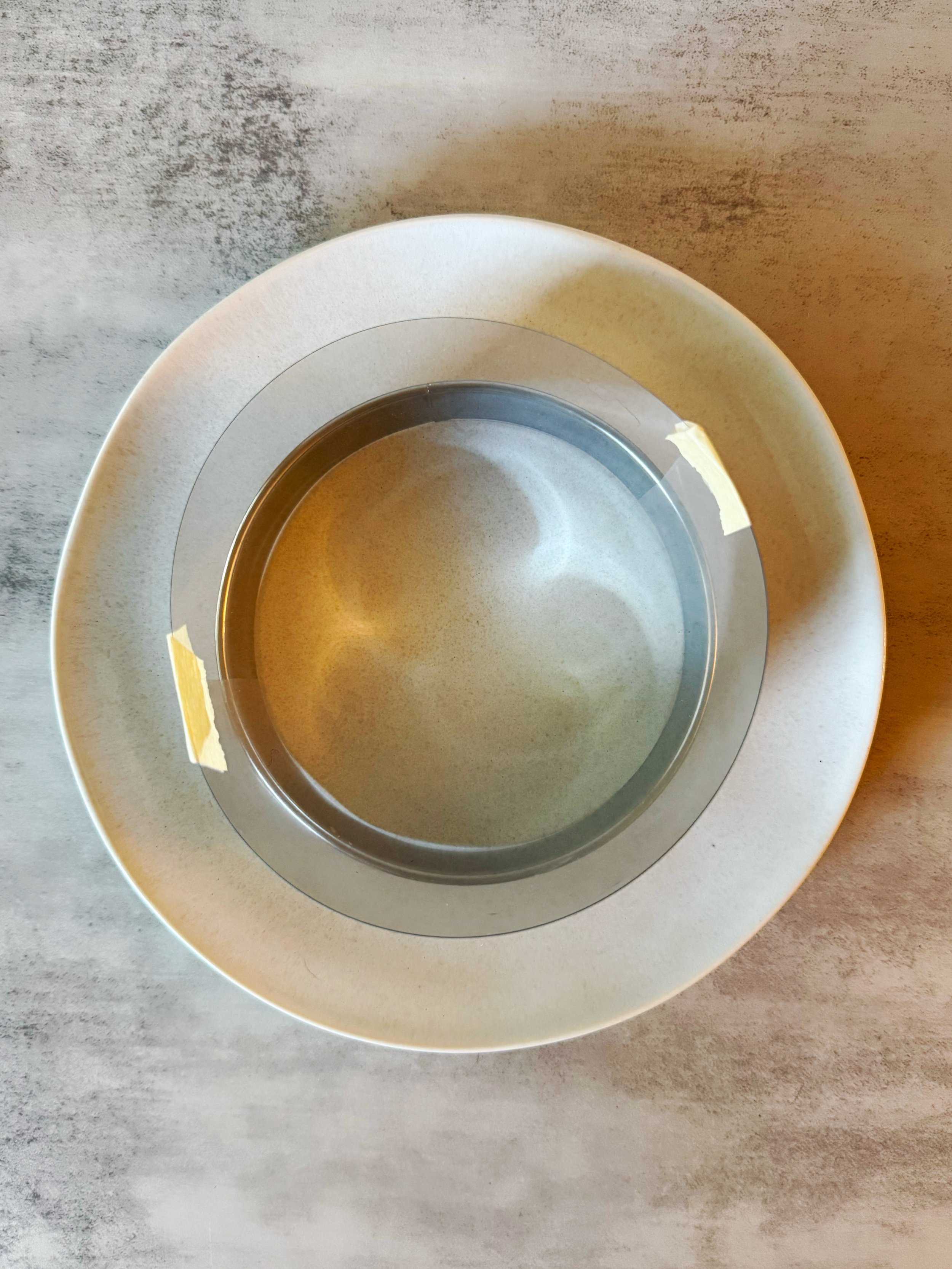
Place an 8-10" round cookie cutter on a plate or serving dish. Line the inside with acetate sheet and tape it in place.
Drain the potatoes and squeeze with paper towels to remove as much liquid as possible. Repeat with the carrots.
Grate the cooled beets and squeeze with paper towels.
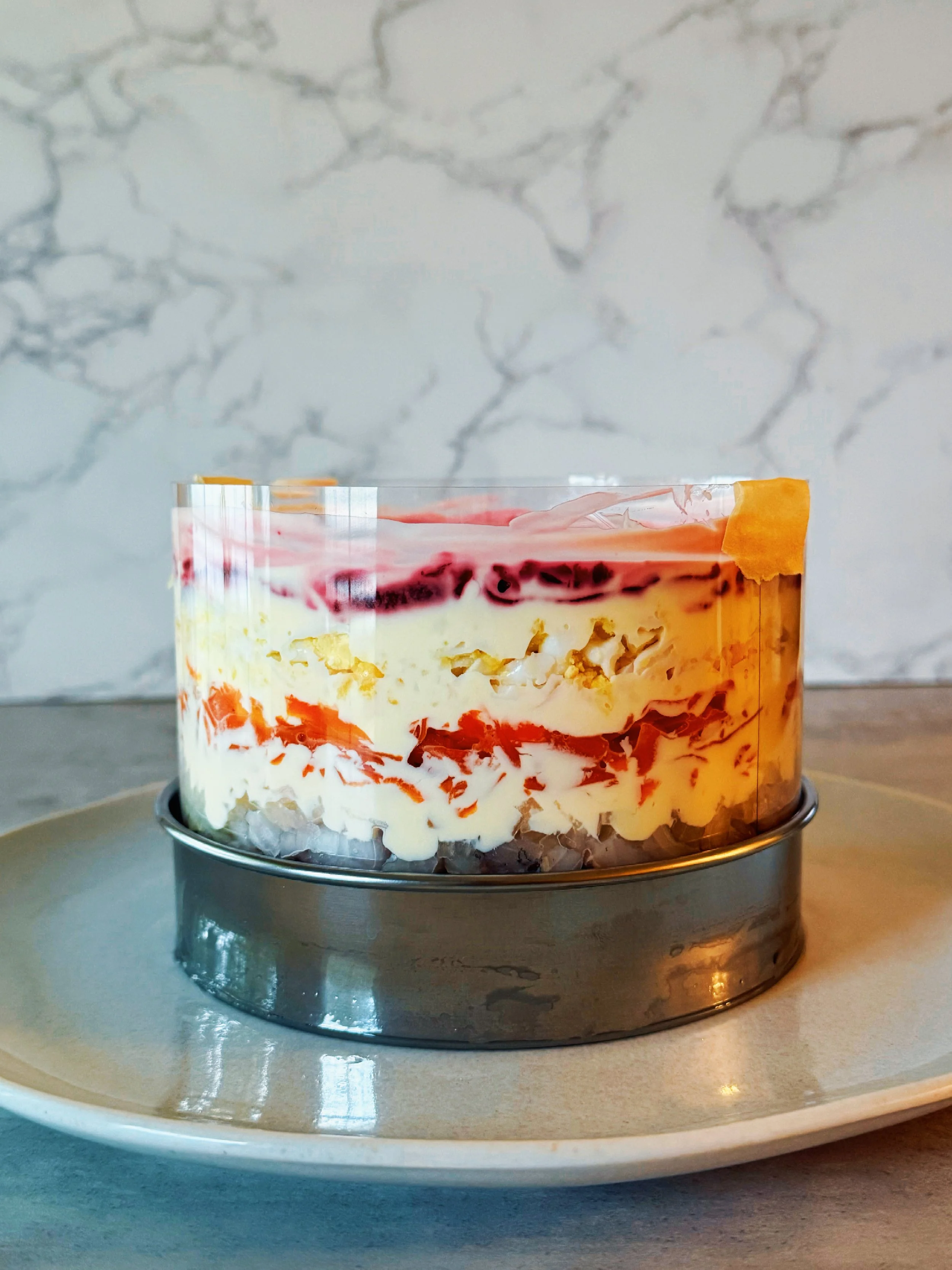
Assemble the salad by placing the potatoes on the bottom of the mold. Tap down with a meat tenderizer.
Next add the herring and tap down with a meat tenderizer.
Then the onions and tap down with a meat tenderizer. Add a generous layer of mayonnaise and spread evenly with a spoon.
Then the carrots and tap down with a meat tenderizer. Add a generous layer of mayonnaise and spread evenly with a spoon.
Then the grated eggs and tap down with a meat tenderizer. Add a generous layer of mayonnaise and spread evenly with a spoon.
Add the beets as the final layer, tap down with a meat tenderizer, then add a layer of mayonnaise and spread evenly with a spoon.
Refrigerate for 4 hours to overnight.
Carefully lift off the cookie cutter and remove the acetate sheet.
Garnish with grated egg yolk and dill.
Tips
Let every cooked ingredient cool completely before layering.
Drain the potatoes and carrots well after the ice bath. Excess water creates watery layers.
If the beets seem especially juicy gently squeeze away some of the excess moisture.
Dice the herring fairly small.
Pressing down each layer as you assemble gives shuba cleaner sides and helps it hold together when the mold is removed.
Refrigerating the shuba for at least 4 hours gives the layers time to set and the flavors to meld.
Remove the ring and acetate while the shuba is still very cold.
Add the grated egg yolk and dill near serving time so the garnish stays fresh looking.
It’s even better made ahead. Shuba is one of those dishes where a few hours in the refrigerator actually improves it.