
okroshka
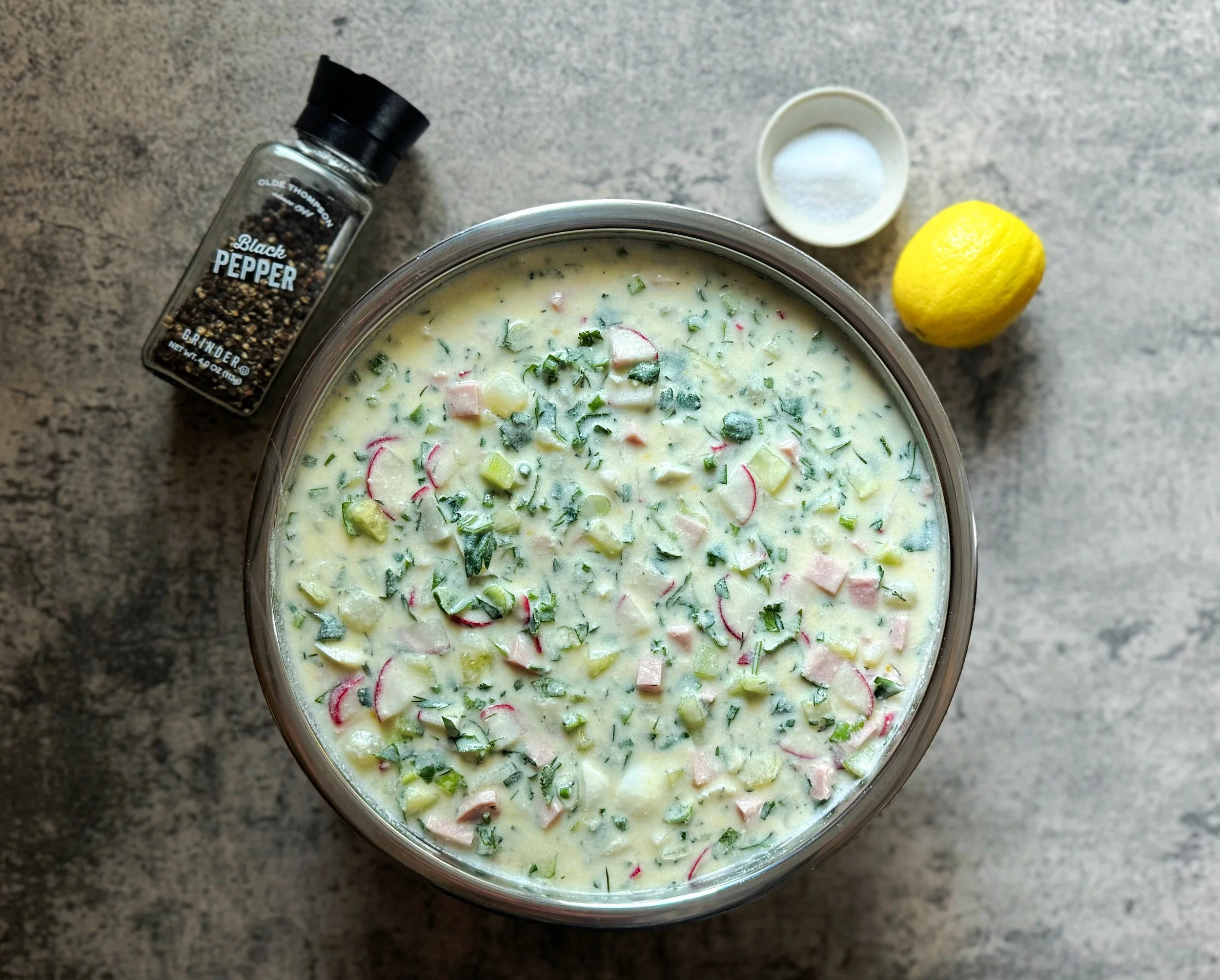
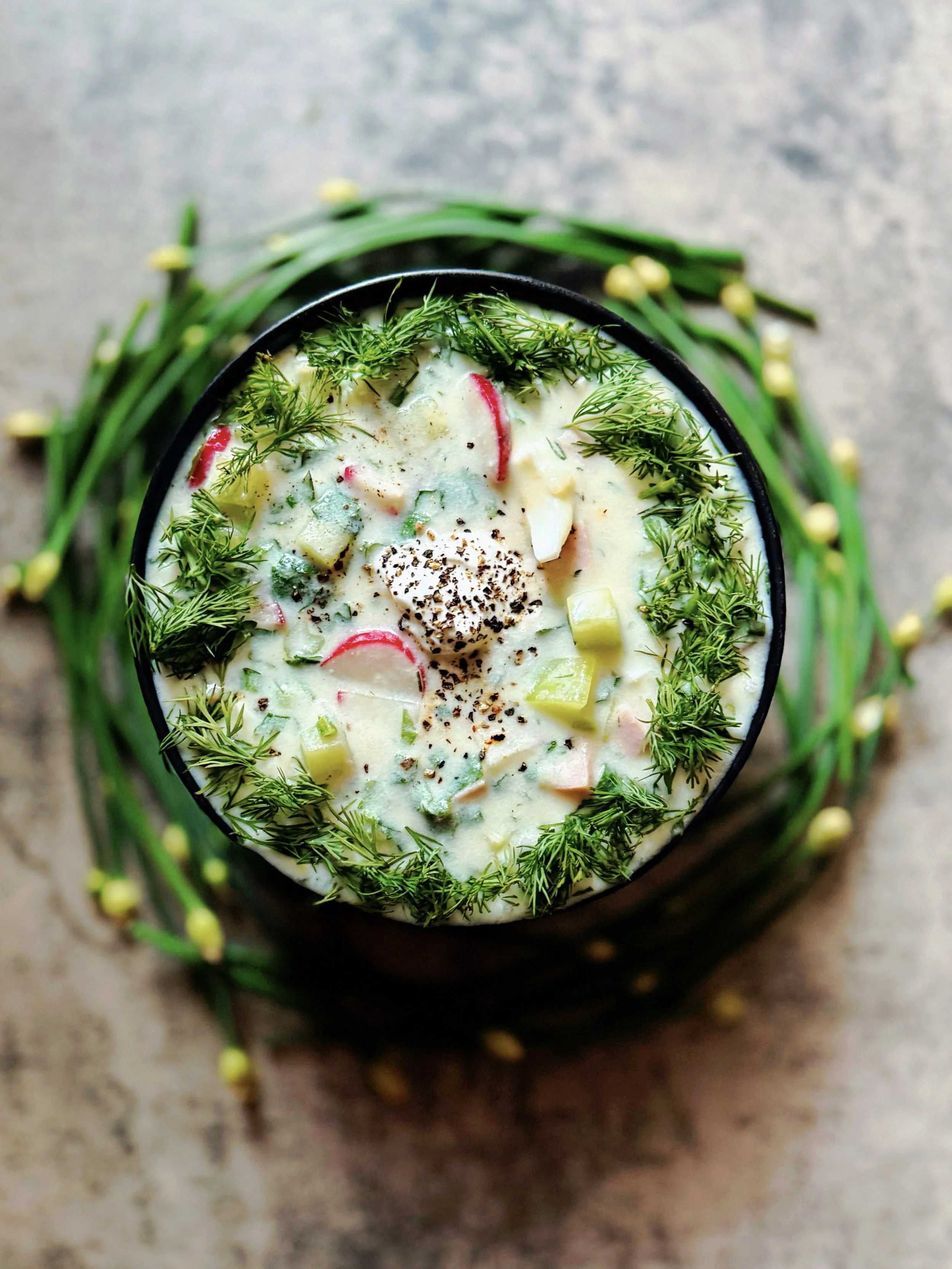
This okroshka is bright, crunchy, and packed with herbs. It’s made with cucumbers, radishes, potatoes, eggs, and bologna, then finished with kefir and sparkling water for that light, tangy base. Chill it overnight and serve it cold with smetana, dill, and lots of black pepper.

What is the history of okroshka?
Okroshka shows up in Russian records in the late 1700s as a peasant workaround: take whatever is left (meat, potatoes, cucumbers, herbs) and chop it fine (kroshnit loterally means ‘to chop’) and drown it in kvass. Over time it split into camps: kvass based in Russia, kefir based later in Soviet kitchens, and yogurt versions like chalop in Central Asia, but the idea never changed: scraps, acid, and salt turned into something refreshing to survive summer.
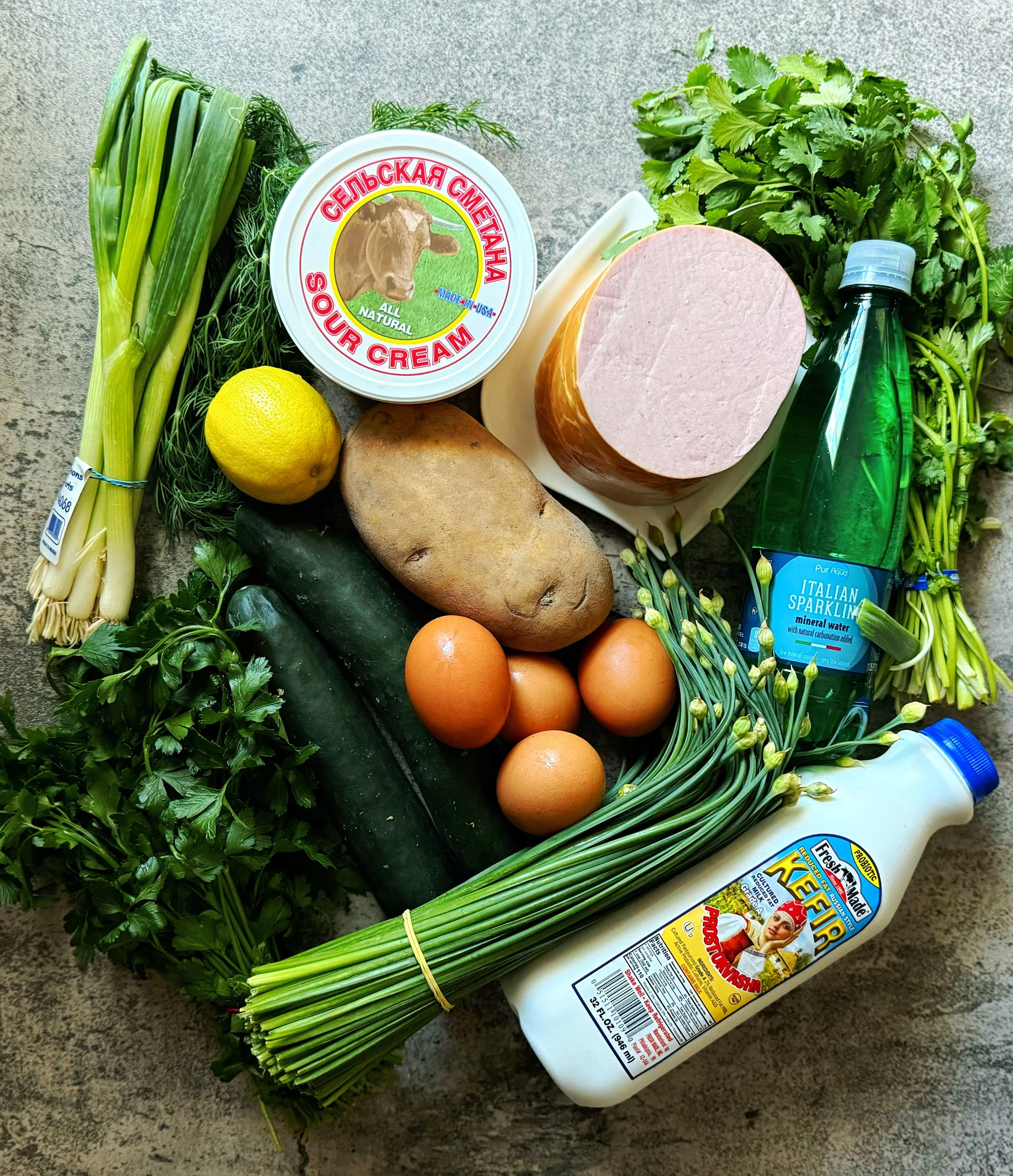
Let’s talk about kefir
Kefir started in the Caucasus where people passed kefir grains down like inheritance and didn’t question why they worked; they just knew milk lasted longer and didn’t wreck their stomach. It’s a living cluster of bacteria and yeast that pre-digests the milk for you dropping lactose, producing acids, and packaging it with microbes that survive your gut. That’s why it’s linked to better digestion, less bloating, and some immune support. It’s not just another wellness trend, but milk that has been broken down and rebuilt into something your body handles better.
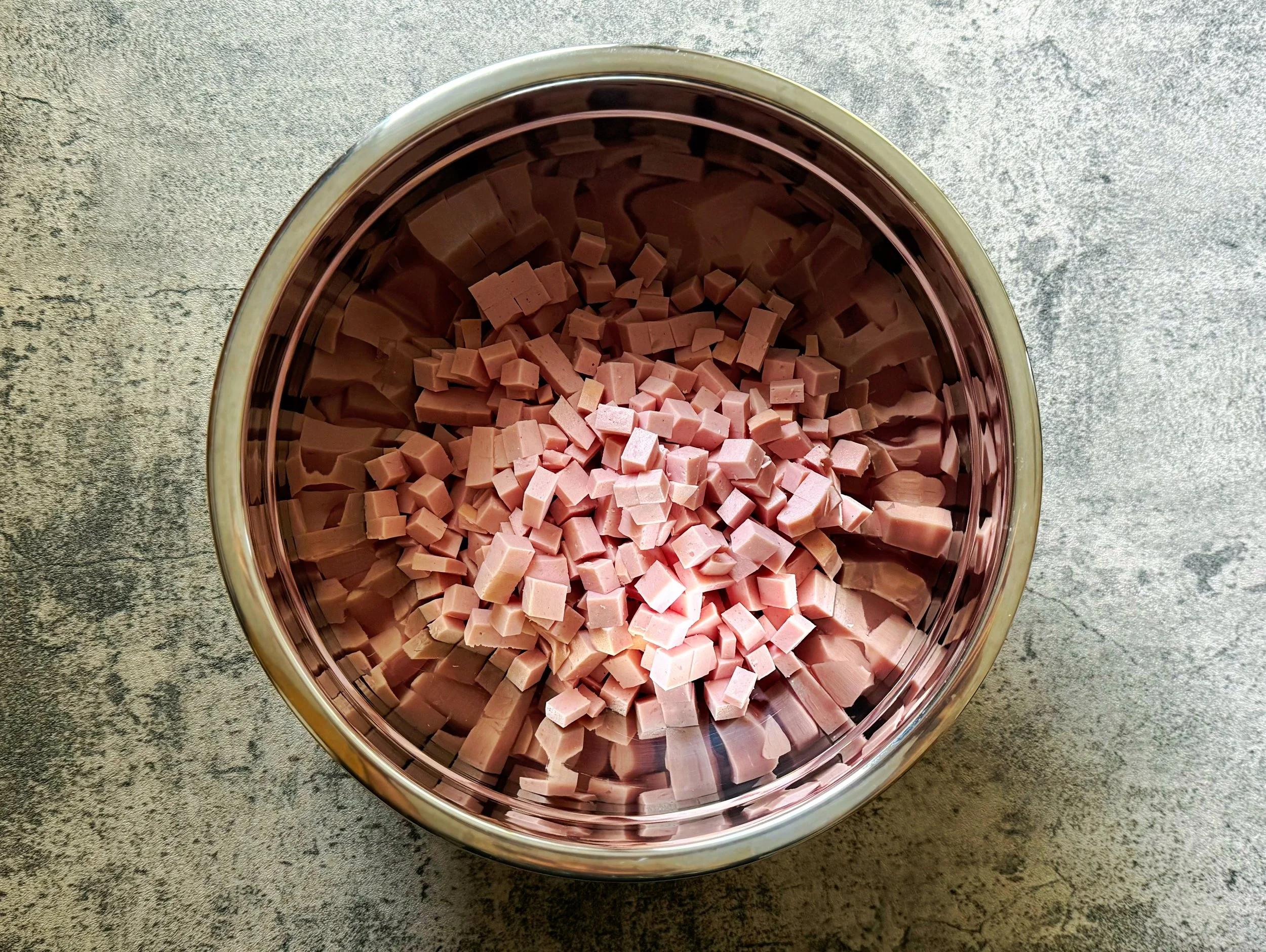
What is the difference between chives and scallions?
Scallions and chives both taste oniony but they are not the same thing. Scallions are young onions so they have white base and green stalks, more moisture, more bite, and enough structure to actually cook with; you can grill them, saute them, char them, throw them in soups, fold them into pancakes, etc. Chives are a tender herb. They’re much thinner, more delicate, and the flavor is quieter: fresh, grassy, not sharp. They’re mostly used raw or added at the end, so if a recipe needs a finishing hit use chives. If a recipe needs structure or real onion presence use scallions. They overlap but not enough to be interchangeable in every dish.
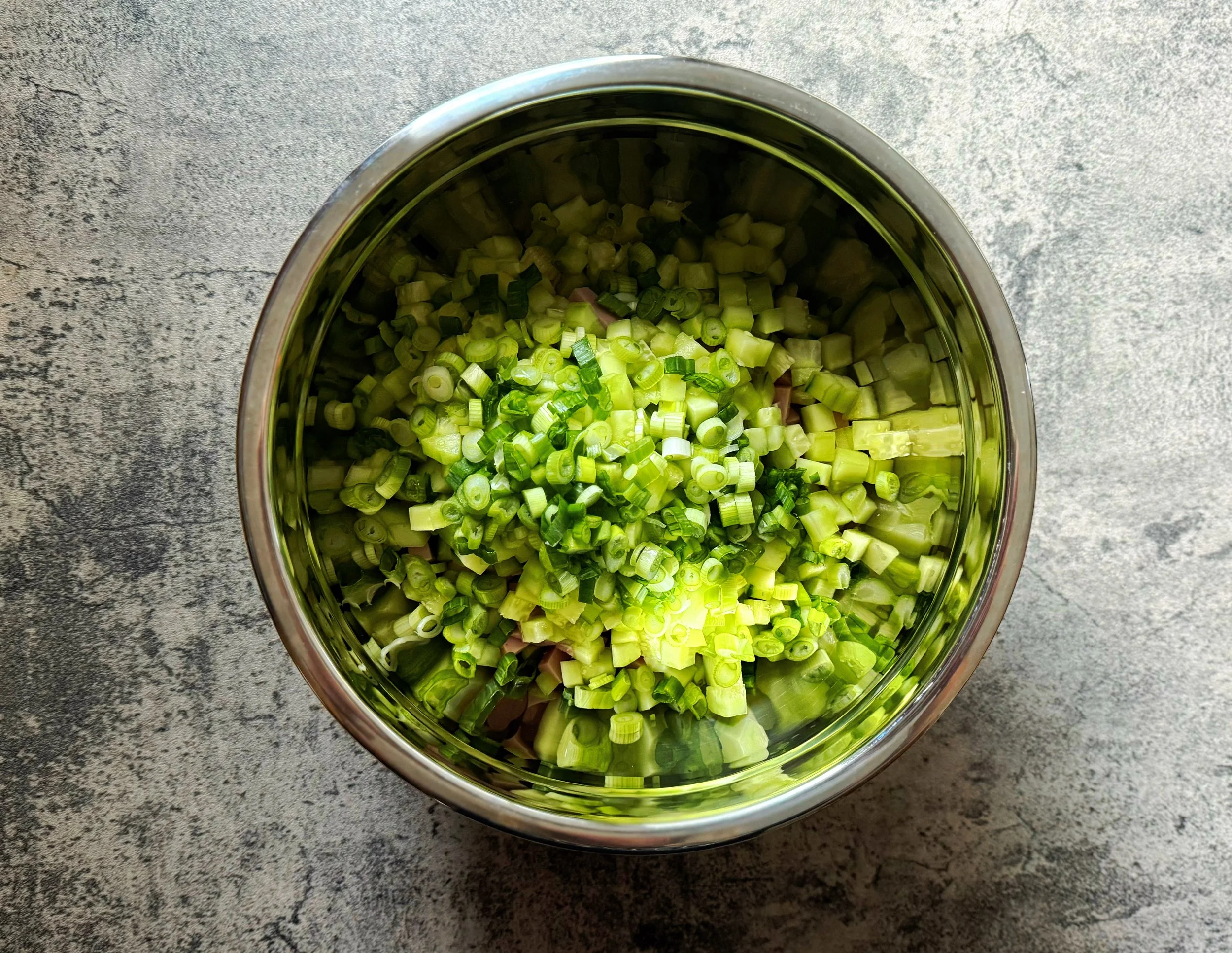
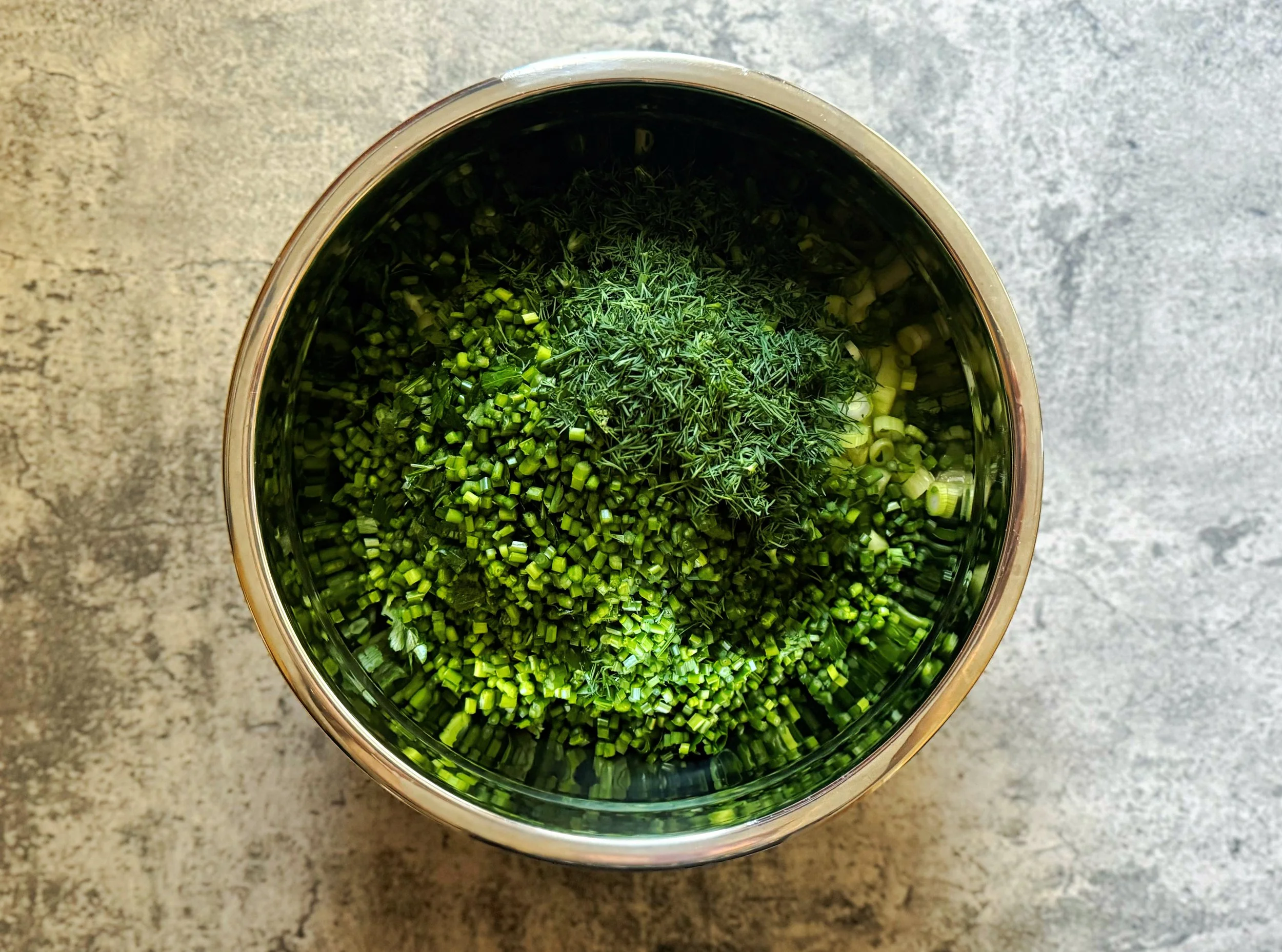
What is the difference between sour cream and smetana?
Sour cream and smetana look similar but don’t behave the same. Sour cream (the American kind) is lighter, tangier, and often stabilized so it doesn’t split as easy making it good for baking and mixing into dips. Smetana is thicker, higher fat, less sharp, and more velvety. It melts smoothly into hot dishes without breaking and gives richer finish instead of that acidic edge. If you want brightness and structure use sour cream, but if you want depth, softness, and something that integrates into the dish use smetana.
Why are chicken eggs so popular globally?
Chicken eggs dominate because chickens solved the logistics problem early. They were domesticated thousands of years ago in Southeast Asia, then moved along trade routes into Europe, Africa, and the Middle Easy, and they adapted everywhere. A chicken is small, eats scraps, matures fast, and lays close to an egg a day under the right conditions. Ducks and geese require more space, more feed, and are less consistent with laying eggs. Once industrial farming showed up chickens fit the system perfectly: predictable output, easy housing, fast turnover. Other eggs didn’t compete at that level so chicken eggs became the default.
Eggs stuck globally because they’re not just food: they’re a tool. The yolk is fat and emulsifies, the white is mostly protein that coagulates with heat. That’s why eggs can thicken custards, set cakes, stabilize sauces, and trap air for structure. They go from liquid to solid in a controlled way which makes them reliable across completely different cooking styles. Different cultures used them differently but for the same reason: they solve multiple problems at once.
How to make okroshka?
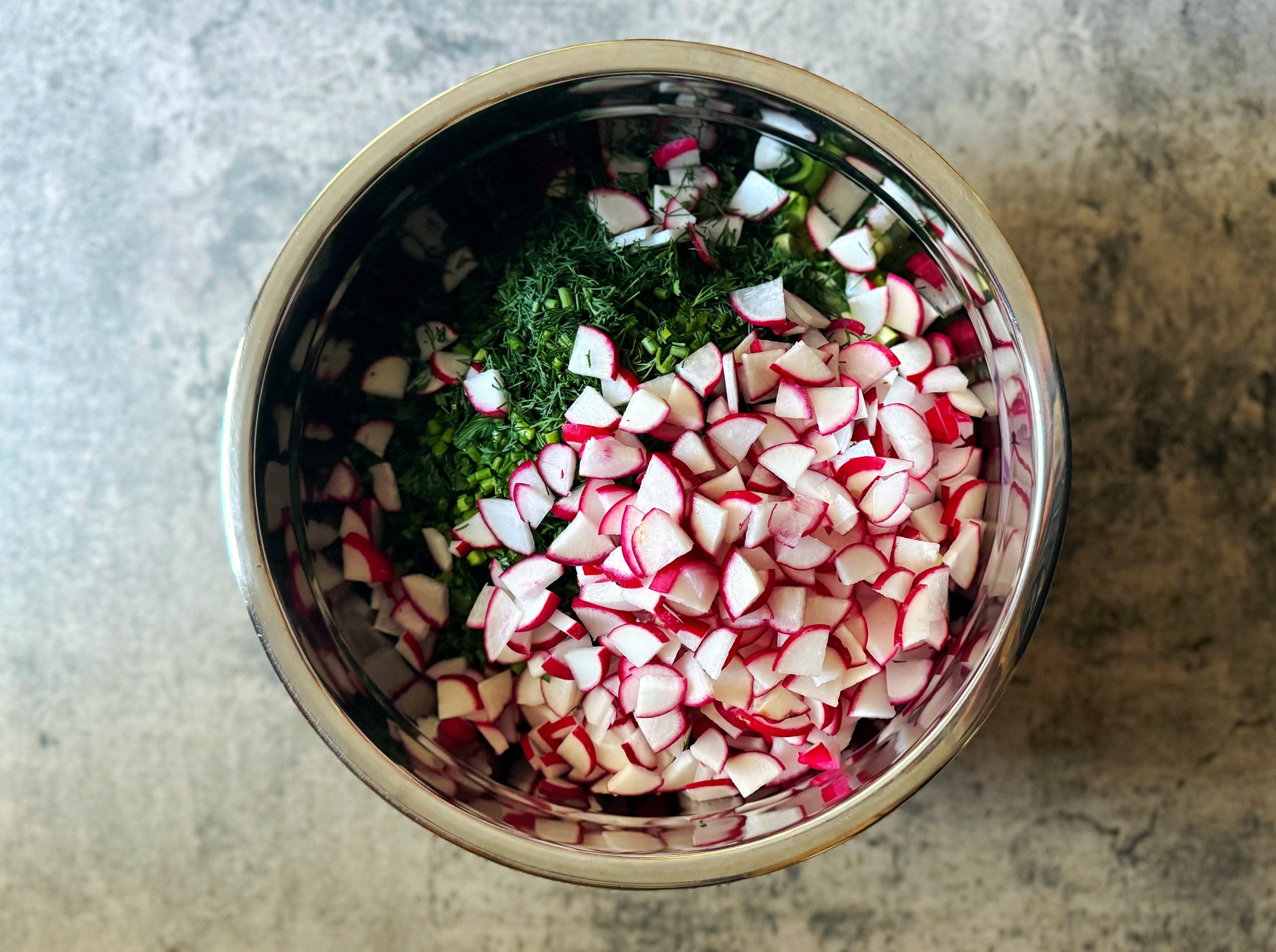
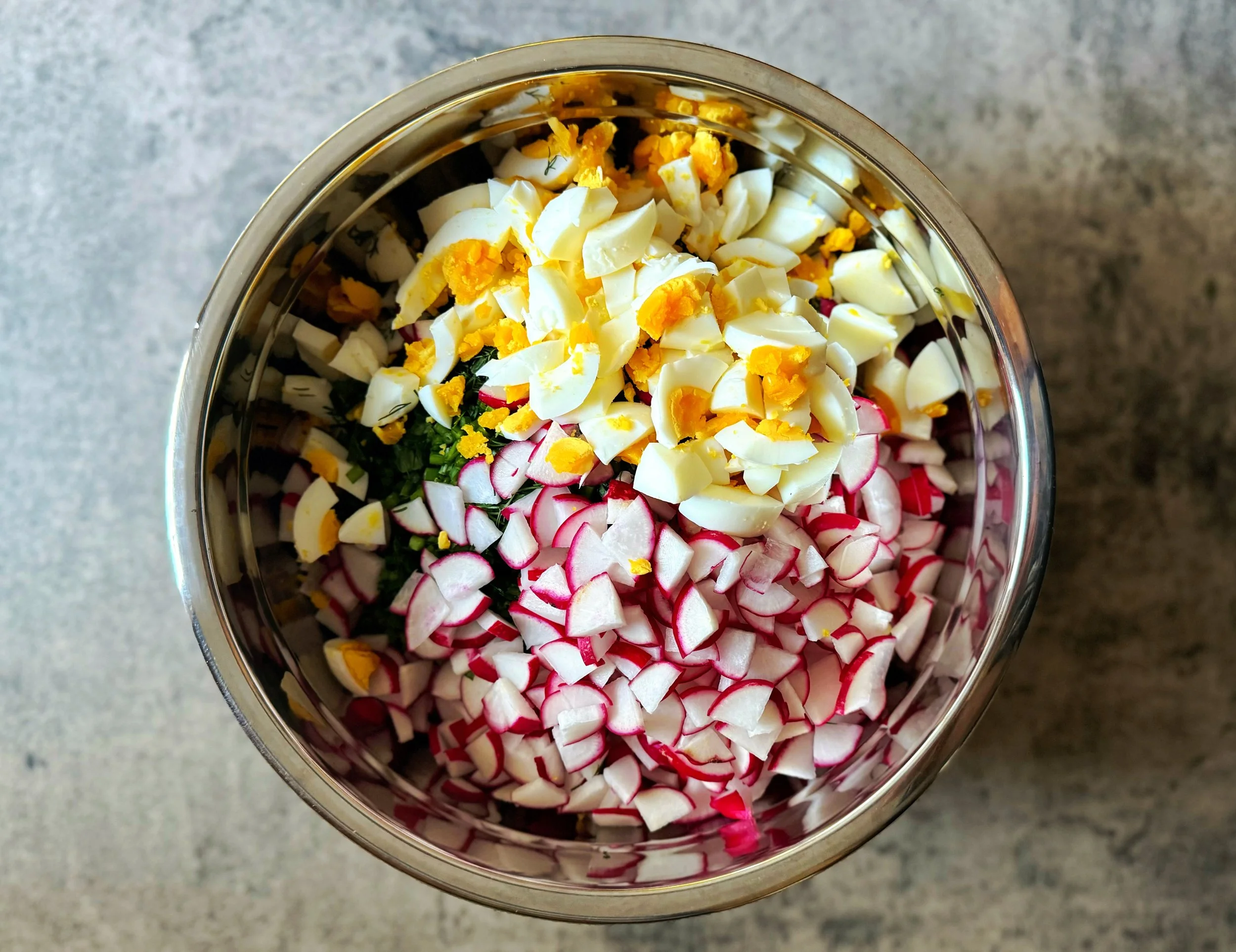
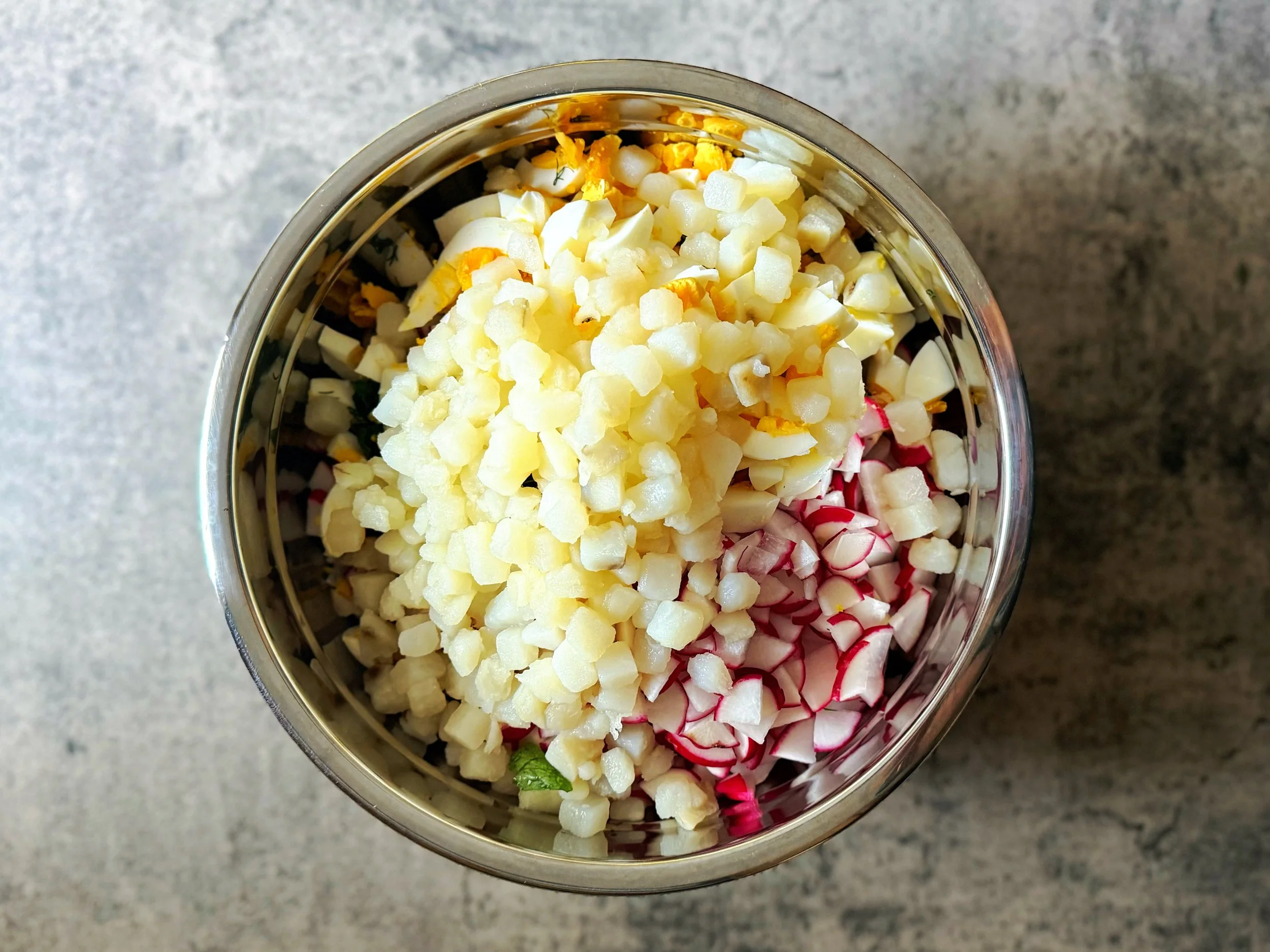
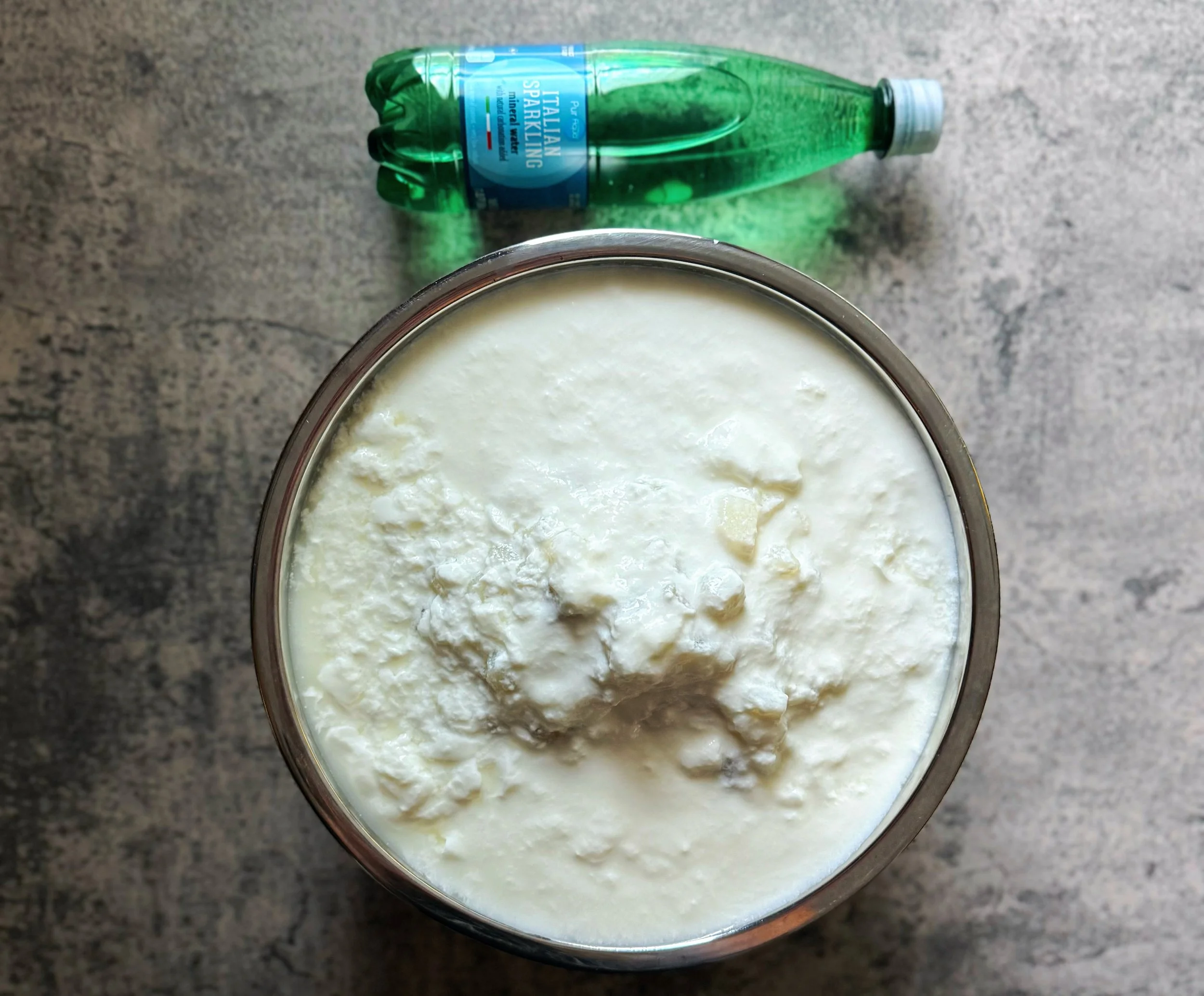
Now let’s get to the recipe! Fill a small pot with water and bring it to boil. Salt the water and add the potato cubes. Boil for about 5-10 minutes until fully cooked. Strain and rinse the potatoes with cold water. In a large pot mix together diced cucumbers, radishes, bologna, potatoes, eggs, scallions, chives, cilantro, parsley and dill. Mix in kefir and add sparkling water until the soup is at desired consistency. Add lemon juice, pepper and 1 1/2 tsp salt. Check seasoning. Cover and refrigerate overnight. Serve cold with smetana, dill and freshly cracked pepper.
Tips
Make sure to not overcook the potatoes. The cook time depends on the size of your cubes.
This soup is also delicious when made with steak, chicken breast, or with no meat at all!
Let the soup rest for at least 8 hours before serving for the flavors to develop.
Recommended products to make this recipe
*This page contains affiliate links. If you choose to purchase after clicking a link, I may receive a commission at no extra cost to you.
