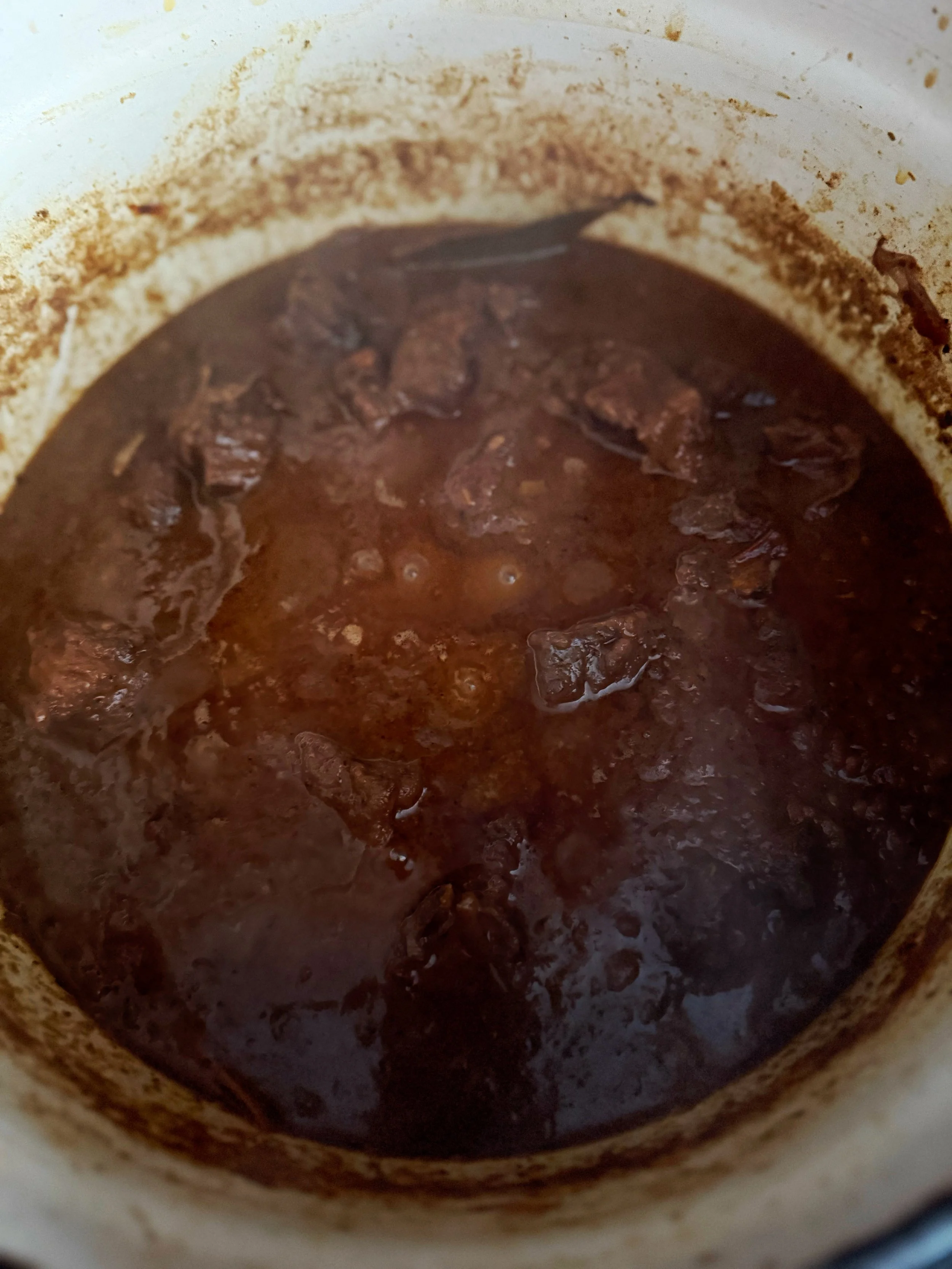
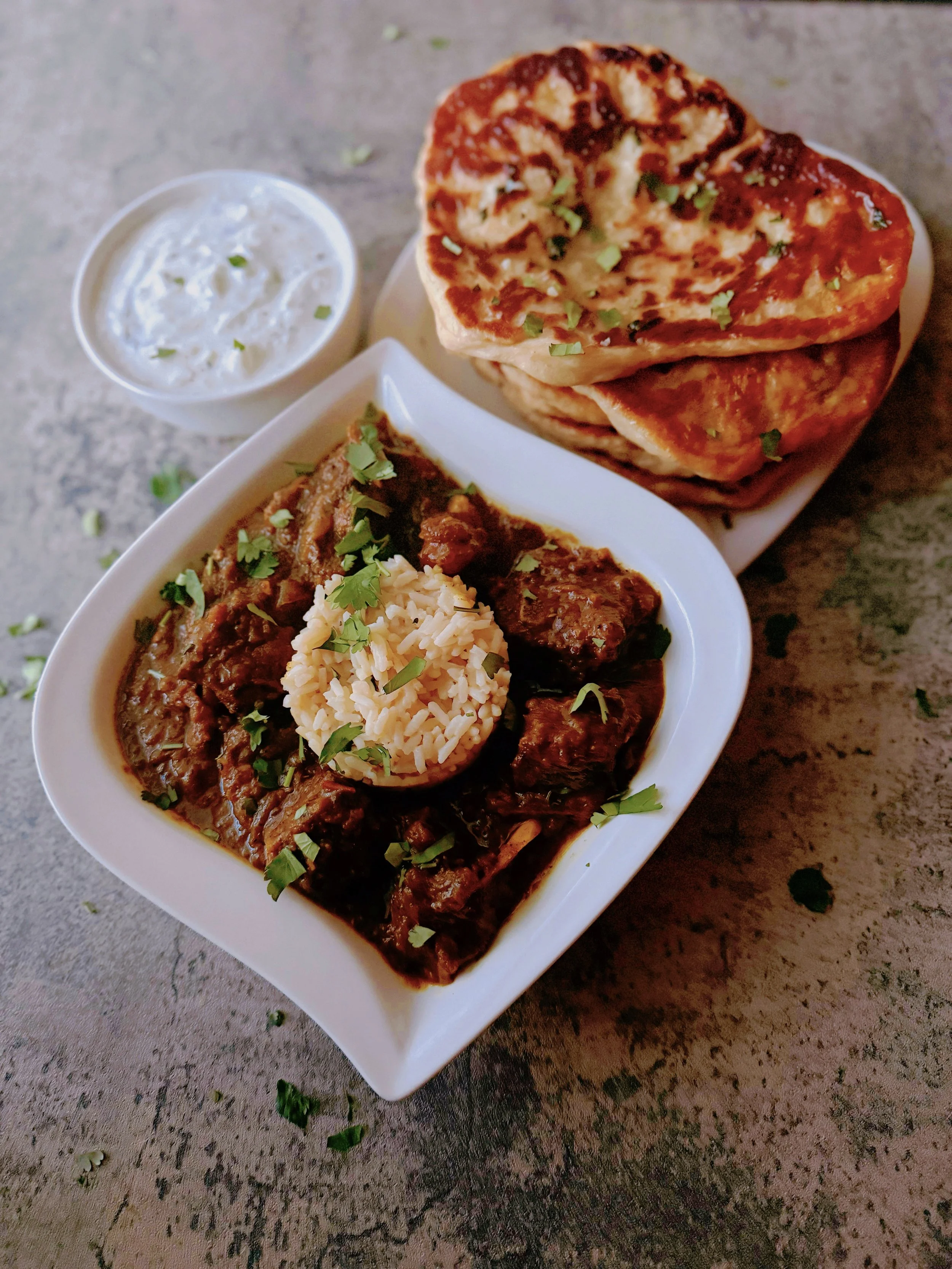
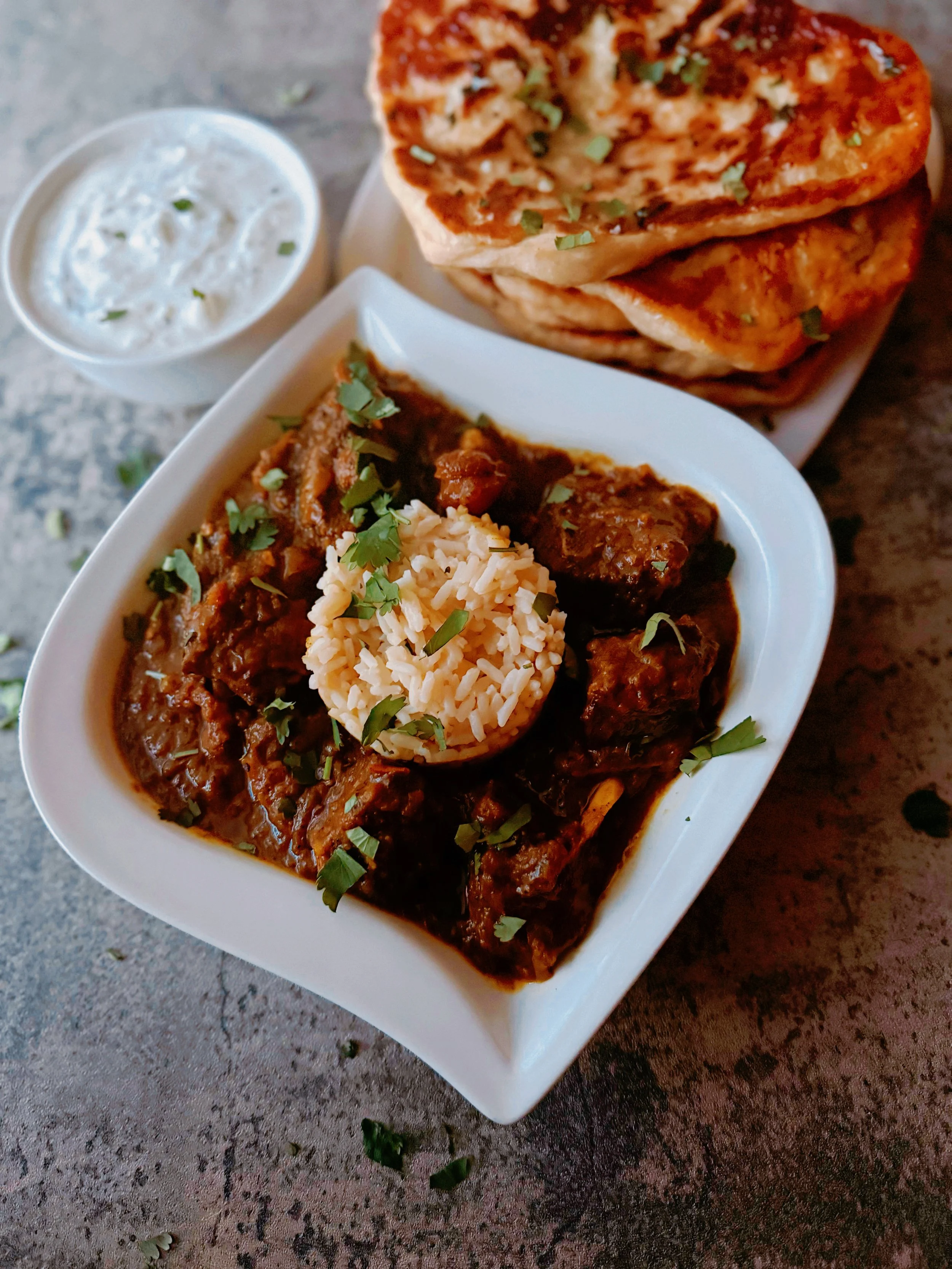
Goat is one of those meats that asks for time and rewards you for it. It’s lean, deeply flavorful, and when simmered slowly it becomes tender enough to fall apart in a rich sauce. In this curry it cooks with warm spices like cumin, coriander, turmeric, and garam masala, while coconut milk makes the sauce rich and mango adds sweetness that balances the heat. Served with cilantro lime rice, warm naan, and cooling cucumber raita, it’s a bold, comforting meal with layers of flavor in every bite.
Why does goat work so well in a curry?
Goat works especially well in curry because its flavor is stronger and more complex than milder meats like chicken and pork. The meat is lean and slightly earthy which allows it to absorb spices without becoming overwhelmed by them. Slow cooking methods help break down the connective tissue in goat turning what can initially be a tough cut into something tender and deeply flavorful. This is why goat is traditionally used in many long simmered dishes around the world. There’s also a historical reason goat became so closely associated with spiced stews and curries; in many parts of South Asia, the Middle East, Africa, and the Caribbean goats were easier to raise than cattle. They required less land, tolerate harsh climates, and reproduce quickly making them a reliable source of meat for rural communities. Because goat meat can be firmer than other meats cooking it slowly with spices, aromatics, and liquids became a practical way to tenderize it while building flavor. Over time this cooking method evolved into some of the most well known goat dishes today: Indian goat curries, Jamaican curry goat, and Moroccan tagines all rely on long cooking, bold spices, and ingredients that create a rich sauce around the meat. The result is a dish where the spices don’t hide the flavor of the goat but instead deepen and complement it.
Why rinsing rice matters?
Rinsing rice matters because most rice is coated in loose surface starch from milling, shipping, and the grains rubbing against each other. If you dump it straight into the pot that starch hits hot water, swells fast, and turns your cooking liquid gluey. That’s how you get rice that’s cloudy, sticky, and cumps into soft bricks instead of fluffy grains. When you rinse until water runs mostly clear you’re doing a few things at once: removing excess surface starch, improving texture consistency, preventing boil overs (starchy foam is what erupts), and cleaning off dust and debris. It doesn’t change the type of rice you’re cooking into something else but it does control how much starch ends up in the pot. For long grain rice especially rinsing is the difference between fluffy, distinct grains and soft, clumpy rice, which matters when you'‘re serving it under a rich curry and you want the rice to actually carry the sauce insyead of collapsing into paste.
What makes naan different from other flatbreads?
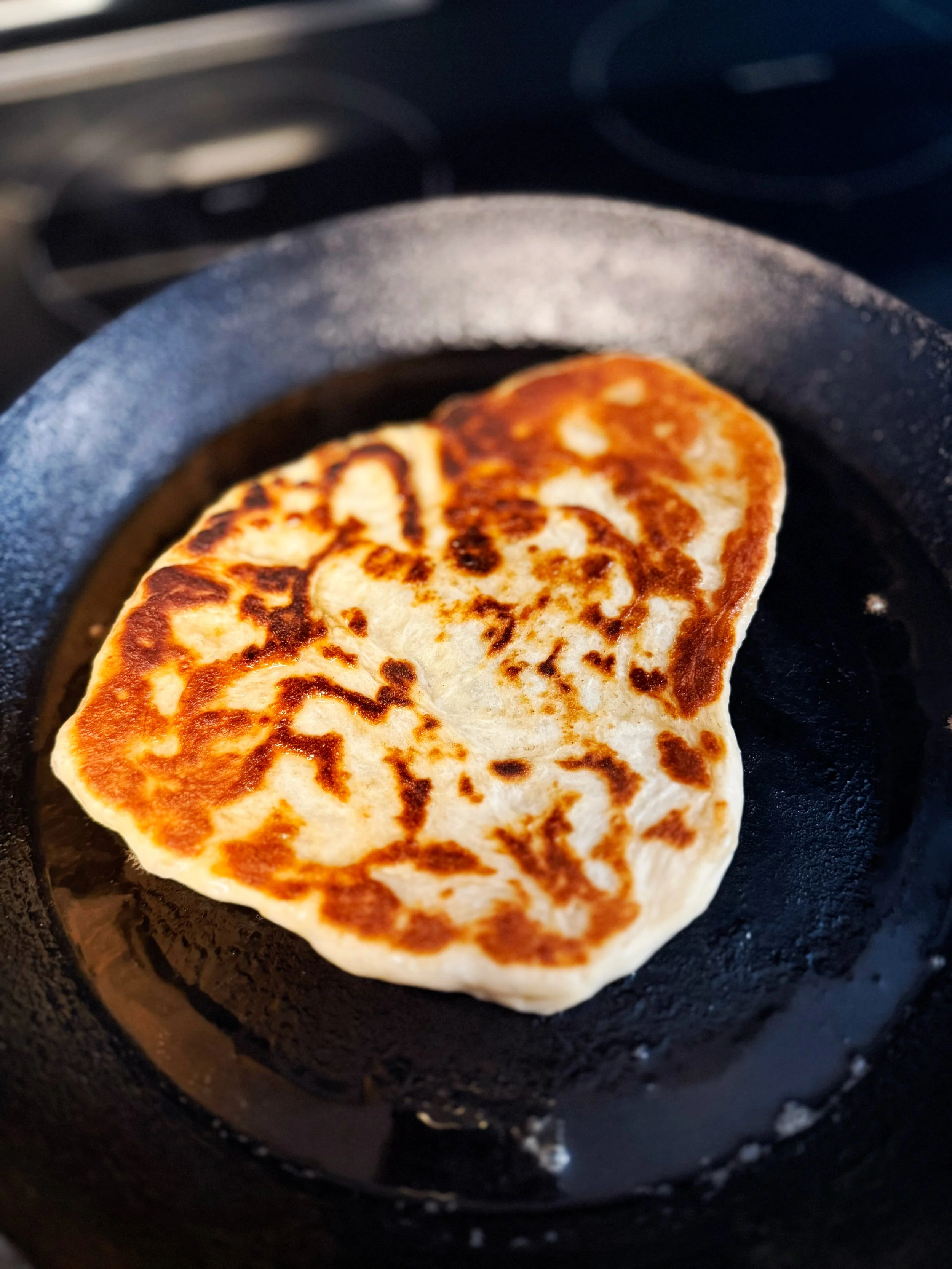
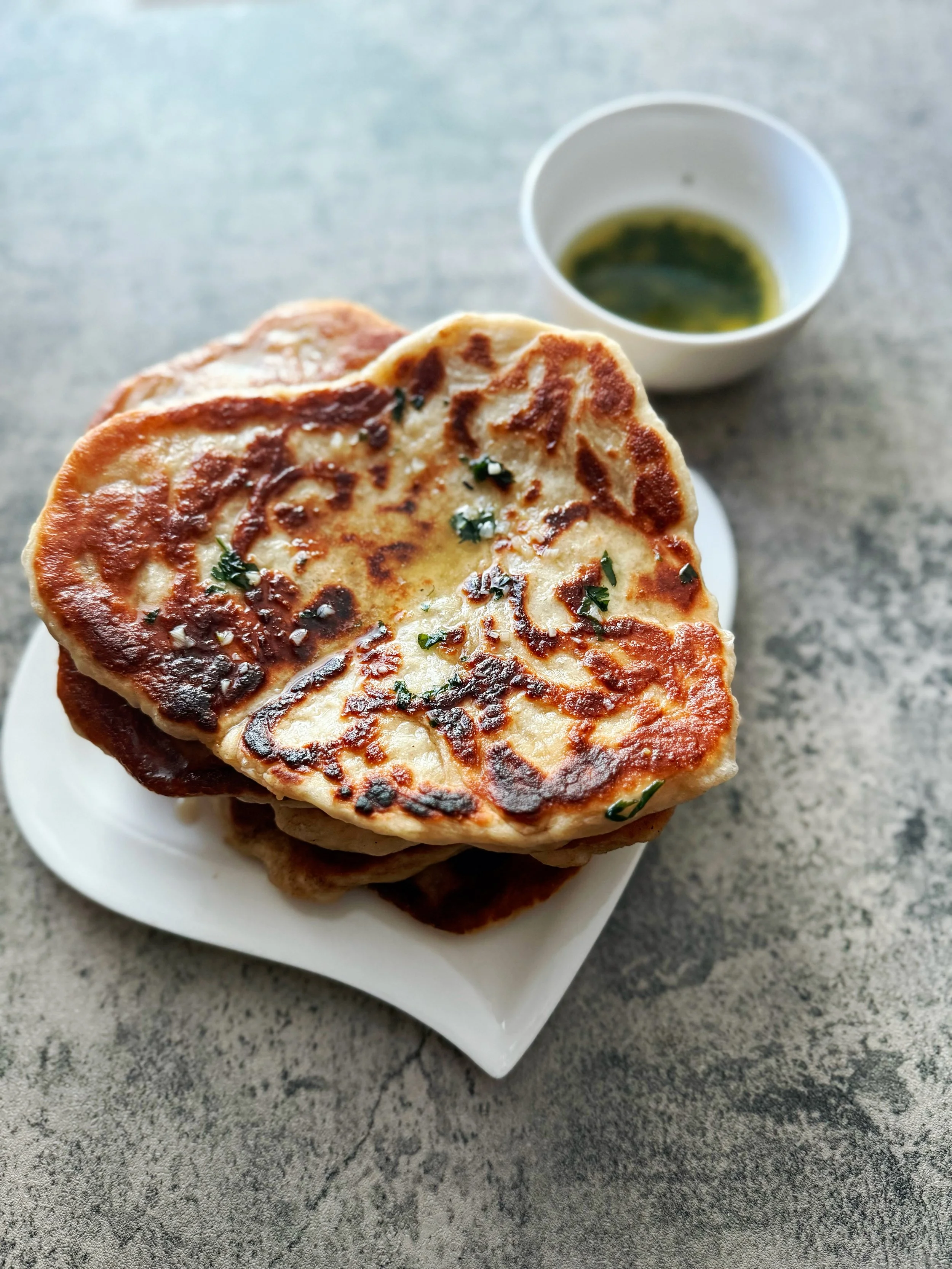
Naan stands apart from many other flatbreads because it’s leavened and enriched giving it a softer texture. While many traditional flatbreads (like tortillas and lavash) are made from simple doughs of flour, water, and salt, naan usually includes ingredients like yeast, yogurt, or milk, which help create a lighter crumb. The added fat from yogurt, butter, or ghee also makes the bread more tender and flexible. Historically naan was cooked in a tandoor; a cylindrical clay oven heated with wood or charcoal. The dough is stretched into rounds and slapped directly against the inner wall of the oven where it quickly puffs, chars in spots, and cooks in just a few minutes. Because most home kitchens don’t have a tandoor naan is often cooked in a very hot skillet or cast iron pan which mimics some of that high heat. The dough still puffs and browns, though without the vertical oven walls the shape stays flatter. Brushing the finished bread with melted butter, garlic, or herbs is also traditional.
Why Caribbean and Indian goat curries taste related?
The resemblance isn’t a coincidence. In 1834 the British Empire abolished slavery across its colonies. Plantation owners in the Caribbean suddenly needed labor so the British began transporting indentured workers from India to islands like Trinidad, Guyana, and Jamaica. Indian workers carried their spice traditions with them; cumin, coriander, turmeric, garlic, ginger, and slow cooked meat curries. Over time those cooking methods blended with local Caribbean ingredients and tastes. That’s how dishes like Trinidadian curry goat and Jamaican curry goat evolved, but the Caribbean versions developed their own identity through local influences like Scotch bonnet peppers, thyme, allspice, and Caribbean style curry powders. Even the meat origin has a practical origin: goats thrive in hot climates and rough terrain making them common livestock in both South Asia and the Caribbean. Tough cuts that required slow cooking were perfect for curry. The result is a culinary echo across oceans.
Why curries often taste better the next day?
Curries tend to taste better the next day for a simple reason: time. Spices like cumin, coriander, and turmeric release oils that continue dissolving into the fat of the sauce long after the heat is turned off. As the curry rests the meat slowly absorbs more of the seasoned liquid while its own juices seep back into the pot. What started as separate flavors settles into something deeper and more unified. Reheated the next day the curry usually tastes richer, smoother, and more balanced than it did the night it was cooked.

What do bay leaves actually do?
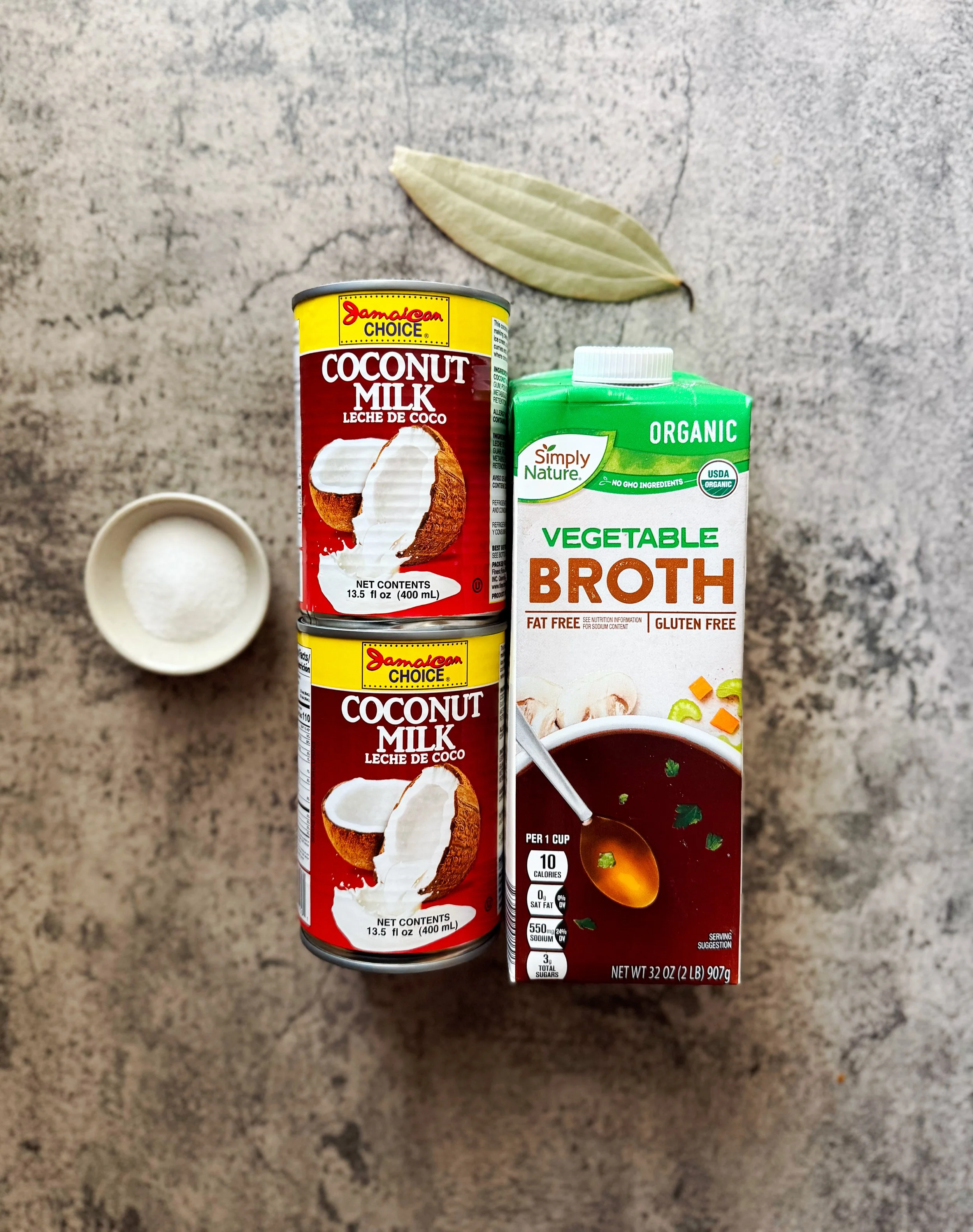
Bay leaves don’t dominate a dish which is why people assume they don’t do anything. But they quietly change the background. As they simmer they release subtle herbal compounds that add a mild woodsy aroma and bitterness keeping rich sauces from tasting flat or overly fatty. Think of them less as a flavor you notice and more as structural support. You probably wouldn’t identify a bay leaf in a blind taste test but if you remove it from a slow cooked dish like curry something will feel missing, even if you can’t immediately name what.
Why curry stains everything yellow?
Turmeric is the reason curry stains everything in sight. It contains bright yellow pigment called curcumin which binds aggressively to proteins and porous materials. Wood, plastic, fabric, even fingernails; if they have pores curcumin will move in and settle there. Heat and oil make the problem worse because both help pull the pigment out of the spice and distribute it through the sauce. Once it lands somewhere absorbent it behaves less like a seasoning and more like a natural dye. That’s not an accident either - turmeric has been used for centuries to color textiles and ceremonial fabrics.
What is the history of raita?
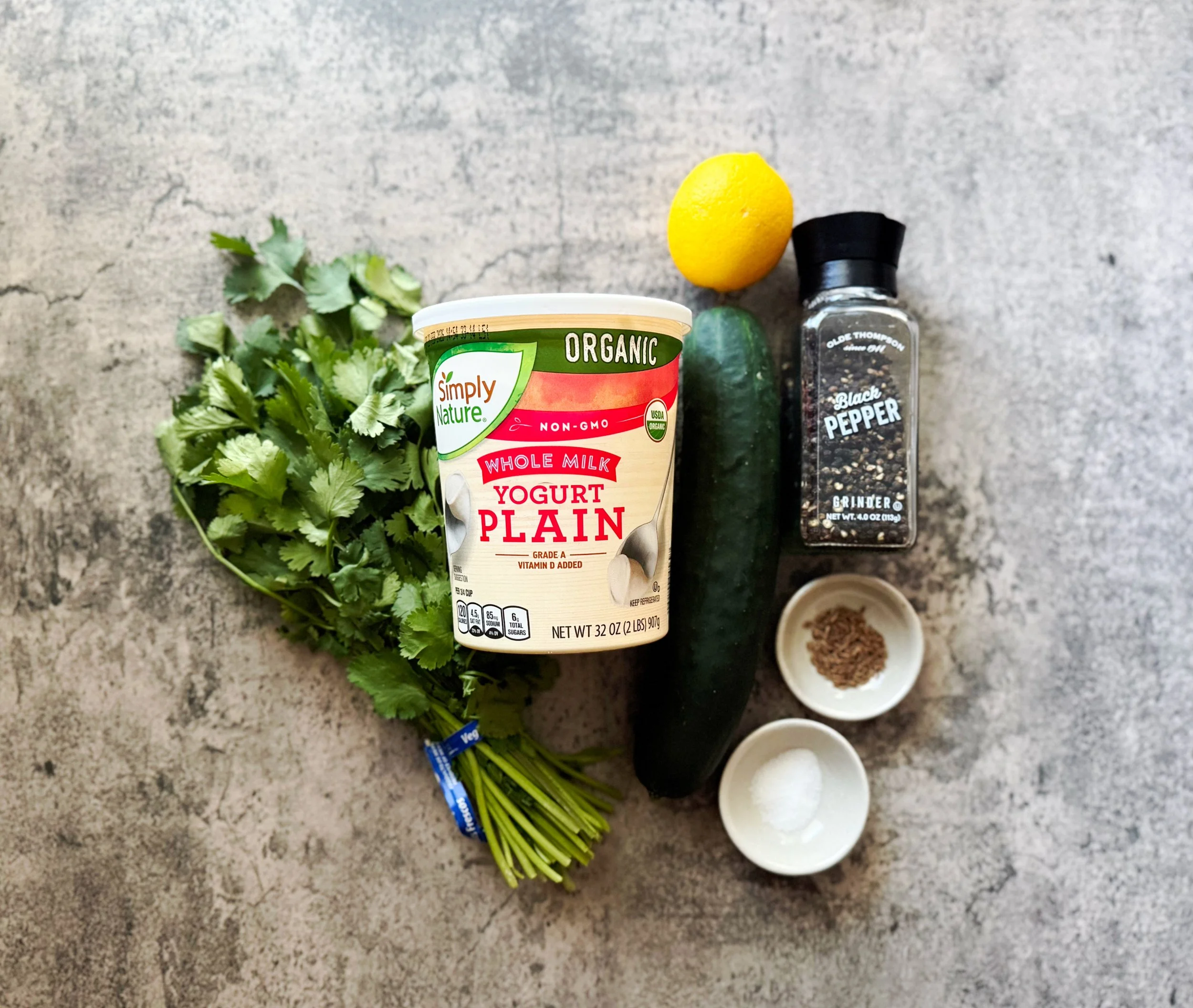
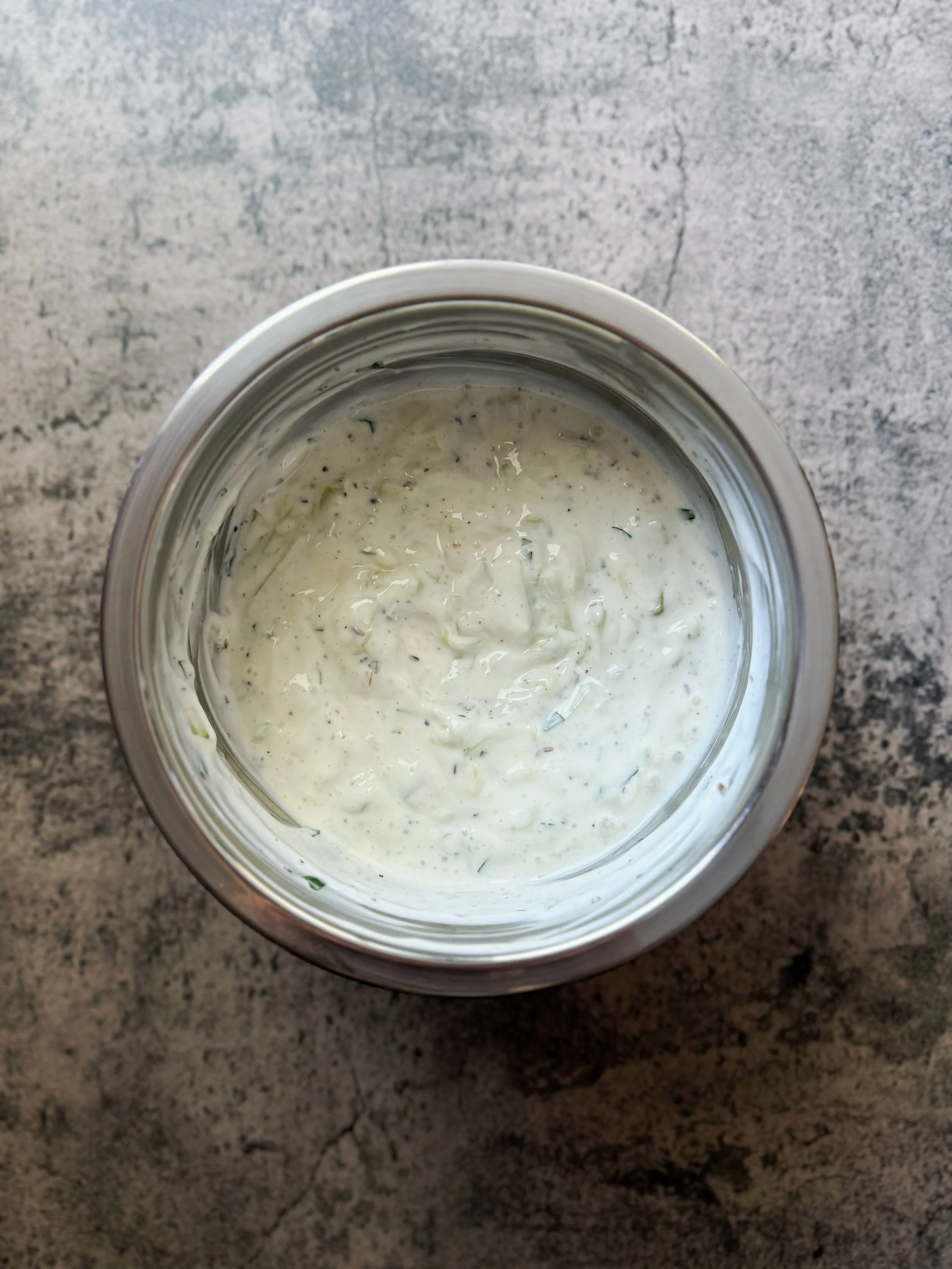
Raita likely developed from much older yogurt traditions across South and Central Asia where fermented milk has been eaten for thousands of years. By the medieval period Indian texts from around the 10th century describe yogurt mixed with herbs, vegetables, and spices in ways that strongly resemble modern raita. The idea was practical: yogurt cools the body in hot climates and softens the impact of heavily spiced foods. Over time the dish settles into its familiar role alongside curries, rice, and grilled meats. It isn’t meant to dominate the plate, historically raita exists to balance it; adding acidity, freshness, and relief between bites of richer and hotter dishes.
How to make mango curry goat with naan and raita?
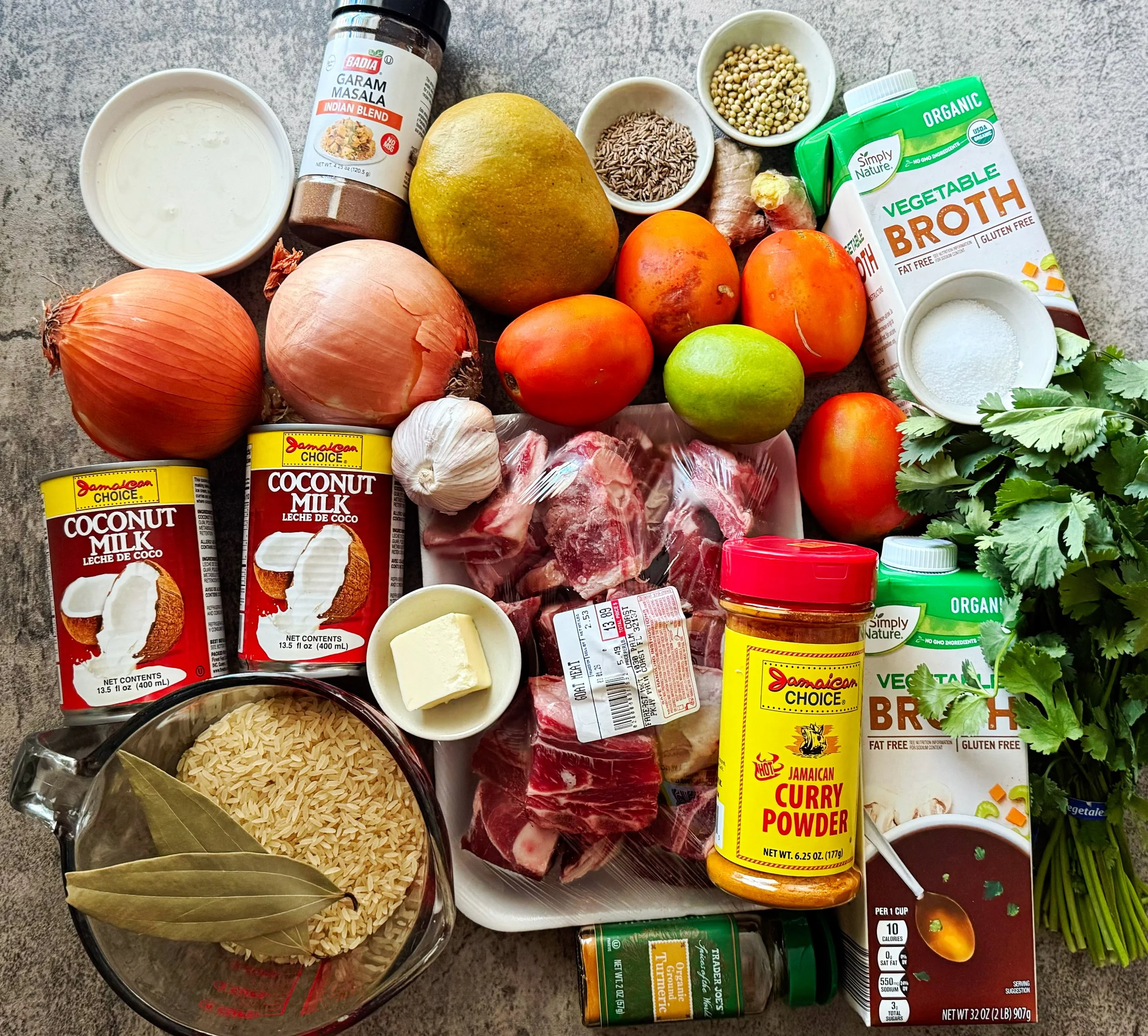
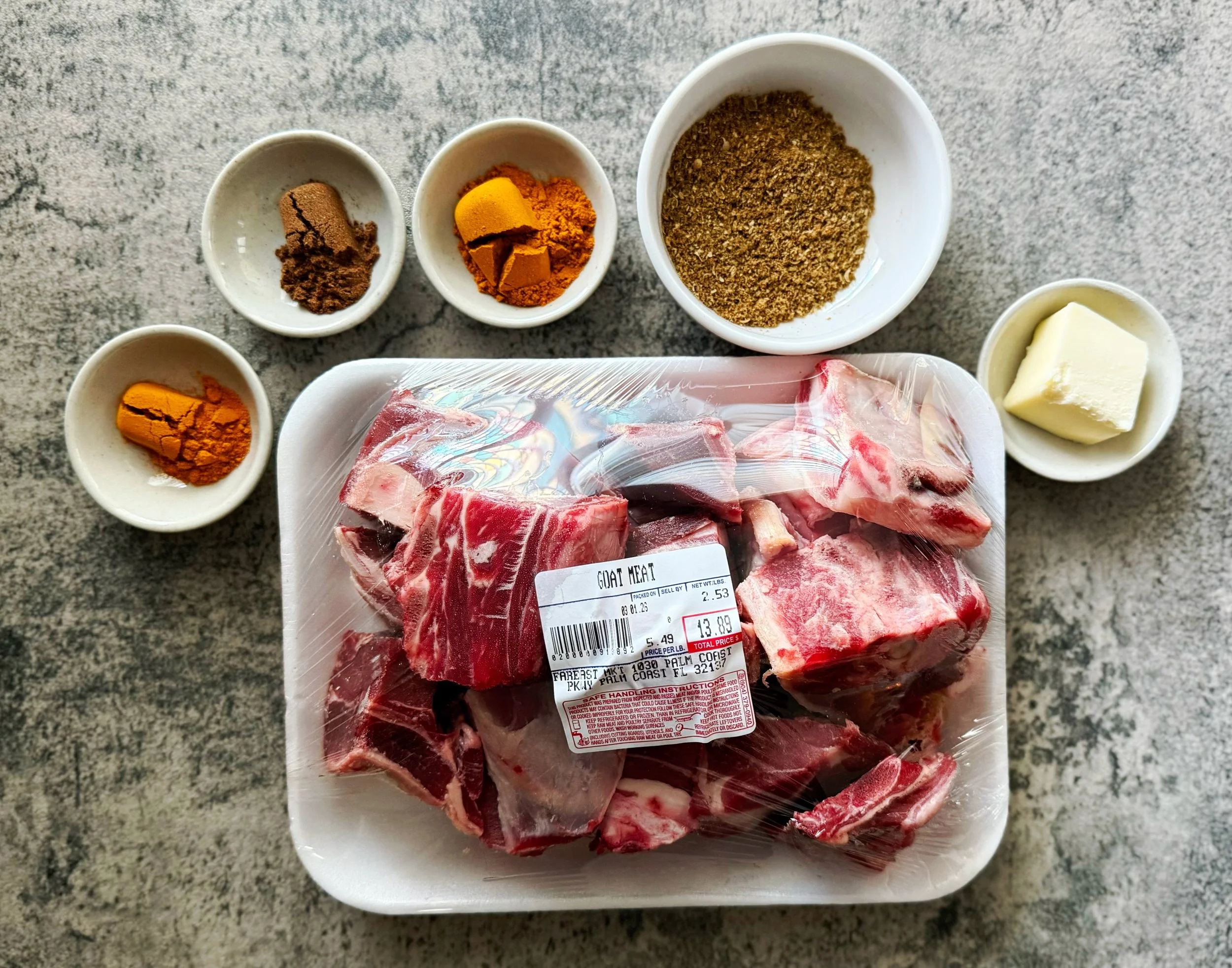
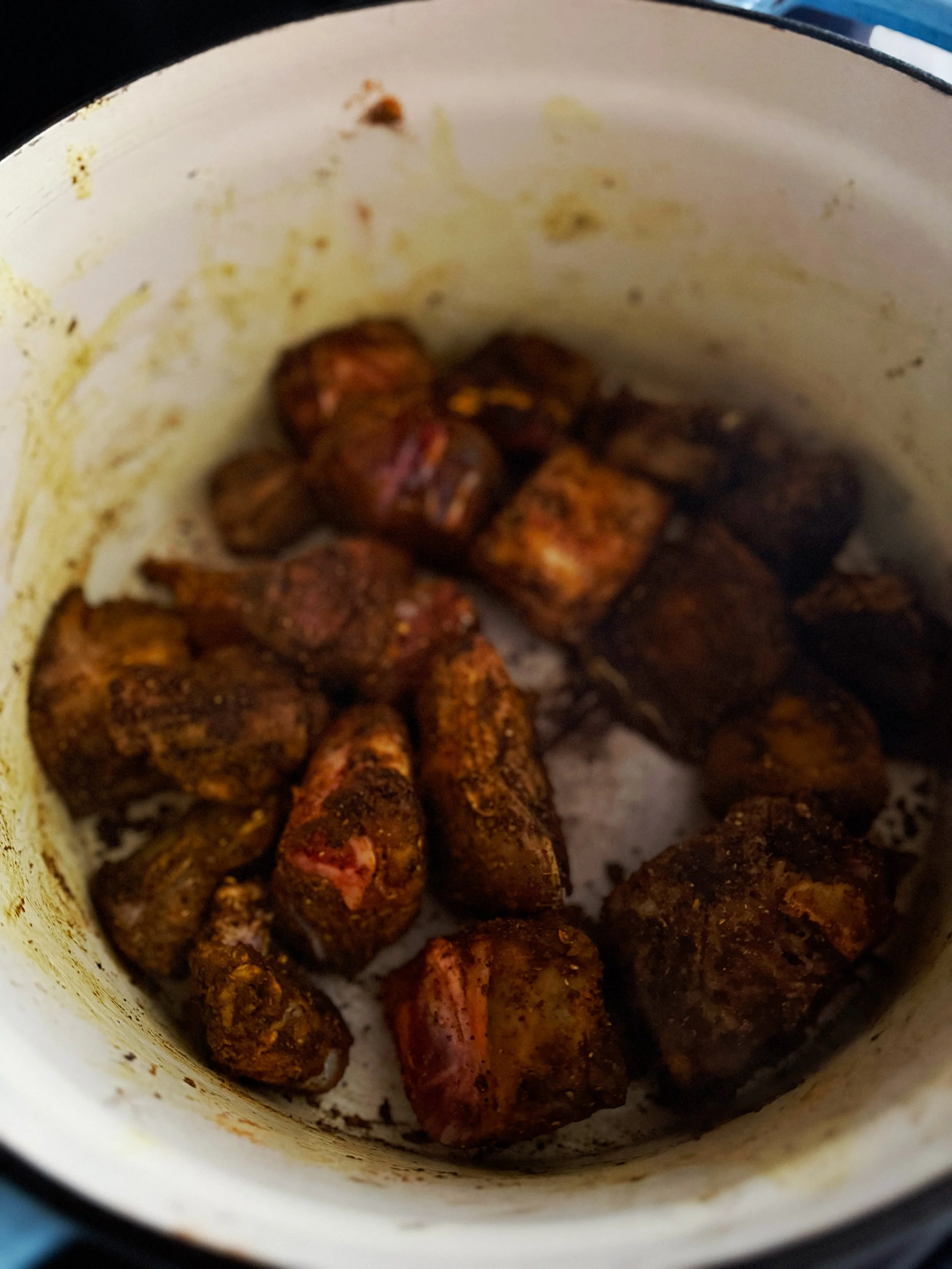
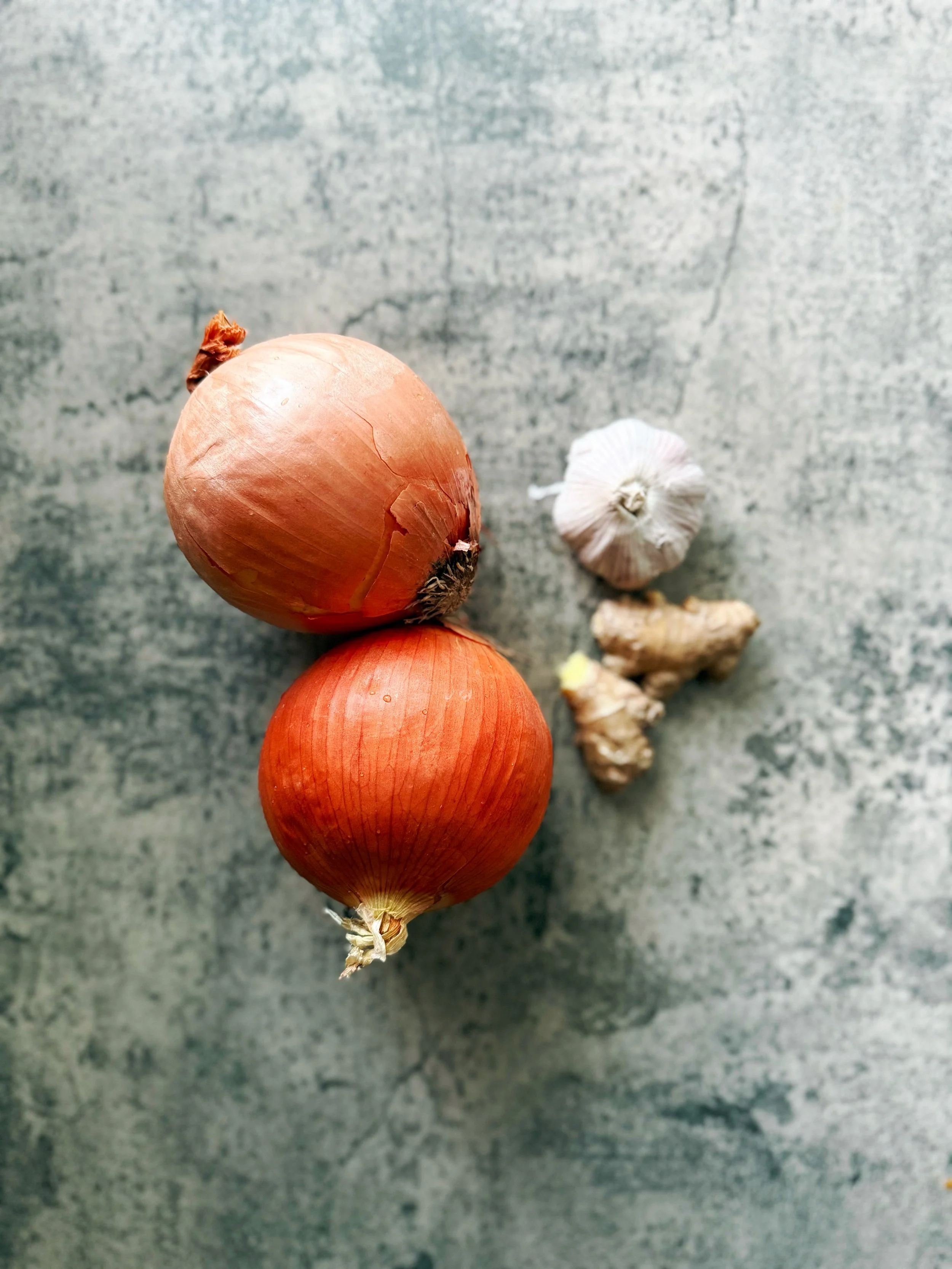
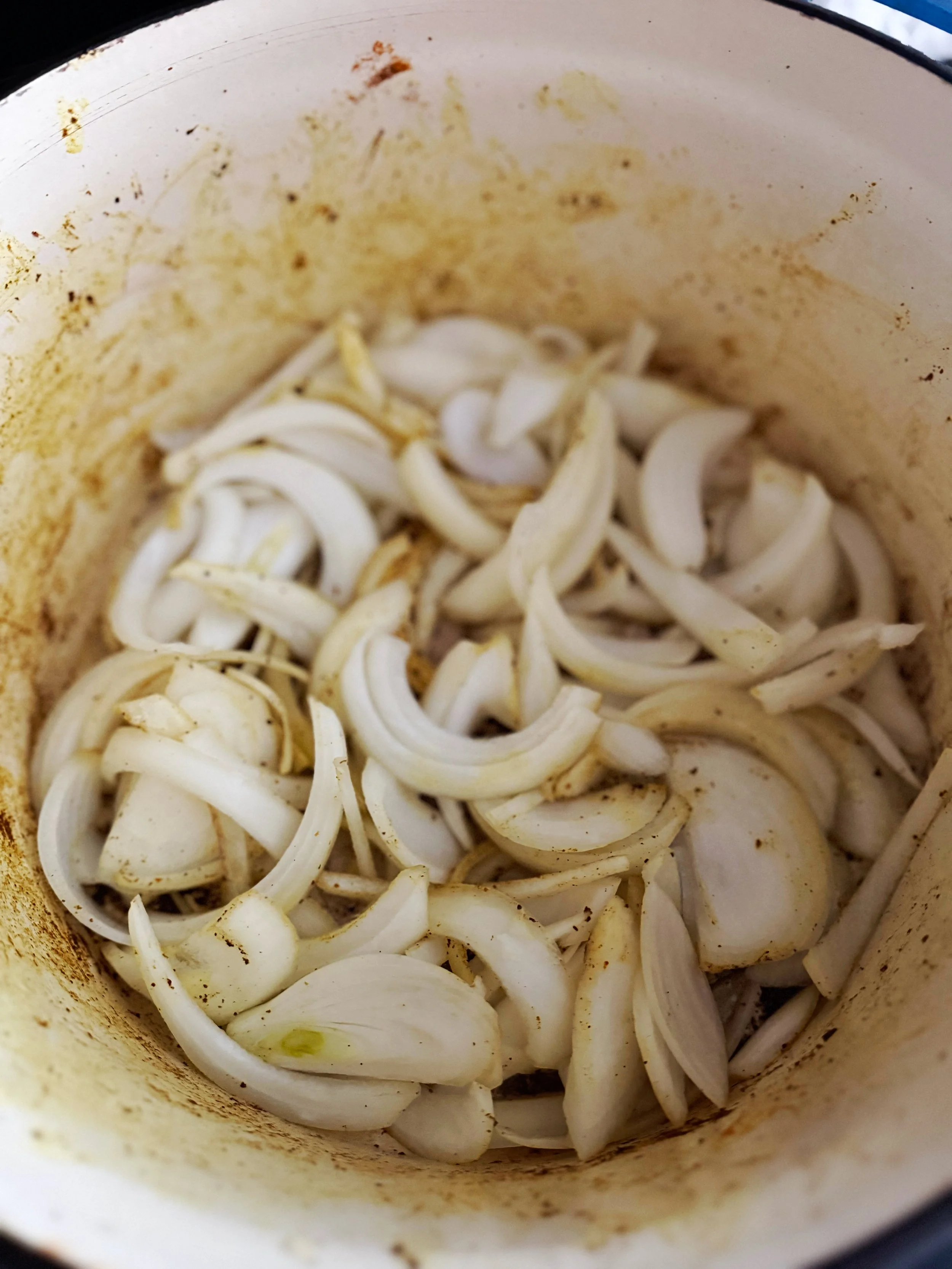
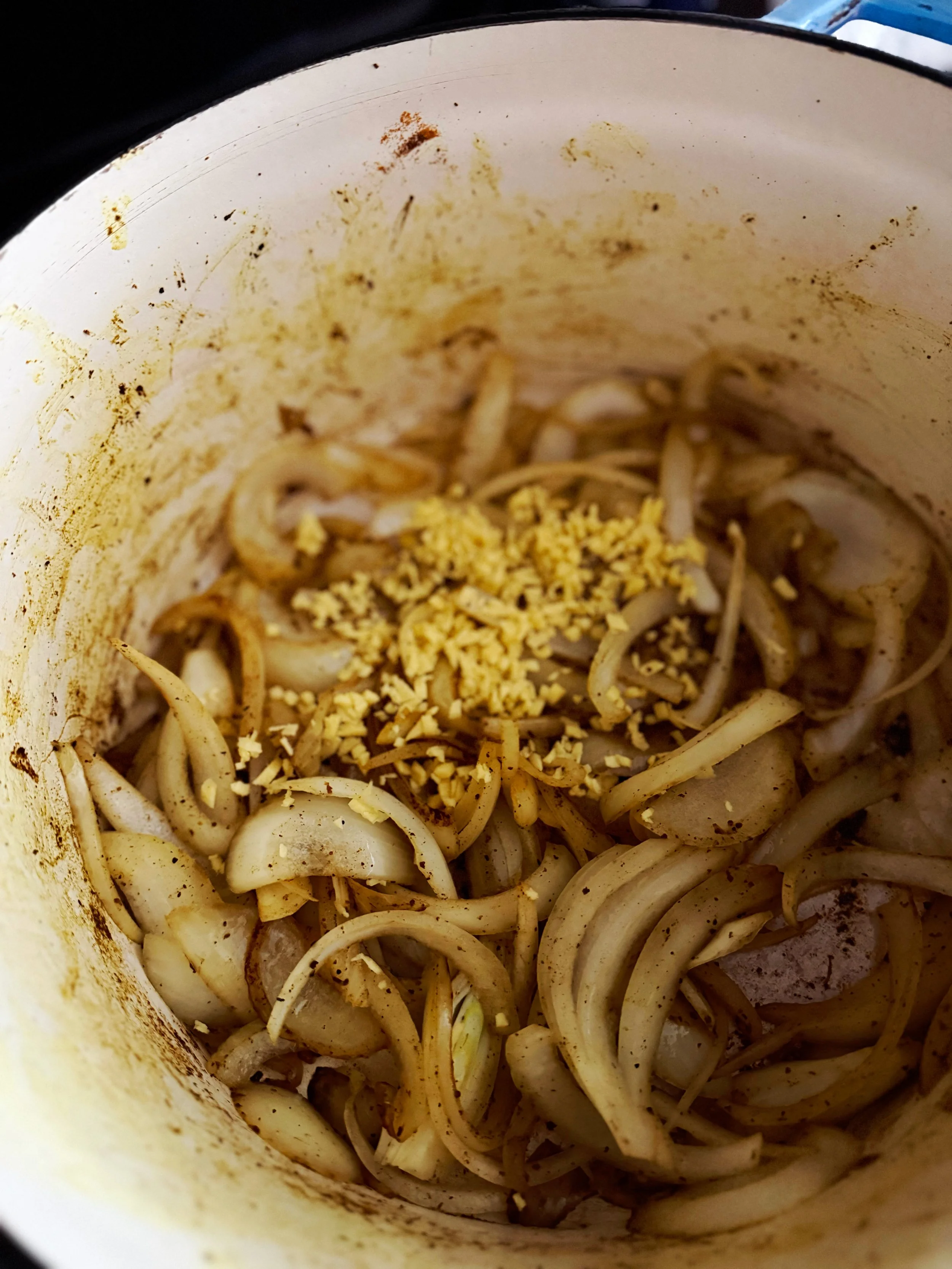
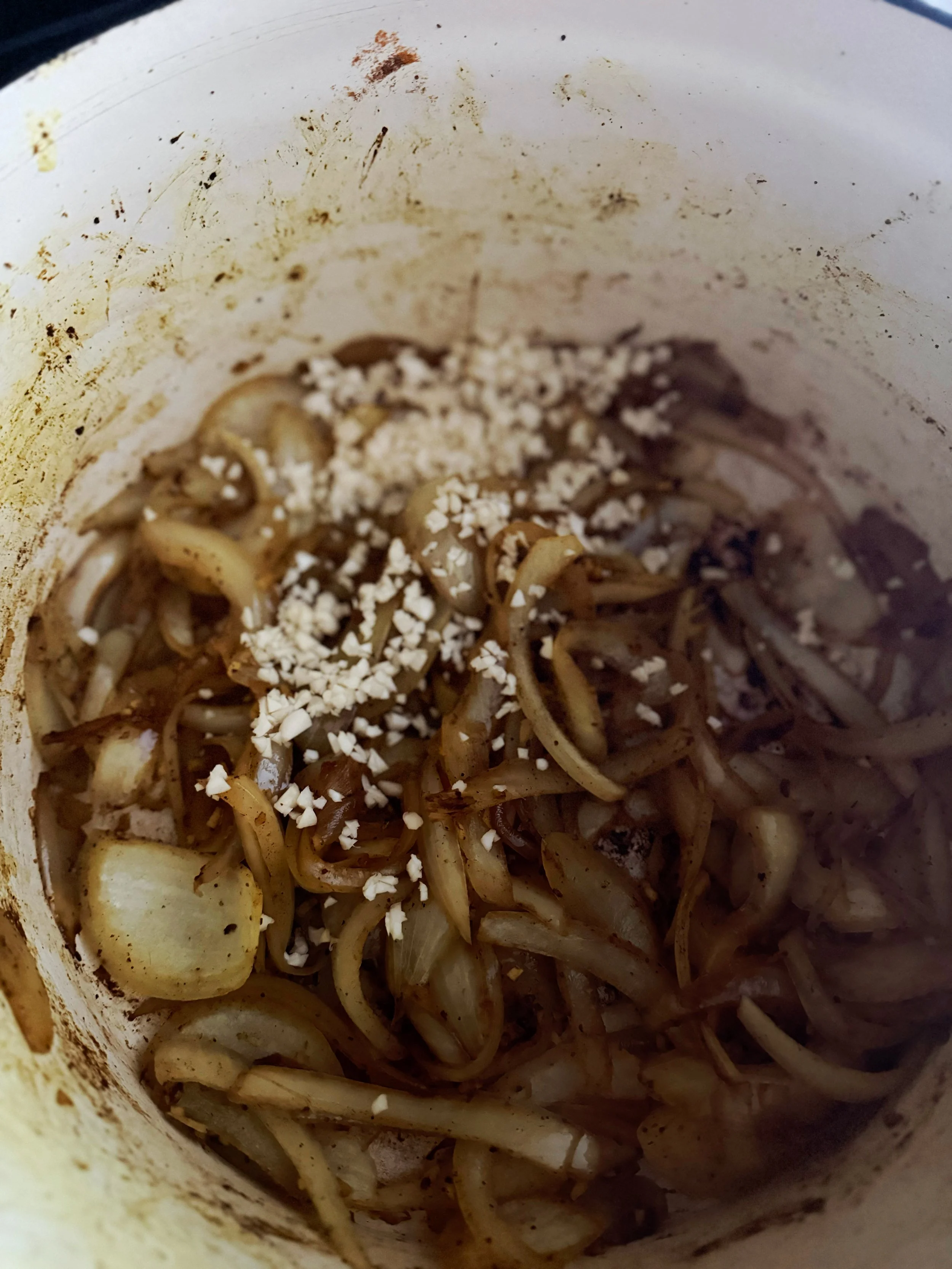
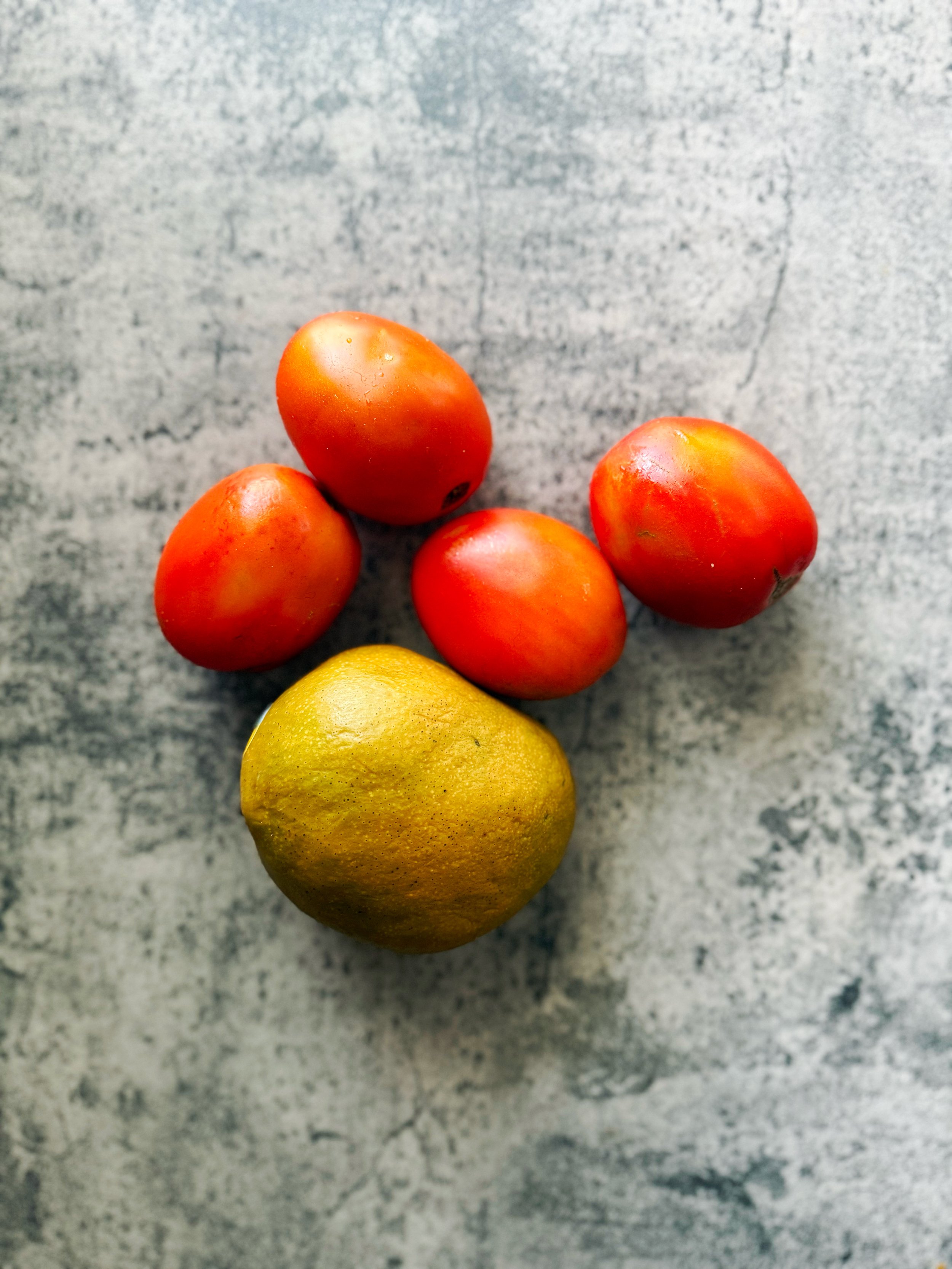
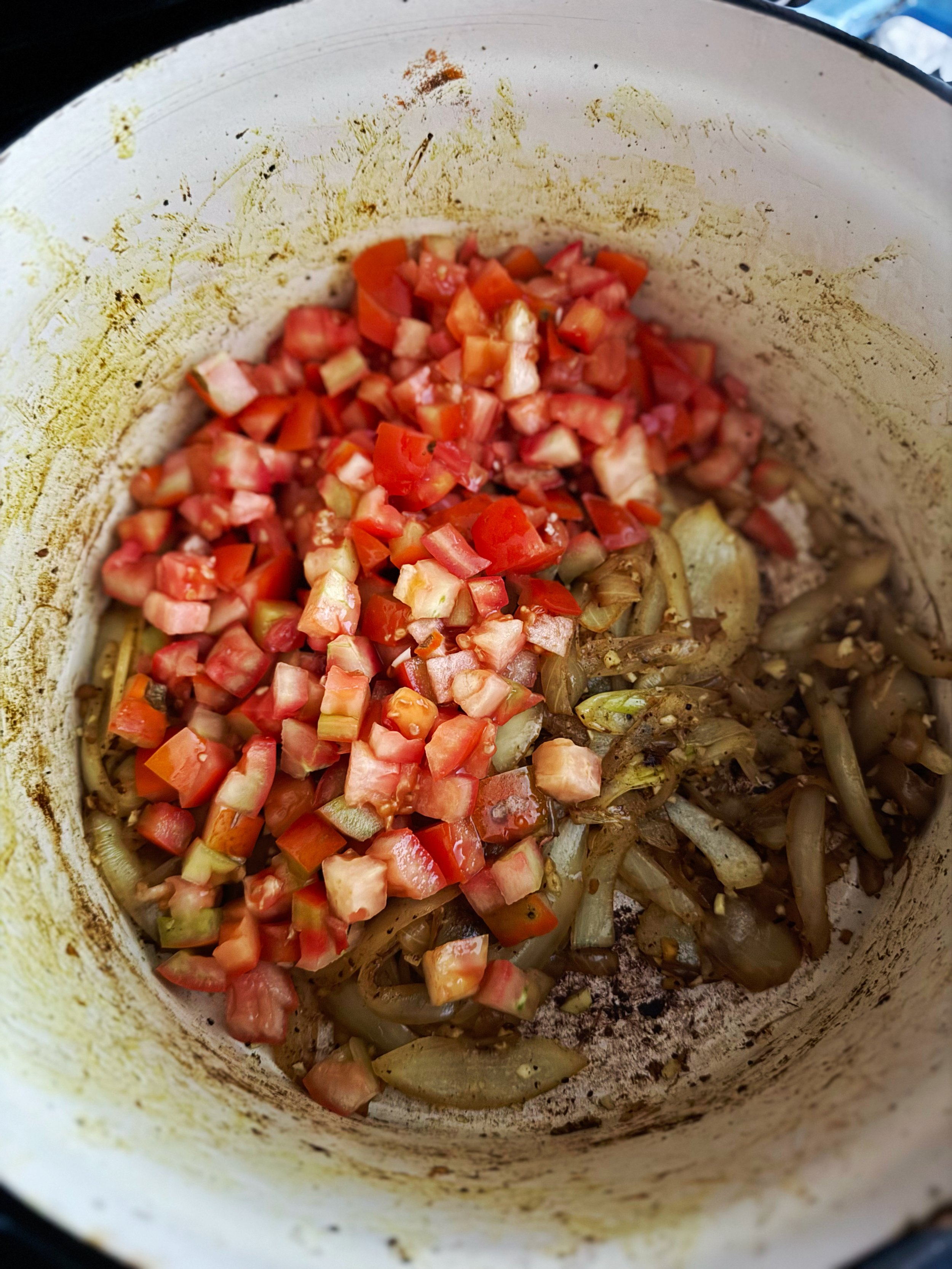
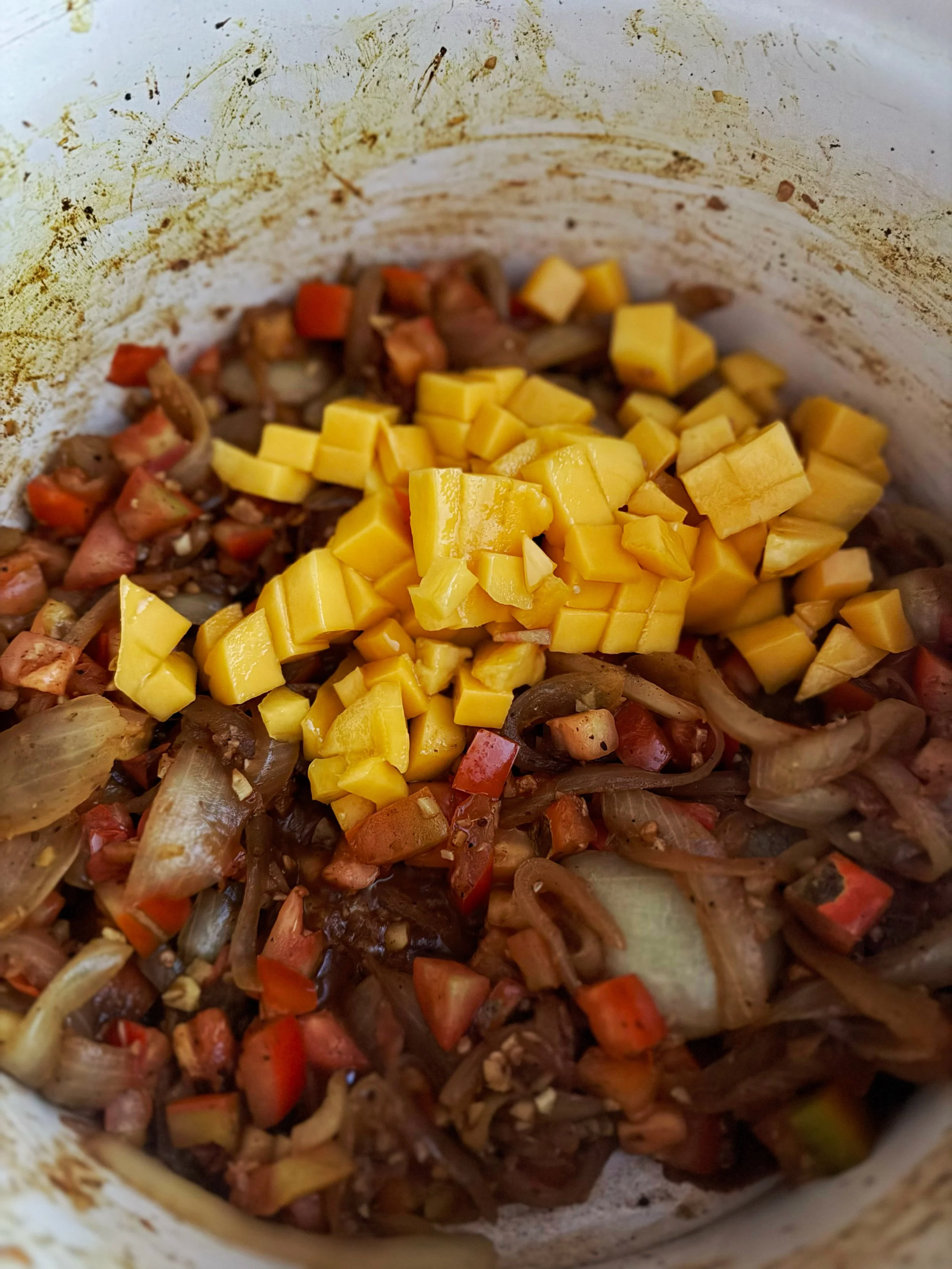
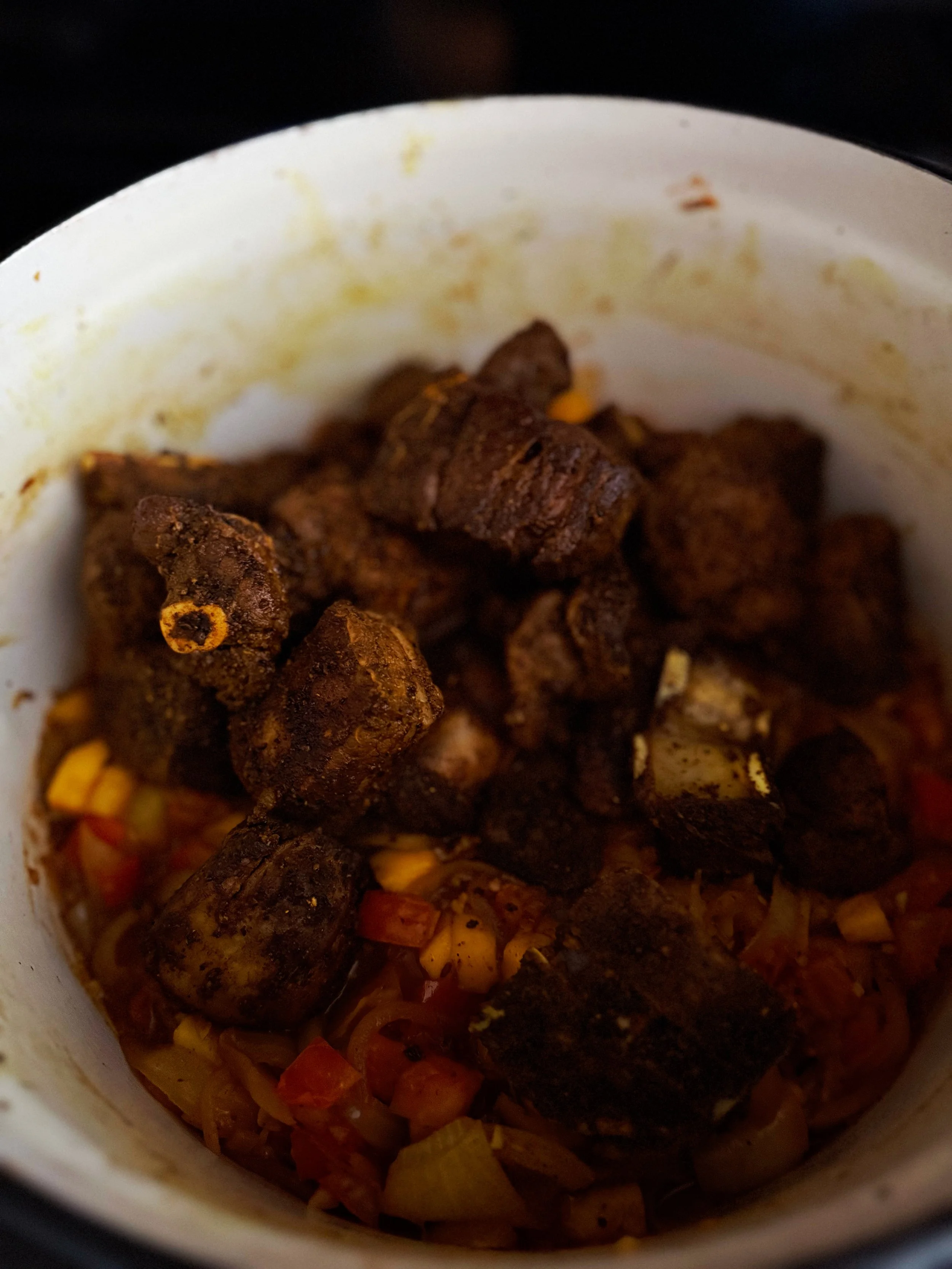
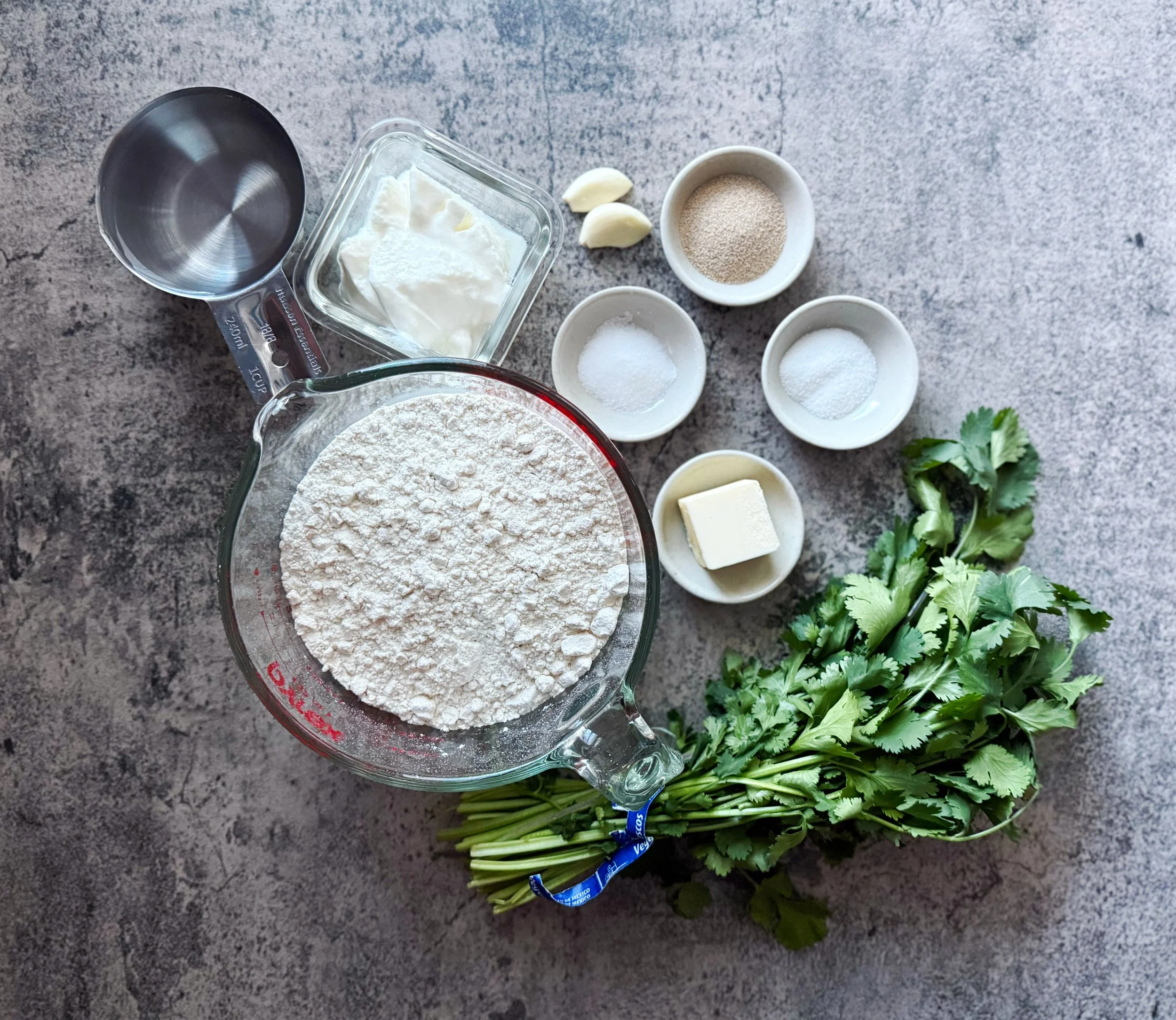
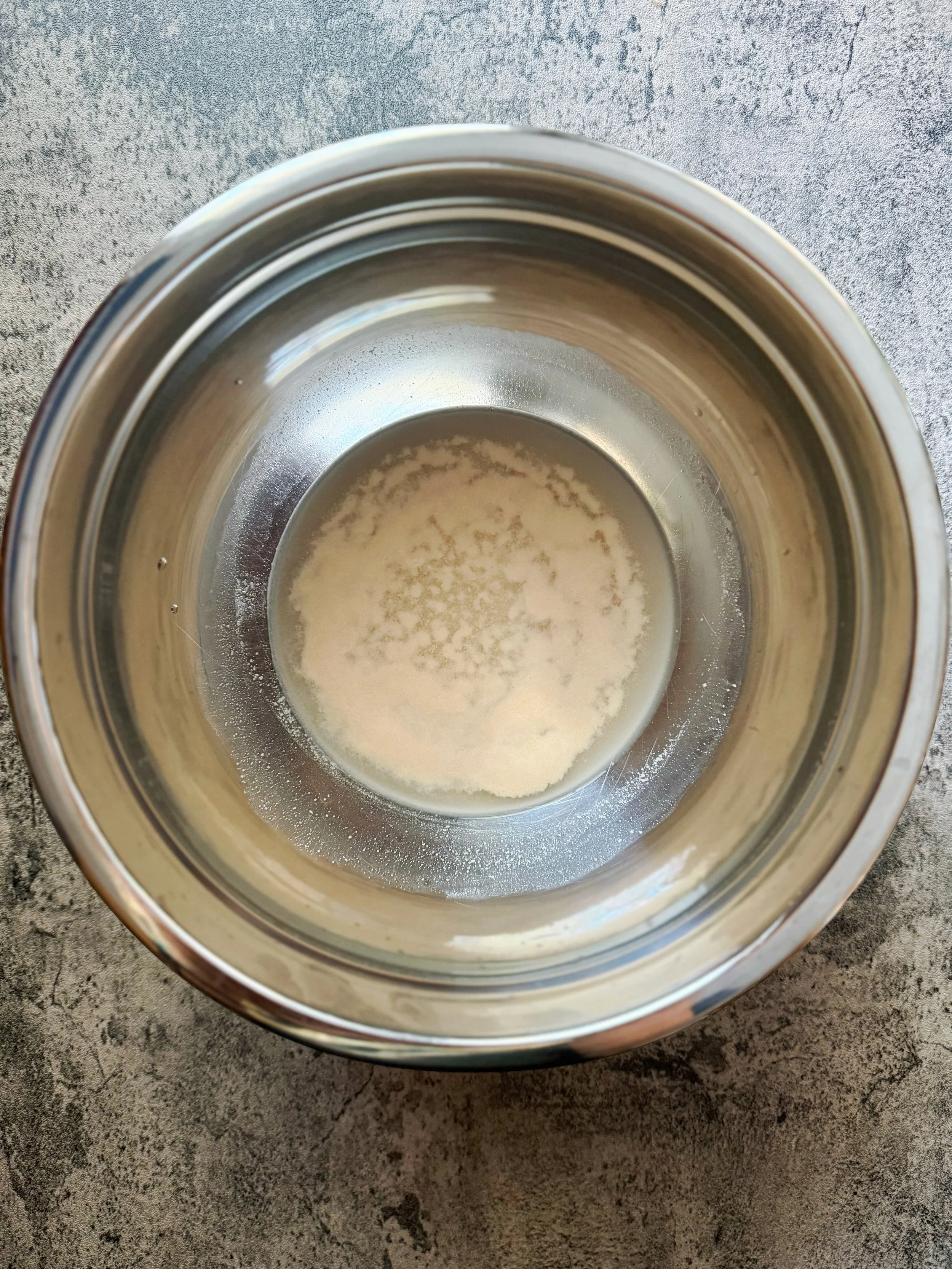
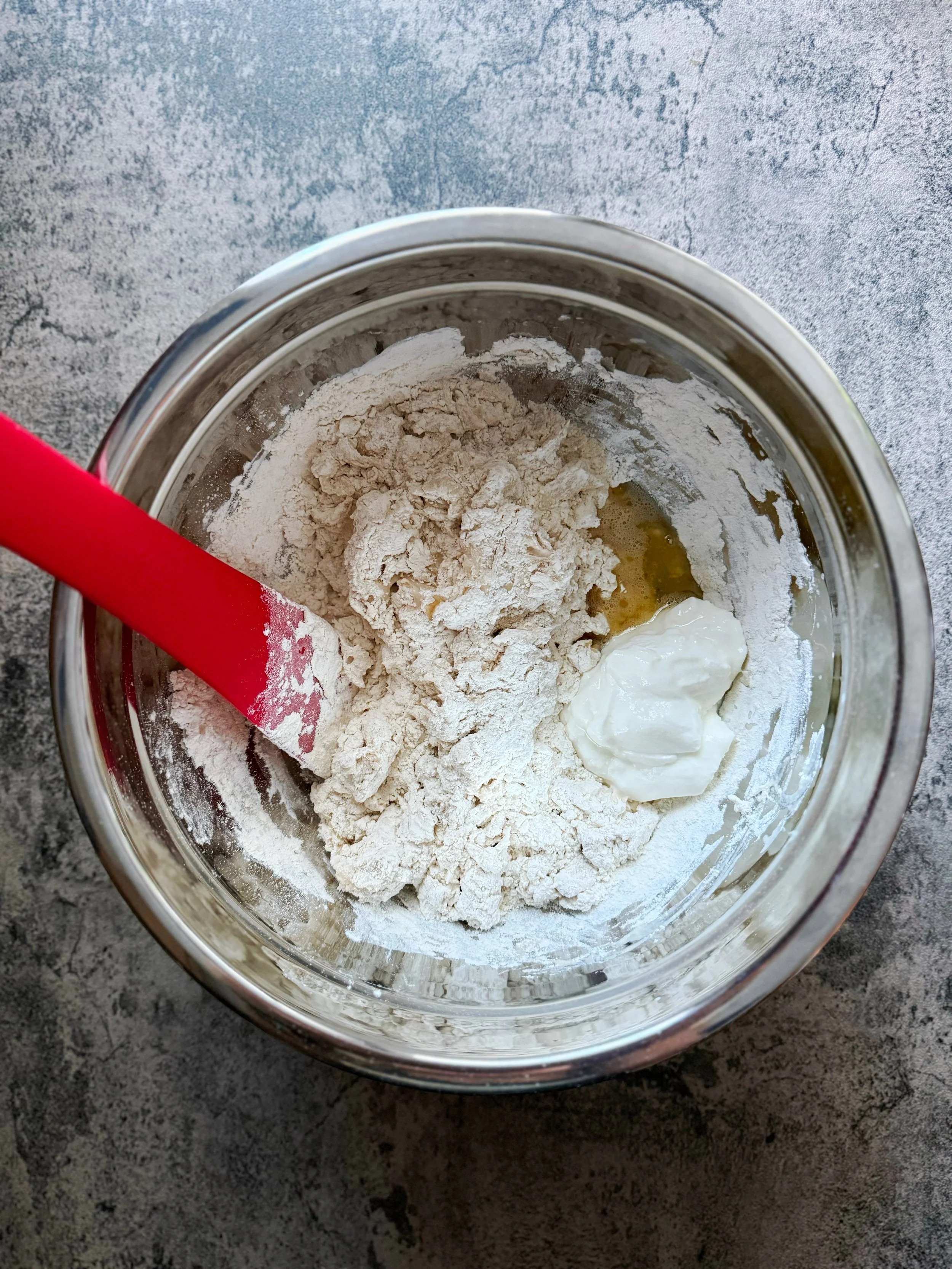
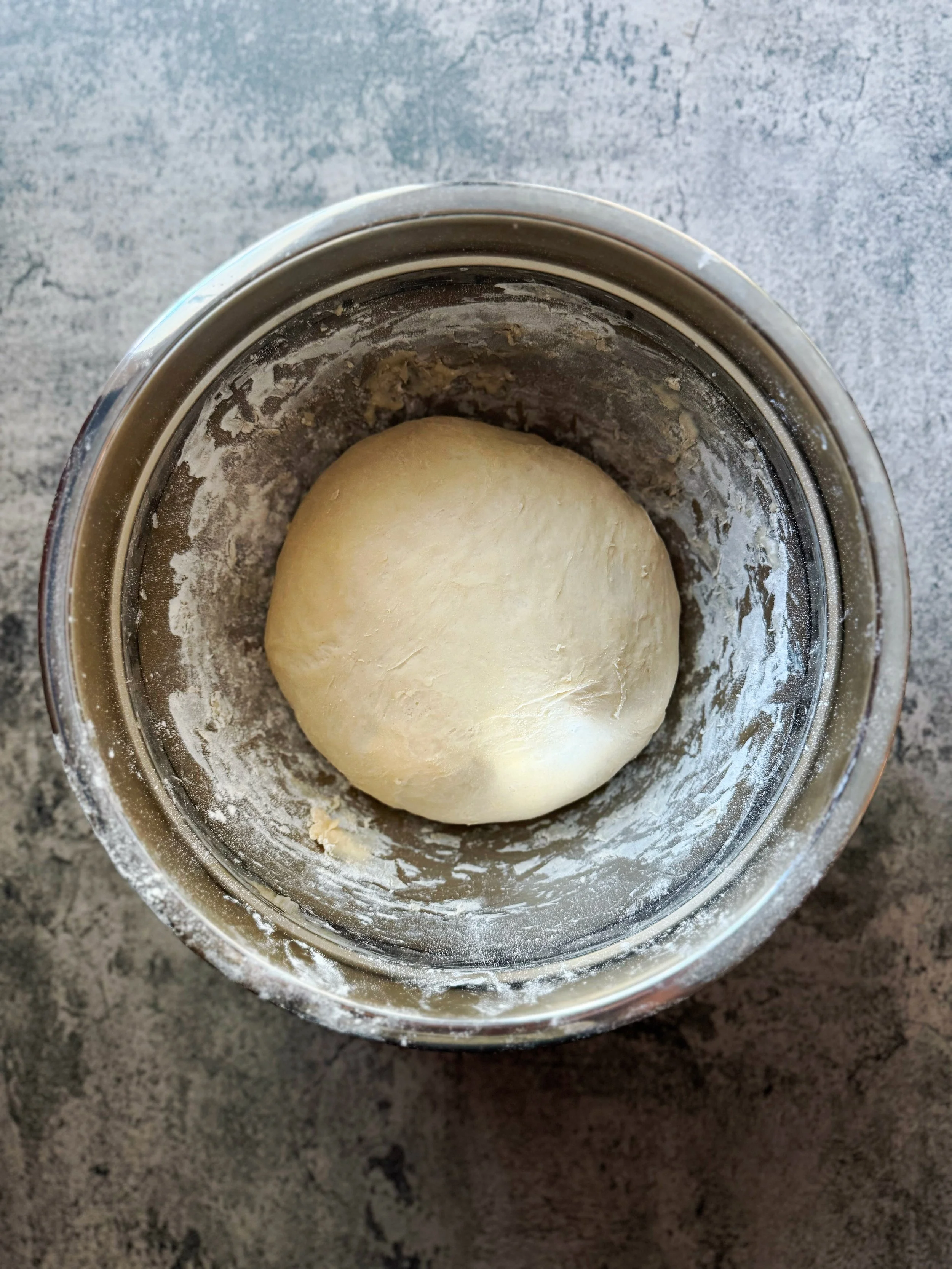
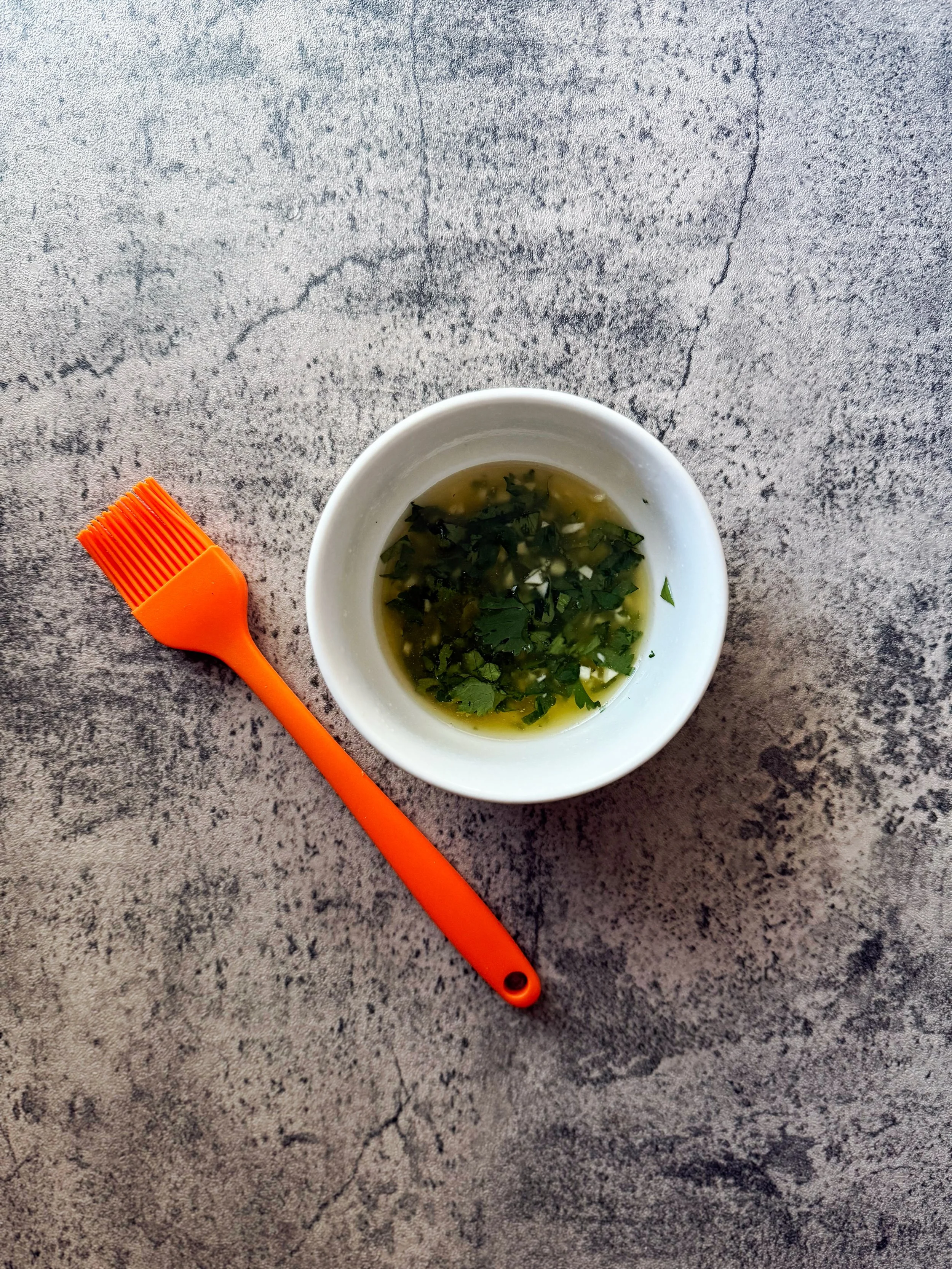
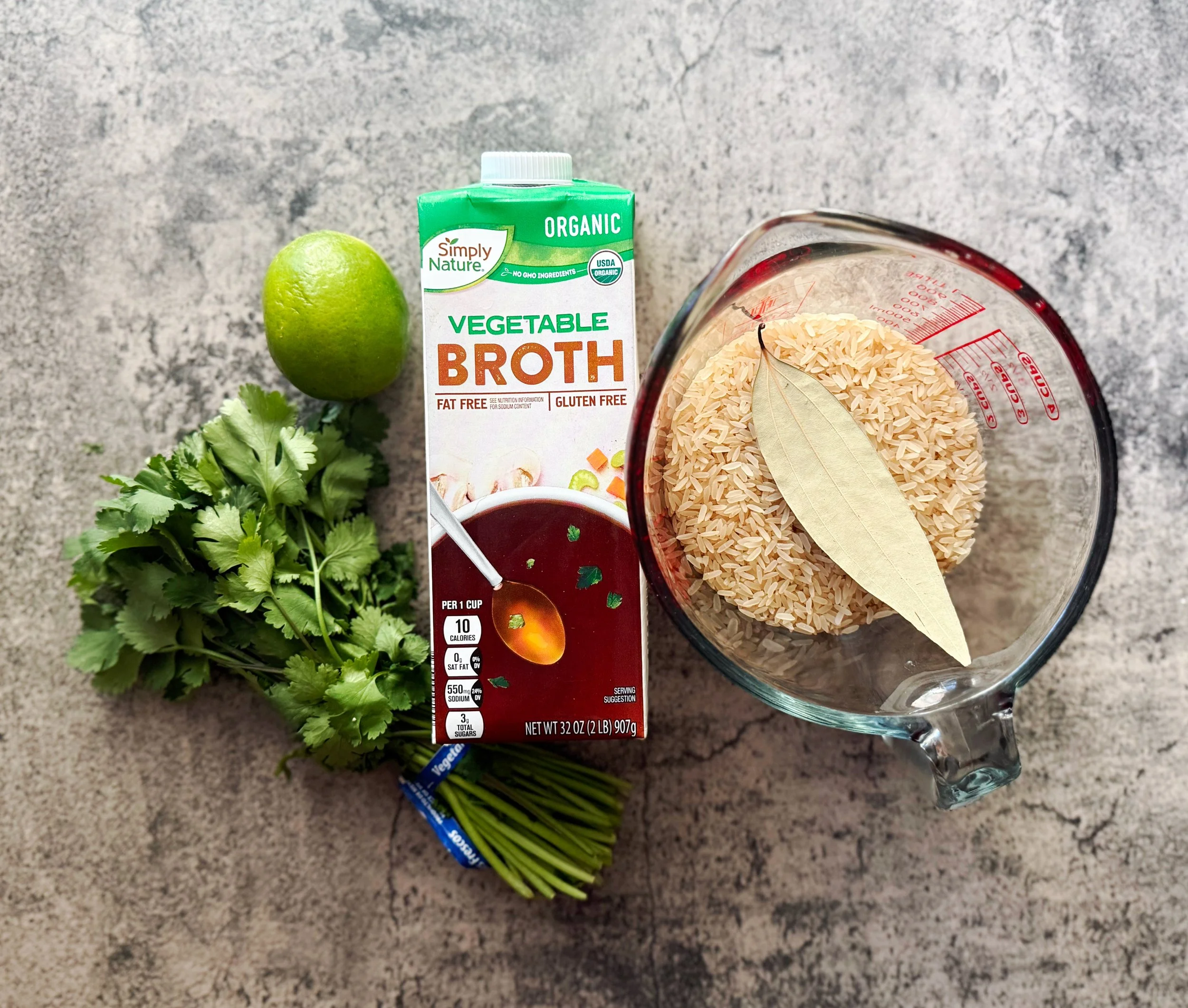
First season the goat meat. Ground 1 tbsp whole cumin seed and 1 tbsp whole coriander seed, then mix with 1 tbsp Jamaican curry powder, 1 tsp turmeric, 1/3 tsp Sichuan chili powder, 1 tsp Garam Masala, and 1 tsp salt. Evenly coat the goat meat with the spice mix. In a large Dutch oven melt 1 tbsp butter and over medium heat brown the goat meat, then remove the meat and set aside. Without wiping the Dutch oven cook the sliced onions until softened. Stir in minced ginger and cook for about a minute until fragrant. Then stir in 6 cloves of minced garlic and cook for another minute until fragrant. Stir in the chopped tomatoes, once heated through add the chopped mango. Then stir in the browned goat meat. Once heated through add 4 cups vegetable broth and bring to simmer. Then stir in the coconut milk and one bay leaf. Simmer uncovered 2-3 hours. Meanwhile make the naan. In a large bowl mix 1 cup warm water, 1 tsp sugar, and 2 tsp yeast. Once the yeast blooms stir in 3 cups flour and 1 tsp salt, then add 2 tbsp melted butter and 3 tbsp plain yogurt. Knead until slightly sticky but elastic. If the dough is dry add a tiny amount of milk, if too sticky add a bit of flour. Rest for one hour in a warm spot until doubled in size. While the dough is rising prepare the raita. Firmly squeeze the grated cucumber with paper towels to remove excess liquid, then place in a medium bowl. Stir in 2 cups of plain yogurt, 1/2 tsp ground cumin, 1/2 cup chopped cilantro, and a squeeze of lemon juice. Mix until uniform, then season to taste with salt and pepper. Cover and refrigerate. Make the rice. Rinse the rice with cool water until the water runs clear. In a medium pot bring 4 cups of vegetable broth to boil, then stir in 2 cups of rice and a bay leaf. Cover and turn the heat to low. Cook for 18 minutes until all the liquid has been absorbed. Then fluff the rice and stir in fresh cilantro and a squeeze of lime juice. Finish the naan. Melt 2 tbsp butter in a small bowl and mix in 2 cloves minced garlic, chopped cilantro, and a pinch of salt. Set aside. Heat a cast iron skillet. Divide the dough into 8 even pieces. Over medium heat melt a little bit of butter on the skillet, then stretch the dough into a thin round/oval shape, and cook the dough rounds until golden. Once done brush the naan with the prepared herb butter. Finish the mango curry goat by stirring in 1/4 cup cream. Turn off heat and squeeze in lime juice to brighten the flavors. Check seasoning and add salt if needed. Serve the mango curry goat with the cilantro lime rice, with the naan and raita on the side. Garnish with fresh cilantro.
Tips
If you have a few extra minutes lightly toast the whole cumin and coriander seeds in a dry pan before grinding. This will make the curry more aromatic.
If you want pieces of mango in the finished curry stir it in during the last 30 minutes of cooking instead.
Taste before adding salt; broth spices, and coconut milk can vary in spiciness.
Naan should feel slightly tacky, not dry. Avoid adding too much flour while kneading or the bread can become too dense.
Squeeze cucumber well for raita. Removing excess liquid keeps the raita creamy instead of watery.
For a brighter, less rich curry skip the cream.
Finish with fresh lime; a squeeze of lime at the end brightens the entire dish and balances the richness.