
italian sausage lemon cream pasta
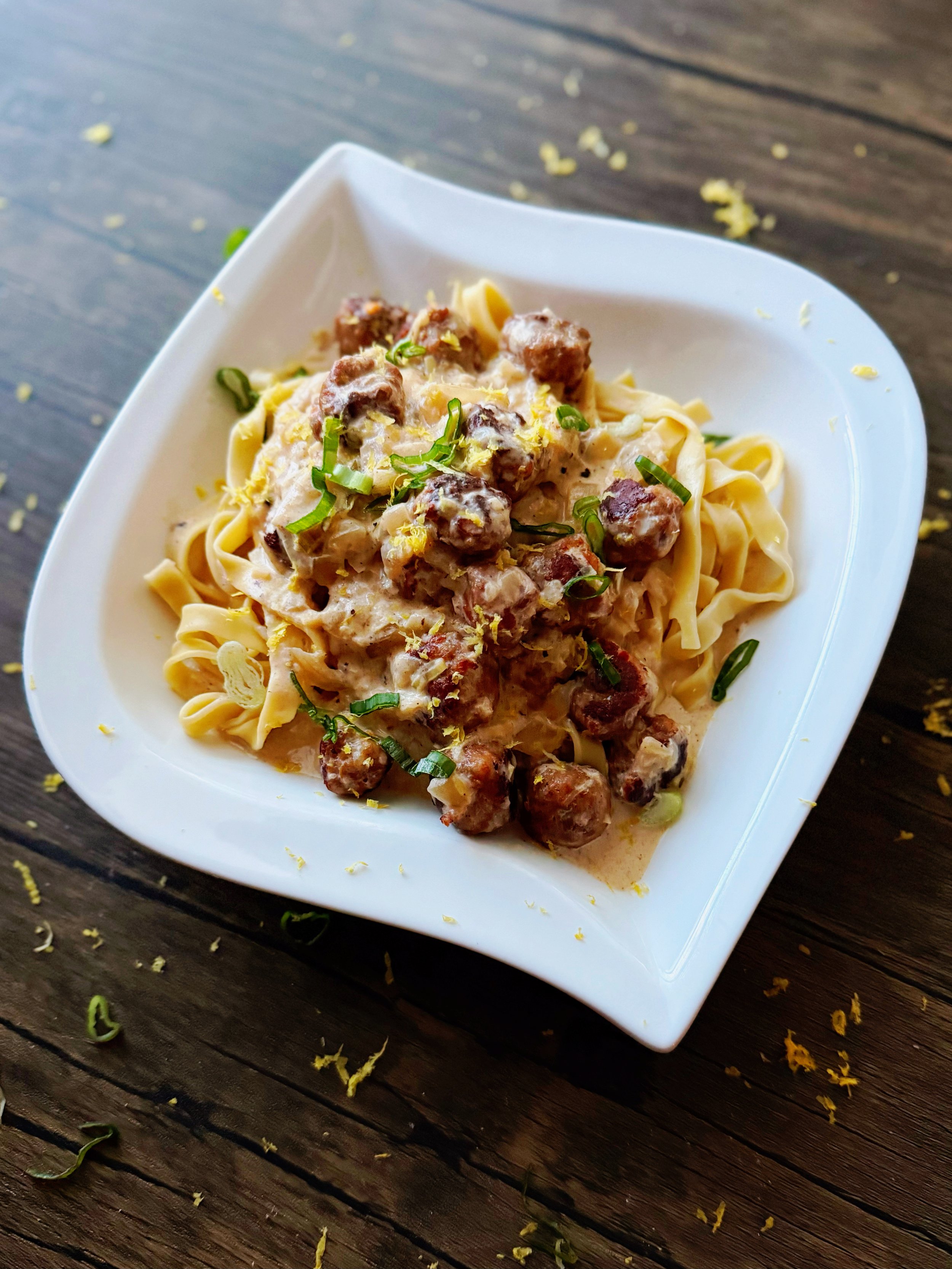
Most good pasta starts with structure, not complexity; flour, eggs, heat, fat, acid. Fresh fettuccine carries a lemon bright cream built from sausage drippings, softened onion, and goat cheese that melts just enough to sharpen the richness instead of weighing it down. Nothing here is flashy; it simply follows the logic that when ingredients are balanced well the dish almost builds itself.
Why making pasta from scratch makes a difference?
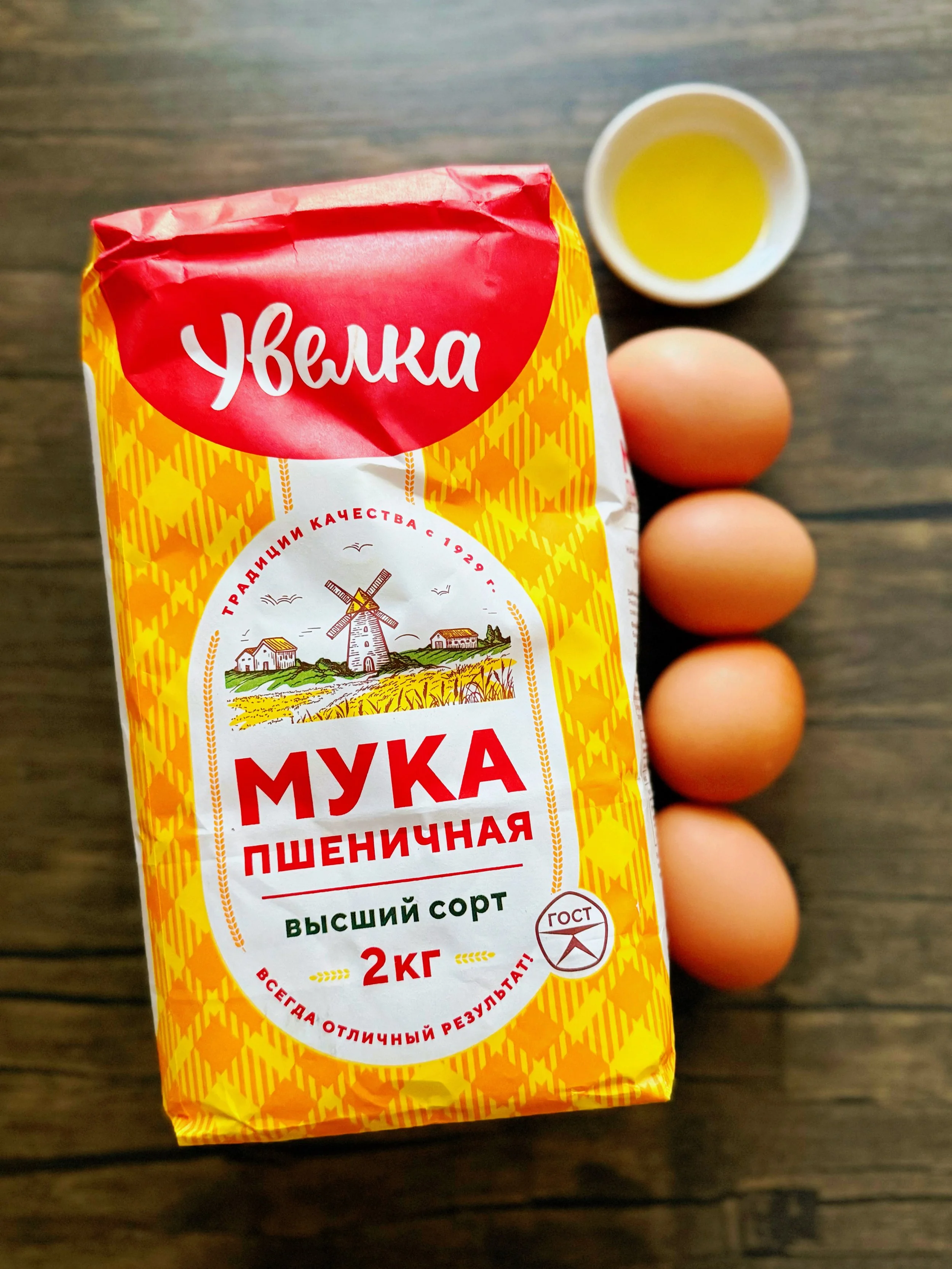
Making pasta from scratch changes the experience because you’re working with a living dough rather than a fully dried product. Fresh pasta contains more moisture and unoxidized fats from the eggs which gives it a softer bite, richer flavor, and a surface that absorbs rather than just carries. Historically fresh pasta evolved as a way to transform simple pantry ingredients into something more nourishing and cohesive; the kneading develops gluten structure, the resting relaxes it, and the quick cooking preserves a delicate texture you can’t replicate with boxed pasta.
What is the history of Italian sausage?
Italian sausage (or salsiccia) has roots going back to ancient Roman preservation traditions when salt, fat, and herbs were used to extend the life of fresh meat long before refrigeration existed. Rather than being one fixed recipe it evolved region by region depending on local agriculture and climate; with fennel forward, milder versions common in some areas and spicier chili laced styles emerging in southern Italy. The “Italian sausage” most familiar in todays American kitchens reflects these southern influences and immigrant adaptations, blending practicality with bold seasoning. At its core it represents a simple idea: transforming humble pork into something deeply flavorful and versatile.
What is the point of different pasta shapes?
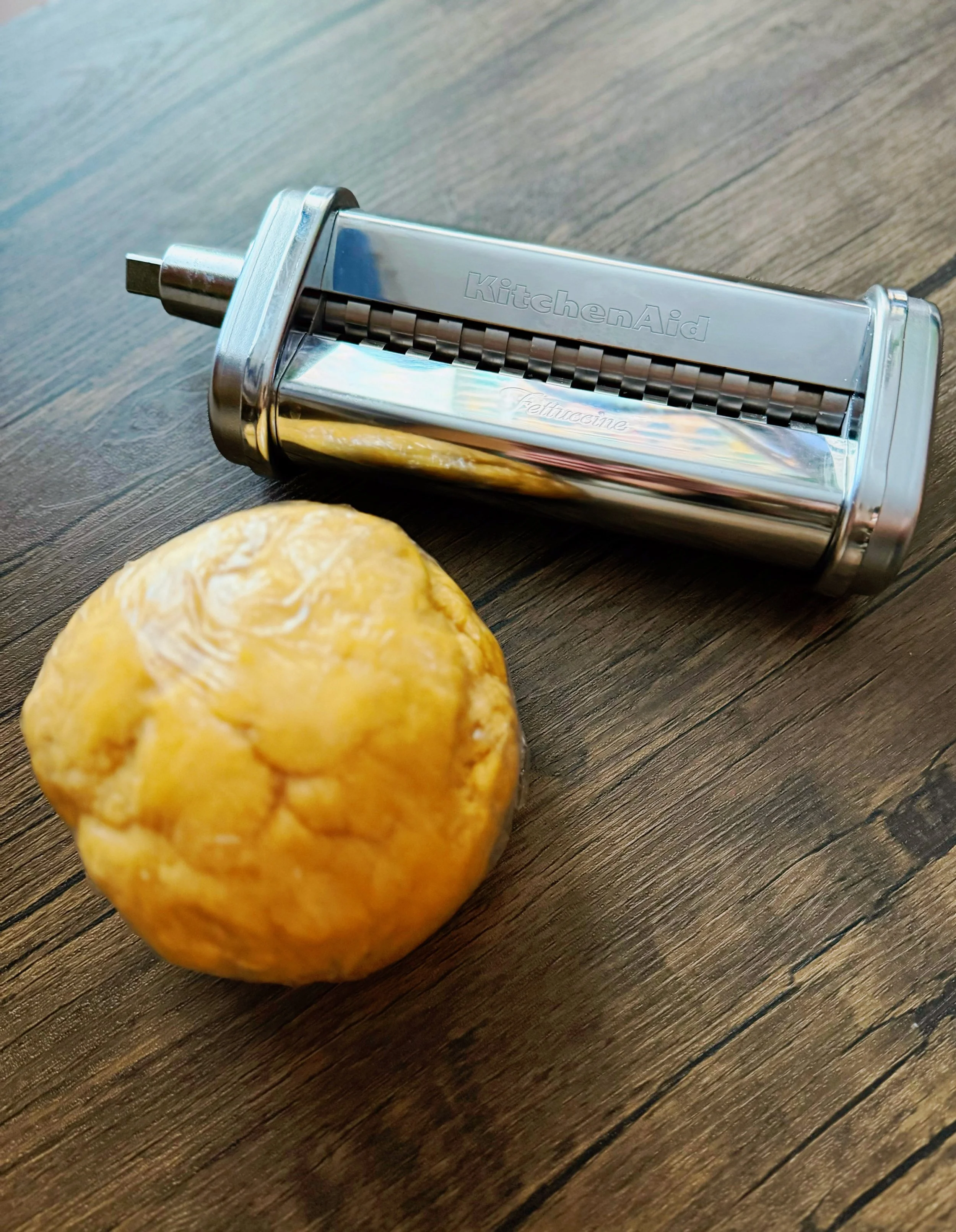
The point of different pasta shapes isn’t aesthetic; it’s structural. Each shape is designed to interact with sauce differently: long strands like fettuccine wrap and coat evenly, ridged tubes trap thicker sauces inside their grooves, and small shapes hold onto bits of meat or vegetables so every bite stays balanced. Historically shapes developed regionally based on the type of flour available, local tools, and the sauces common to that area. In other words pasta shape is engineering; it controls texture, sauce distribution, and the overall architecture of the dish rather than just how it looks on the plate.
How to make Italian sausage lemon cream pasta?
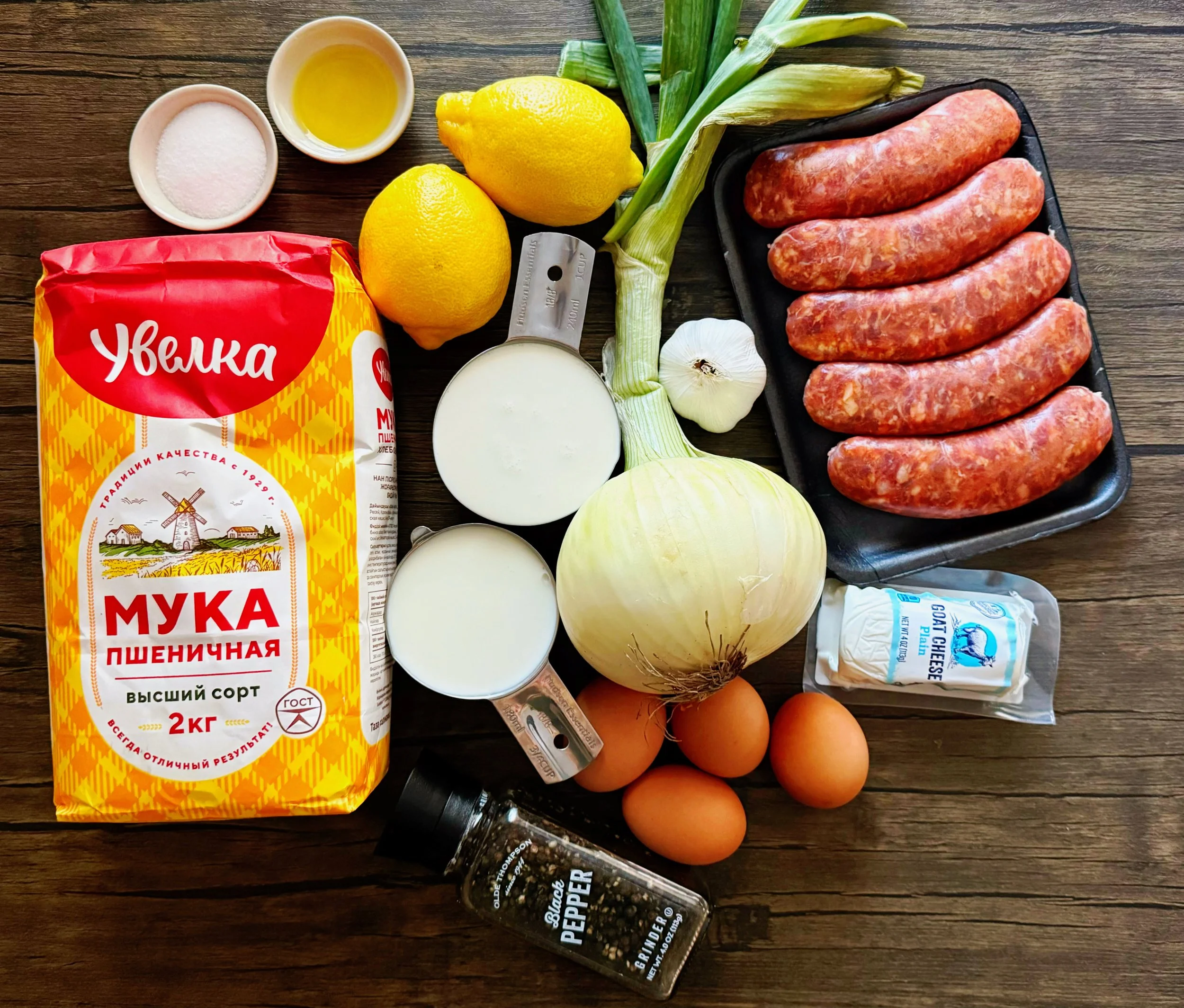
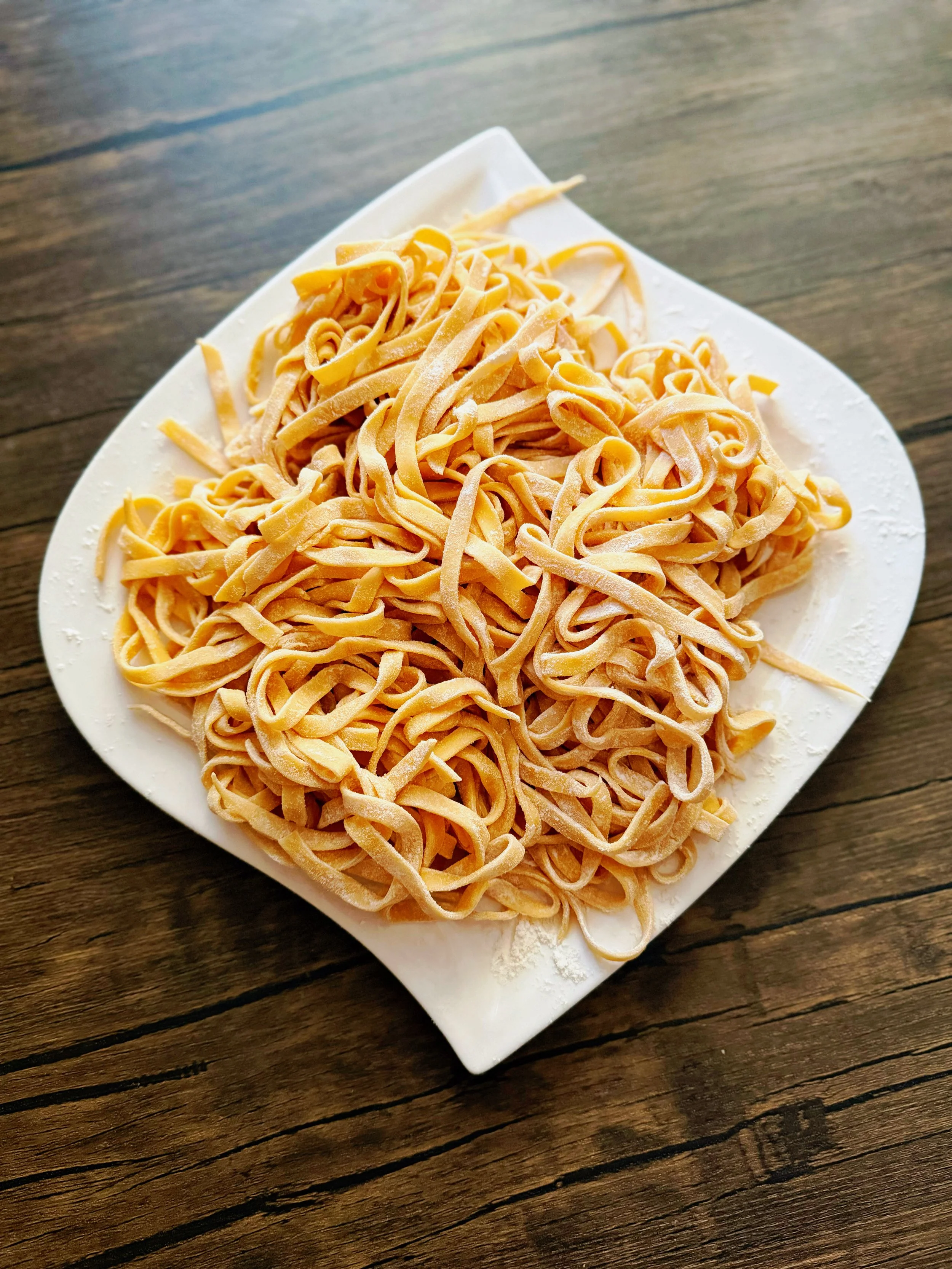
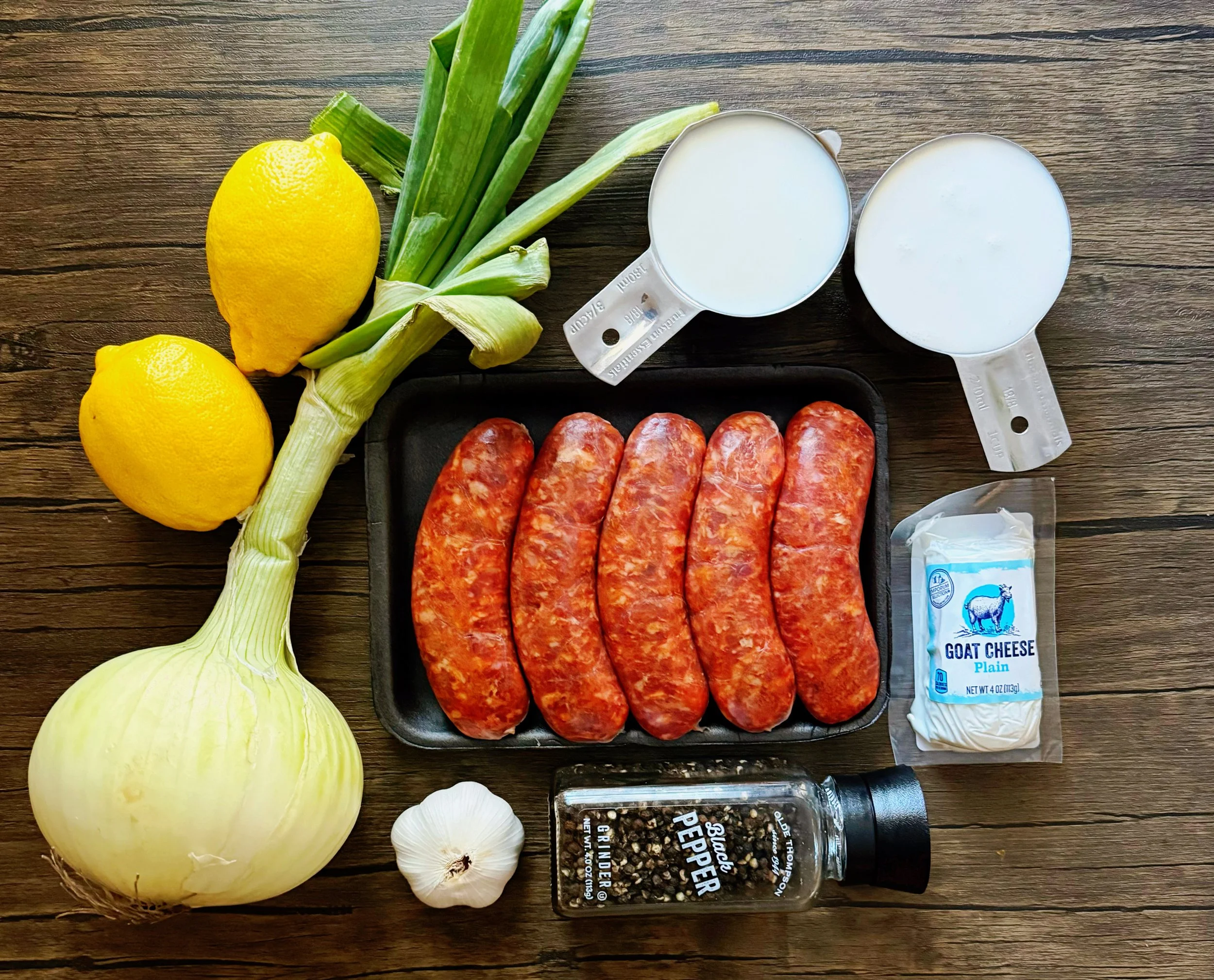
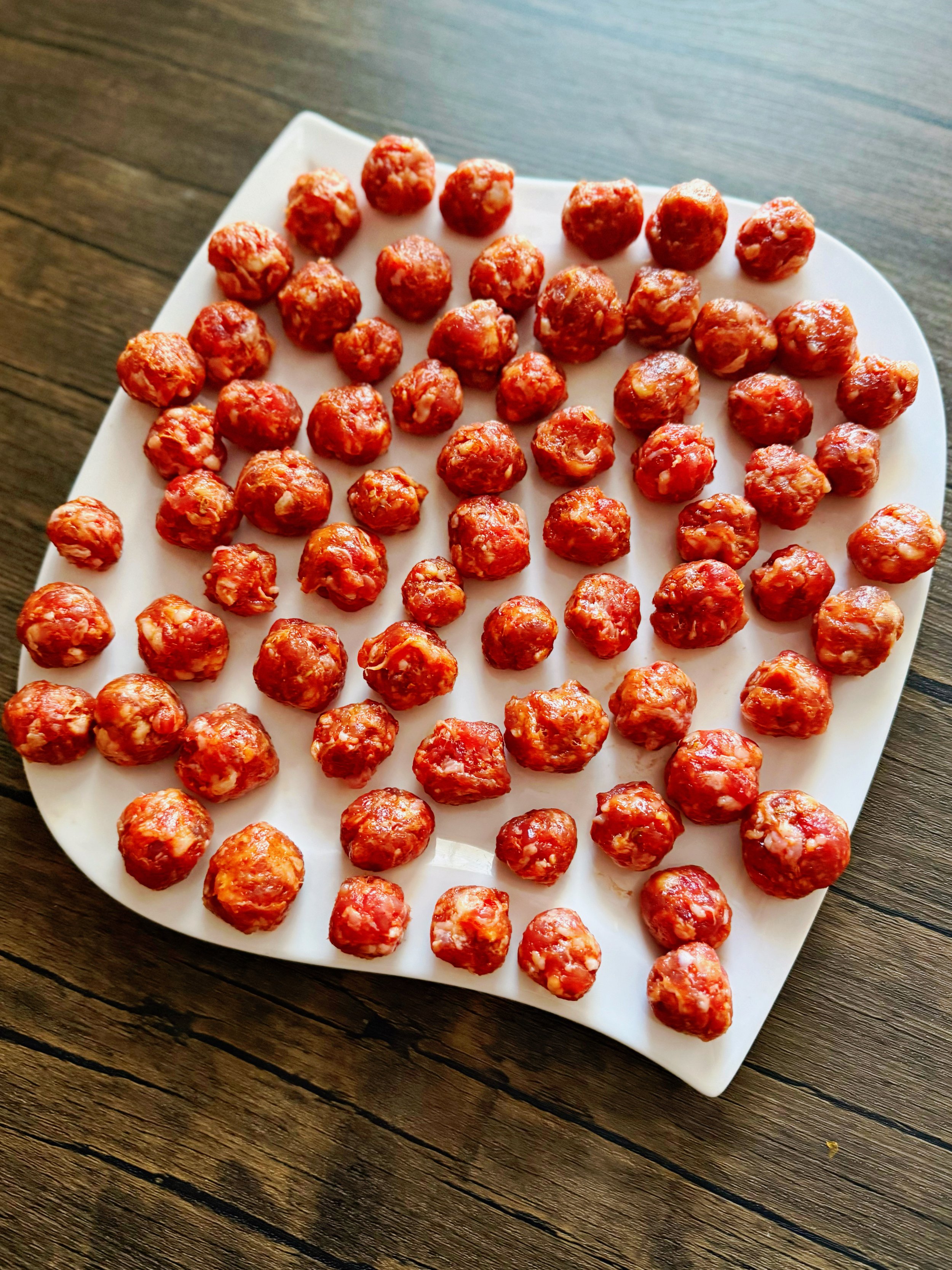
In a large bowl mix together 3 cups of wheat flour, 4 eggs + one yolk, 1 tsp olive oil, and a pinch of salt. Knead for about 8 minutes until smooth and firm, then form into a ball and wrap with cling wrap. Set aside. Form 1-1 1/2 lbs spicy Italian sausage into little balls. In a large saucepan over medium heat cook the meat balls in two batches until browned. Remove the meat balls and set aside. Without wiping the pan cook the chopped onions over medium low heat until tender. Stir in minced garlic cloves and half of the sliced stems and cook until fragrant. Then stir in the meat balls. Stir in 1 cup of heavy cream and 3/4 cup of whole milk, and bring to simmer. Turn the heat on low. Meanwhile roll the pasta dough out into thin sheets and cut into fettuccine and lightly dust with flour. Bring a large pot of salted water to boil. Season the cream sauce with lemon zest, salt, and pepper. Then stir in 4 oz goat cheese. Boil the fresh fettuccine for about 3 minutes. Reserve 1/4 cup of the pasta water and stir into the sauce. Then drain the pasta. To finish the sauce remove it from heat, then stir in lemon juice and check seasoning. Plate the fettuccine and Italian sausage cream sauce, then garnish with the extra sliced onion stem and lemon zest.
Tips
If the pasta dough is too sticky dust it lightly with flour.
If it feels dry/crackly wet your hands and knead briefly.
Roll thinner than you think; fresh pasta thickens slightly when it cooks.
Brown the sausage well to get the caramelization.
Too rich? Add lemon juice.
Too sharp? Add cream.
Flat? Pinch of salt.
Depth? Black pepper.
Recommended products to make this recipe
*This page contains affiliate links. If you choose to purchase after clicking a link, I may receive a commission at no extra cost to you.

