
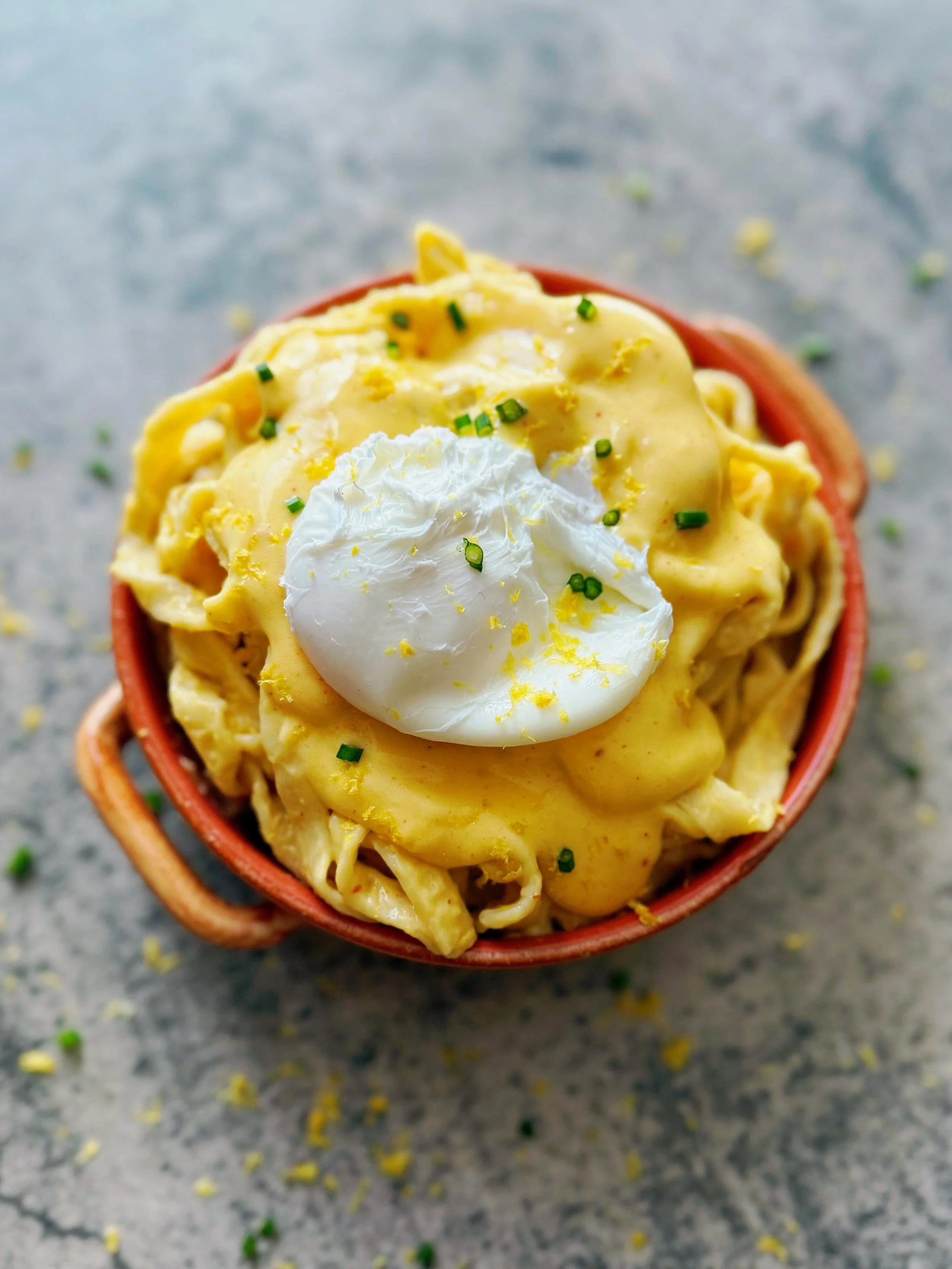
hollandaise fettuccine
Fresh pasta, a barely held together hollandaise, and soft poached eggs: this is one of those recipes where everything is simple on paper but depends on timing and attention. This pasta dish is delicate, a little technical, and very worth getting right.
What are poached eggs?
Poached eggs are cooked gently in water: no shell, just dropped into a simmer until the whites set and the yolk stays soft. They show up in European cooking as early as the 17th-18th century especially in France where techniques around eggs became a whole category of their own. The idea was precision: control heat, control texture, get something delicate instead of fried. That’s where dishes like Eggs Benedict come from; eggs meant to sit on top of bread, vegetables, or meat and act like a sauce when they break. The trick hasn’t changed much; use fresh eggs (they hold their shape better), keep the water at simmer instead of fast boil, and a splash of vinegar helps the whites tighten faster. Spin the water if you want the tight, wrapped look but it’s optional; what matters is the timing. Around 1:30-2minutes gets that soft center that turns everything underneath it into something richer.
What are mother sauces?
Mother sauces are the foundation sauces of classical cooking; basic templates you build everything else from. The idea was formalized in 19th century France by Auguste Escoffier who simplified earlier systems into 5 core sauces: bechamel, veloute, espagnole, tomato, and hollandaise. Instead of memorizing endless recipes you learn these and branch out; add wine, herbs, stock, or reduction and you’ve created something new. Hollandaise is the outlier: no flour, no stock, just egg yolks, butter, and acid held together by technique alone. It’s less forgiving and more about control, which is why it made the list.
What is the history of hollandaise sauce?
Hollandaise sounds Dutch but it’s actually French. Early versions show up in 17th-18th century France as butter based emulsions served with vegetables and fish, originally called things like sauce isigny (after a Normandy region known for good butter). The name “hollandaise” likely stuck later, possibly referencing Dutch butter imports during shortages. What mattered wasn’t the label, it was the technique: egg yolks + butter, + acid, held just below scrambling. If you get it right it’s like silk, if you miss it by a few degrees it breaks.
How to make breakfast fettuccine?
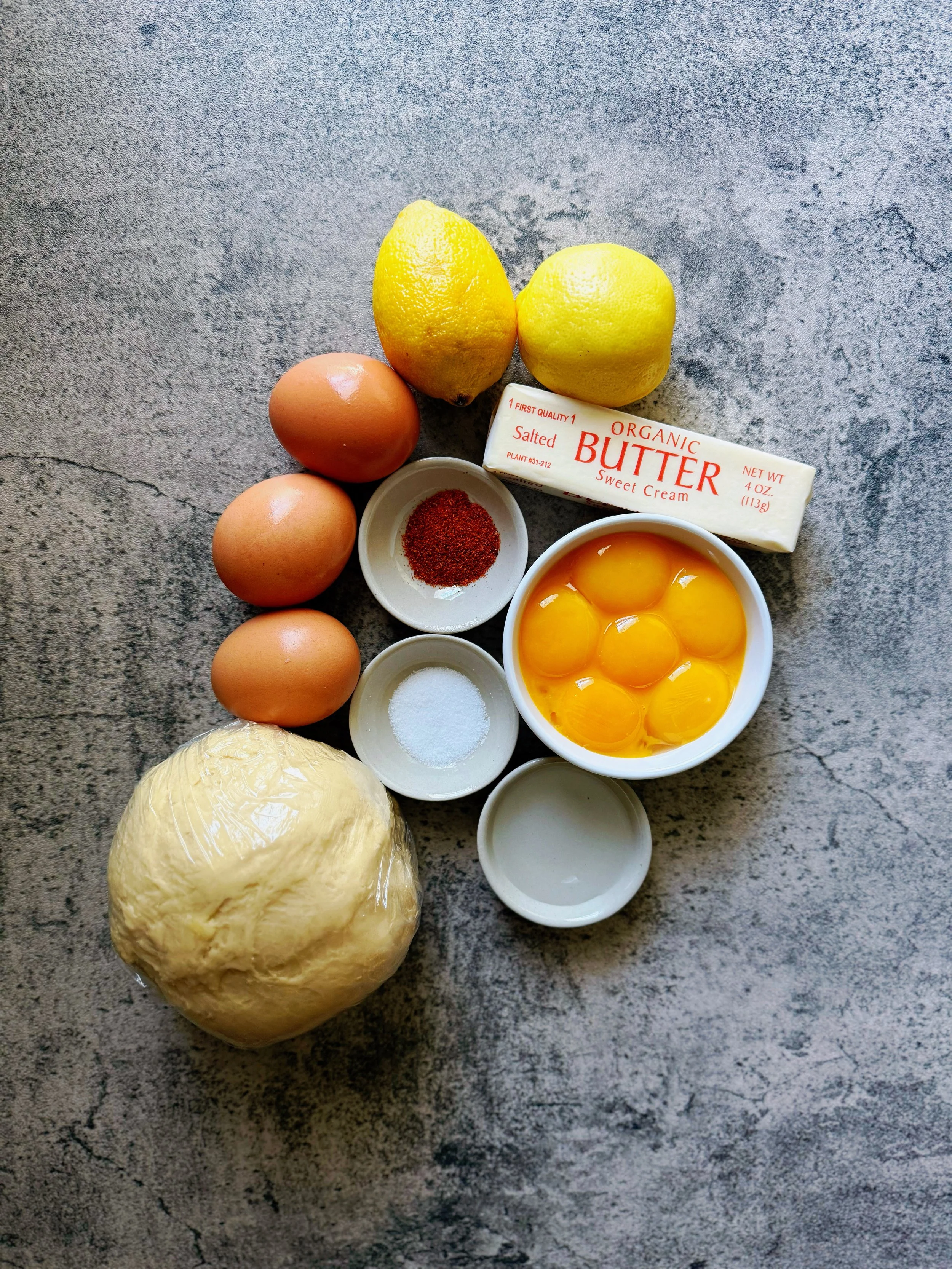
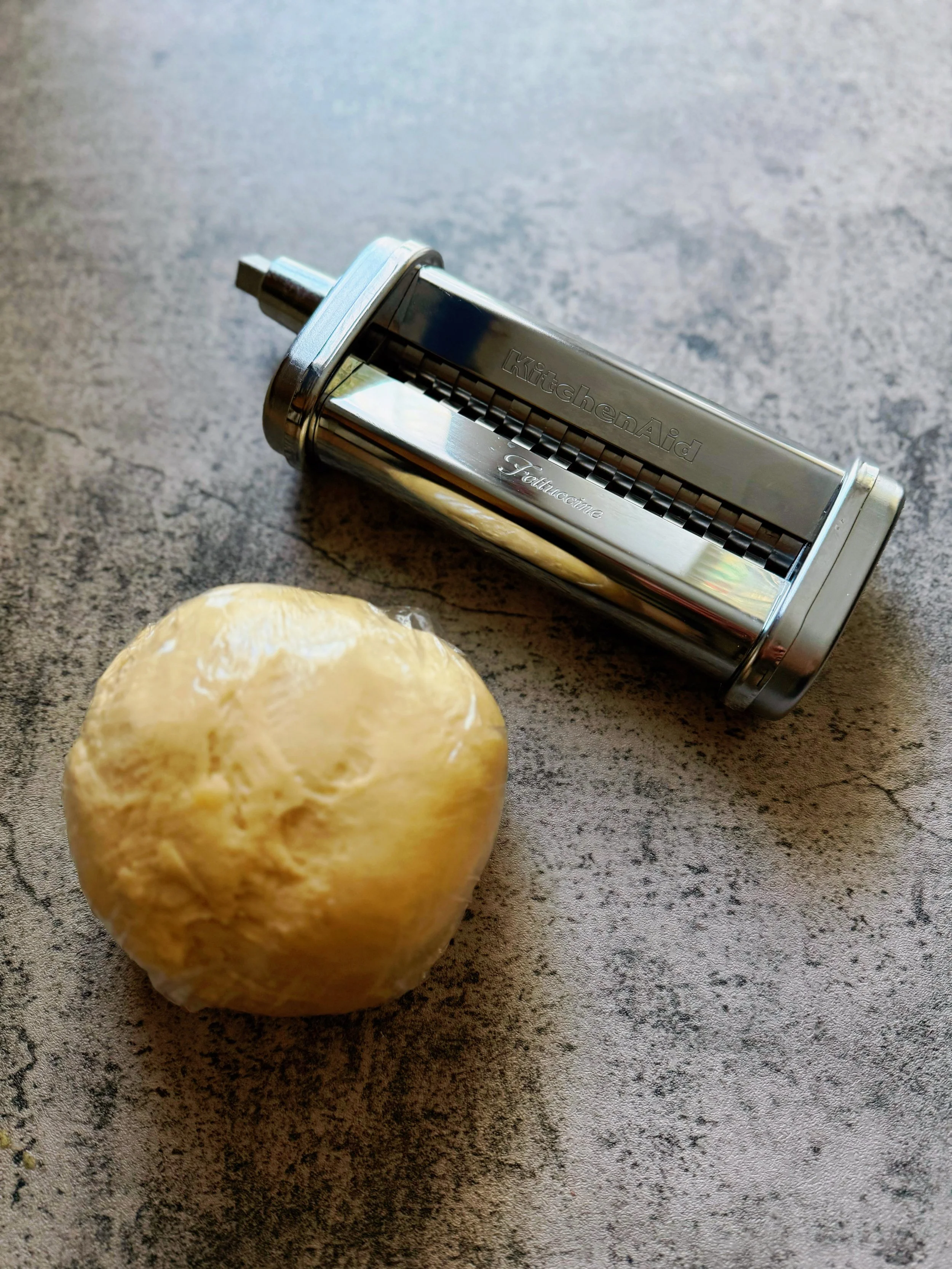
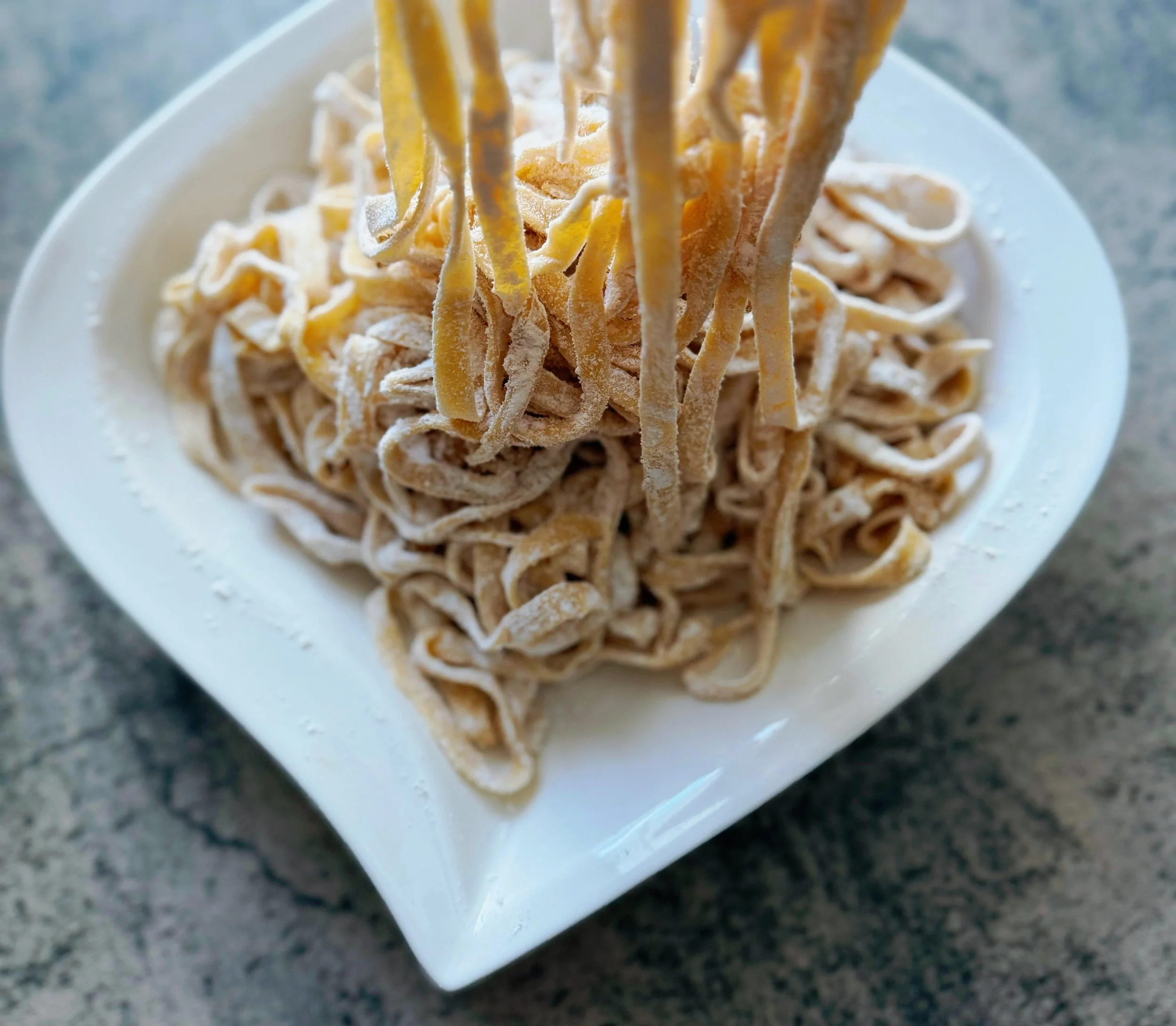
In a large bowl mix together 1 1/2 cups of wheat flour, 2 eggs + one yolk, 1/2 tsp olive oil, and a pinch of salt. Knead for about 8 minutes until smooth and firm, then form into a ball and wrap with cling wrap. Set aside. Start Hollandaise style sauce by bringing about 1” of water to simmer in a small pot. Whisk together 6 egg yolks and lemon juice in a medium glass bowl, set it over the pot (do not let the bowl touch the water), whisk rapidly until egg yolks have doubled in size. Then slowly drizzle in 1/2 cup melted butter while rapidly whisking until the sauce coats a spoon. Remove from heat and season with chili powder and salt. Cover and set aside. Bring a large pot of water to boil and add in vinegar. Lower the heat to medium. Working with one egg at a time, use a whisk to stir the water to create a current, crack in an egg, and poach it for about 1 minute 45 seconds. Remove with a slotted spoon. Roll the pasta dough out into thin sheets and cut into fettuccine and lightly dust with flour. Bring a large pot of water to boil and salt it. Boil the fresh fettuccine for about 3-4 minutes. Reserve 1/4 cup of the pasta water and gradually whisk into the sauce. Then drain the pasta and toss it in the sauce. Plate the fettuccine and make small cavities for the poached eggs. Carefully place the eggs and garnish with lemon zest and chives.
Tips
If the pasta dough is too sticky dust it lightly with flour.
If it feels dry/crackly wet your hands and knead briefly.
Knead dough until it pushes back: too soft now means mushy texture when cooked.
Roll thinner than you think; fresh pasta thickens slightly when it cooks.
Keep hollandaise heat low; too hot and it scrambles instantly.
Drizzle the pasta water in the sauce slowly while whisking to avoid breaking the sauce.
Toss the pasta right after draining so it actually coats.
Recommended products to make this recipe
*This page contains affiliate links. If you choose to purchase after clicking a link, I may receive a commission at no extra cost to you.

