
cocktail blinis
This is just a yeast batter you let sit and then cook into small rounds. Nothing complicated. They’re soft, slightly airy, and built to hold toppings without getting soggy. Smetana, caviar, smoked salmon… keep it simple or go all in. The base stays neutral so everything on top actually matters.
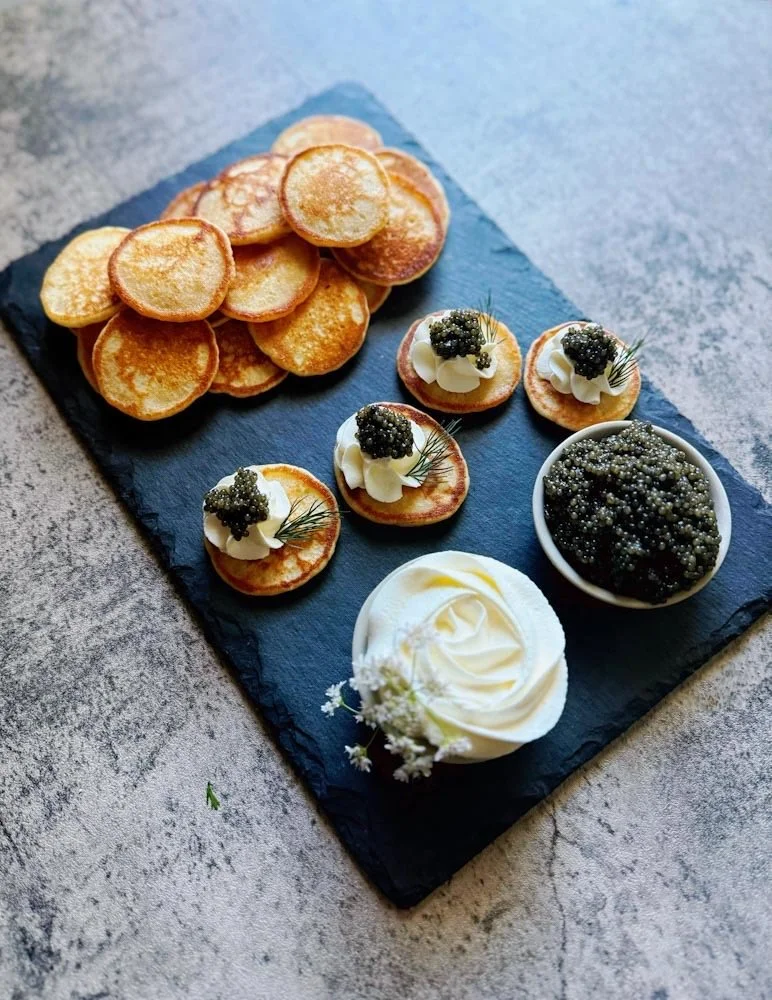
What is the history of blini?
Blini come out of Eastern Europe (especially Russia) where they started as a practical way to stretch grain into something filling and easy to cook on a hot surface. Early versions were made with buckwheat which was cheaper and more common than wheat giving them a darker color and slightly sour, earthy flavor. They were tied to Maslenitsa; a pre-Lenten festival marking the end of winter where stacks of blini symbolized the sun: round, golden, and tied to the return of light. Over time they shifted from ritual food to everyday staple. In imperial Russia they moved to elite dining getting smaller, lighter, and paired with expensive toppings like caviar and smoked fish. What started as survival food turned into a status symbol, but the structure stayed the same: thin, soft, and built to carry whatever you put on top.
What is Maslenitsa?
Maslenitsa is a week long Slavic festival that sits right before Lent in the Russian Orthodox Church calendar and it’s basically the last sanctioned stretch of excess before restriction kicks in. It blends older pagan sun rituals with Christian timing so you get this overlap of seasonal symbolism and religious structure. Dairy, butter, and eggs are still allowed during this week but meat is already off the table which is why blini dominate. The whole thing revolves around saying goodbye to winter and preparing for a period of restraint. Bonfires, sledding, public gatherings, and the burning of an effigy mark the shift into spring.
What is caviar?
Caviar is salted fish roe, traditionally from sturgeon harvested around the Caspian Sea and Black Sea. Fish eggs spoil fast so salting them made them transportable and shelf stable which mattered before refrigeration. In places like Russia and Persia it was common and widely eaten, not exclusive. The shift happened when sturgeon populations were over fished and supply tightened (especially in the 19th and 20th centuries) turning something once abundant into something expensive. At the same time European elites and later global fine dining attached status to it so the price and perception rose together. Technically ‘true’ caviar only refers to sturgeon roe while everything else (salmon, trout, etc) is just roe, even if it’s labeled differently in casual use. The process stays simple: clean, salt, sometimes lightly cure. The result is about texture as much as flavor: firm pearls that pop releasing a clean, briny fat.
What is yeast?
Yeast is a living microorganism, specifically a fungus that’s been used for thousands of years to transform simple ingredients into something structured and stable. It shows up early in places like Ancient Egypt where people didn’t understand the biology but figured out that leaving grain pastes or liquids to sit would make them rise or ferment. What’s actually happening is fermentation: yeast consumes sugars and produces carbon dioxide and alcohol as byproducts. In bread that gas gets trapped in the dough creating a lift and structure, in things like beer and wine the alcohol is the goal. Before commercial yeast existed people relied on wild strains floating in the air or maintained starter cultures which made results less predictable but more complex in flavor. By the 19th and early 20th centuries yeast was isolated and standardized turning it into a controlled ingredient instead of a variable. It’s small, invisible, and technically alive, but it’s responsible for some of the most fundamental textures in food.

Why small foods feel more expensive than large portions?
Small foods (like blini, canapes, etc.) feel more expensive because they concentrate labor, control, and presentation into smaller format; you’re paying for precision, not volume. Every element has to be proportioned correctly, cooked evenly, and assembled cleanly which increases handling time per bite compared to a large dish you can adjust as you go. Historically this style comes out of elite dining where food was served in multiple small courses to signal refinement, variety, and access to skilled labor. There’s also perception: smaller portions force slower eating and make each bite feel deliberate which reads as higher value even if ingredients are simple. Blini, canapes, and similar foods are built as carriers so the focus shifts to what’s on top (often something rare, preserved, or expensive) reinforcing the idea that the dish itself is elevated. The small size makes the effort and composition more visible which is what people actually associate with cost.
How to make cocktail blinis?
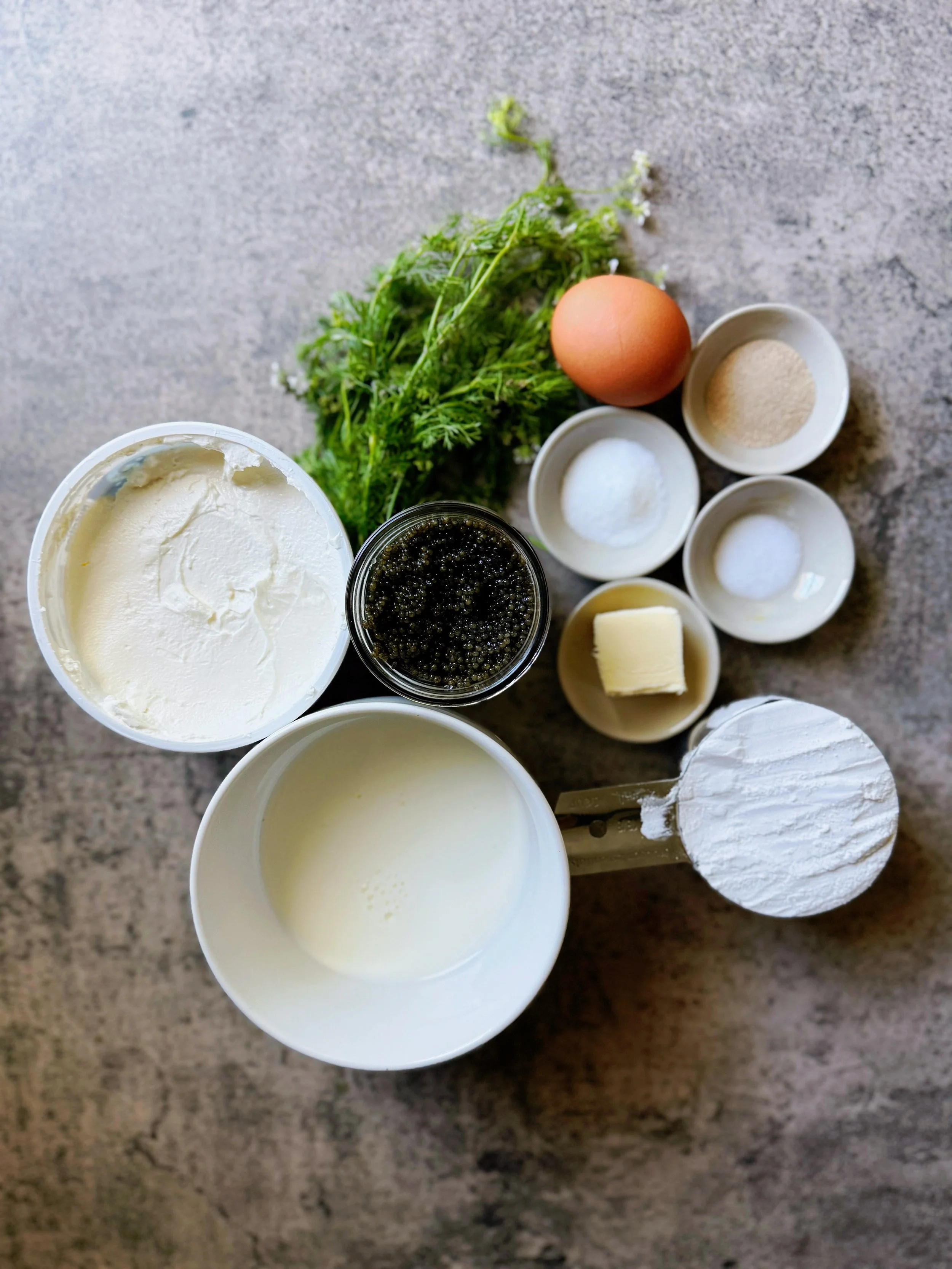
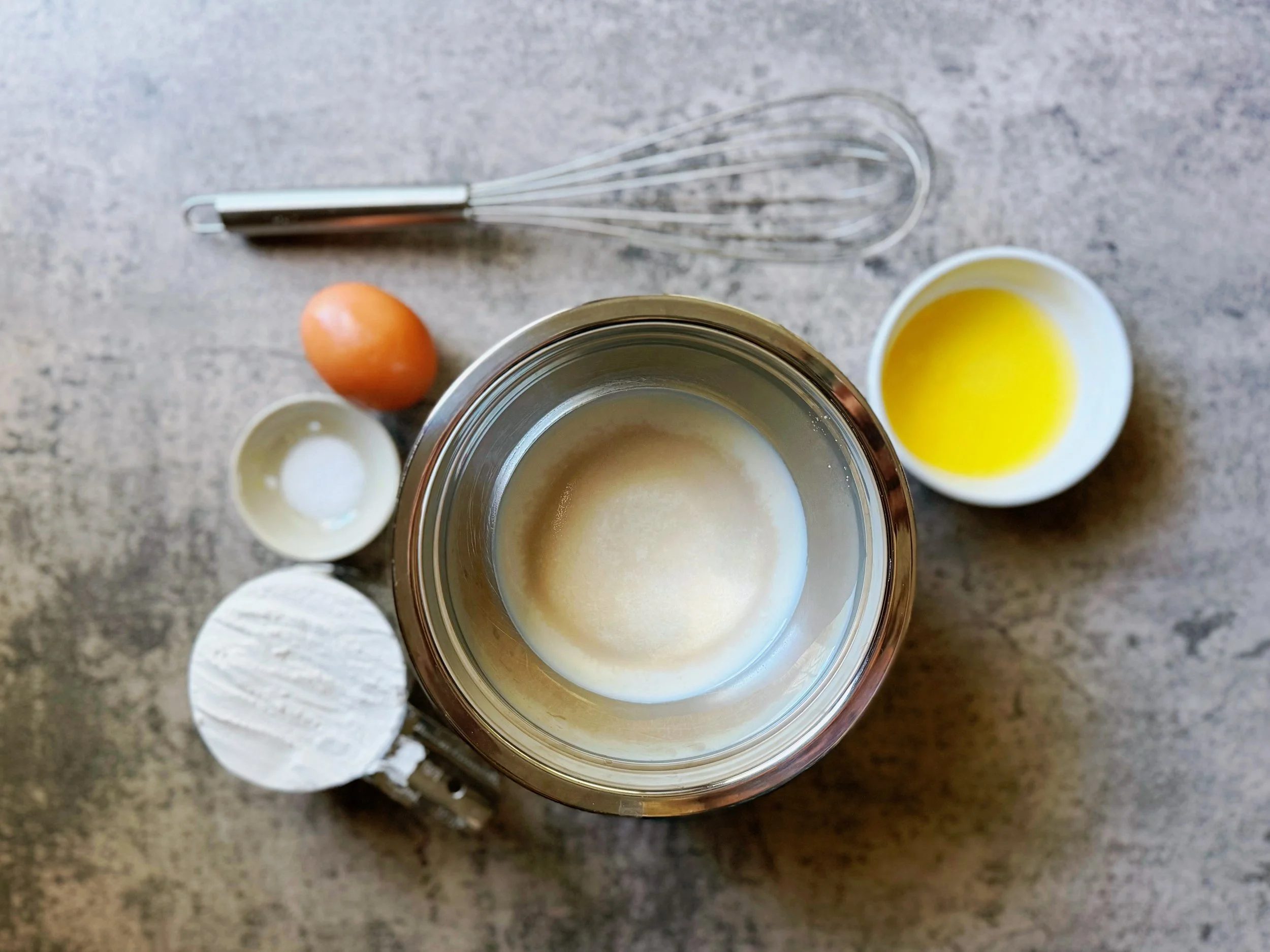
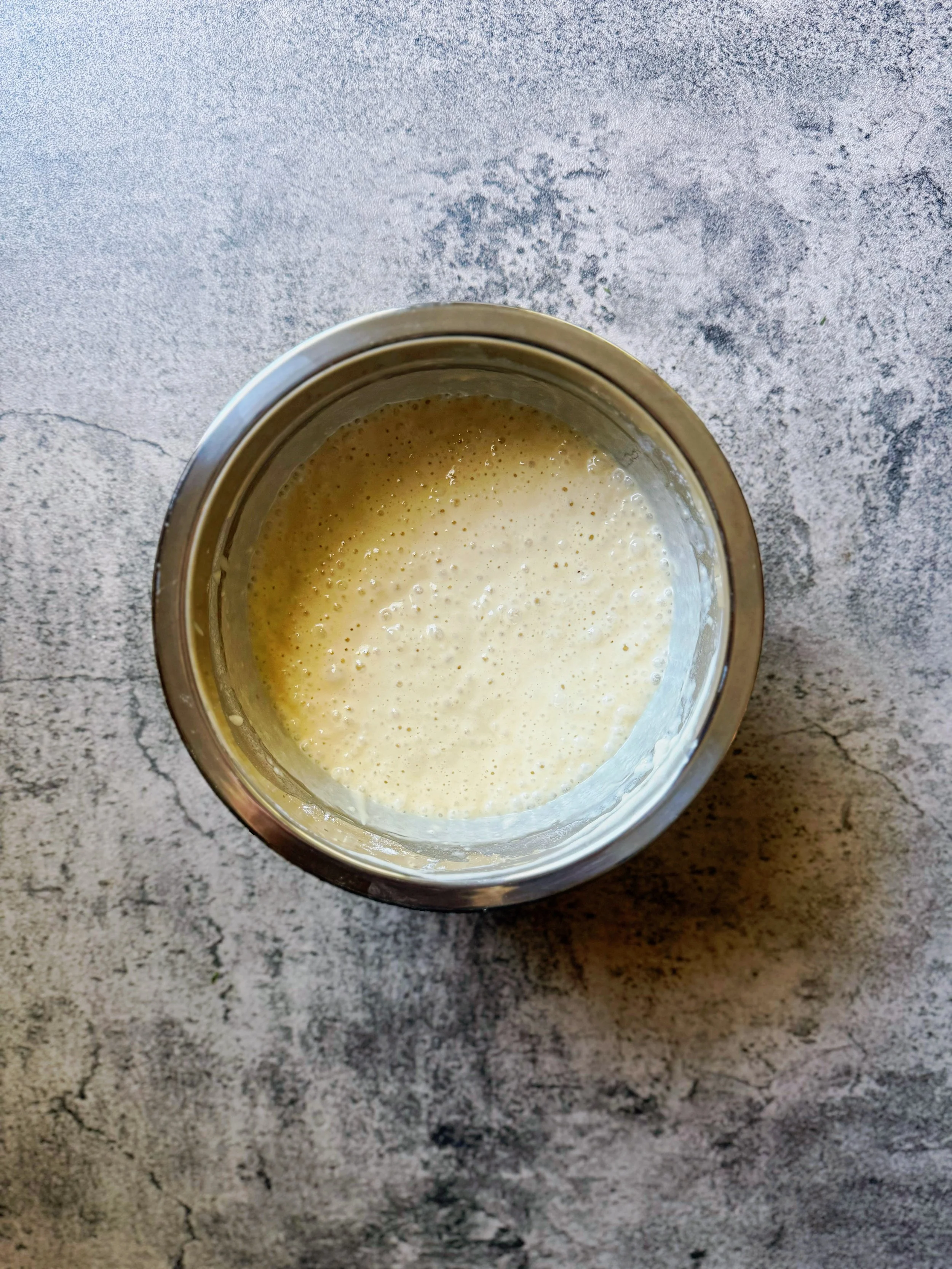
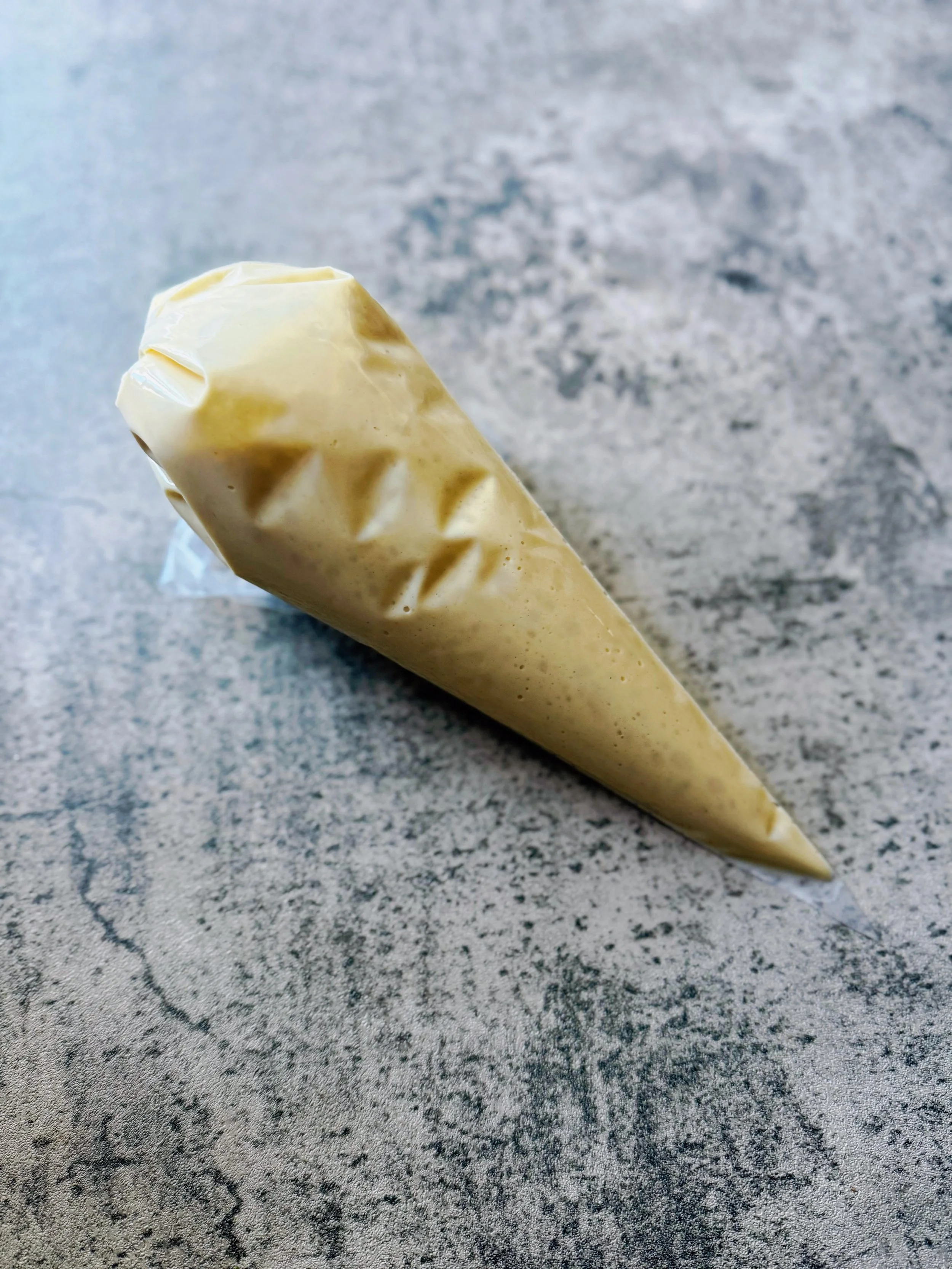
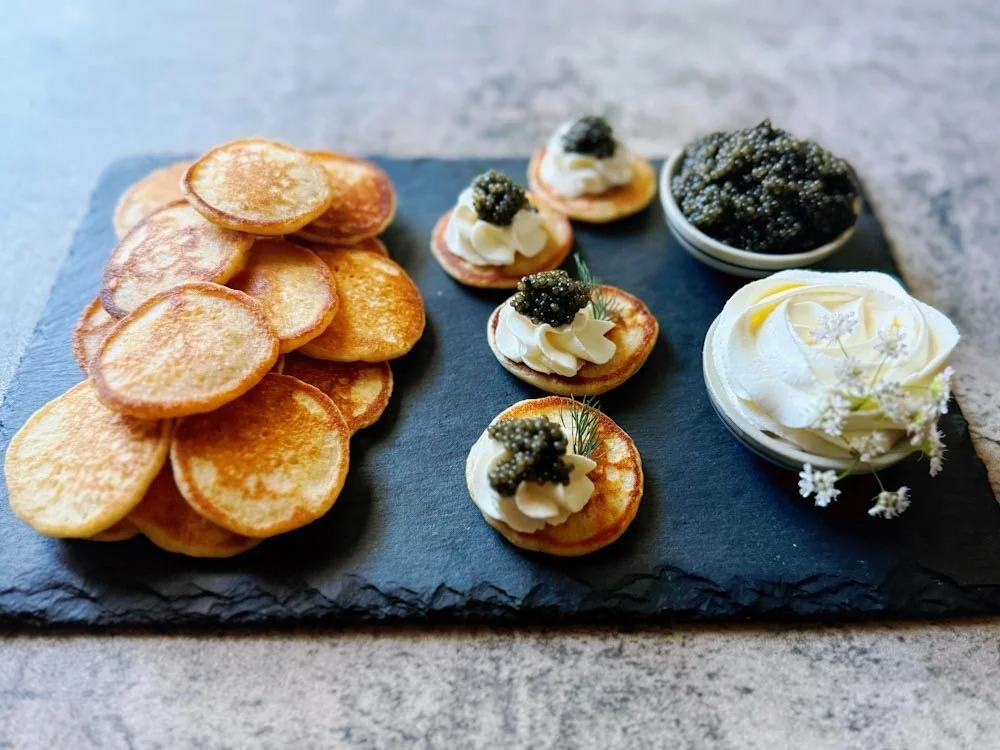
In a medium bowl whisk together 3/4 cup warm milk, 1 tsp sugar, and 1 tsp yeast. Let it sit for about 5-7 minutes until it gets foamy. Whisk in egg, 1/2 tsp salt, 1 cup flour, and 2 tbsp melted butter. Batter should be smooth and slightly thick, but pourable like pancake batter. Cover and let sit 60 minutes. Heat up a cast iron skillet and transfer the batter in a pastry bag. Turn the heat to medium low. Butter the skillet and make small rounds of the batter. Cook until bubbles form on top, then flip and continue cooking until golden. Serve blinis warm or at room temperature with smetana and caviar or cold smoked salmon. Garnish with dill.