
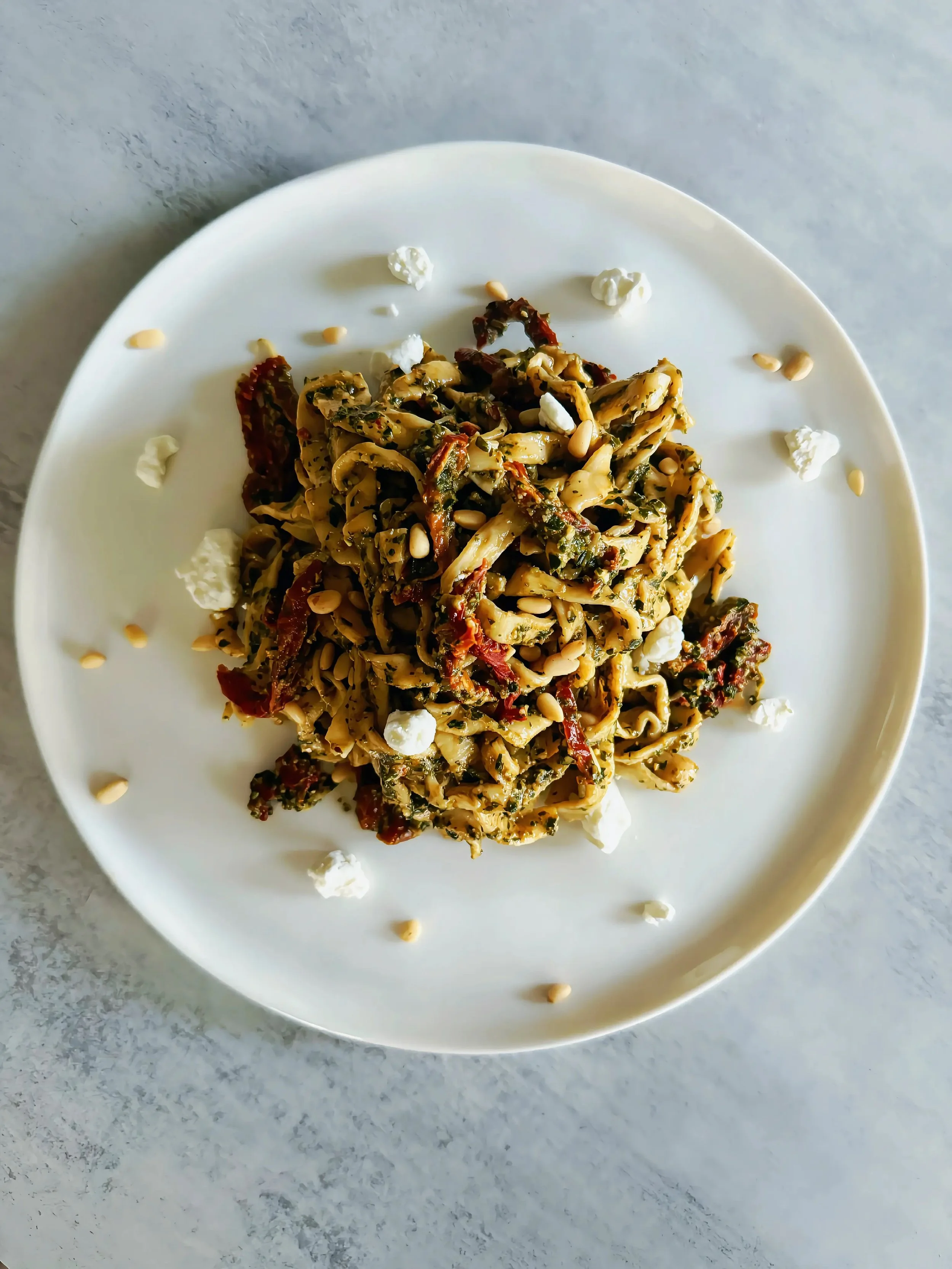
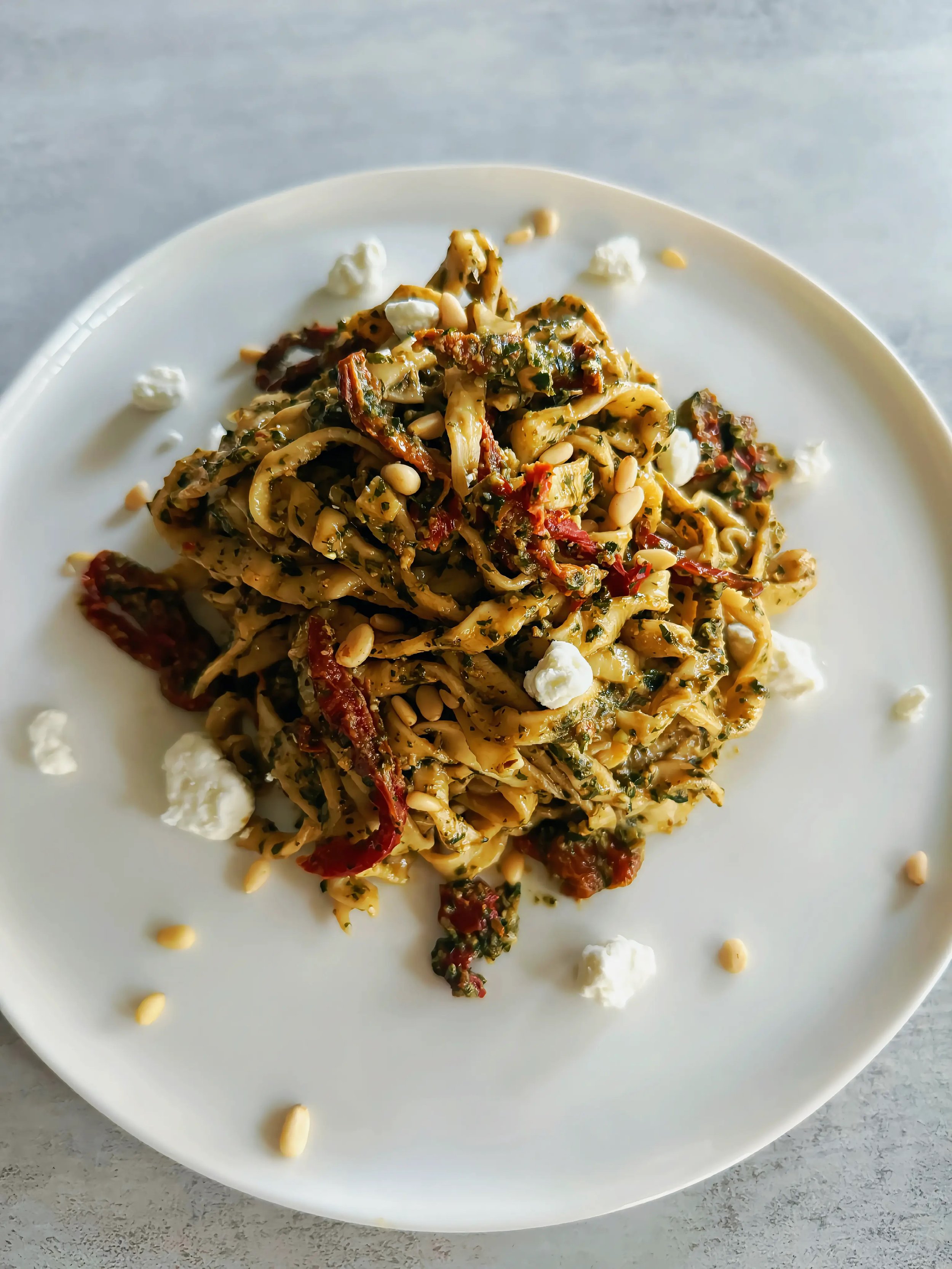
Homemade fettuccine tossed in fresh basil pesto with sun dried tomatoes, grated Parmesan, and crumbled goat cheese. The pesto is made from scratch with plenty of basil, garlic, pine nuts, and olive oil, while a splash of pasta water helps everything come together into a smooth, silky sauce. Finished with extra pine nuts and goat cheese for a little extra crunch and tanginess.
Arab influence on Italian pasta
Pasta has a pretty interesting history and Arab influence in Sicily played a bigger role than most people realize. During the period of Muslim rule from the 9th to 11th centuries Arab culinary traditions helped shape the islands food culture, including techniques for making and preserving dried pasta. In 1154 the Arab geographer al-Idrisi described a town near Palermo called Trabia where large quantities of dried, thread like pasta known as itriyya were produced and exported to other regions. While pasta like foods existed in Italy before this the account provides some of the earliest clear evidence of large scale dried pasta production in the region. So while pasta wasn’t necessarily developed by Arabs or Italians its development into the shelf stable staple we recognize today owes a lot to centuries of cultural exchange.
The dark lore of basil
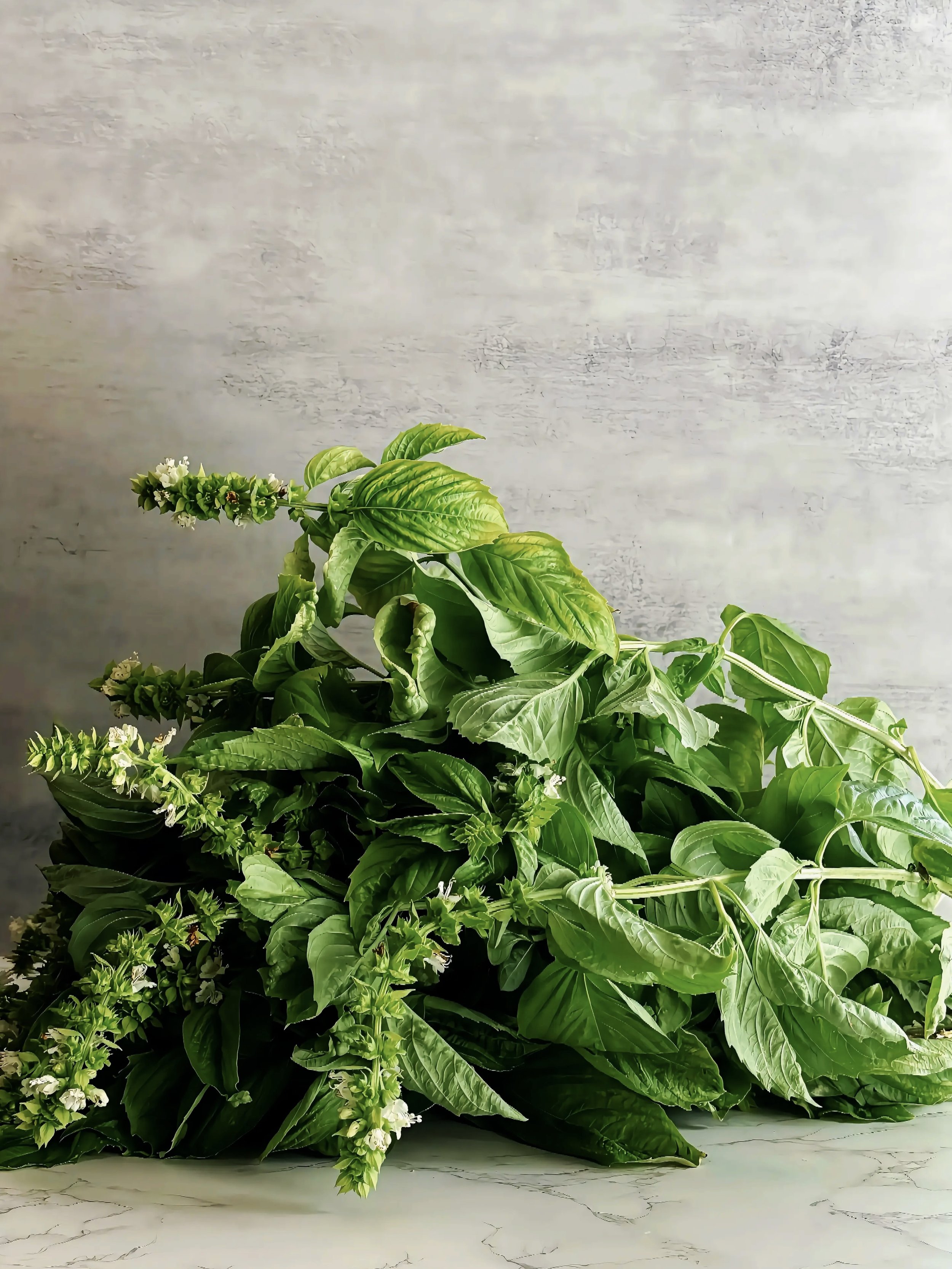
Basil has a surprisingly dark history for an herb we mostly associate with pesto. In parts of Europe it was once linked to hatred, curses, and even scorpions. Ancient writers repeated the belief that scorpions could somehow develop from basil while some later folklore claimed that smelling too much of it could cause scorpions to grow inside your brain. A French physician named Jacques Houllier famously documented a patient who allegedly died from a scorpion infestation in his brain caused entirely by constantly smelling the herb. There was also a belief that basil grew better when planted alongside insults and swearing. Interestingly other cultures associated the same herb with love, protection, and good fortune. So depending where and when you lived basil could either bring you romance or supposedly give you scorpions in your head.
History of goat cheese
Goat cheese has a history stretching back thousands of years. Goats were among the earliest domesticated livestock (first raised roughly 10,000 years ago in the Middle East). As people began using their milk cheese making became a practical way to preserve it without refrigeration. Early cheeses were likely made by allowing milk to sour naturally or using enzymes to separate it into curds and whey. These simple cheeses would have been quite different from modern varieties but the basic process remains largely the same. While the exact origin of goat cheese is unknown its history is closely tied to the development of agriculture and early dairy farming.
History of pine nuts
Pine nuts were part of the Mediterranean diet long before pesto existed. Archaeologists have found evidence of them in Pompeii (the Roman city buried by Mount Vesuvius in 79 AD). Ancient Romans used pine nuts in both sweet and savory dishes, and they appear in several recipes in the Roman cookbook traditionally attributed to Apicius. They were valued for their rich buttery flavor and could be eaten on their own or added to sauces, meats, and desserts. While basil pesto is a relatively modern creation one of its main ingredients has been used in Italian cooking for nearly 2000 years.
How to make sun dried tomato and basil pesto fettuccine?
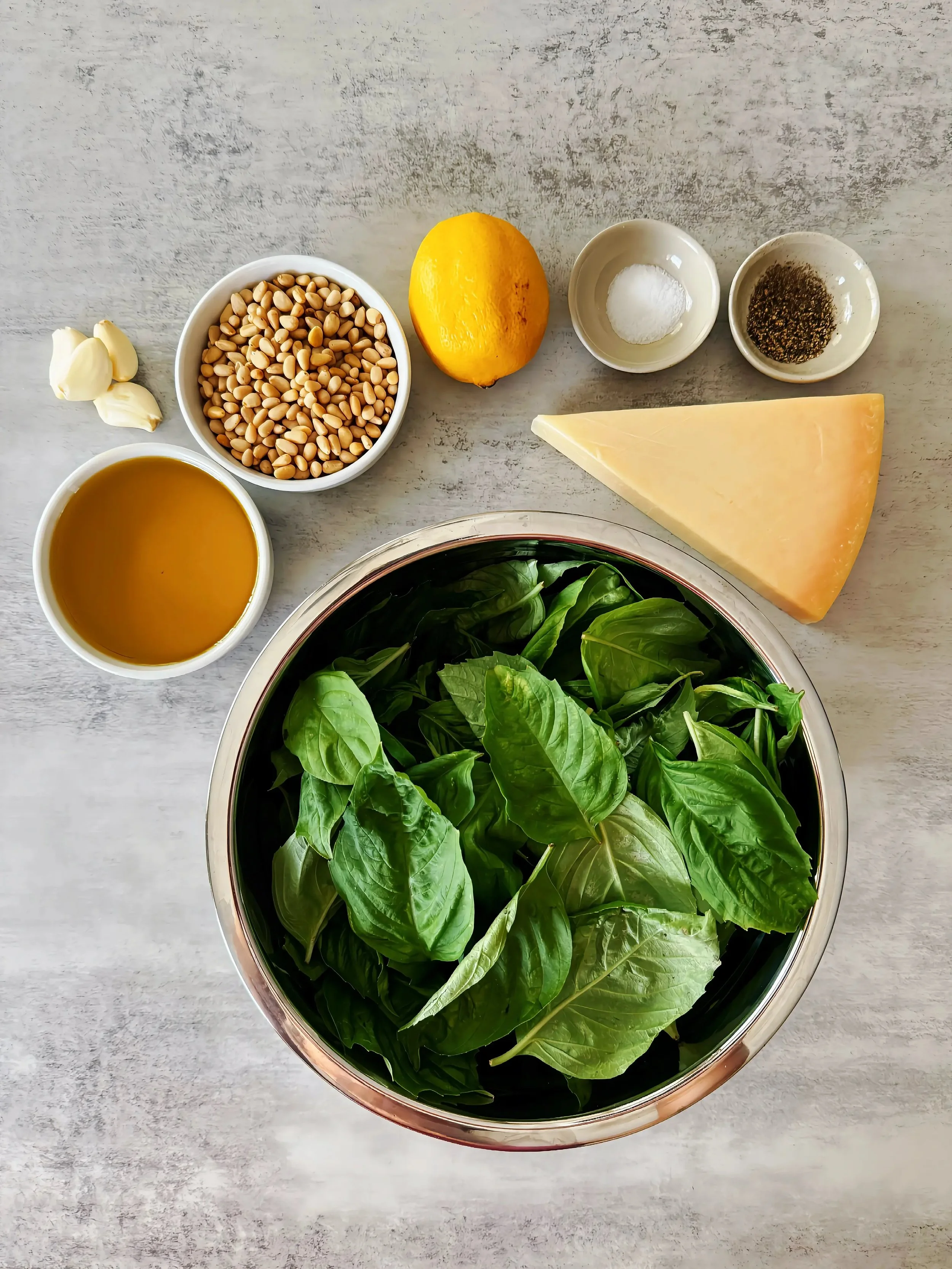
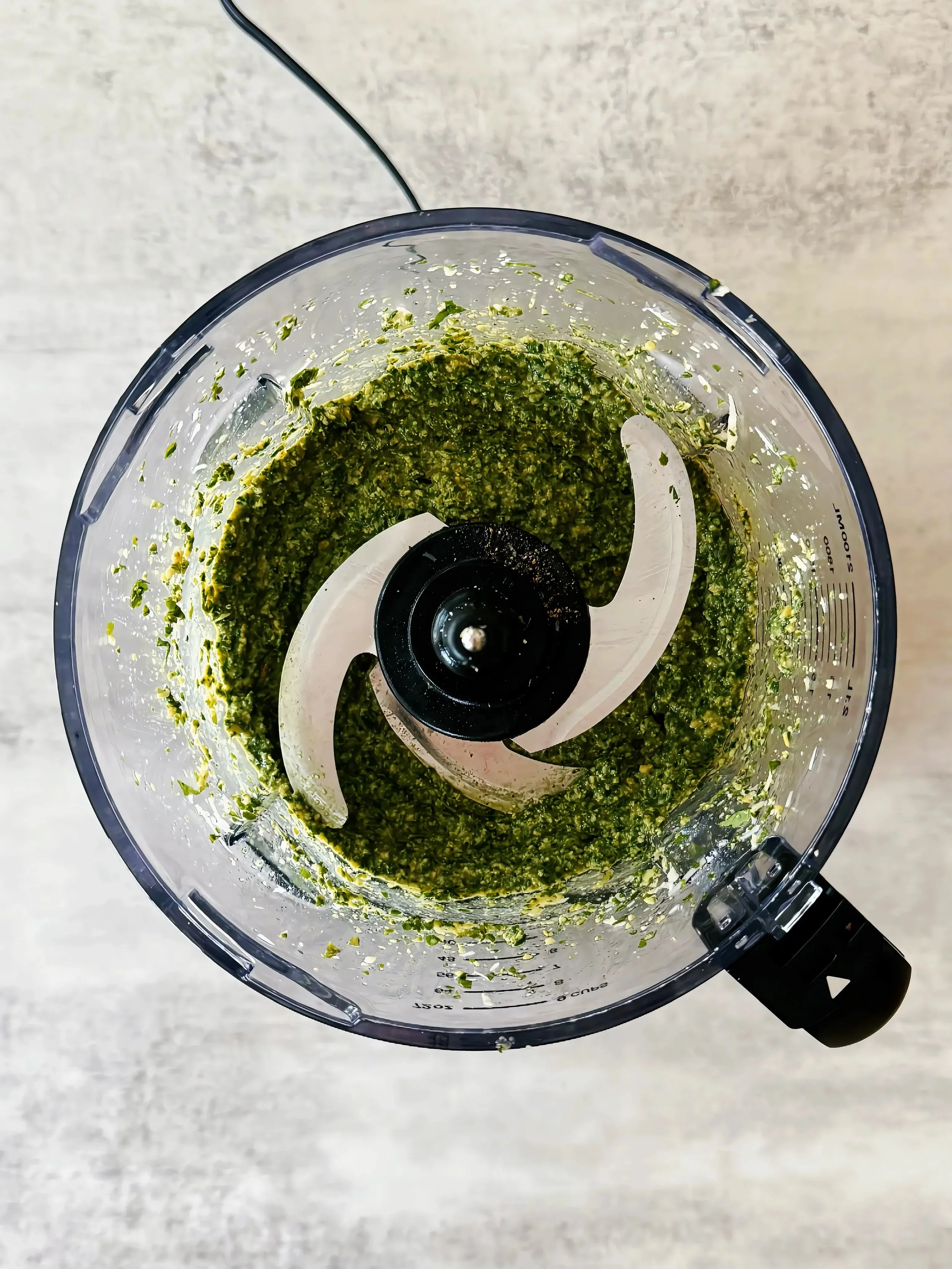
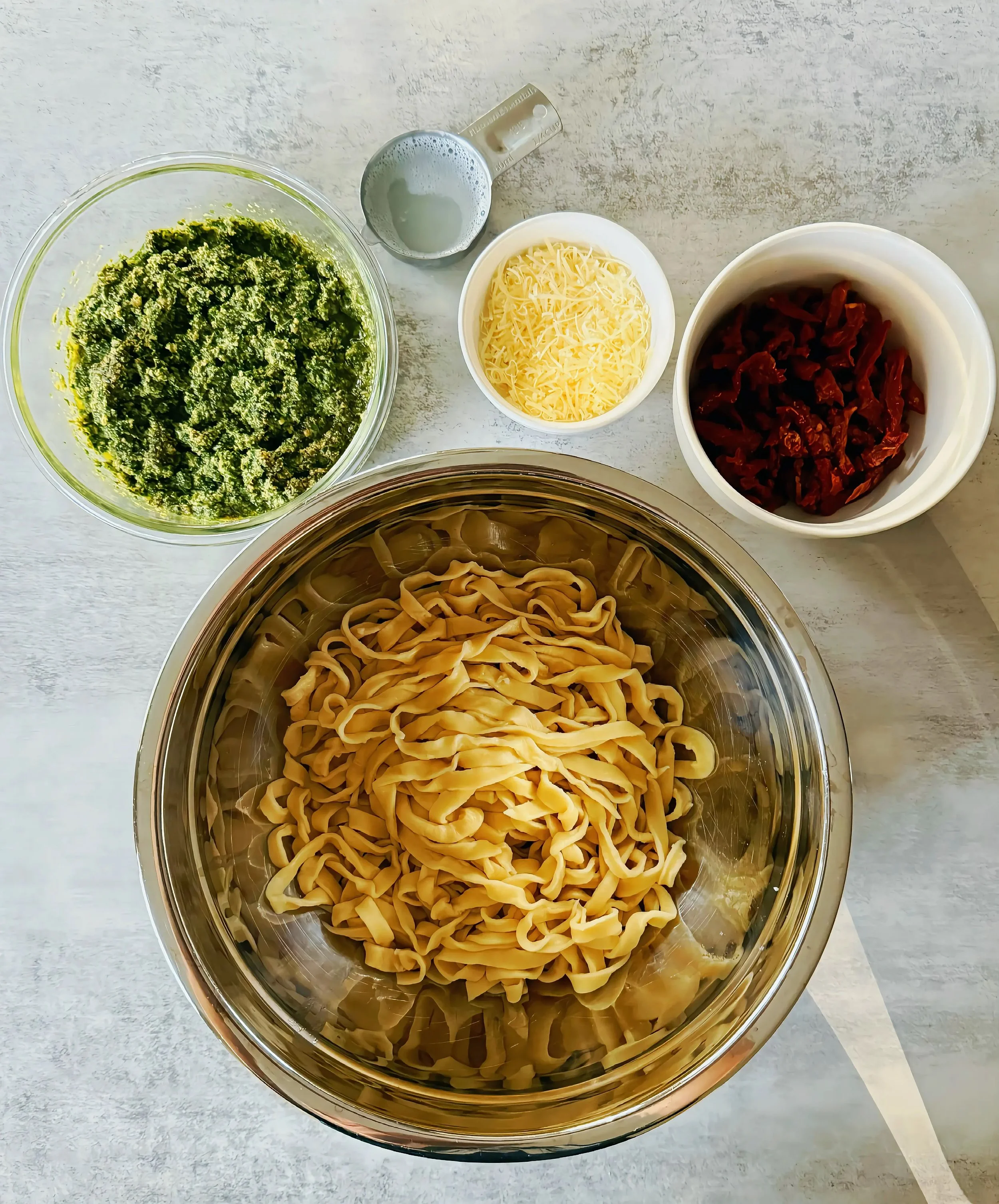
First make the pesto. In a food processor blend together 4 packed cups fresh basil leaves, 3/4 cup Parmesan, 1/2 cup pine nuts, and 4 garlic cloves. Drizzle in 1/2 cup extra virgin olive oil, lemon juice, then season with 1/2-3/4 tsp salt, 1/2 tsp pepper. Once smooth and combined transfer the pesto in a bowl, cover and refrigerate.
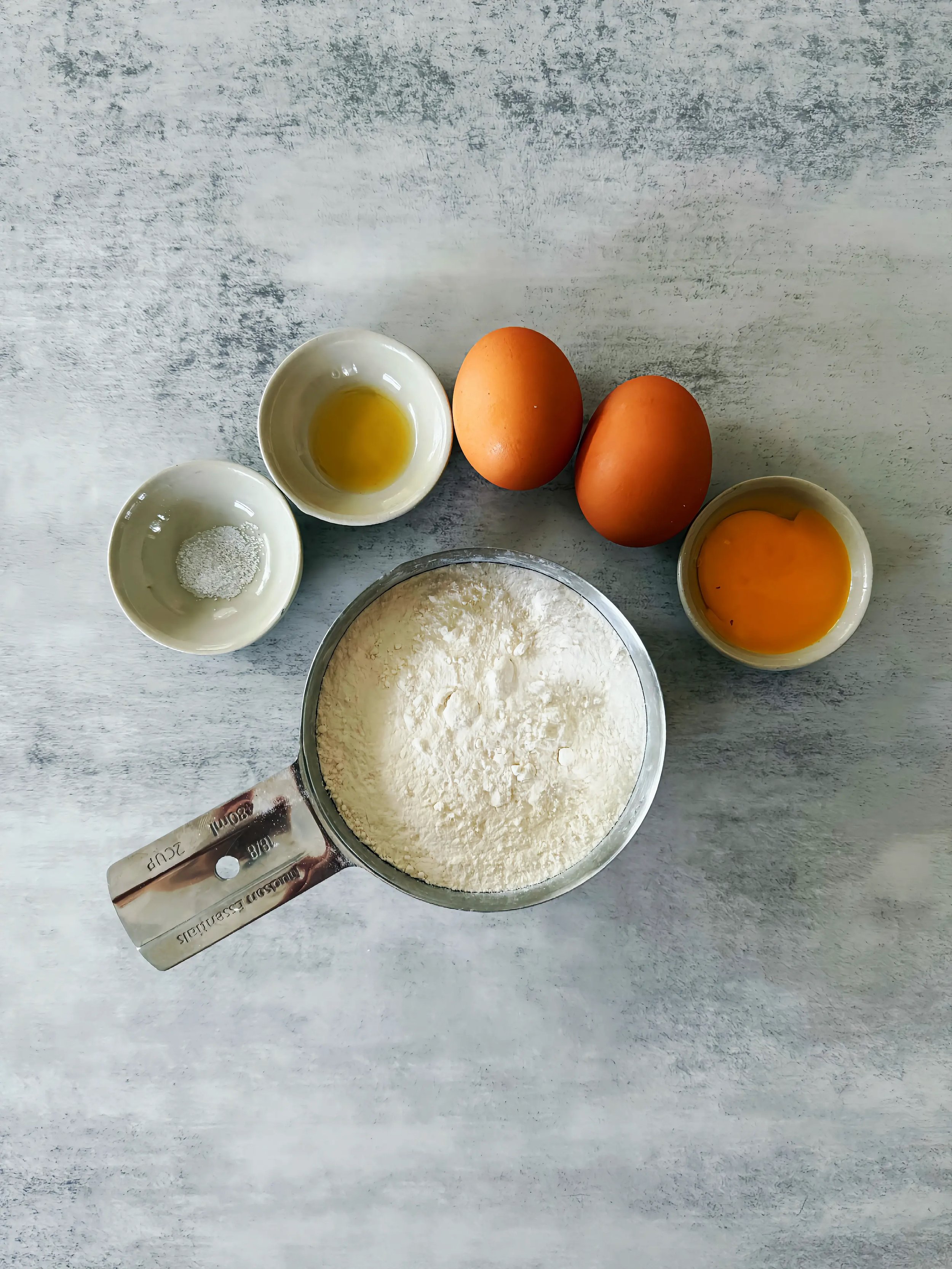
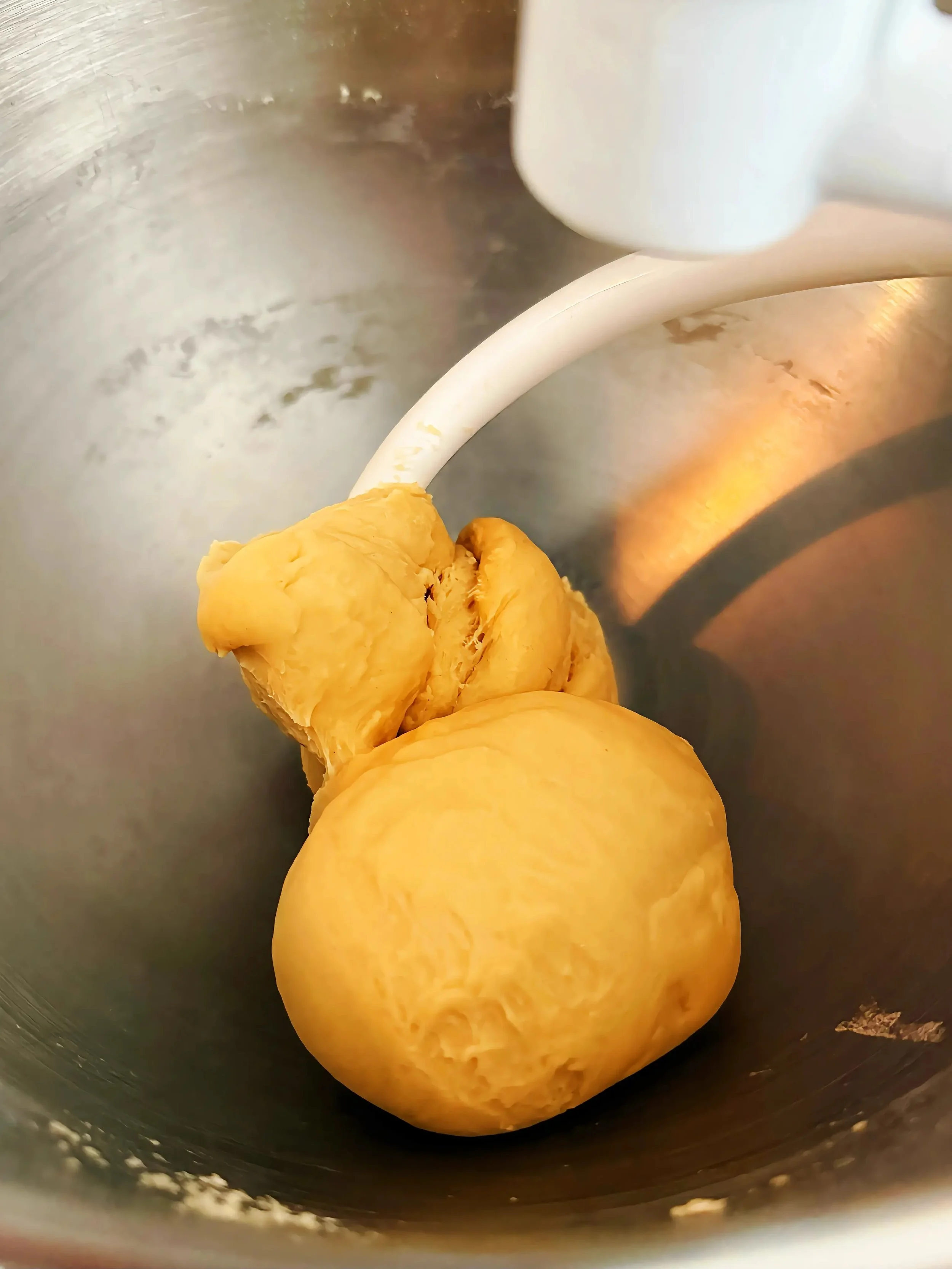
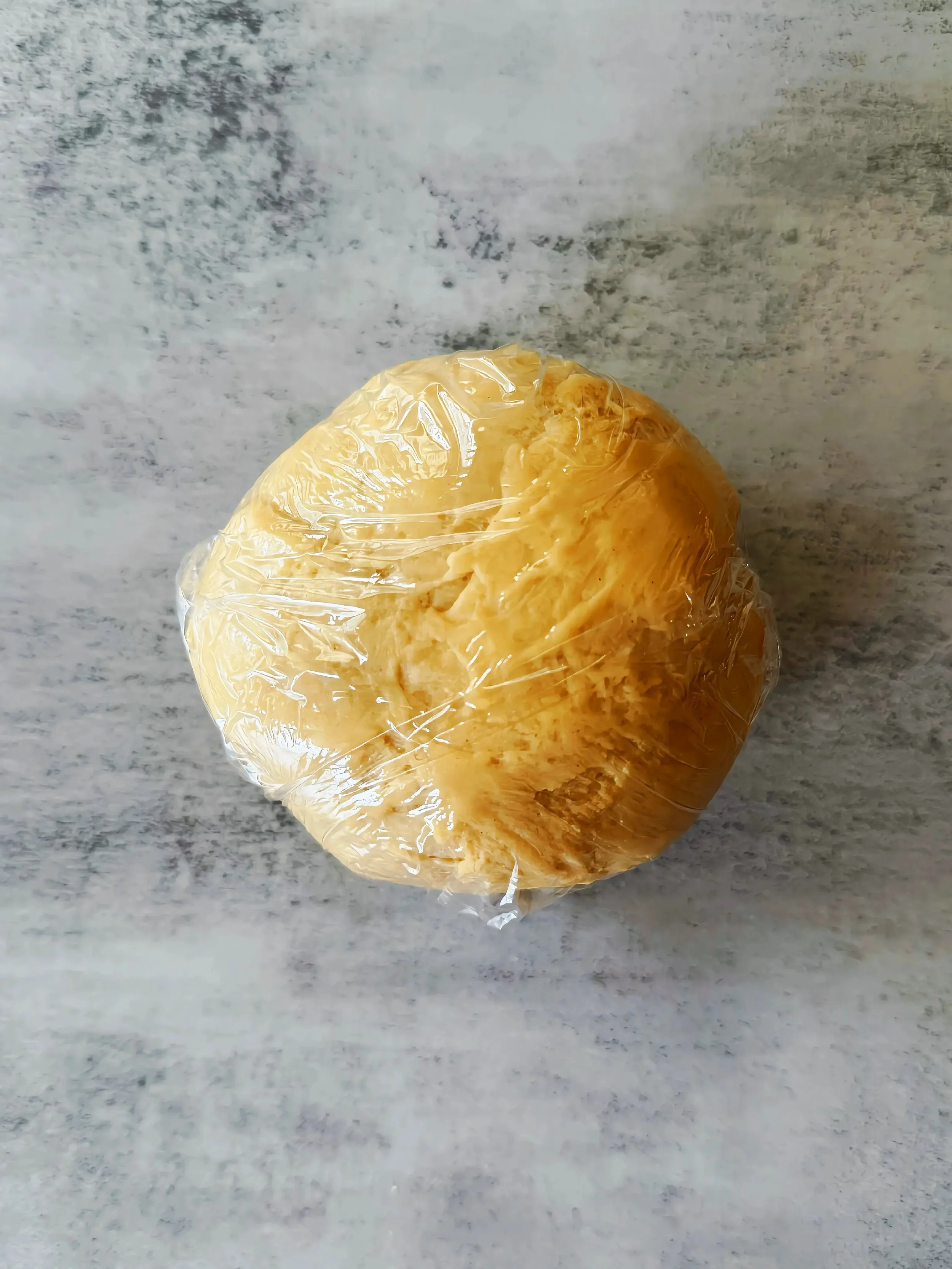
In a large bowl mix together 1 1/2 cups flour, 2 eggs, 1 yolk, 1/2 tsp olive oil, and a pinch of salt. If the dough is dry drizzle in warm water as needed until no dry flour remains. Knead for about 8 minutes until smooth and firm, then form into a ball and wrap with cling wrap. Rest for 20-30 minutes.
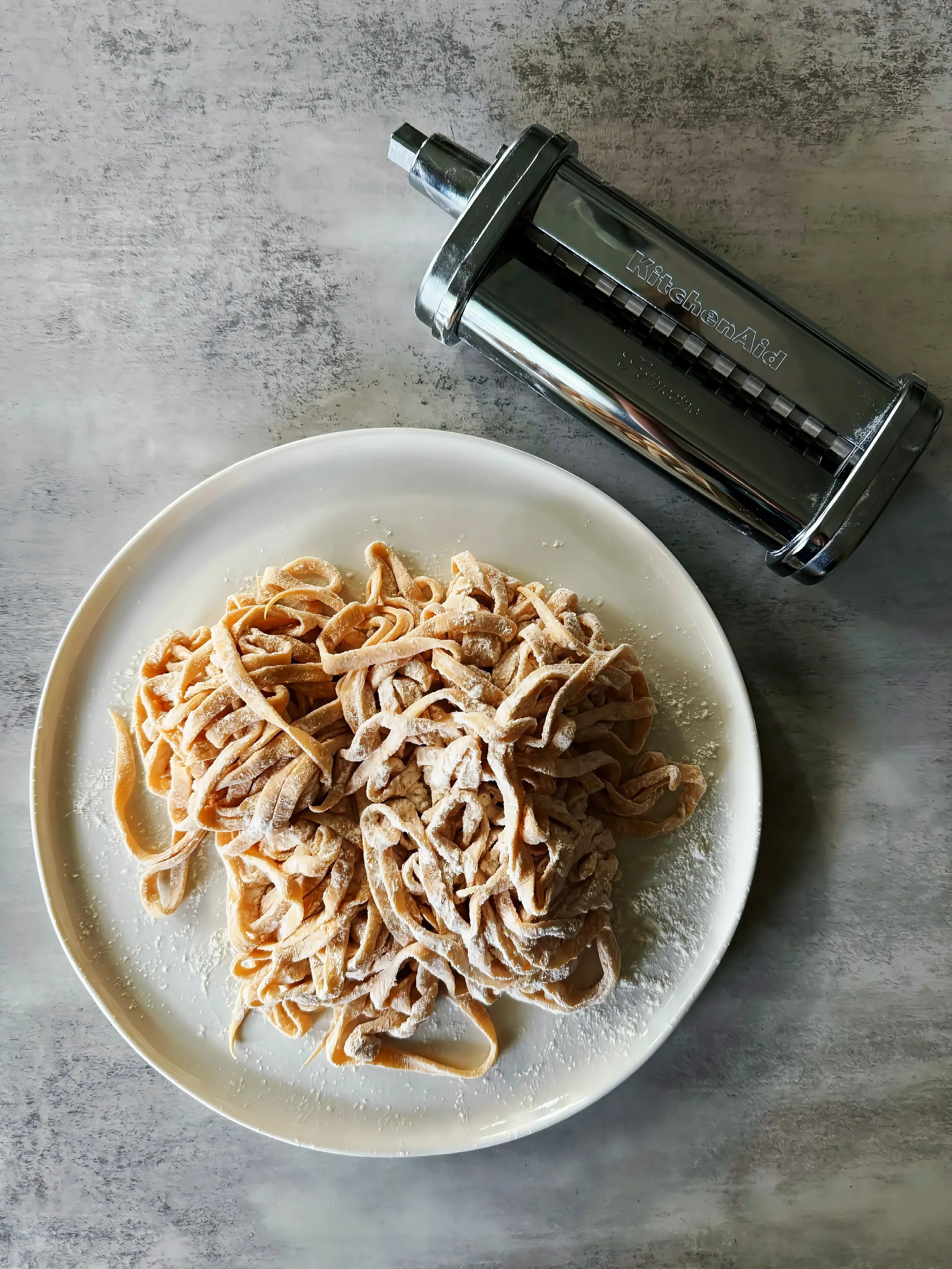
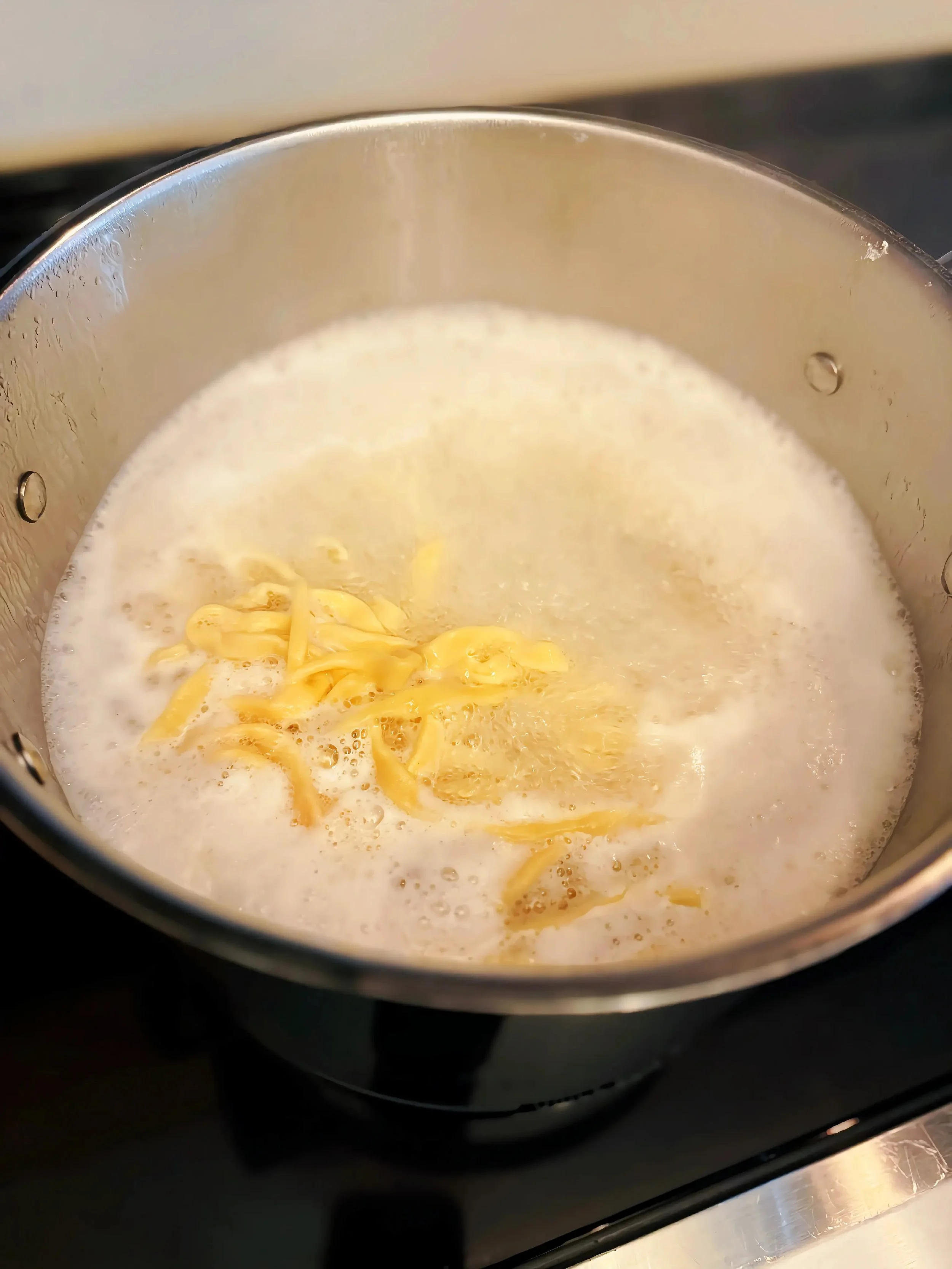
Roll the pasta dough out into thin sheets, cut into fettuccine and lightly dust with flour. Bring a large pot of salted water to boil. Boil the fresh fettuccine for about 3-4 minutes. Reserve 1/4 cup of the pasta water. Drain and place the cooked pasta in a large bowl.
Toss the cooked fettuccine with about half of the prepared pesto, 1/2 cup Parmesan, sun dried tomatoes, and the 1/4 cup reserved pasta water. Add more pesto as desired, tossing until the pasta is evenly coated.
Plate the pasta and garnish with goat cheese crumbles and pine nuts. Serve immediately.
Tips
Roll the pasta thinner than you think; fresh pasta swells when cooked.
Toast the pine nuts before making the pesto to enhance their nutty flavor.
Recommended products to make this recipe
*This page contains affiliate links. If you choose to purchase after clicking a link, I may receive a commission at no extra cost to you.