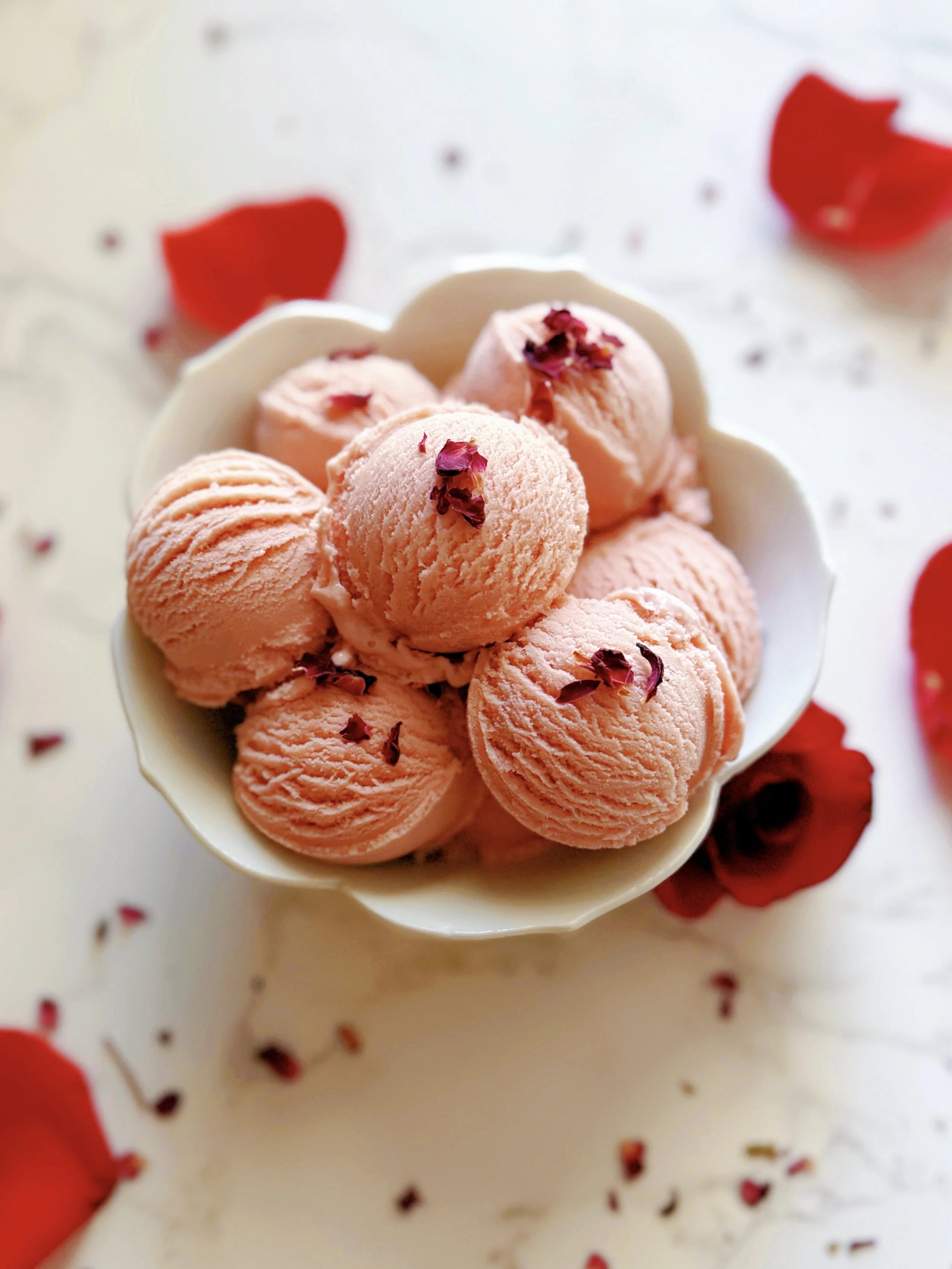
rose gelato
Rose gelato is one of those desserts that feels dramatic but is surprisingly simple; just milk slowly infused with real rose petals, a gentle custard base, and patience. The goal isn’t heavy sweetness or overpowering perfume, but a soft floral flavor that stays clean and balanced. Steeping the petals directly into the milk creates a subtle aroma that feels romantic and a lighter gelato style texture that lets the rose actually shine.
What is the difference between gelato, ice cream, and frozen custard?
Gelato, ice cream, and frozen custard all start with similar ingredients; milk, sugar, and sometimes eggs, but they differ mainly in fat content, air incorporation, and texture. Gelato typically uses more milk than cream and is churned more slowly, creating denser, smoother texture with less air and more intense flavor. Ice cream (especially American style) contains more cream and is churned faster which incorporates more air and gives it a lighter, fluffier feel. Frozen custard is defined by the addition of egg yolks which make it richer, silkier, and slightly thicker, often with a softer, creamier consistency when served. The result is three desserts that share a base idea but feel very different in richness, density, and mouthfeel.
Why rose gelato is the perfect date night dessert
Rose gelato makes an ideal date night dessert because it feels thoughtful and elevated without being heavy or overly complicated. The floral notes add a sense of romance and novelty while the milk forward custard keeps the texture smooth, light, and easy to enjoy after a full meal. Unlike richer desserts that feel overwhelming rose gelato offers a delicate balance of sweetness and aroma that encourages slowing down and savoring the moment; turning dessert into something intimate, sensory, and quietly memorable.
What are some interesting facts about roses?
Roses are one of the oldest cultivated flowers; humans were growing them over 5000 years ago in ancient China.
Rose oil is one of the most expensive ingredients in perfumery; it can take thousands of petals to make a single drop.
Rose hips (the fruit left after the petals fall) contain more vitamin C than many citrus fruits.
Many modern roses were bred for appearance instead of scent which is why supermarket roses often smell like nothing.
The word ‘rosary’ comes from roses: early prayer beads symbolized a crown or garden of roses offered in devotion.
Roses belong to the same botanical family as apples, strawberries, and almonds.
The Damask rose blooms only a few weeks each year which is why rose harvest seasons in Bulgaria and Turkey still feel like rituals.
Rose petals contain natural pigments called anthocyanins which are the same compounds that color berries and red wine.
Why are roses such a big part of Valentines Day?
Roses became tied to Valentines Day through a mix of ancient symbolism and later marketing traditions. In Greek and Roman mythology roses were associated with Aphrodite and Venus, goddesses of love and beauty, linking the flower early on with romance and desire. During the Victorian era when strict social rules limited open expression of affection people used the “language of flowers” to send coded messages and red roses came to symbolize deep romantic love. By the late 19th and early 20th centuries florists and greeting card companies helped standardize the red rose as the default Valentines gesture blending centuries of symbolism with modern commercial tradition; turning an ancient embelm of beauty and secrecy into the universal symbol fo romantic affection.
How to make rose gelato?
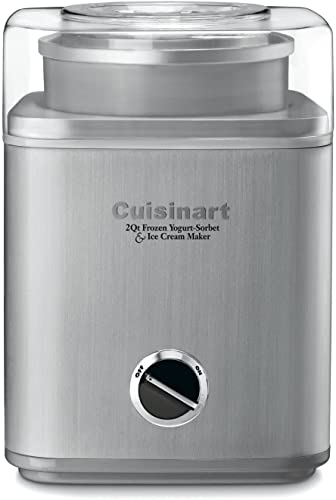
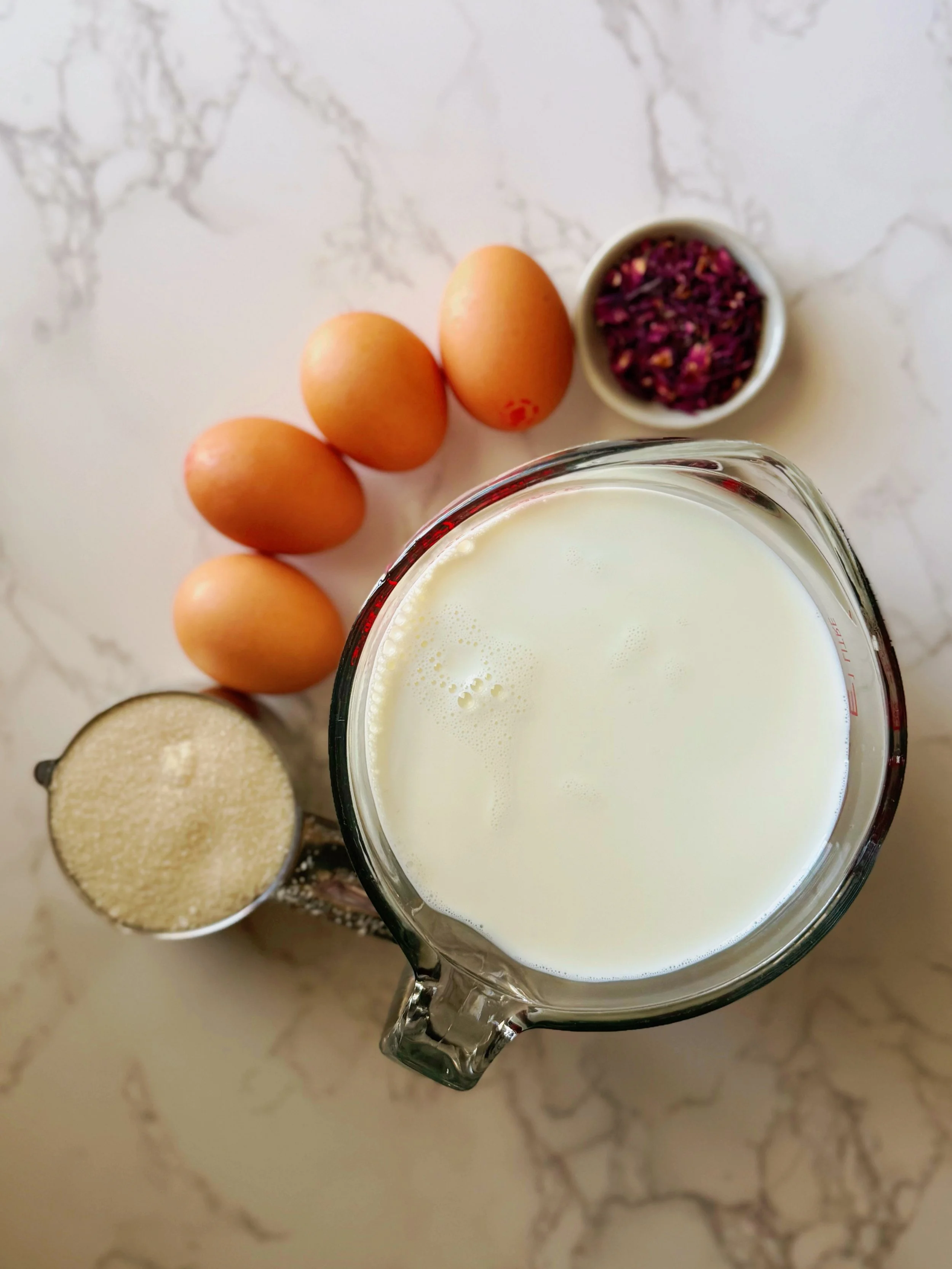
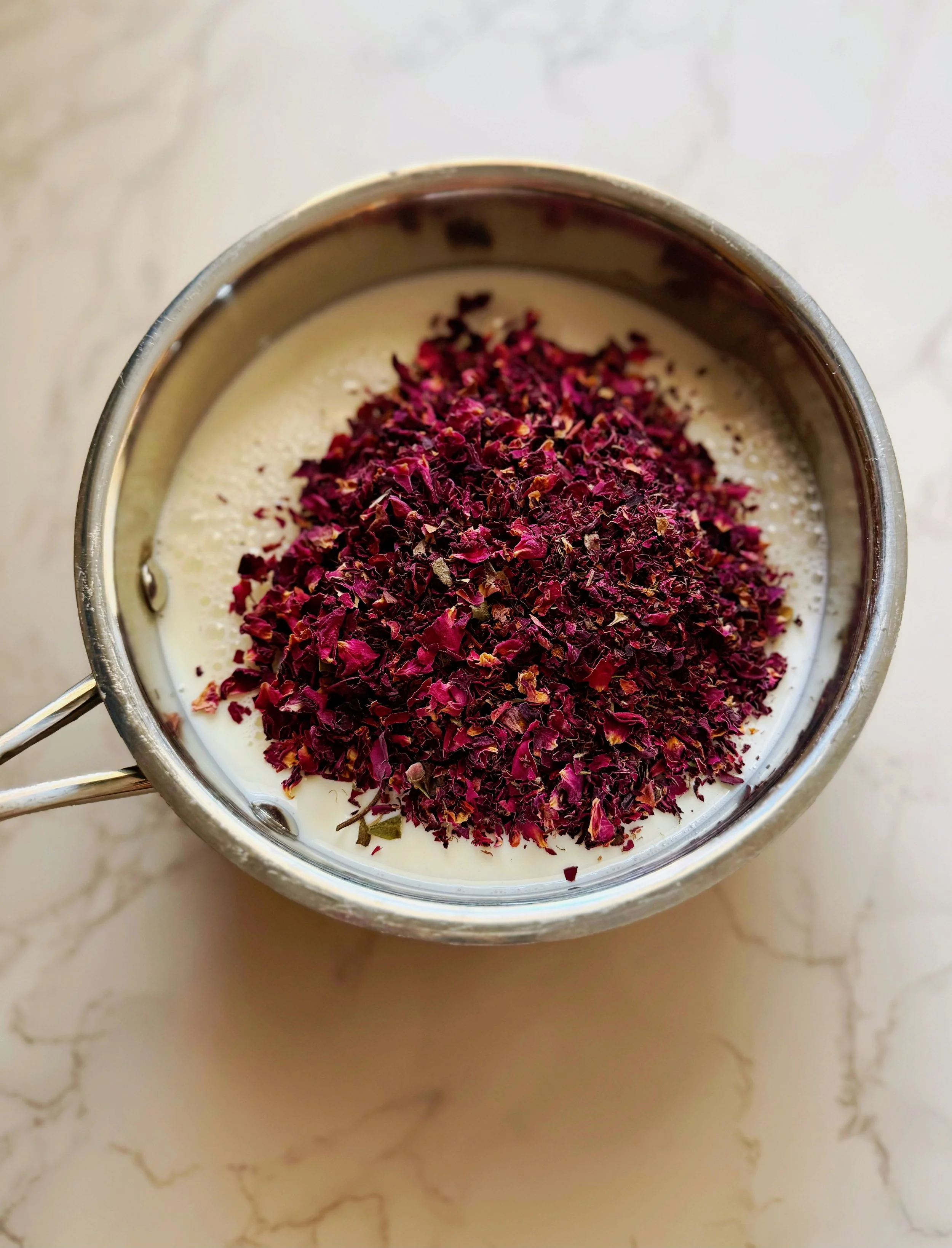
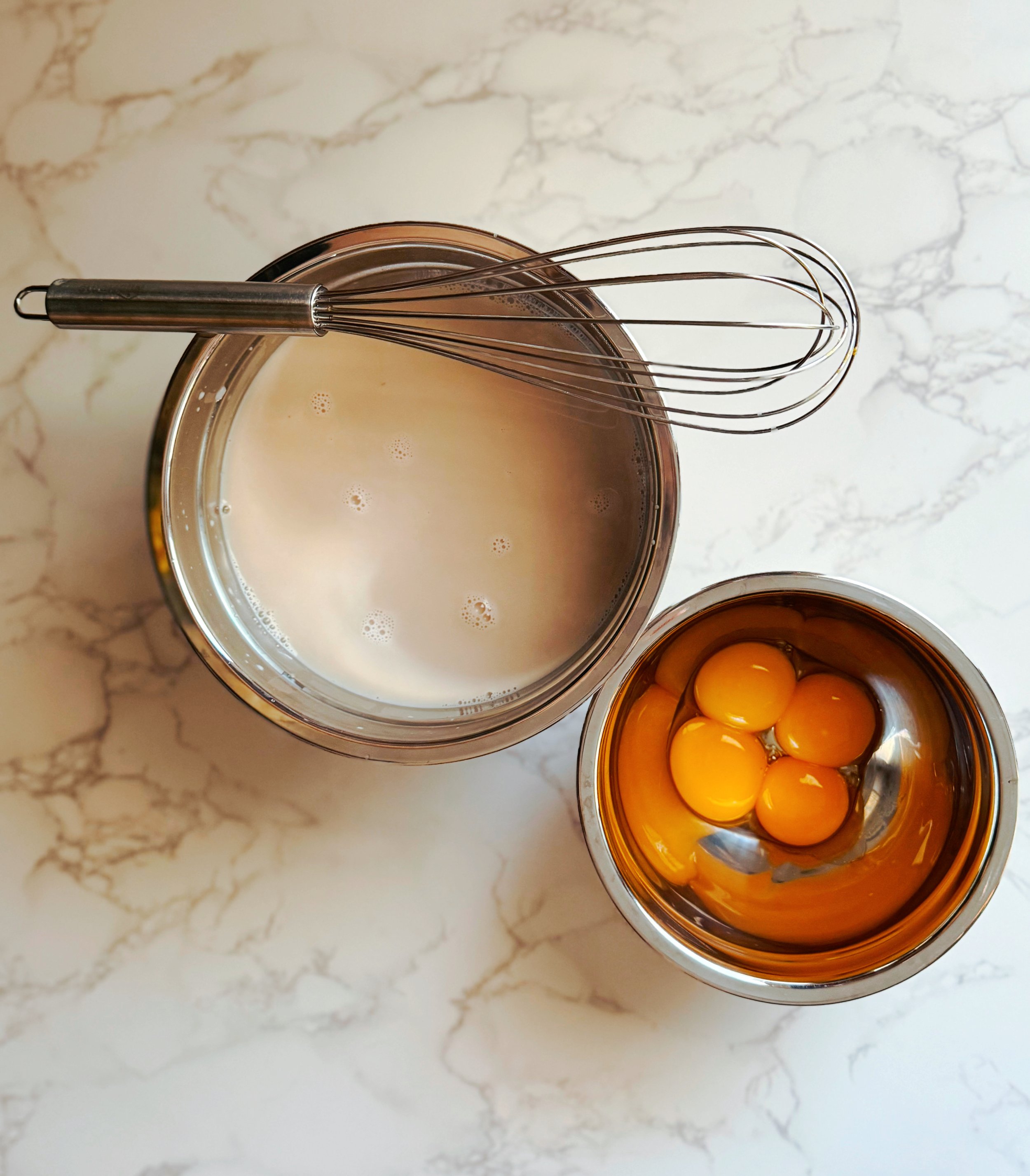
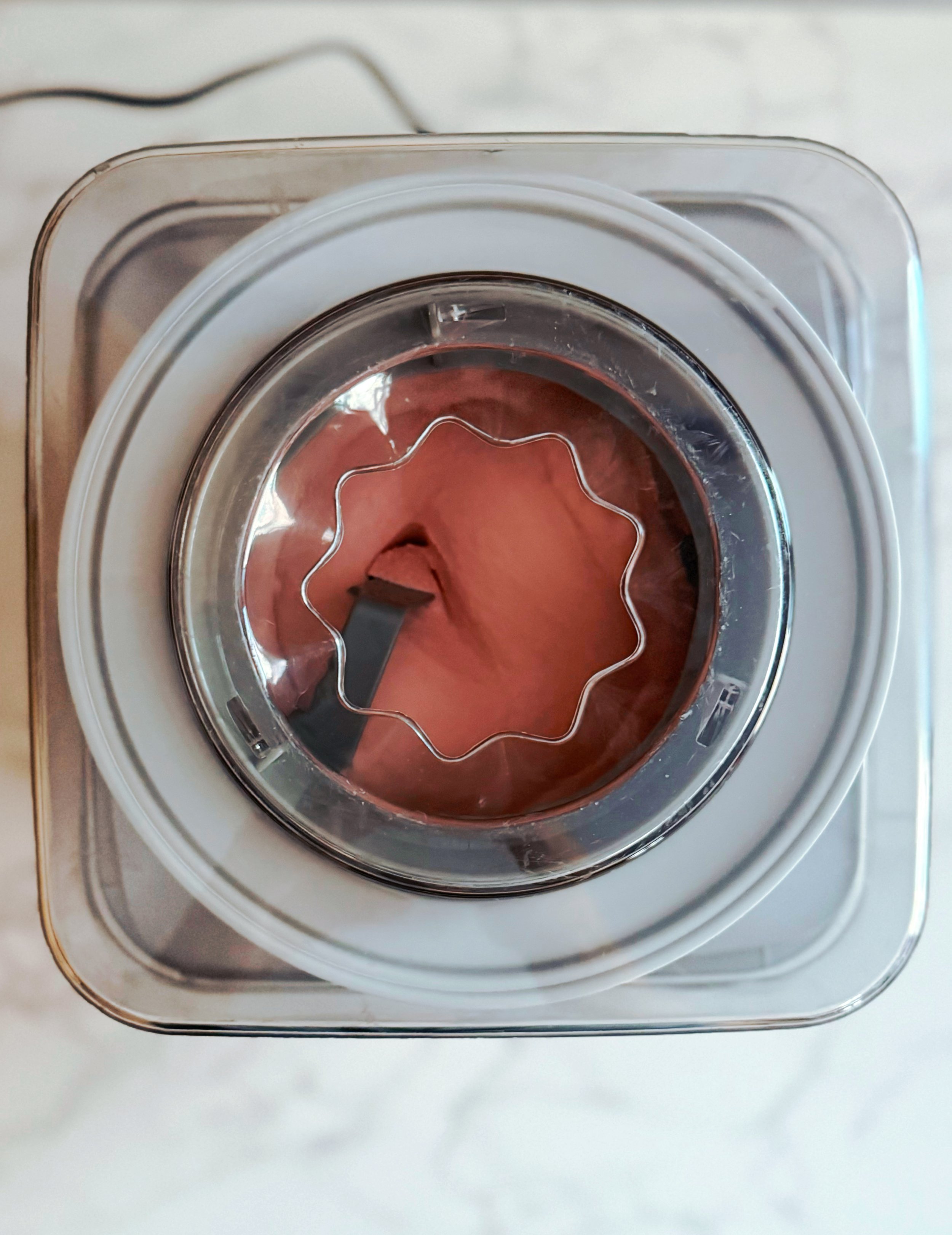
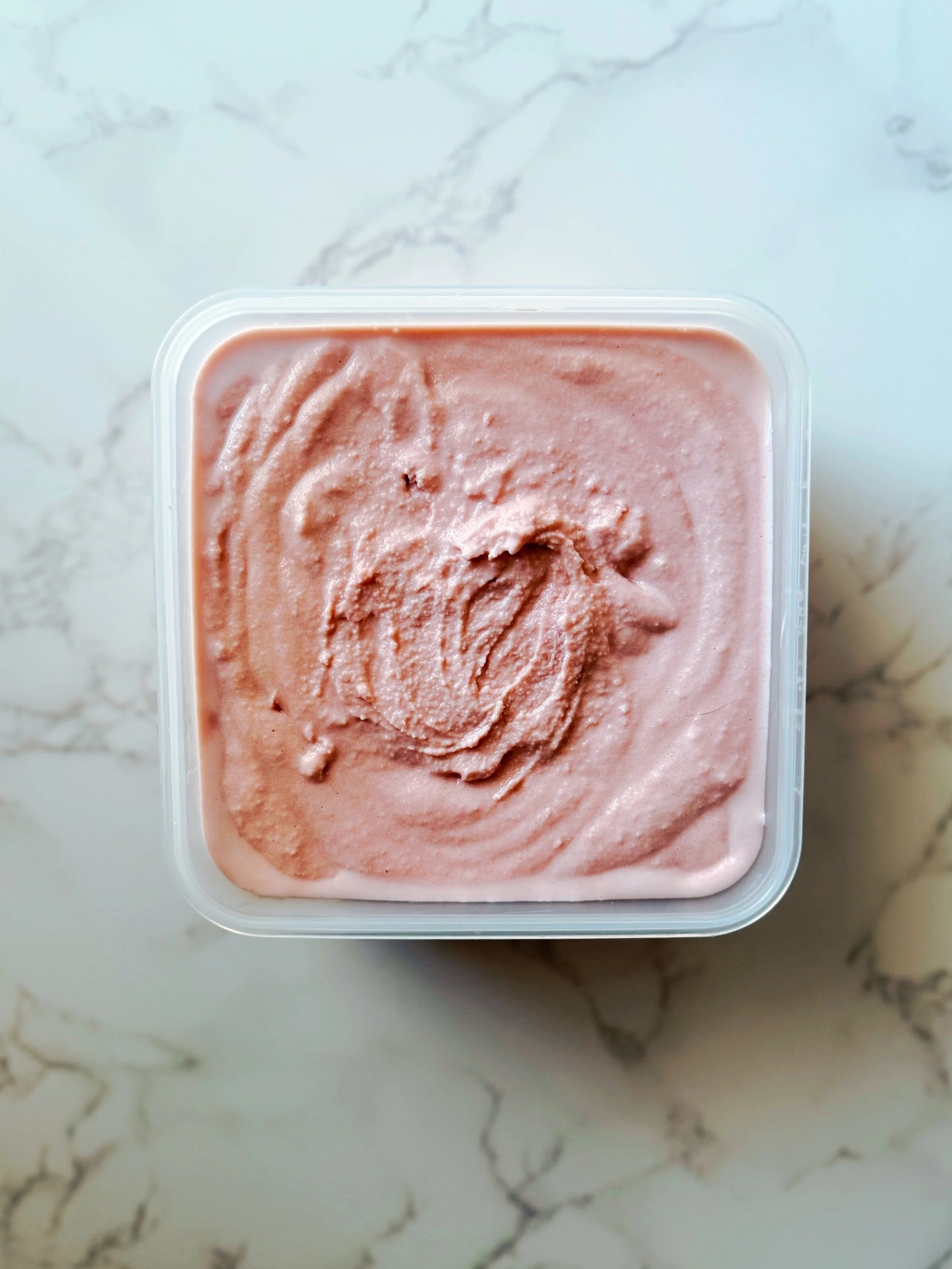
In a small pot bring 4 cups of whole milk to simmer. Stir in 6-8 tbsp dried rose petals and simmer for 15-20 minutes over medium low heat. Stir in 3/4 cup sugar and continue to simmer for another 5 minutes. Turn off the heat and let it steep for another 10 minutes. Strain through a fine sieve and discard the solids. Temper egg yolks by slowly drizzling in the hot milk while whisking vigorously. Then pour back in the pot and cook over low heat for 10 minutes until slightly thickened. Remove from heat and transfer to a bowl to cool. Whisk in food coloring if desired. Cover and cool completely, then refrigerate until cold. Churn in an ice cream maker for 35-45 minutes until the consistency is similar to soft serve. Transfer in a freezer safe container and freeze over night.
Tips
Put the tub from your ice cream maker in a freezer a day or two before starting this recipe.
Make sure your container is freezer safe - not all types of glass are fit for freezer and may break.
When tempering the egg yolks pour the hot liquid in a small stream while constantly whisking to prevent them from scrambling. If poured too fast the yolks will end up chunky and scrambled instead of smooth.
Add 1-3 drops of rose food coloring for a beautiful hue!
Churning is an important step in ice cream making to incorporate air into the ice cream base during the freezing process for a smooth texture and to control the size of crystals, but over churning ice cream can cause emulsion breakdown (fat and water components to separating).
Recommended products to make this recipe
*This page contains affiliate links. If you choose to purchase after clicking a link, I may receive a commission at no extra cost to you.