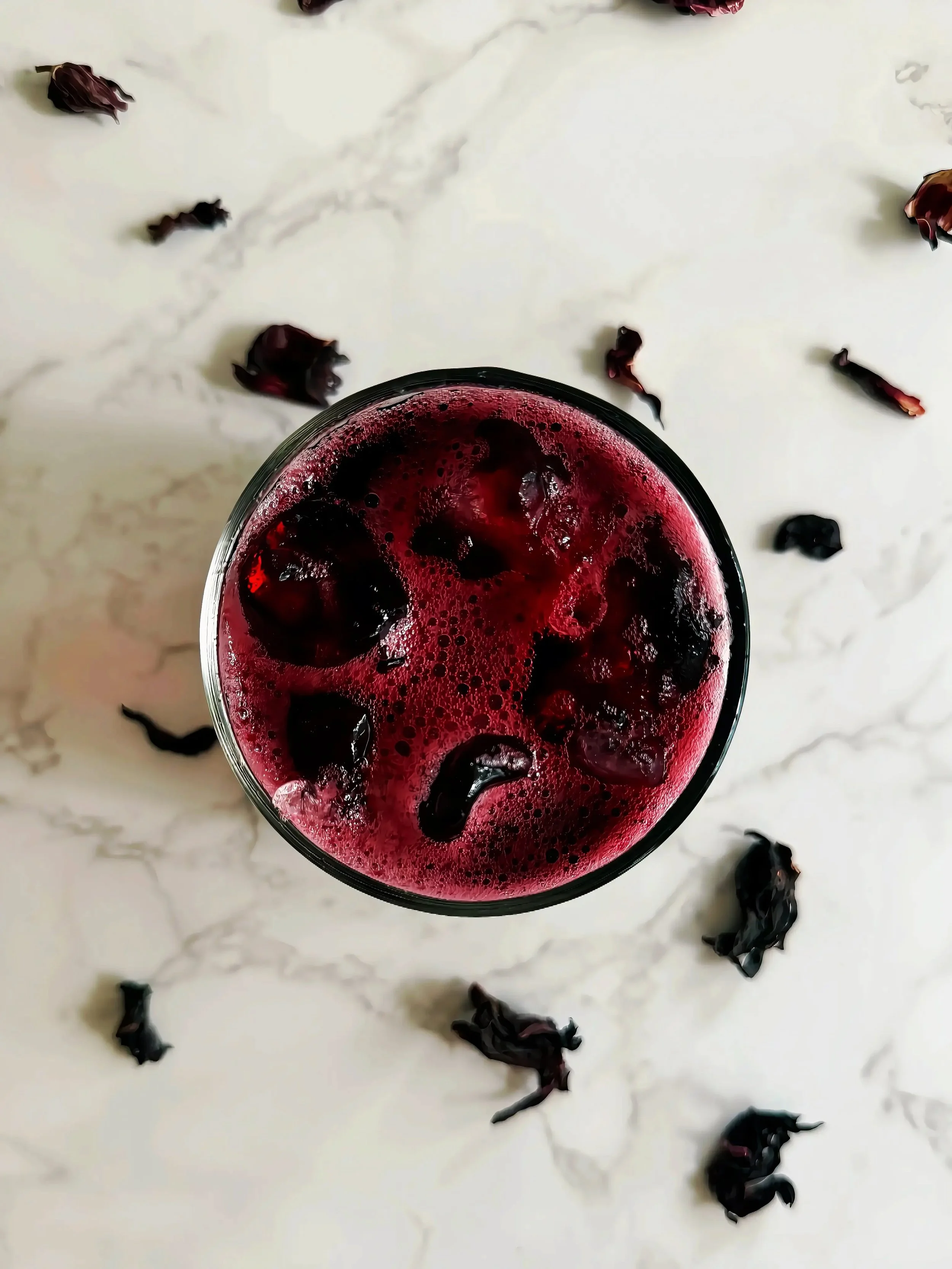
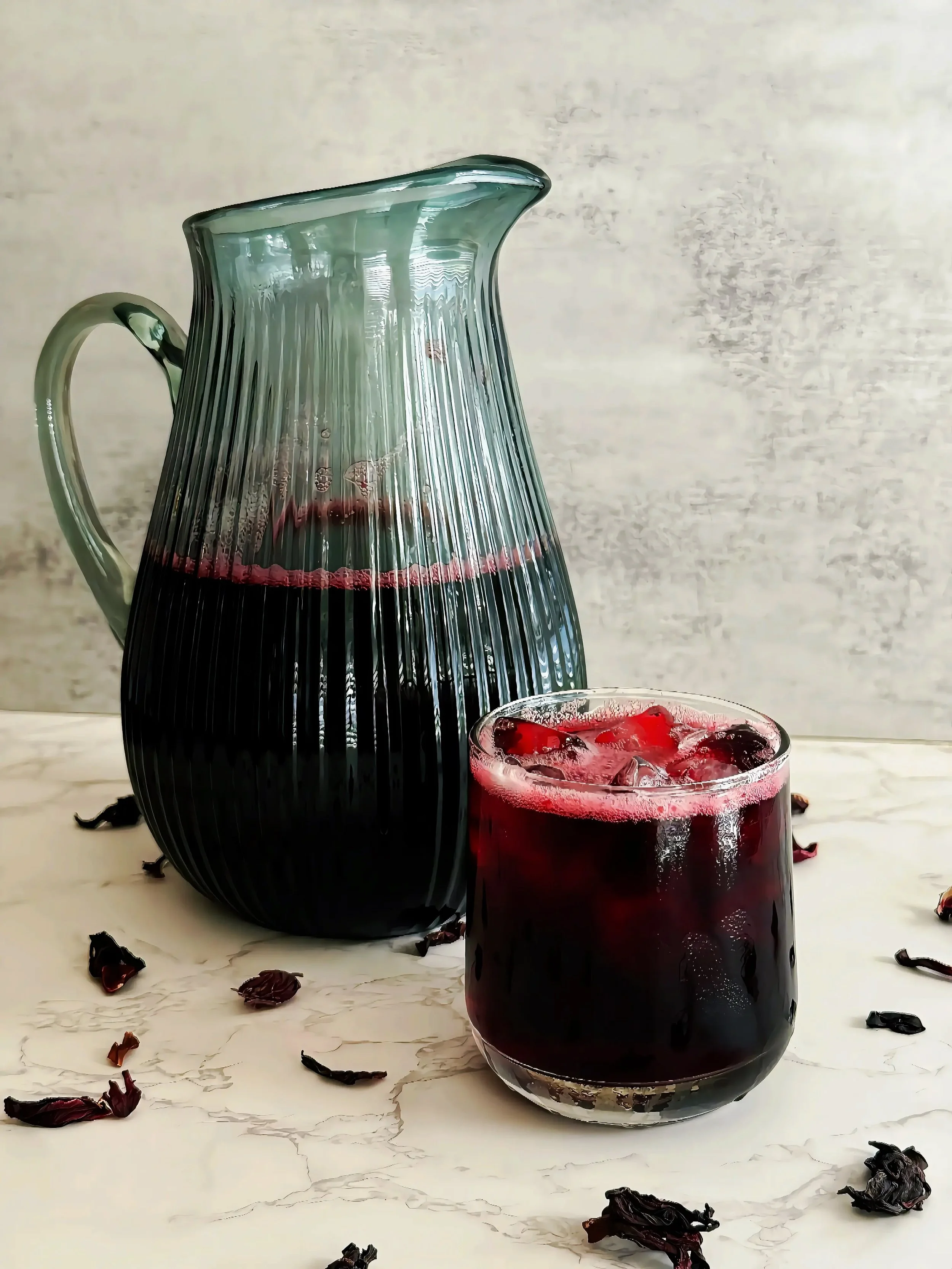
If you’ve never tried Agua de Jamaica it’s a traditional Mexican drink made with dried hibiscus flowers, water, and sugar. It had a deep red color and a naturally tart, floral flavor that’s similar to cranberry juice. I like adding a cinnamon stick for a little warmth without overpowering the flowers. It’s simple and refreshing.
What are aguas frescas?
Aguas frescas (which translates to “fresh waters”) are traditional Mexican drinks made with fruits, flowers, seeds, or grains mixed with water and usually sweetened with sugar. Unlike juice they’re typically diluted with water making them lighter and refreshing in hot weather. Some of the most popular ones include agua de Jamaica (hibiscus), horchata (rice and cinnamon), tamarindo (tamarind), and sandia (watermelon).
Surprising hibiscus relatives
Hibiscus is actually related to okra, cotton, and cacao. They all belong to the Malvaceae family (also known as the mallow family). What’s interesting is how differently we use these relatives. The hibiscus used in agua de Jamaica is harvested for its fleshy red calyces, okra is grown for its edible seed pods, cotton for its fibers, and cacao seeds we turn into chocolate. Despite their differences they share certain botanical characteristics including similar floral structures. That means your glass of hibiscus tea, bowl of gumbo, cotton t-shirt, and chocolate bar all have a distant botanical connection.
Baking soda and hibiscus
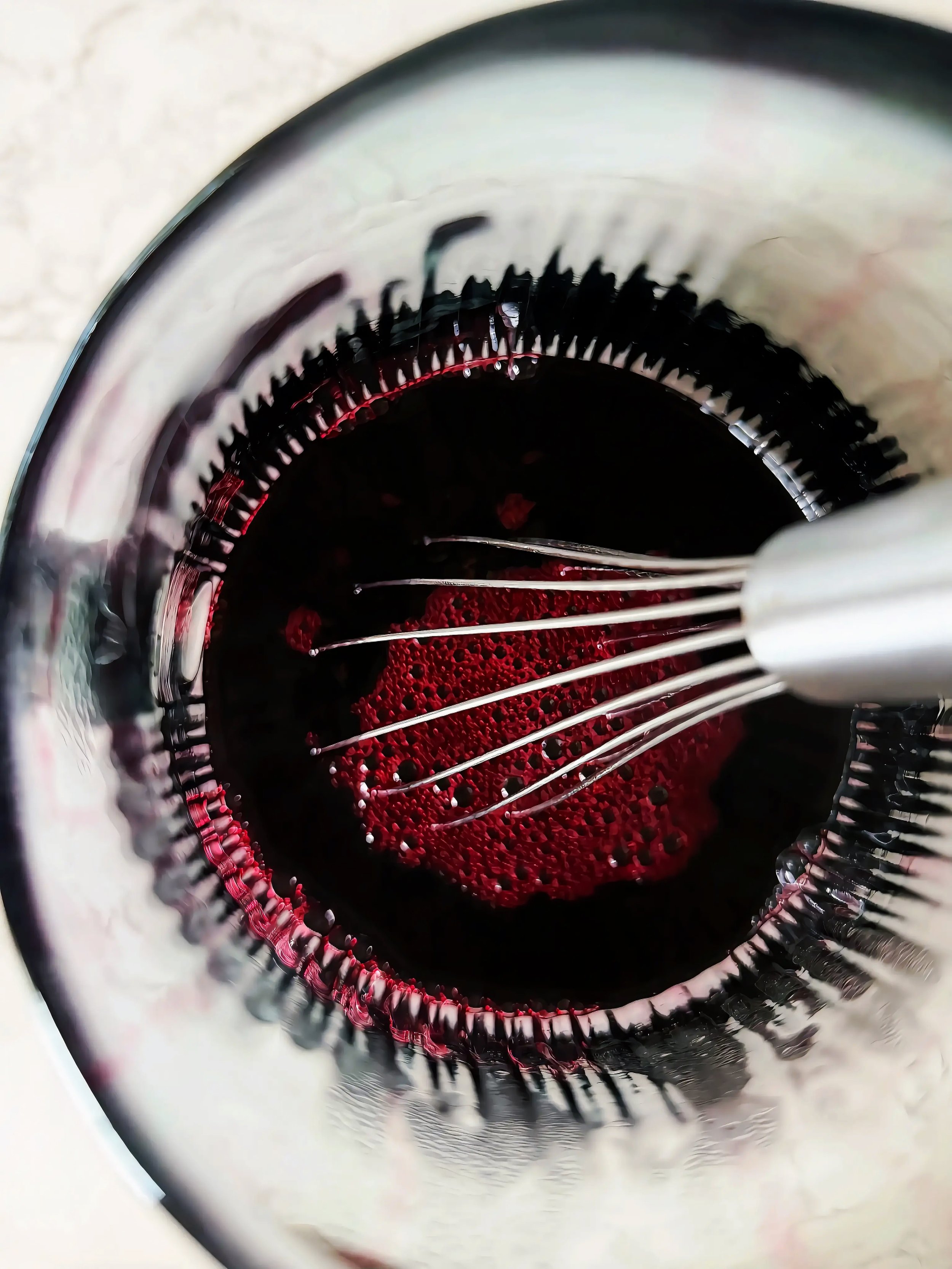
Adding baking soda to hibiscus tea can actually change its color Hibiscus contains anthocyanins; the same family of pigments responsible for the red, purple, and blue colors in foods like blueberries and red cabbage. These pigments are sensitive to pH meaning their molecular structure changes depending on how acidic or alkaline their environment is. Hibiscus tea is naturally acidic which keeps it deep red colors. Adding a little baking soda neutralizes some of that acidity and raises the pH potentially shifting the color toward purple, blue or even greenish shades. It’s essentially the same chemistry behind using red cabbage juice as a homemade pH indicator. Just don’t expect perfect blue every time since the final color depends on the concentration of pigments and how much baking soda you add.
Hibiscus isn’t just for drinking
Roselle (the type of hibiscus used to make agua de Jamaica can also be turned into jam or even used as a filling for tacos. The thick, fleshy red calyces have a naturally tart flavor and contain pectin (plant fiber that helps jams and jellies thicken). When cooked with sugar and a little water they soften and break down into a spread with a flavor somewhat similar to cranberry jam. For savory dishes the rehydrated calyces have a slightly chewy texture and can be sauteed with onions, garlic, and spices making them a great filling for tacos. You can even reuse the flowers after making agua de Jamaica though they will have a milder flavor after steeping. So instead of throwing them away you can turn them into something completely different.
How to make agua de Jamaica?
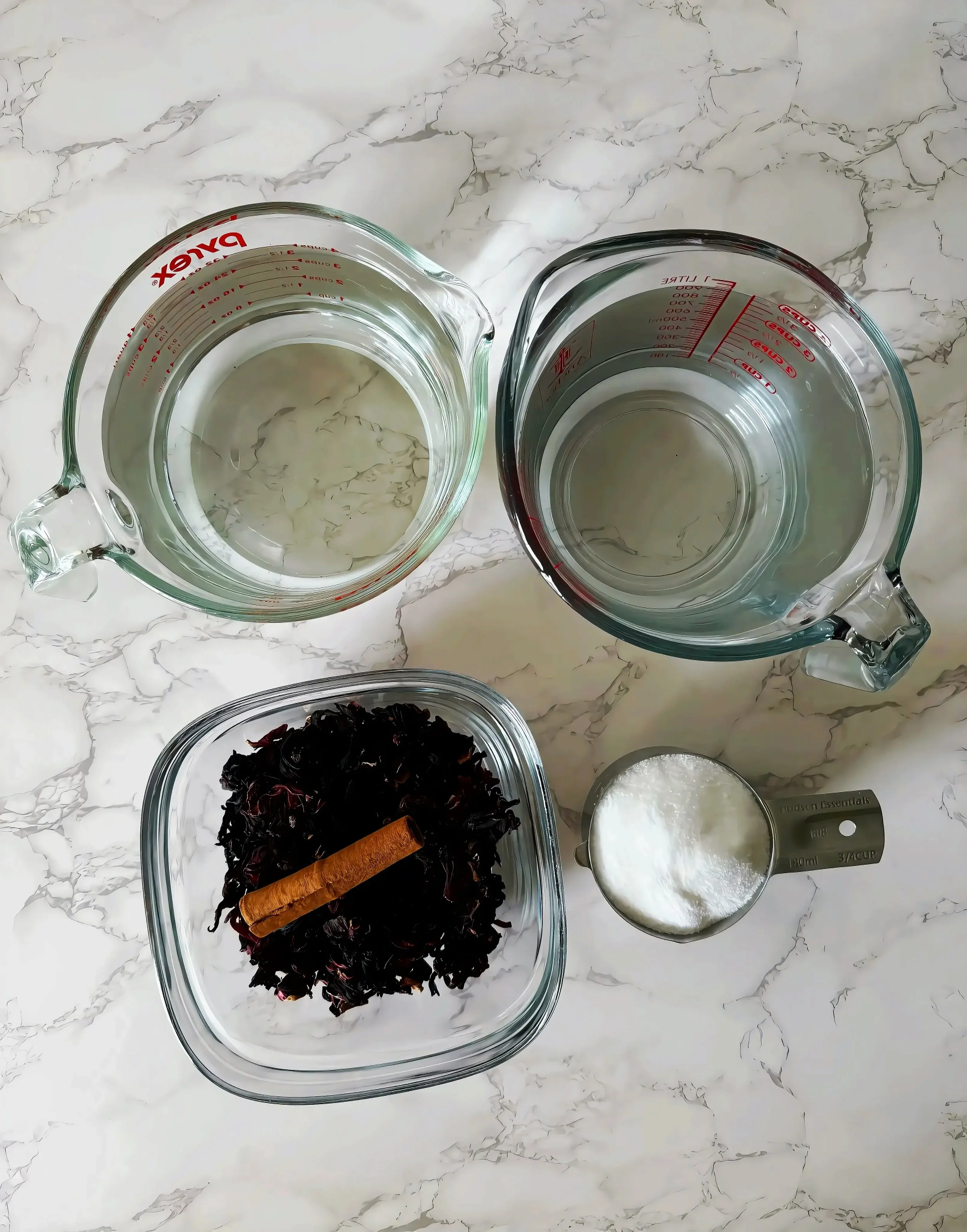
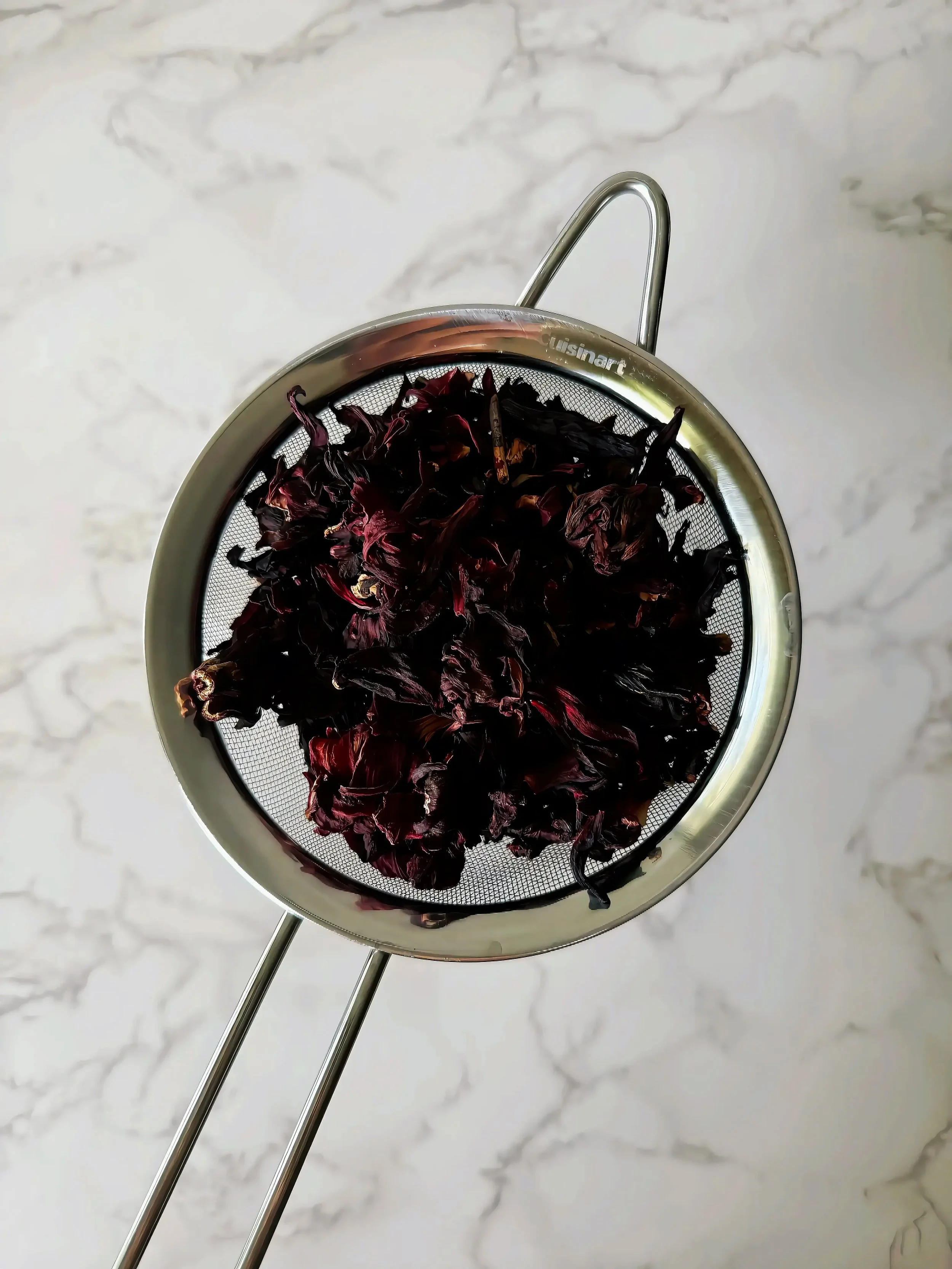
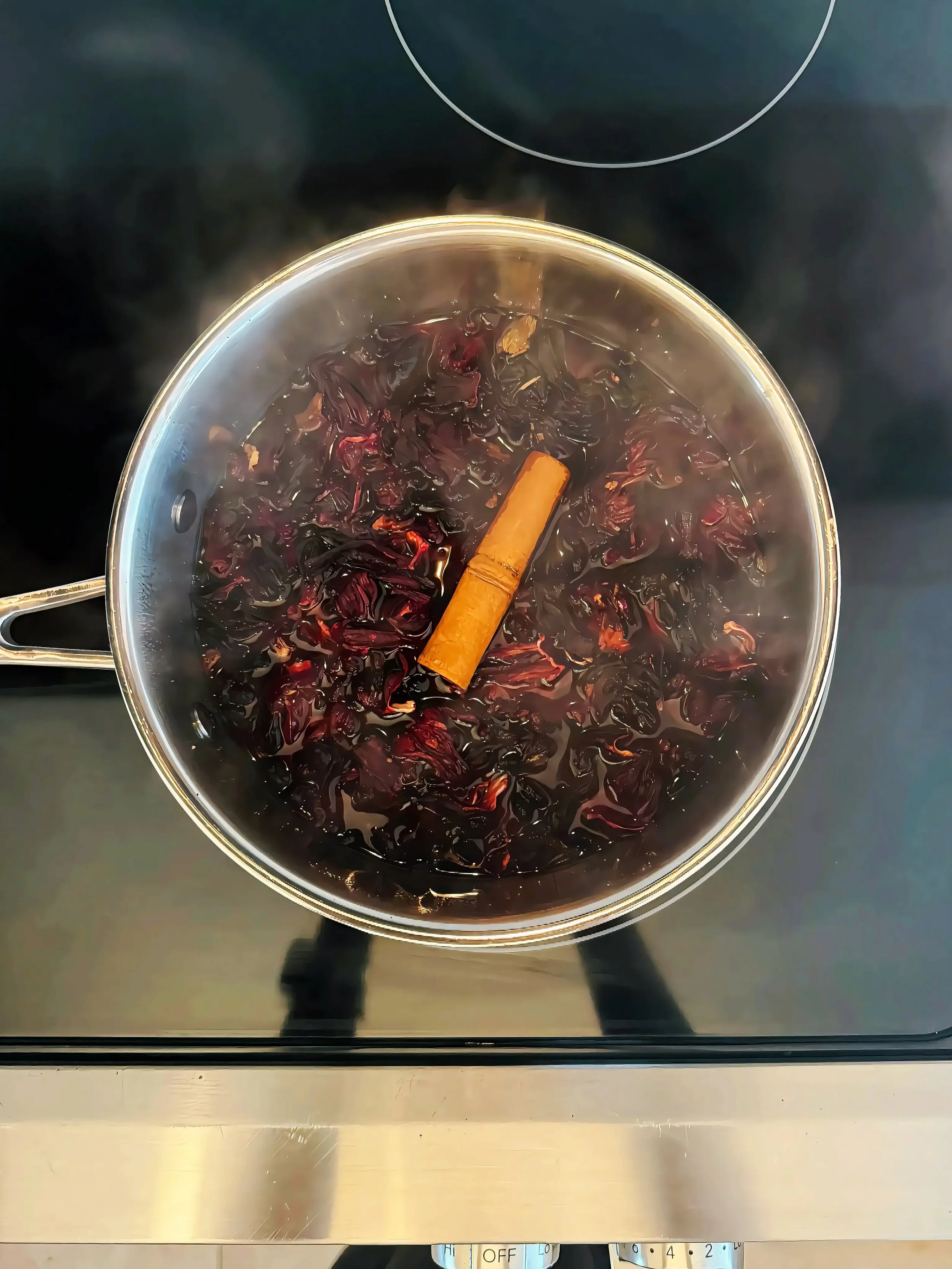
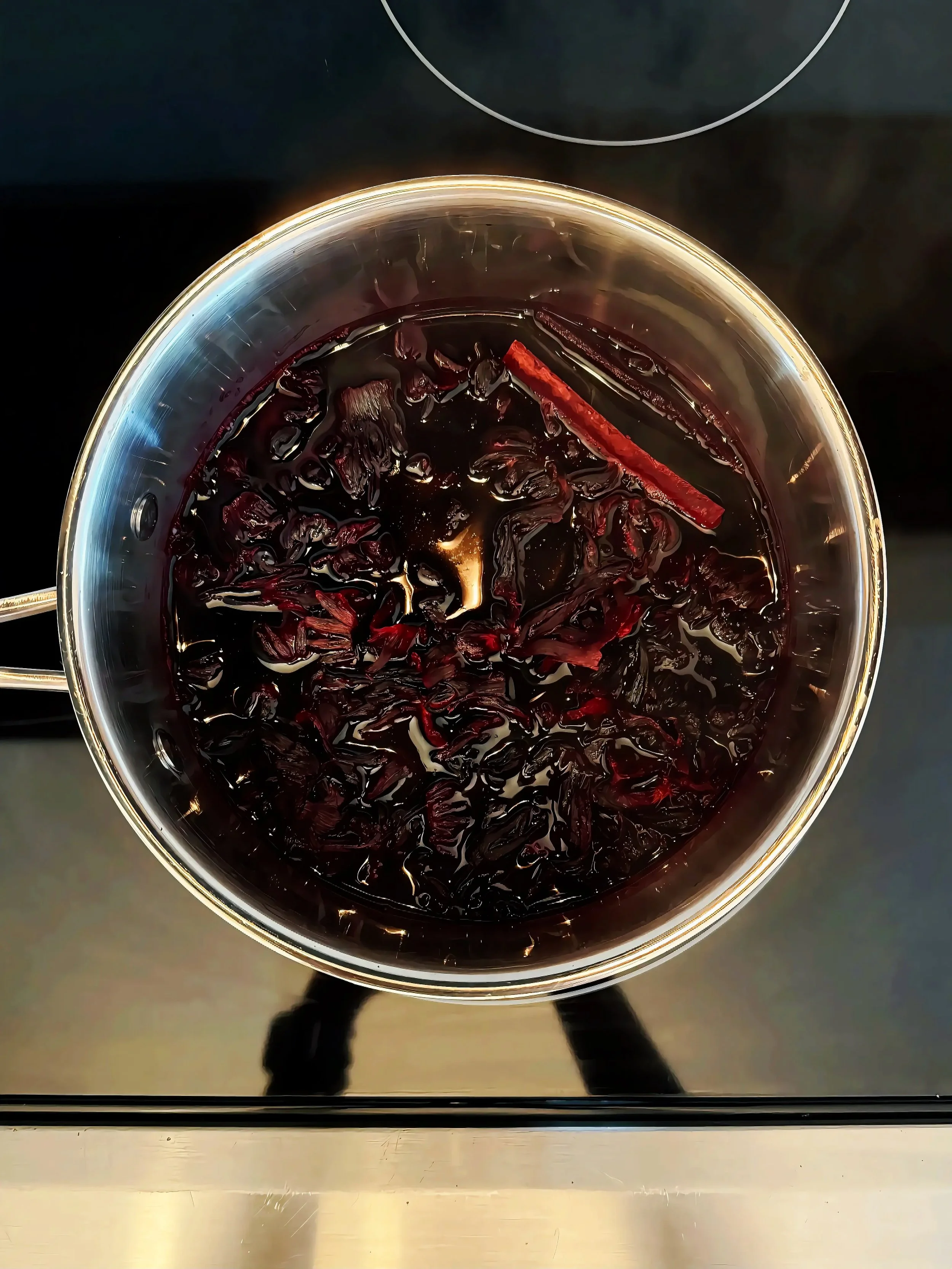
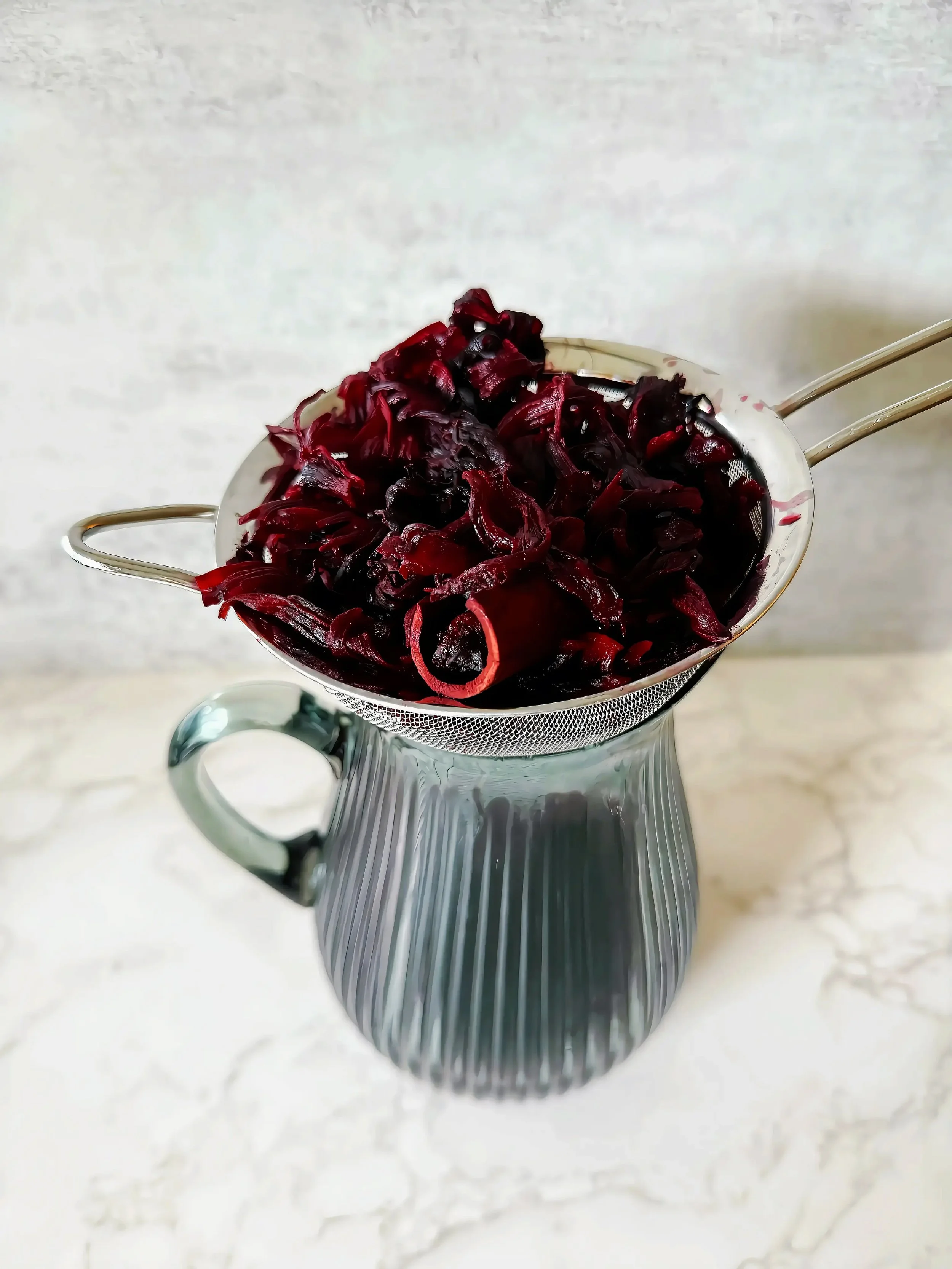
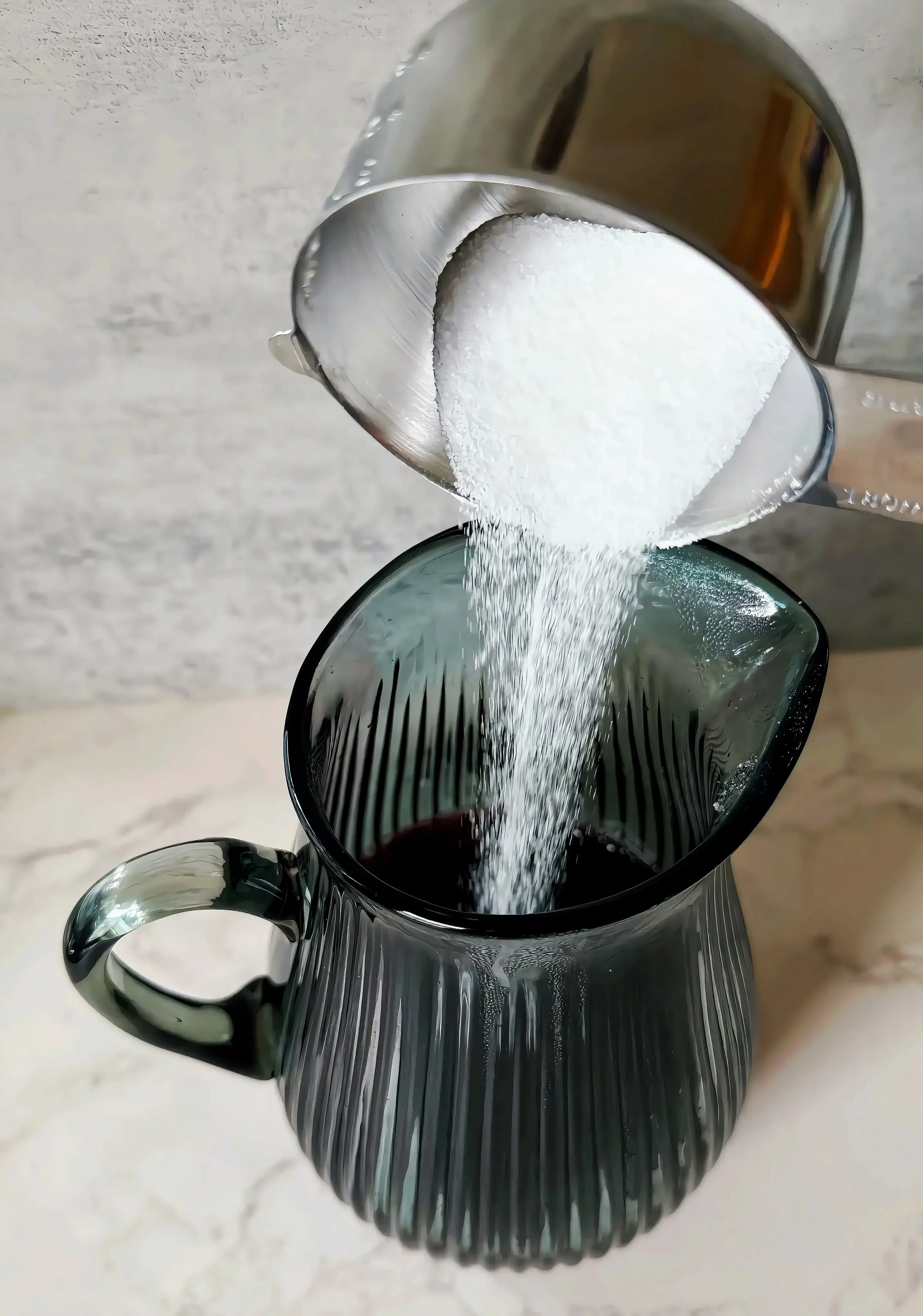
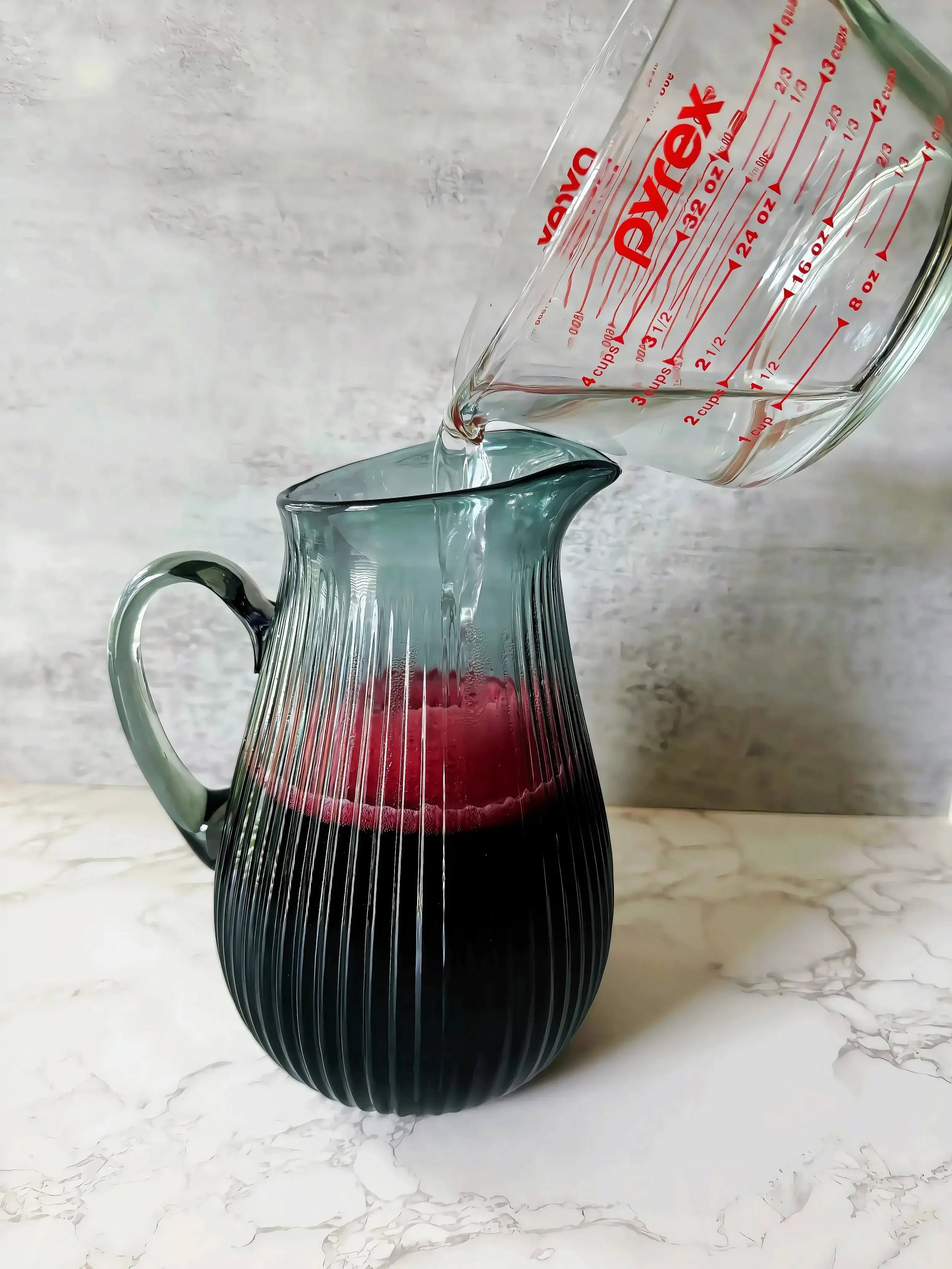
Place the dried hibiscus flowers in a fine mesh sieve and rinse with cool water to remove any dust or debris. Bring 4 cups of water to boil in a medium saucepan. Add the hibiscus flowers and cinnamon stick, then lower the heat to medium low and simmer for 10 minutes. Turn off the heat and let the hibiscus flowers and cinnamon stick steep for 15 minutes. Strain through a fine mesh sieve into a pitcher. Stir in sugar until completely dissolved. Add the remaining 4 cups of water and stir well. Refrigerate until chilled. Serve over ice.
Tips
Chill thoroughly. Agua de Jamaica tastes especially refreshing when cold and chilling allows the flavors to settle.
Save the strained flowers. They can be chopped and sauteed for tacos.