
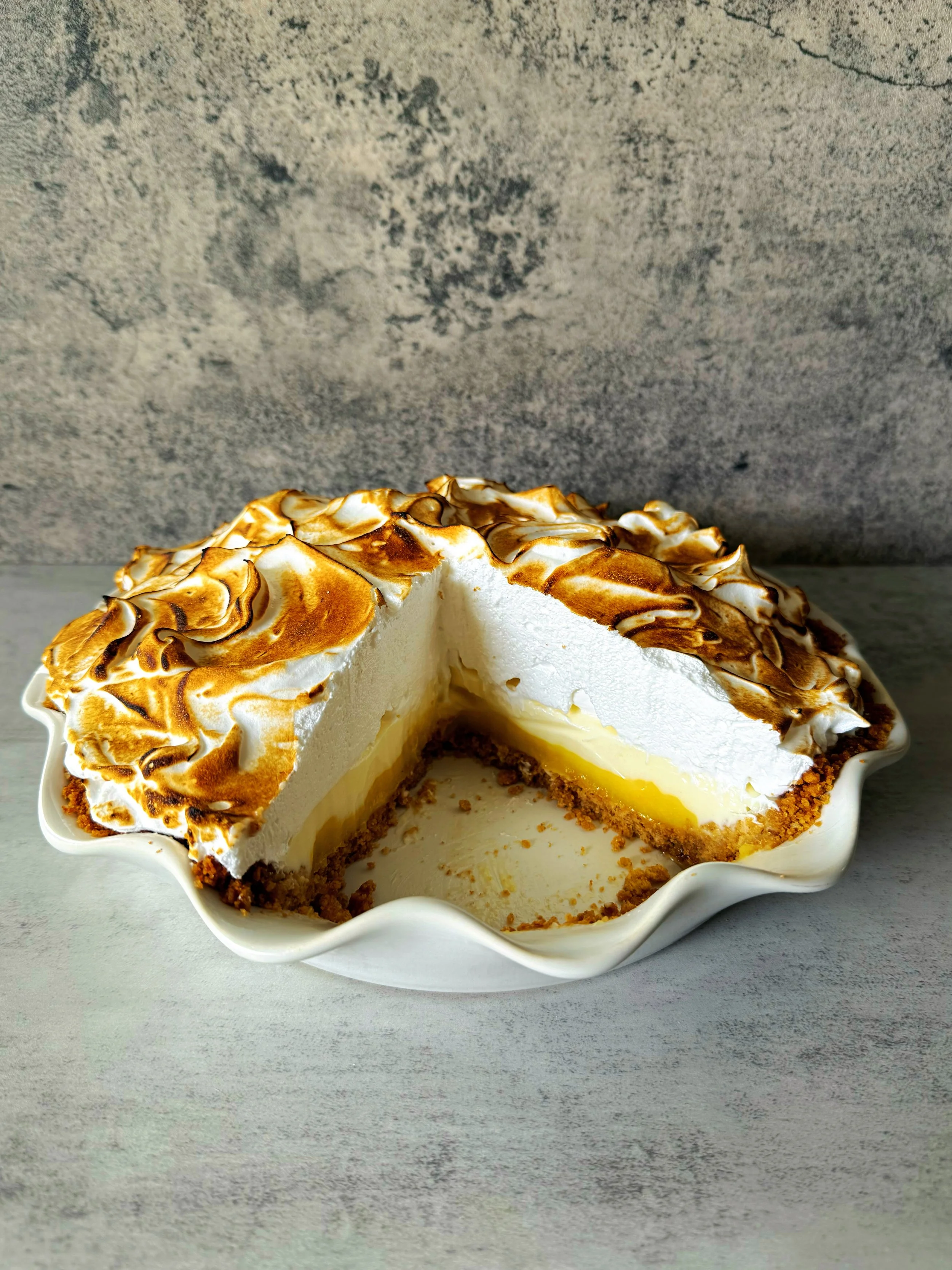
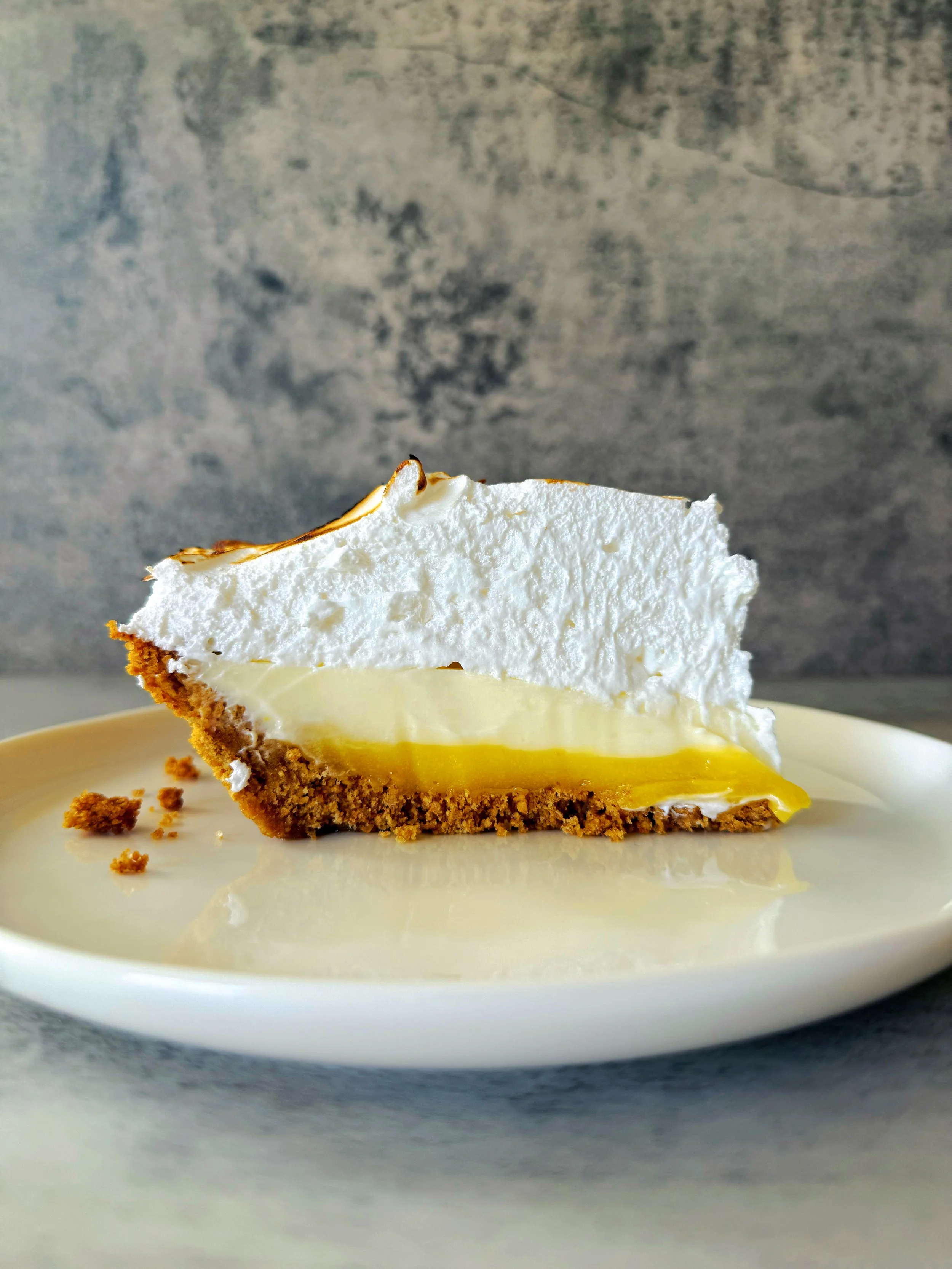
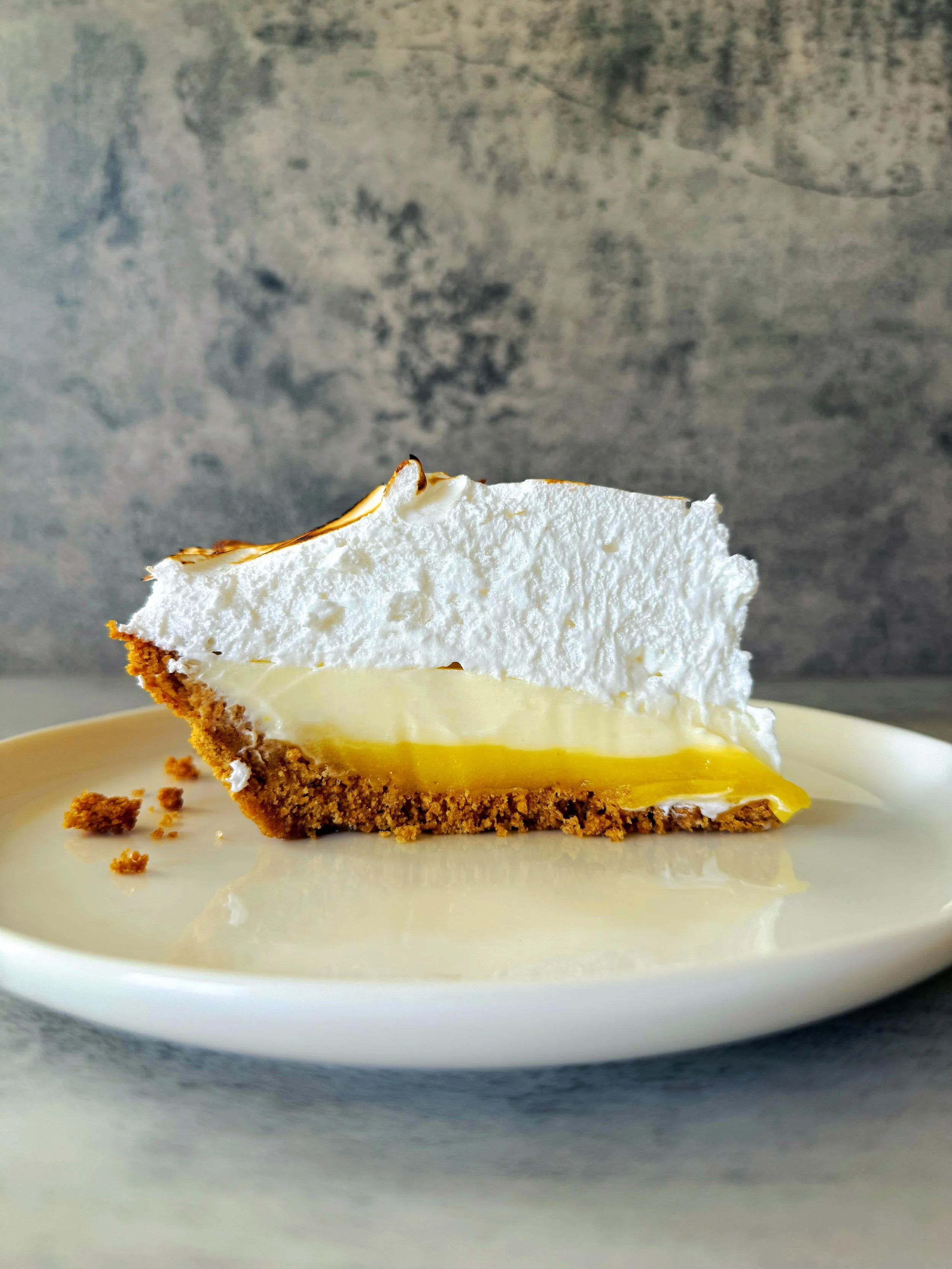
This lemon meringue cream pie has a buttery graham cracker crust, a layer of homemade lemon curd, and a thick lemon cream filling topped with toasted meringue. It’s rich and creamy without being overly sweet with plenty of tart lemon flavor to balance everything out. There are a few separate components to make but none of them are particularly complicated and most of the time is spent waiting for everything to chill and set.
People used to make pies with live birds
During medieval and early modern European banquets elaborate pies were sometimes used for entertainment rather than eating. Live birds could be hidden inside specially constructed pastry shells then released when the pie was opened. The whole point was to surprise guests because serving dinner wasn’t entertaining on its own. The nursery rhyme “sing a song of sixpence” with its 4 and 20 black birds baked in a pie is often associated with this bizarre tradition.
Meringue can cry
Those little droplets of liquid that sometimes appear on the surface are called weeping and they form when moisture separates from the egg white foam. This can happen when the sugar hasn’t fully dissolved, the meringue is over or under cooked, or moisture builds up during storage. Sugar helps stabilize the foam by holding onto water but if the structure starts breaking down that moisture can escape. It’s completely normal to see a little weeping.
History of lemon meringue pie
Lemon custards, pastry crusts, and meringues had all been around for centuries before someone thought to combine them. By the 18th century European cooks were already experimenting with lemon filled pastries topped with beaten egg whites but the dessert we recognize today became more established during the 19th century. American cookbooks helped popularize it though there’s still some debate over who deserved credit for inventing it.
This lemon pie is basically a chemistry experiment
This lemon meringue cream pie is basically a chemistry experiment with a graham cracker crust. When you heat the yolks with lemon juice and sugar the proteins unfold and bond together thickening the curd into a smooth custard. Adding butter creates an emulsion helping give the curd its rich and silky texture. The lemon cream works a little differently. Boiling the heavy cream with sugar and then adding lemon juice causes the acid to interact with the dairy proteins allowing the mixture to thicken and set as it cools. Then finally whipping the egg whites traps air inside a network of proteins while the sugar helps stabilize those bubbles and creates the structure that allows the meringue to hold its shape. Three different types of food chemistry happening in one pie and somehow the most difficult part is waiting for it to chill!
Fun facts about lemons
Lemons are technically berries while strawberries aren’t.
Lemons are hybrids of sour oranges and citrons.
Lemons can be fully ripe while still green.
Lemon juice was historically used as invisible ink.
Lemon juice can turn purple cabbage bright pink.
Lemon trees have thorns that can grow several inches long.
Lemons helped prevent scurvy centuries before vitamin C was found.
Lemon juice can cause milk proteins coagulate without heat.
Lemons were once considered an antidote
Lemons were once believed to protect against poison. In ancient Rome the naturalist Pliny the Elder described citron (close relative to lemon) as an antidote to various poisons including snake venom. One story claimed that criminals sentenced to be killed by venomous snaked survived after eating citron beforehand. Its protective qualities were taken seriously enough that citrus appeared in various medicinal traditions for centuries. Citron and lemon were not always clearly distinguished in historical accounts which is partly why lemons became associated with these beliefs. While citrus fruits do contain beneficial compounds there’s no scientific evidence that eating them can neutralize snake venom or other serious poisons.
Lemons can make vegetables change color
Lemon juice can change the color of vegetables because its citric acid lowers their pH affecting certain natural pigments. Red cabbage, red onions, purple cauliflower, and purple sweet potatoes contain pigments called anthocyanins which change their molecular structure depending on acidity. In acidic conditions these pigments generally become redder or pinker while alkaline conditions can turn them blue, green, or yellowish. That’s why adding lemon juice to purple cabbage can turn it bright pink and soaking red onions in lemon juice makes their color more vibrant. Green vegetables chlorophyll is sensitive to acid which can replace the magnesium at the center of the pigment molecule and turn bright green vegetables like broccoli, spinach, and green beans a dull olive color during cooking. The same ingredient that makes purple vegetables brighter can make green ones less appetizing.

How to make lemon pie?
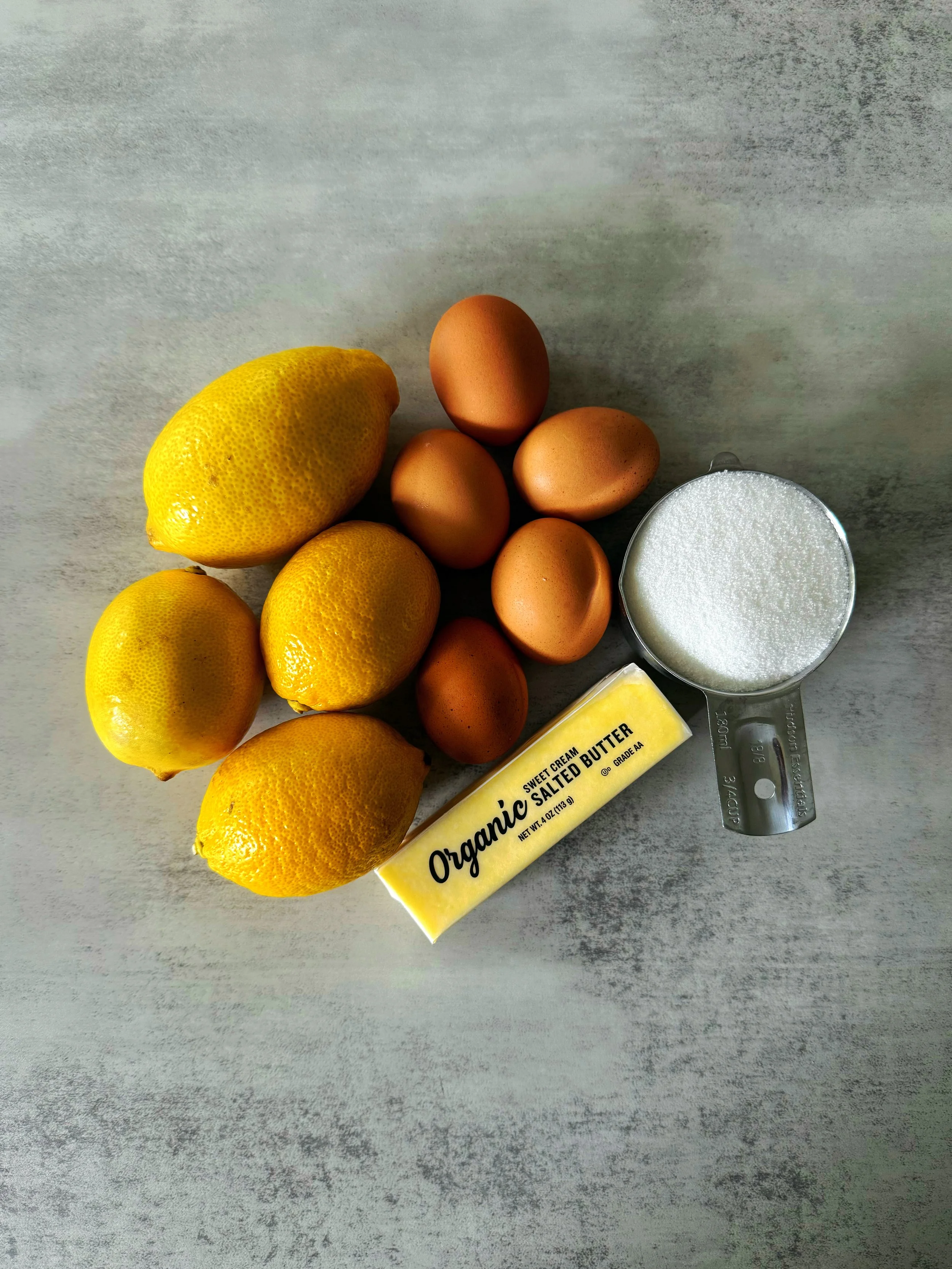
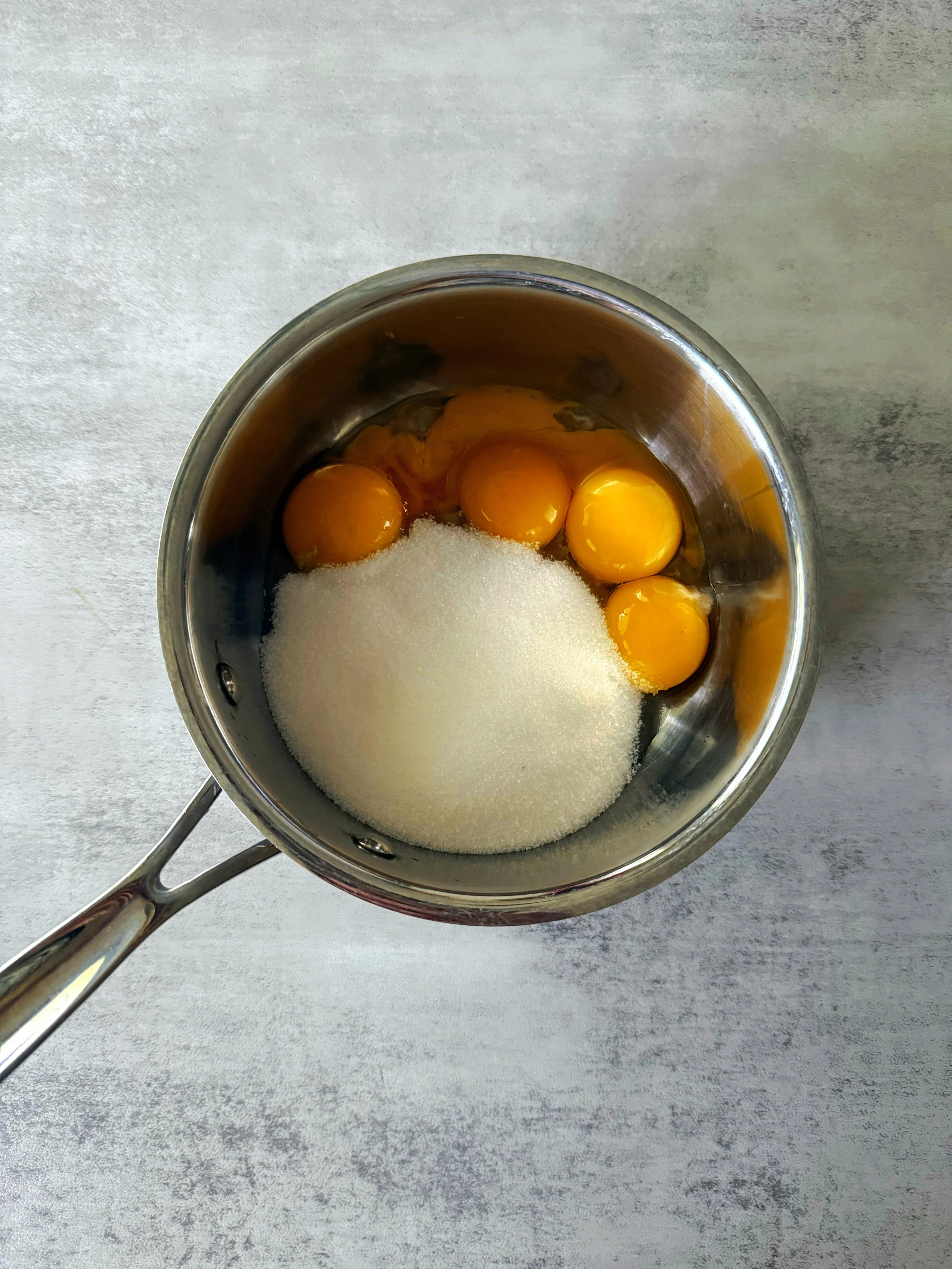
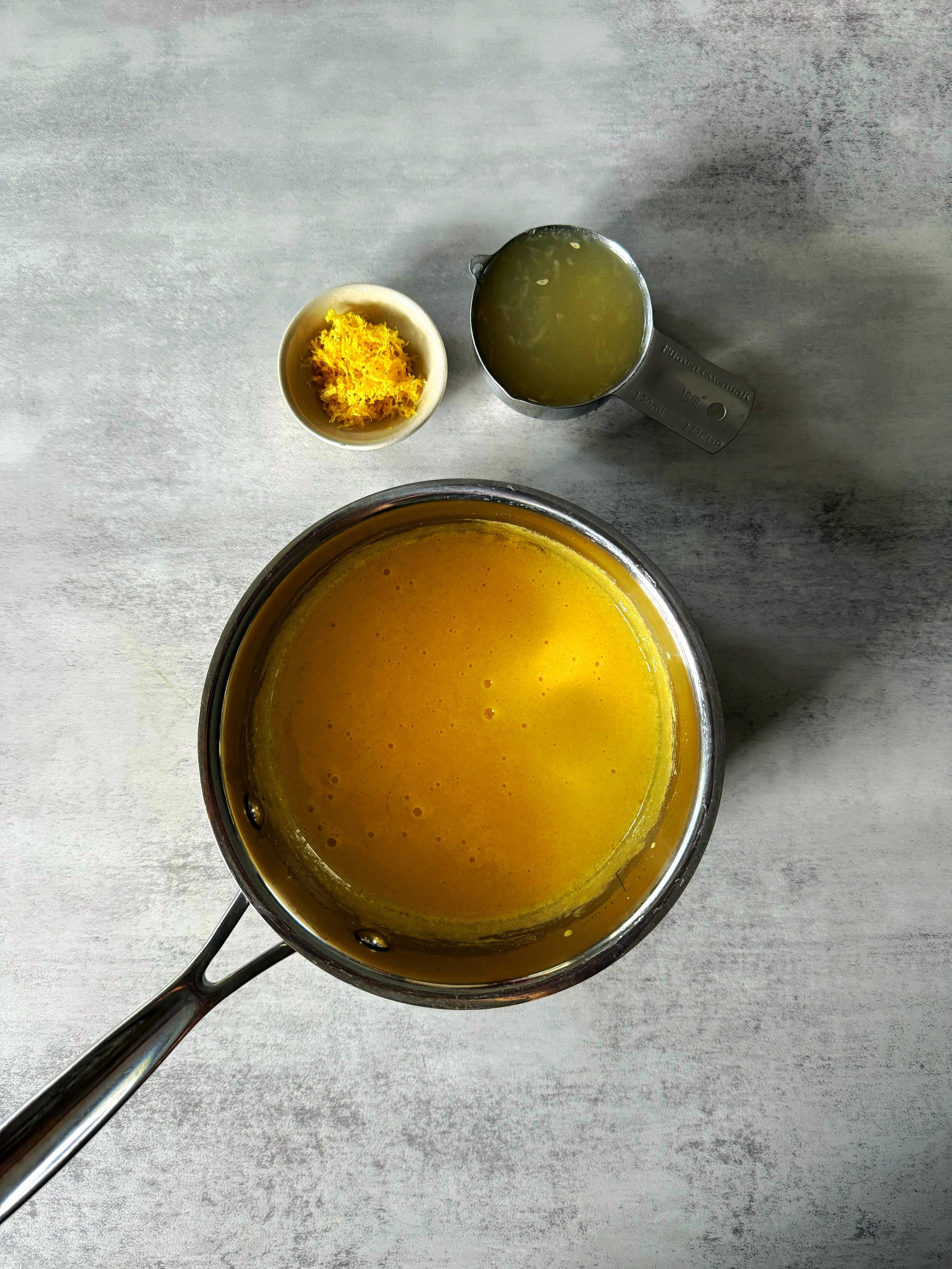
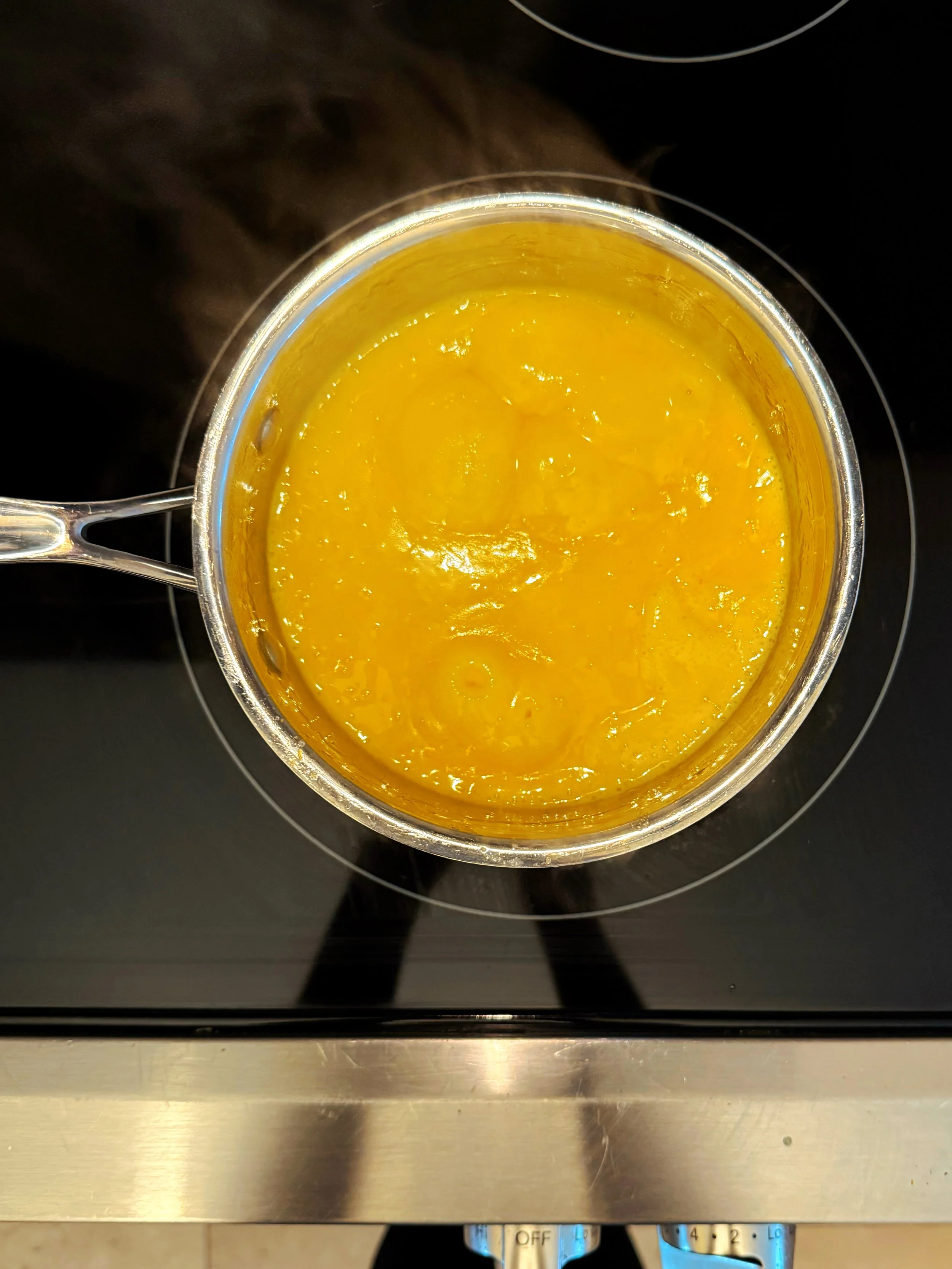
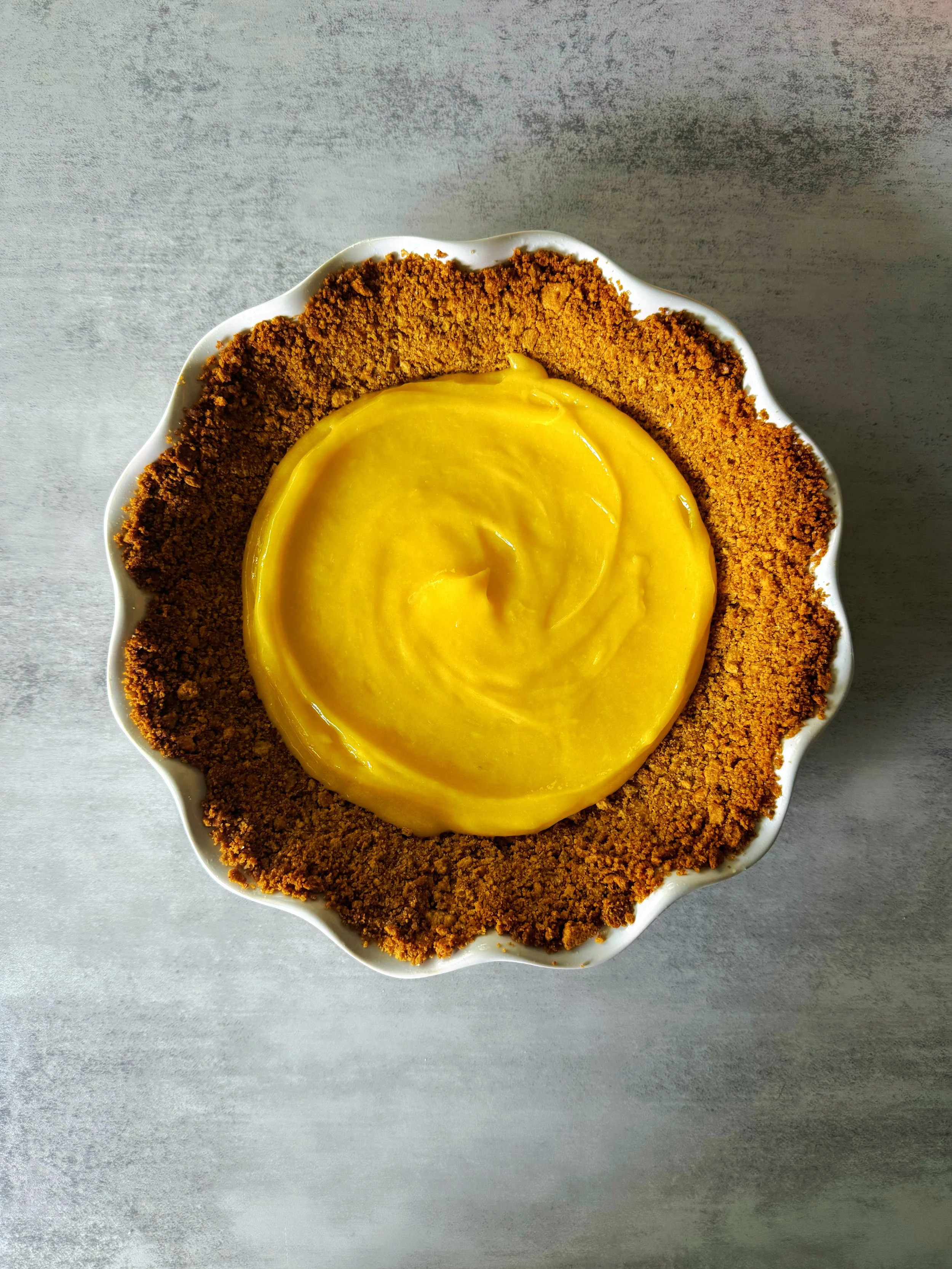
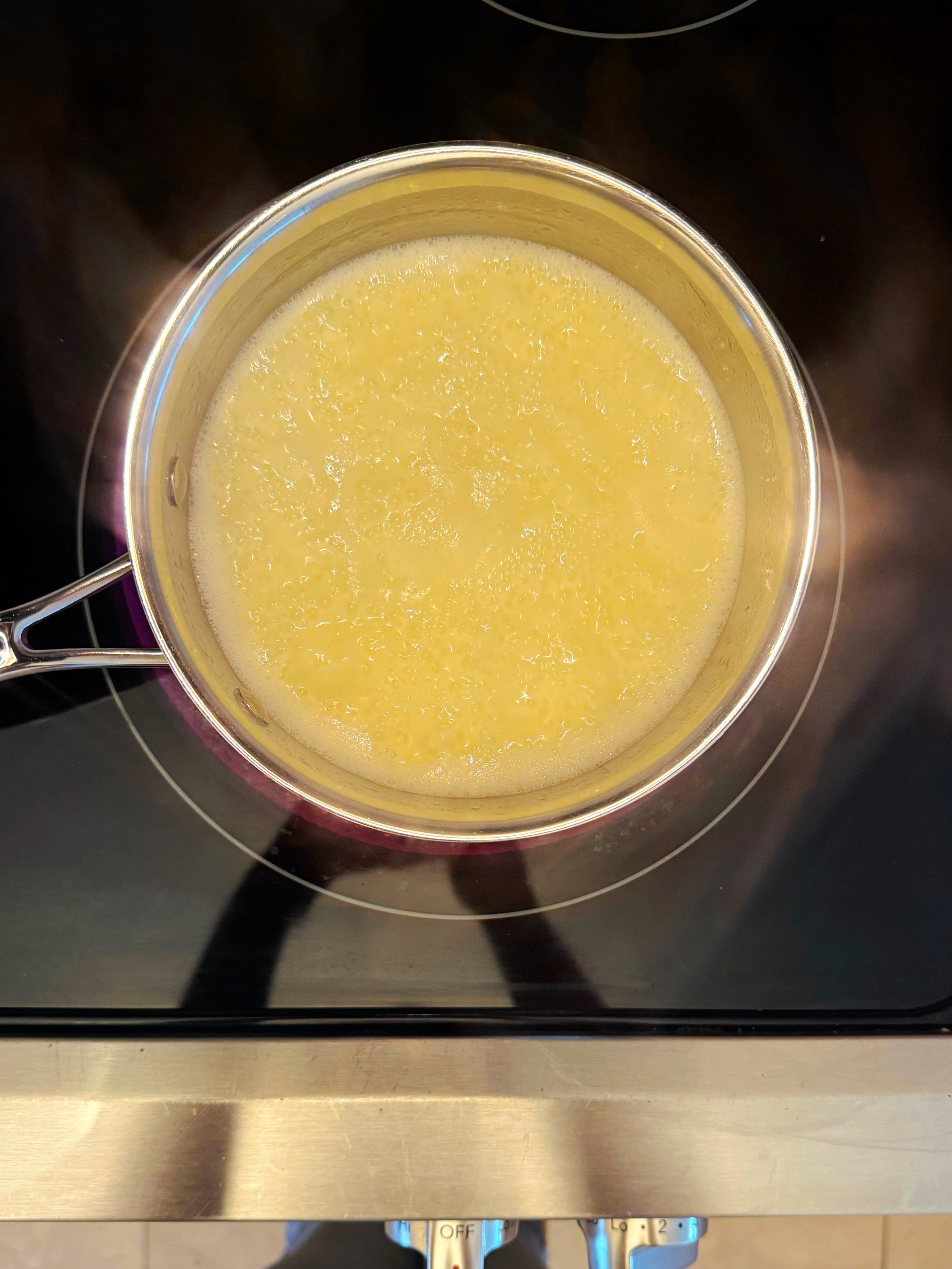
First make the lemon curd. In a medium sauce pan whisk together 5 yolks and 3/4 cup sugar until smooth. Then add 1/2 cup lemon juice, 1 tbsp lemon zest and a pinch of salt. Cook over medium low heat stirring constantly until thickened enough to coat back of a spoon, about 8-12 minutes.
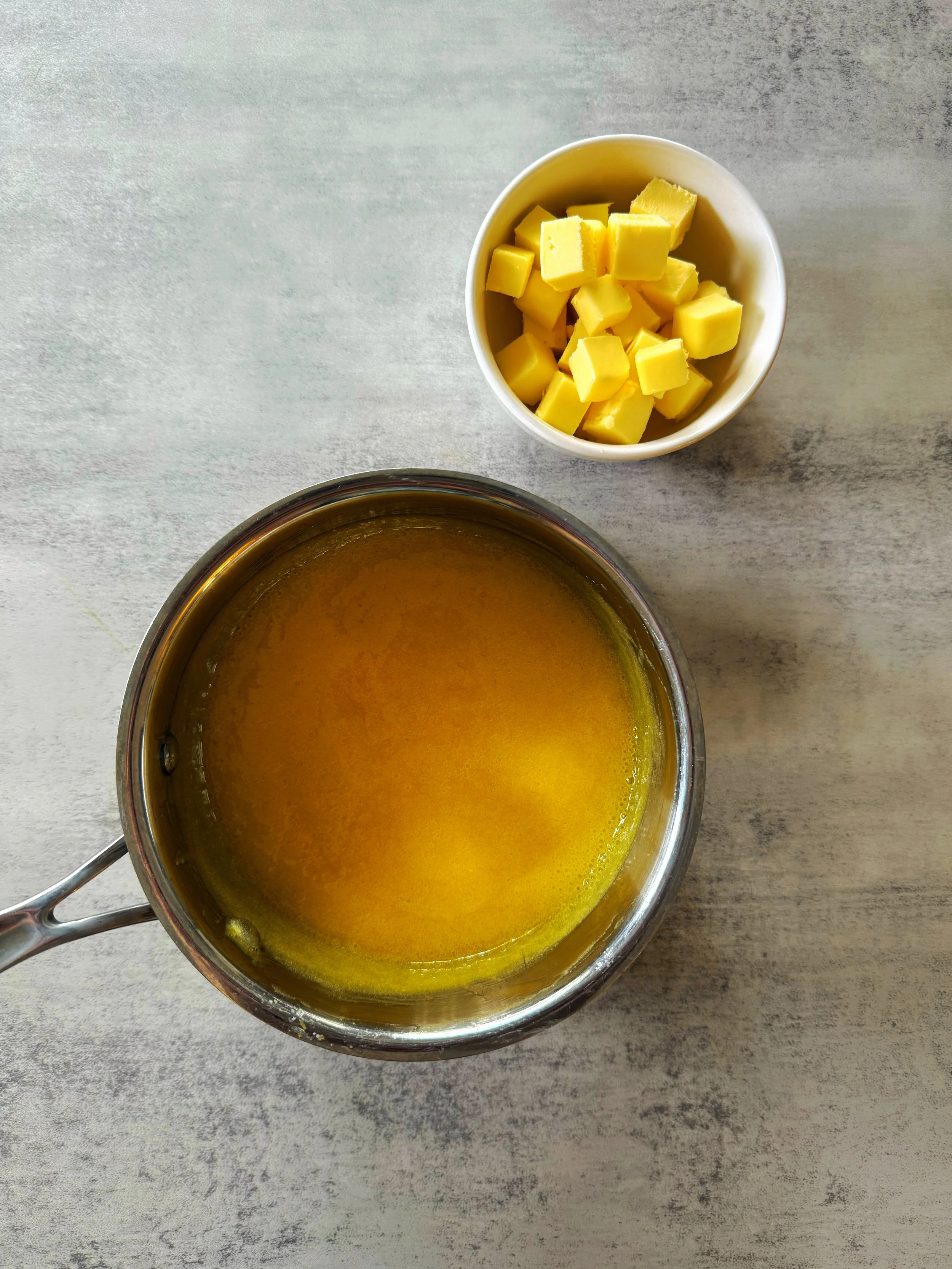
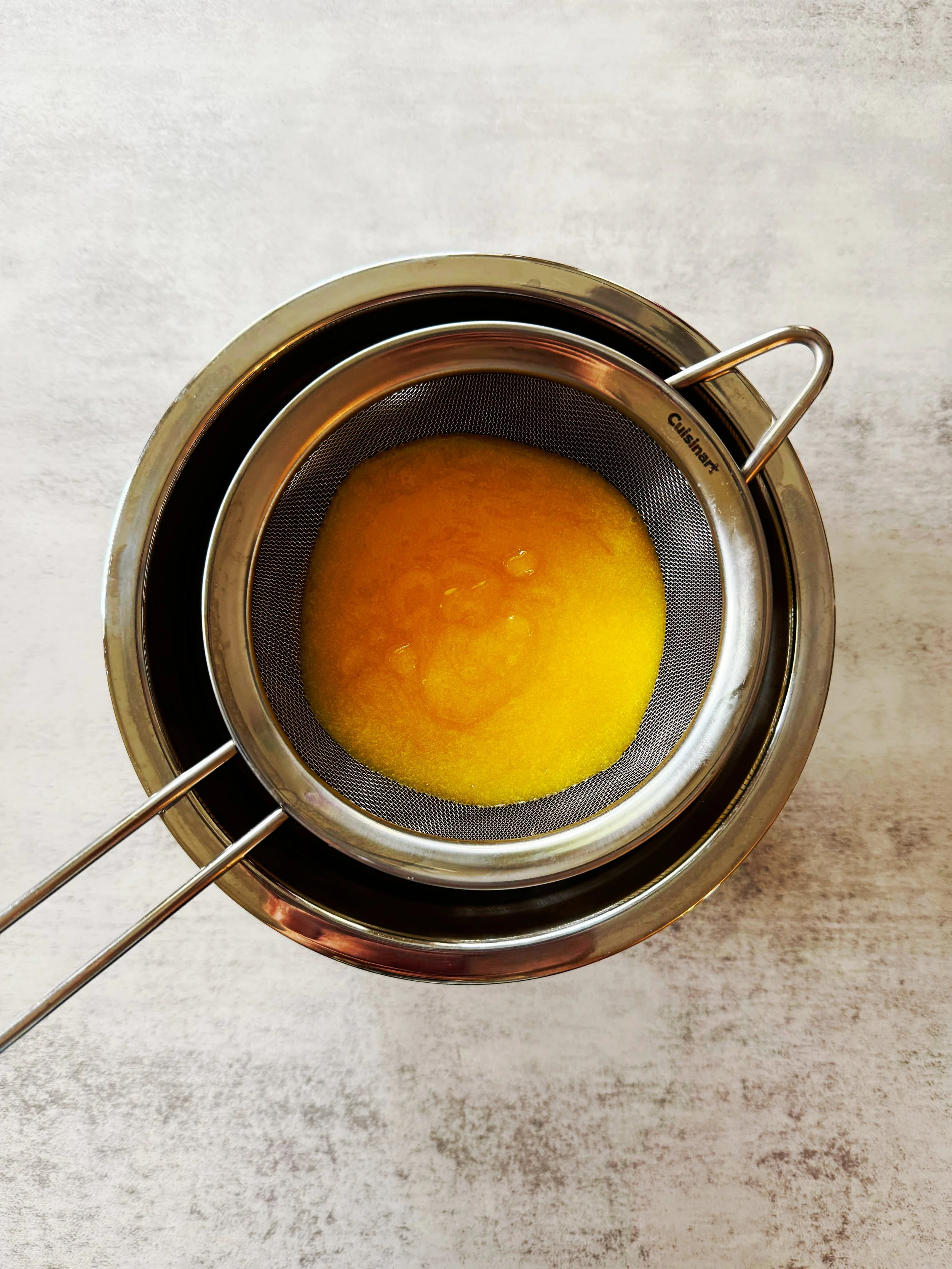
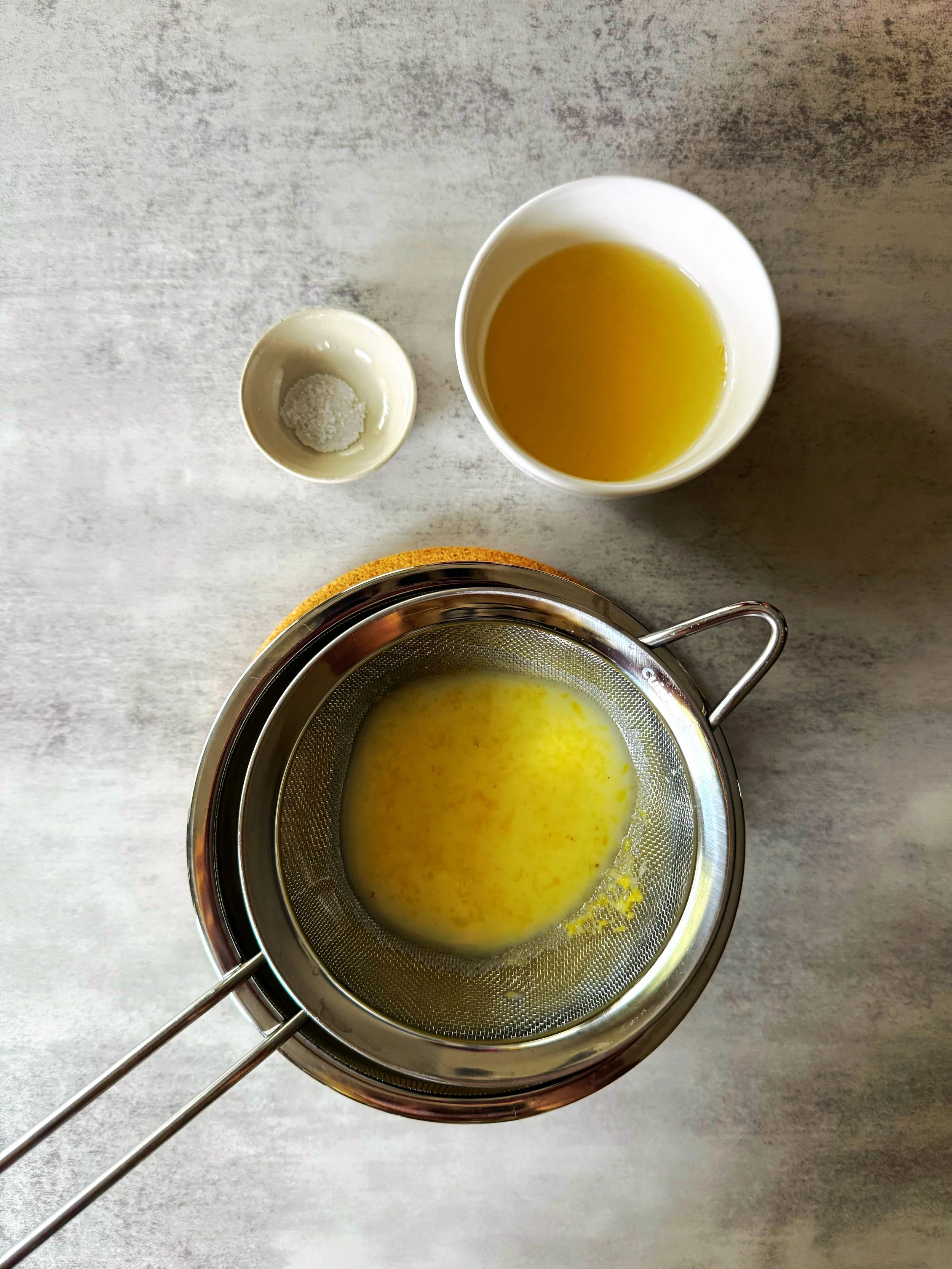
Remove from heat and stir in 8 tbsp cubed butter. Strain through a fine sieve into a bowl, cover and refrigerate 4 hours or overnight.
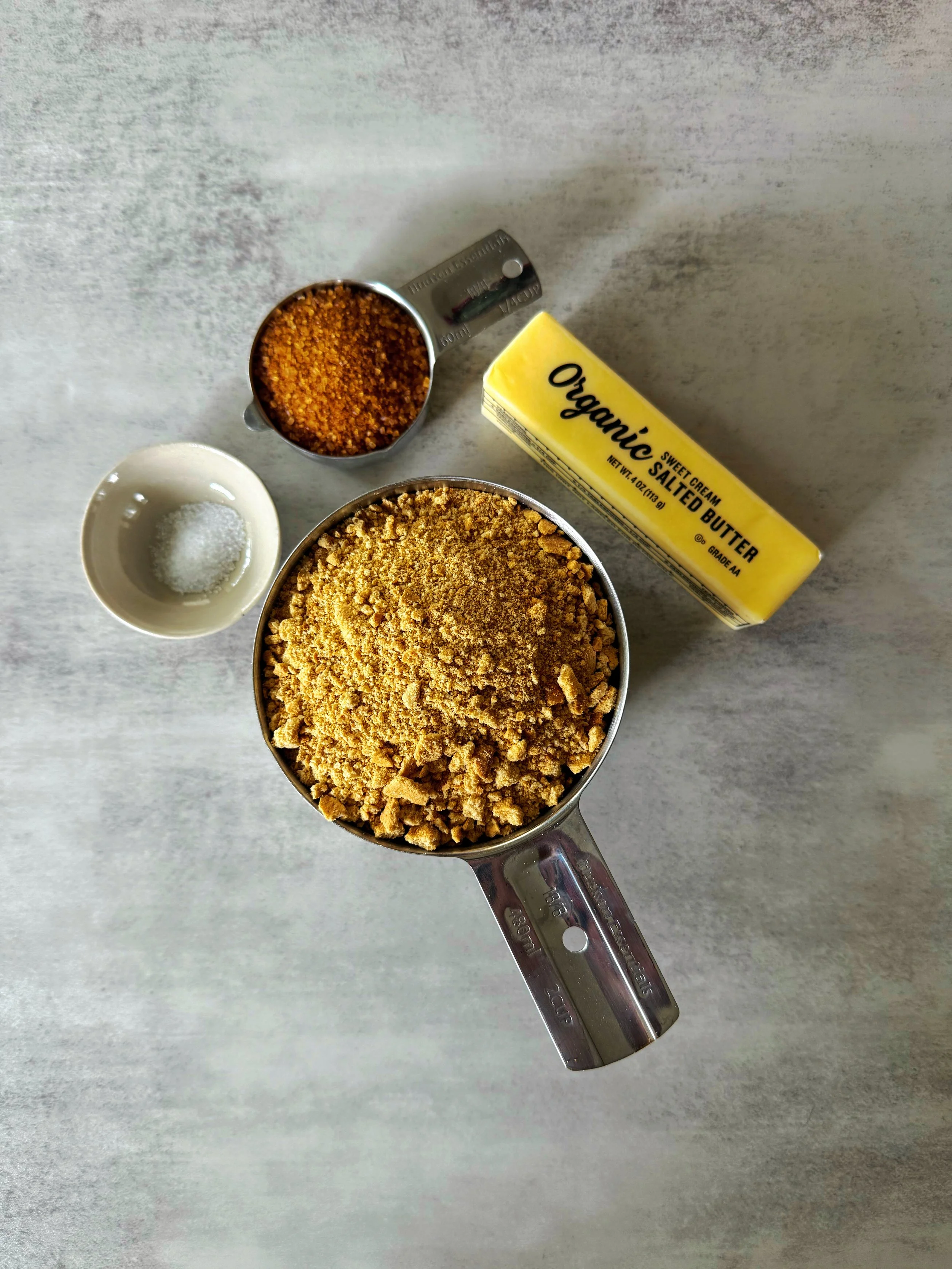
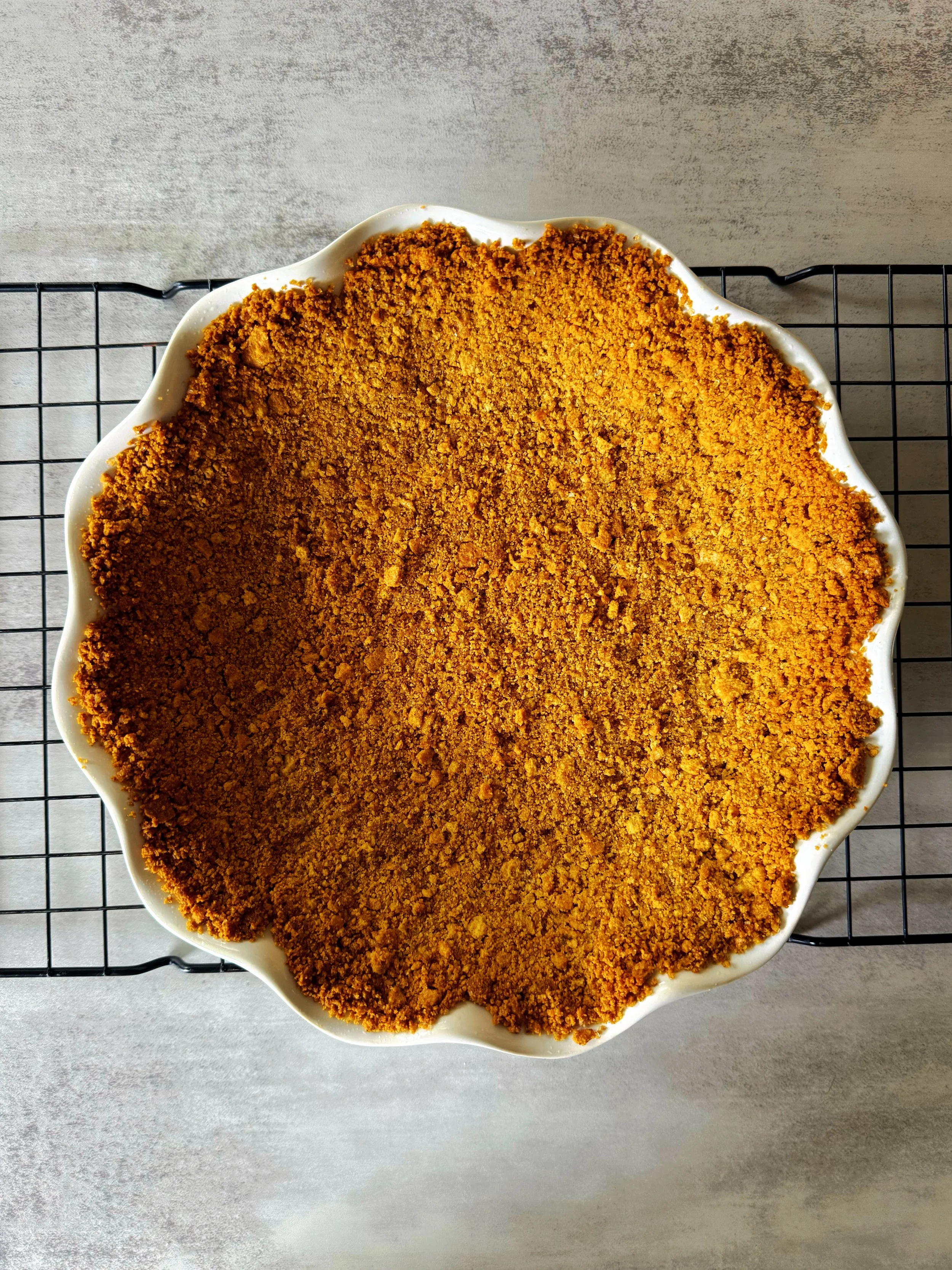
To prepare the graham cracker crust preheat the oven to 350f. In a medium bowl mix together 2 cups graham cracker crumbs, 8 tbsp melted butter, 1/4 cup brown sugar and 1/4 tsp salt. The texture should resemble wet sand. Press it firmly into the bottom and sides of the pie dish and bake for 10-12 minutes until golden and fragrant. Cool completely on a wire rack.
Fill the bottom of the pie with the prepared lemon curd. Cover and refrigerate for 1-2 hours until set.
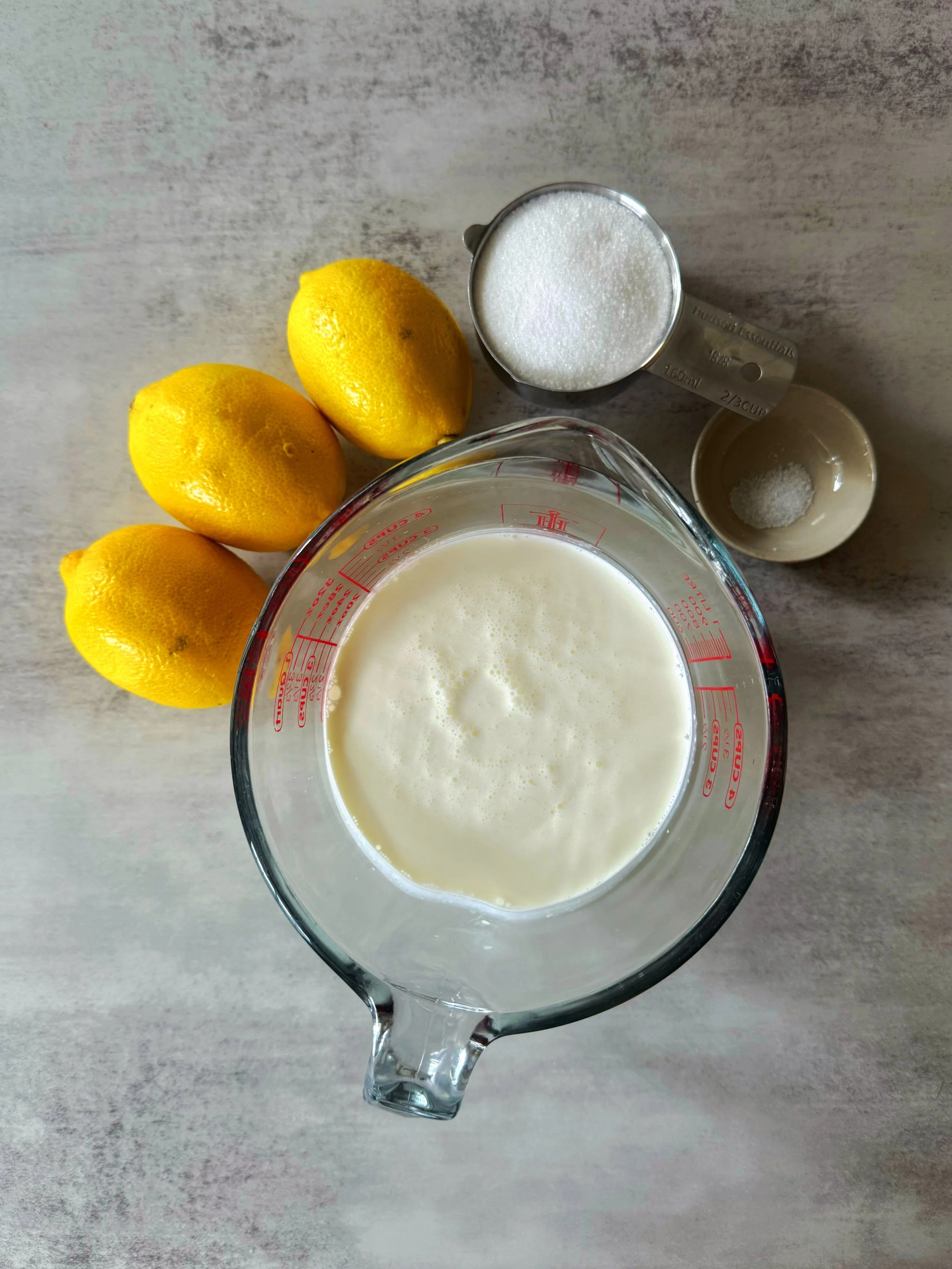
Make the lemon cream filling. Bring 2 cups heavy cream and 2/3 cup sugar to a gentle boil in a small pot. Turn the heat down to medium low and stir in 1 tbsp lemon zest and simmer for 5 minutes. Strain through a fine sieve and discard the solids. Stir in 1/8 tsp salt and 6 tbsp lemon juice.
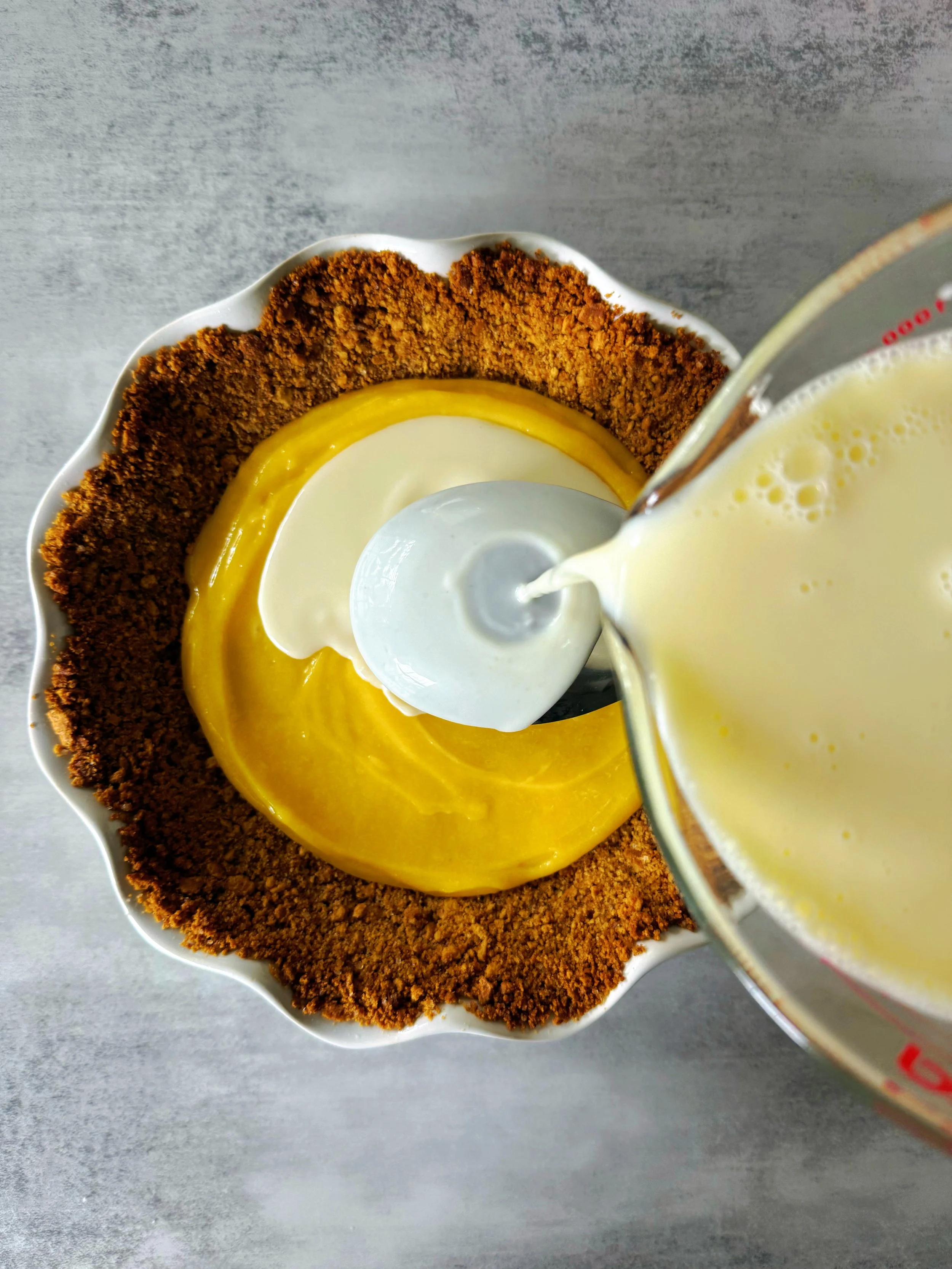
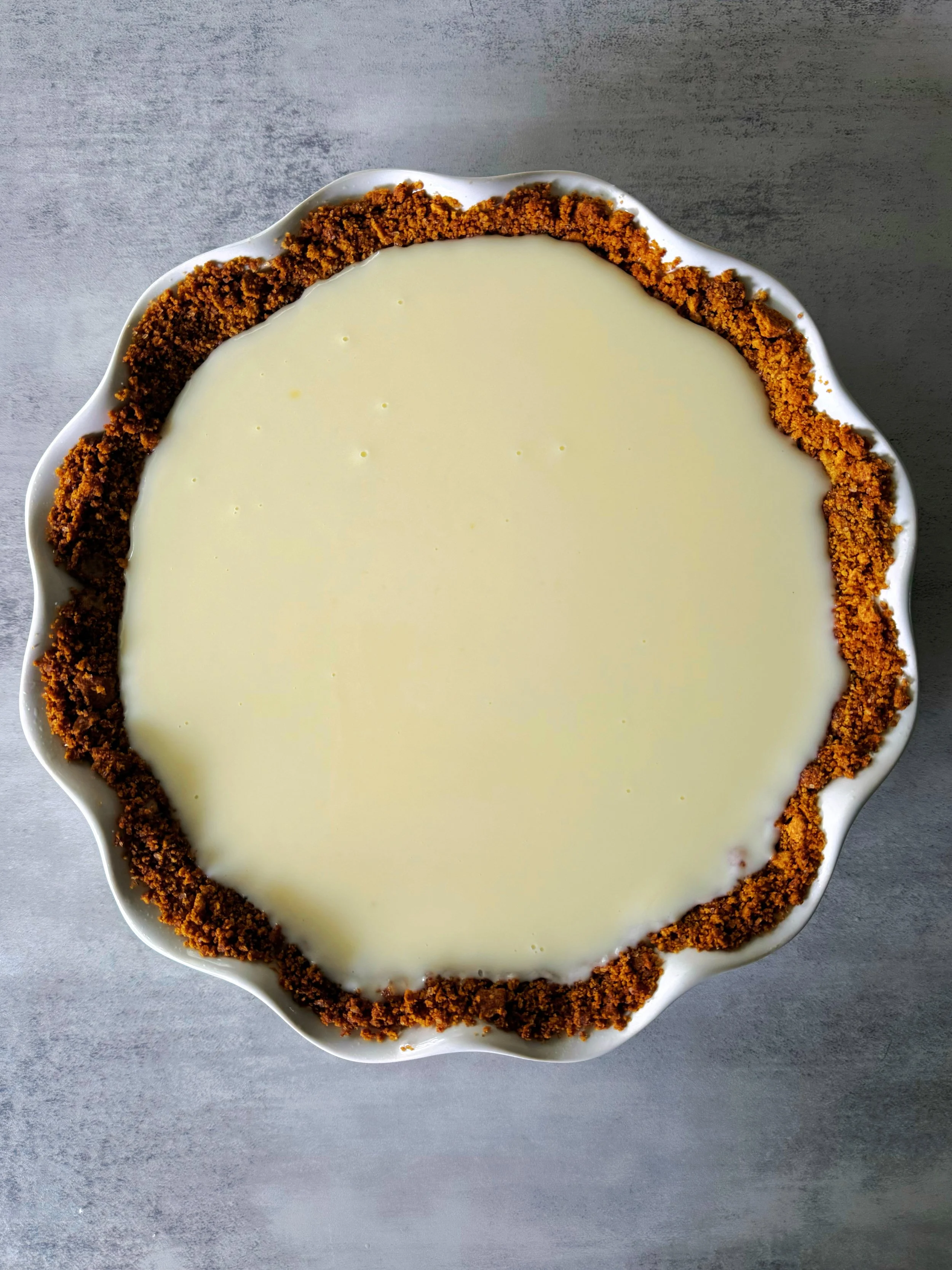
Once the lemon cream filling has cooled and is lukewarm pour it slowly over the back of spoon on top of the lemon curd to preserve layers. Cover and refrigerate for 6 hours to overnight.
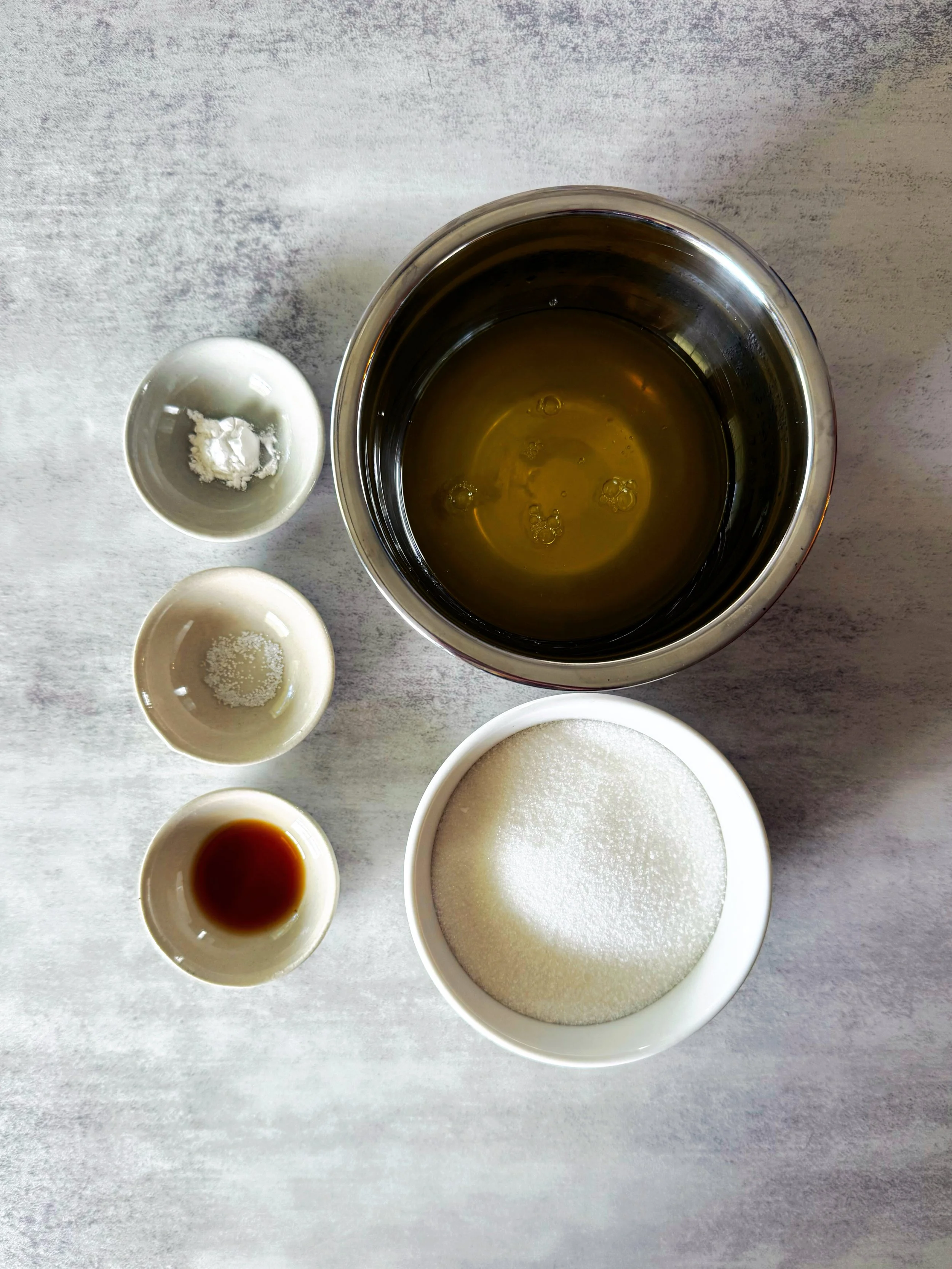
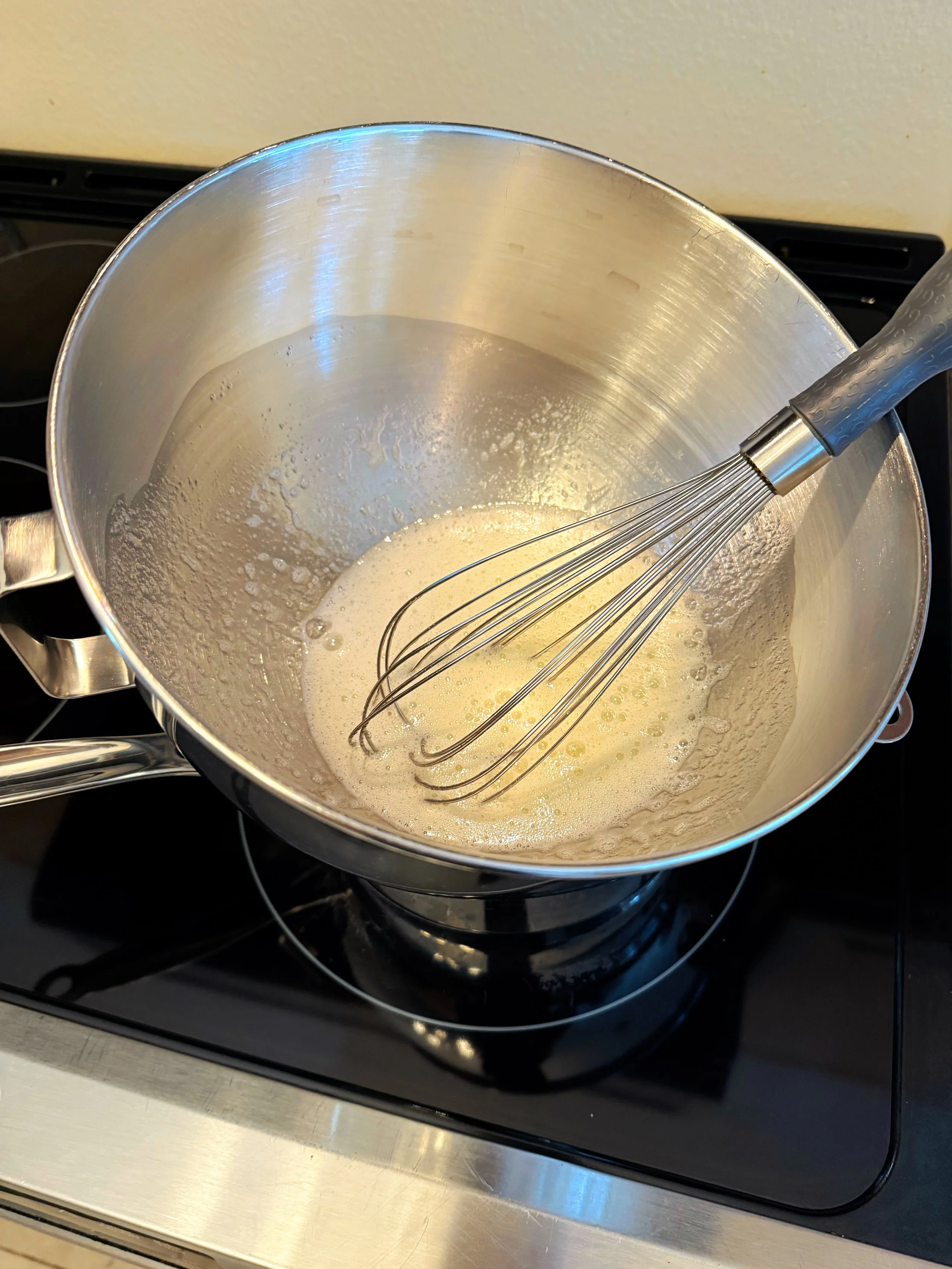
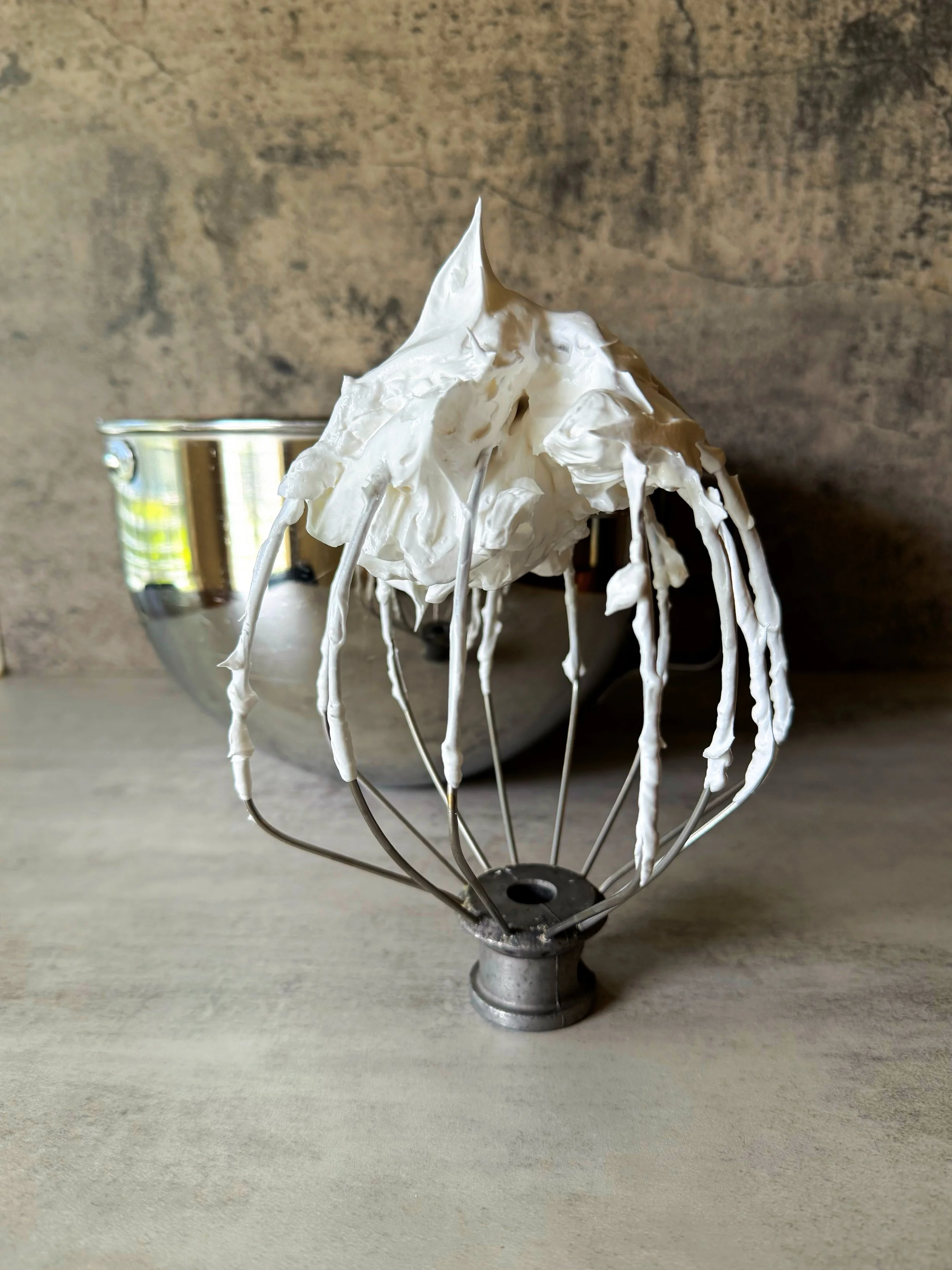
When ready to serve start the Swiss meringue. Bring 1” of water to boil in a small pot and lower the heat to low. In a heat proof bowl whisk together 5 egg whites with 3/4 cup of sugar and 1/4 tsp cream of tartar and set it over the boiling water without letting it touch the bottom. Whisk constantly until the temperature reaches 160f, then remove from heat and whisk on high speed until stiff and the meringue cools down to room temperature. Then whisk in 1/2 tsp vanilla extract and a pinch of salt.
Spread or pipe over the pie, then toast with a kitchen torch.
Serve immediately.
Tips
Make the lemon curd the night before to give it plenty of time to thicken.
Let the crust cool completely. Adding filling to a warm graham cracker crust can soften it and interfere with setting.
Give the lemon cream enough time to set. Refrigerate until completely firm before adding the meringue.
Recommended products to make this recipe
*This page contains affiliate links. If you choose to purchase after clicking a link, I may receive a commission at no extra cost to you.