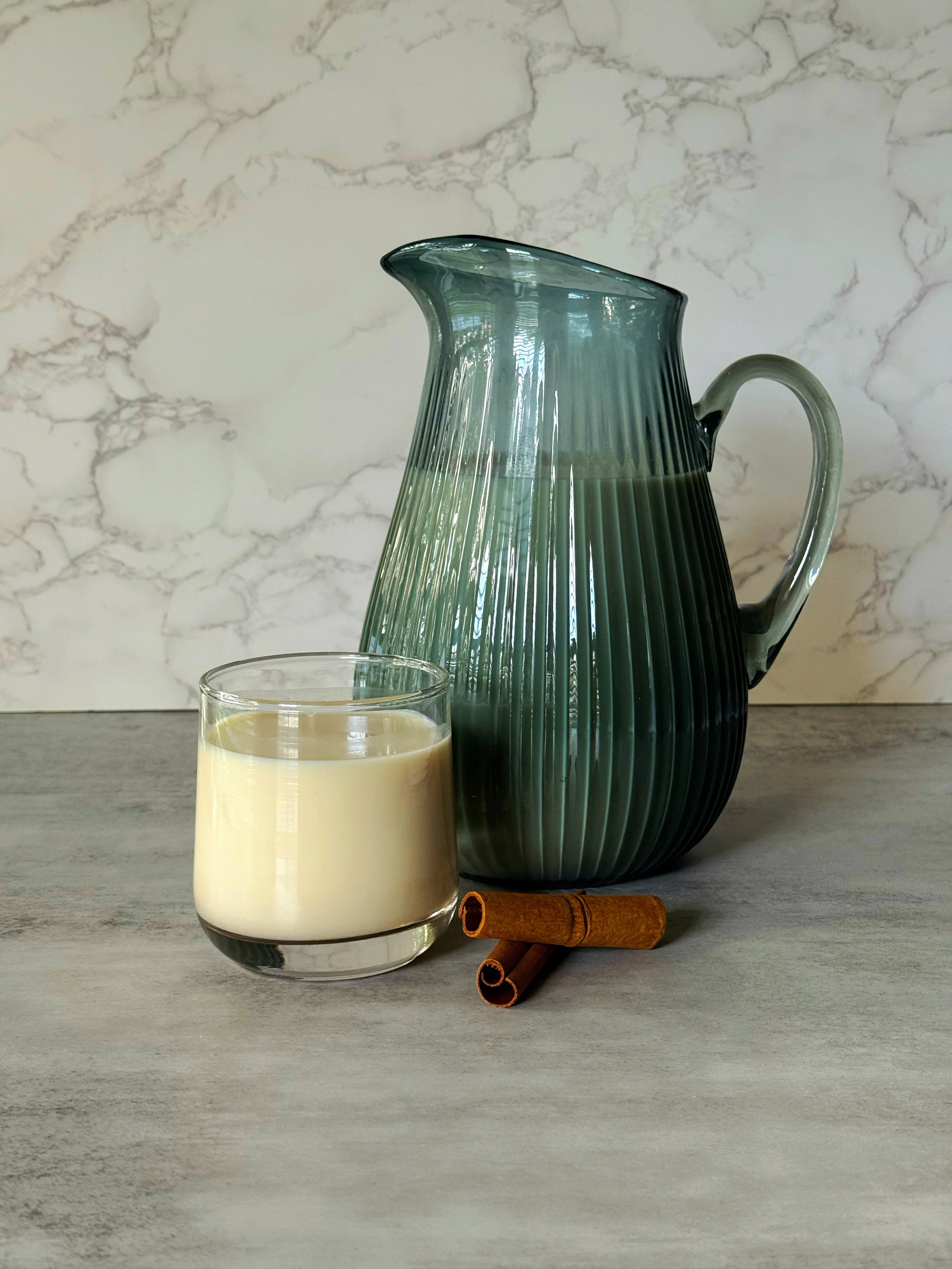
Horchata is one of those drinks that’s surprisingly easy to make at home. Rice and cinnamon soak overnight, then everything gets blended, strained, and mixed with evaporated and condensed milk until creamy and perfectly sweet. Chill it until cold and you’ve got a refreshing drink that goes with just about anything.
What is the history of horchata?
Horchata has a much older history than the Mexican rice drink most people know today. Its roots trace back to North Africa where drinks made from soaked and ground tiger nuts were consumed centuries ago. The tradition eventually reached Spain (particularly Valencia) where horchata de chufa became a regional specialty. After the Spanish arrived in the Americas the idea evolved around locally available ingredients. In Mexico rice became the base usually flavored with cinnamon and sweetened with sugar or milk creating the creamy horchata that’s now a staple.
Where does the word “horchata” come from?
The word ‘horchata’ comes from the Valencian word ‘orxata’ which itself developed from the Latin ‘hordeata’ which means made with barley. Early versions of the drink weren’t necessarily made from the ingredients we associate with horchata today, the name was used more broadly for drinks made by soaking and grinding grains, seeds, or nuts.
What are tiger nuts?
Despite the name tiger nuts aren’t actually nuts. They’re small, naturally sweet tubers that grow underground on a grass like plant known as yellow nutsedge. They’ve been eaten for thousands of years (including in ancient Egypt) and eventually became the key ingredient in Valencias traditional horchata de chufa. Their wrinkled brown appearance and slightly nutty flavor explain the name, but botanically they’re tubers and more comparable to potatoes than almonds.
Why does the rice need to soak when making horchata?
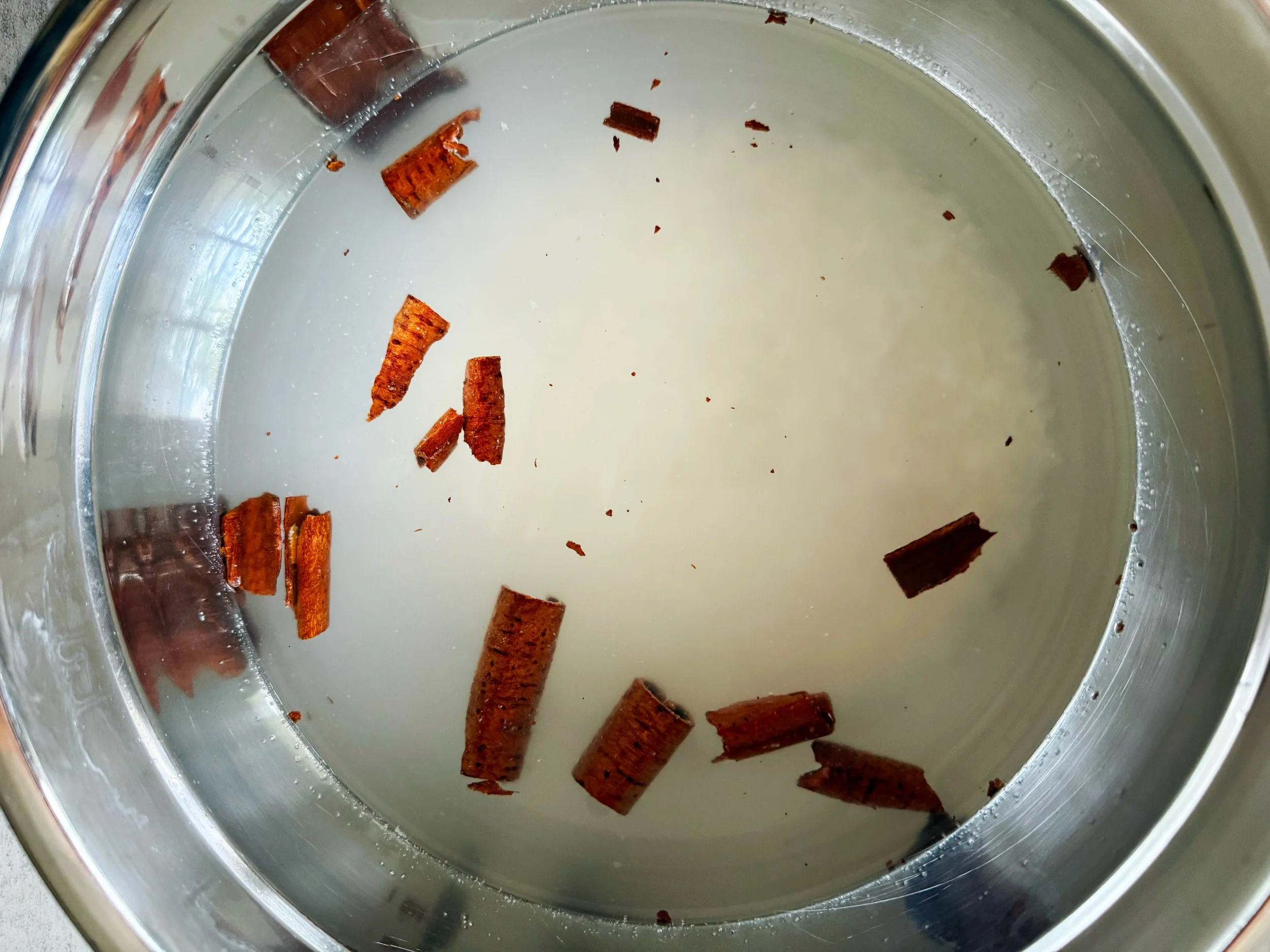
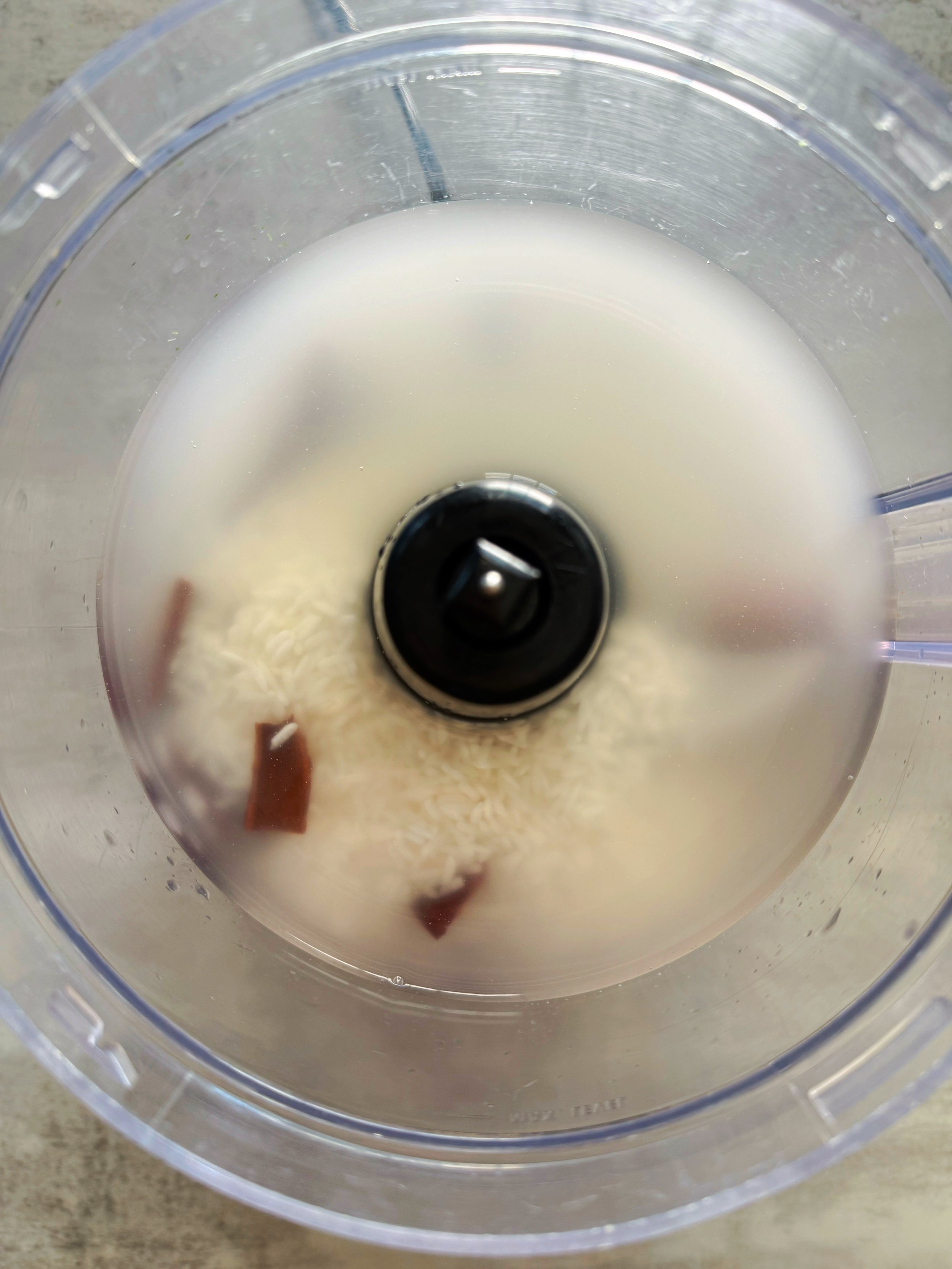
Soaking the rice is what helps horchata develop its flavor and texture. As the rice sits in water the grains soften and become easier to blend allowing more of their starch and rice flavor to be extracted into the liquid. Soaking the cinnamon alongside it also gives the water plenty of time to pick up its flavor. An overnight soak makes the mixture easier to blend and produces a more flavorful horchata after straining.
Why is horchata considered an agua fresca?
Horchata is considered an agua fresca because it belongs to the Mexican tradition of refreshing, nonalcoholic drinks made by blending or infusing water with fruits, grains, seeds, or flowers and adding sweetener. While aguas frescas like agua de jamaica and agua de tamarindo are made from hibiscus and tamarind, horchata gets its base from soaked and blended rice. Even creamy versions made with evaporated and condensed milk are still generally grouped with aguas frescas because rice and water form the foundation of the drink.
How does horchata differ across Mexico and Central America?
Horchata changes quite a bit depending on where you drink it. In Mexico the most familiar version in made from soaked rice flavored with cinnamon and sugar, with milk sometimes added for extra creaminess. In El Salvador horchata is traditionally made from morro seeds and may include ingredients like sesame seeds, peanuts, cacao, and spices giving it a nuttier, moe complex flavor. Honduran versions also commonly use morro or jicaro seeds, while Nicaraguan horchata de semilla de jicaro combines jicaro seeds with rice and spices. The name may be shared but “horchata” can refer to noticeably different drinks depending on the country.
How to make horchata?
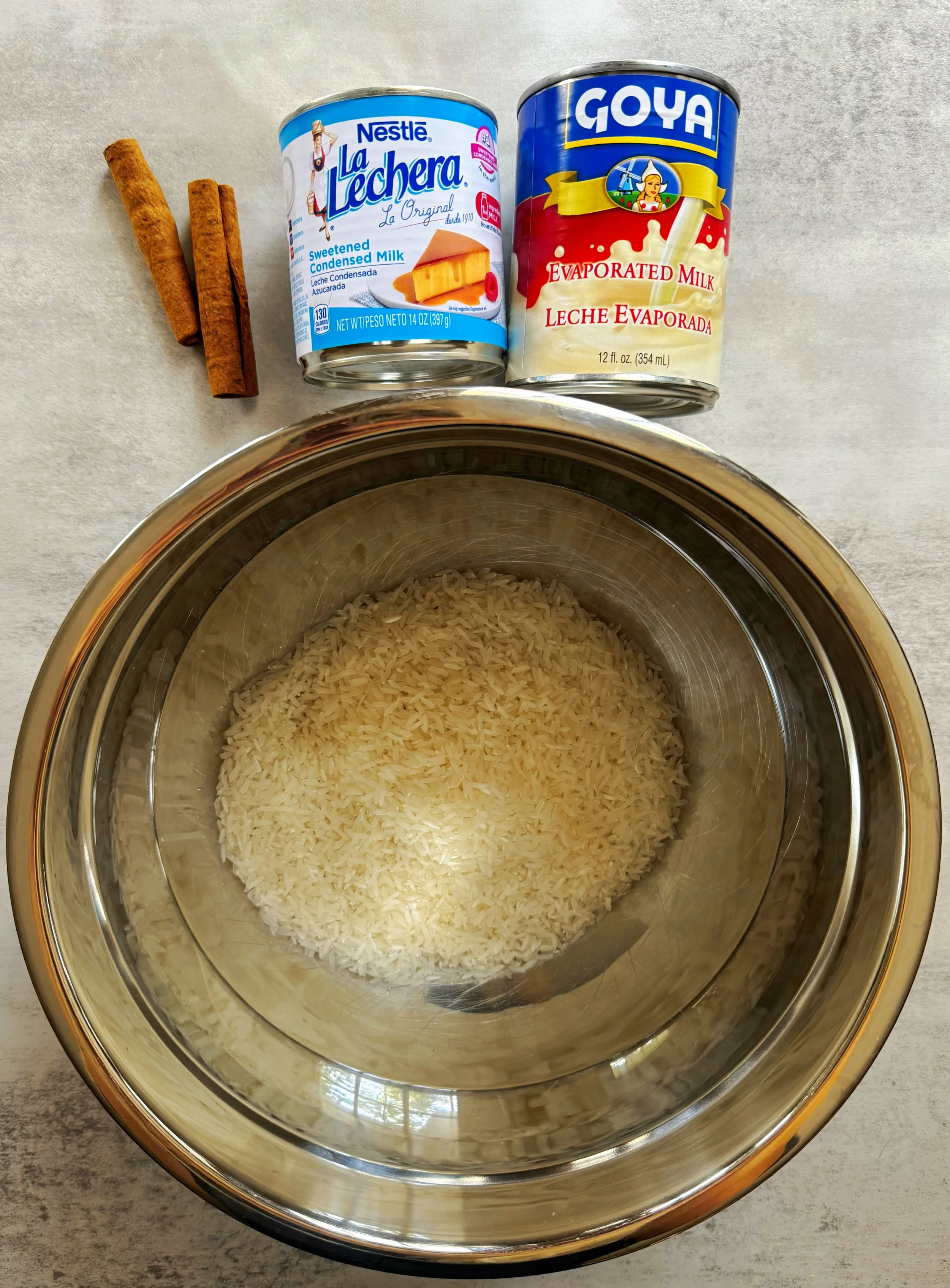
Wash rice and break cinnamon sticks into smaller pieces. Place the washed rice in a bowl with 5 cups of water and cinnamon sticks. Cover and refrigerate over night.
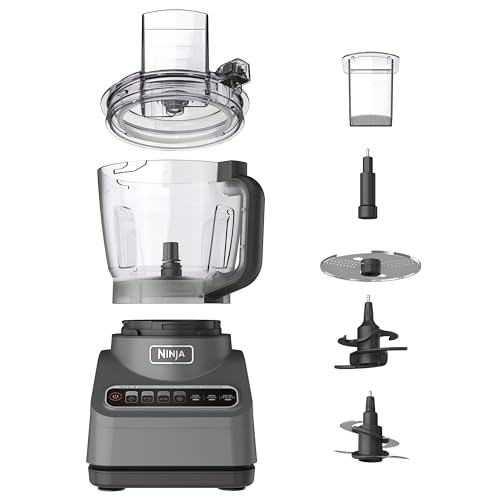
Using a food processor blend the water/rice mixture in two batches until smooth.
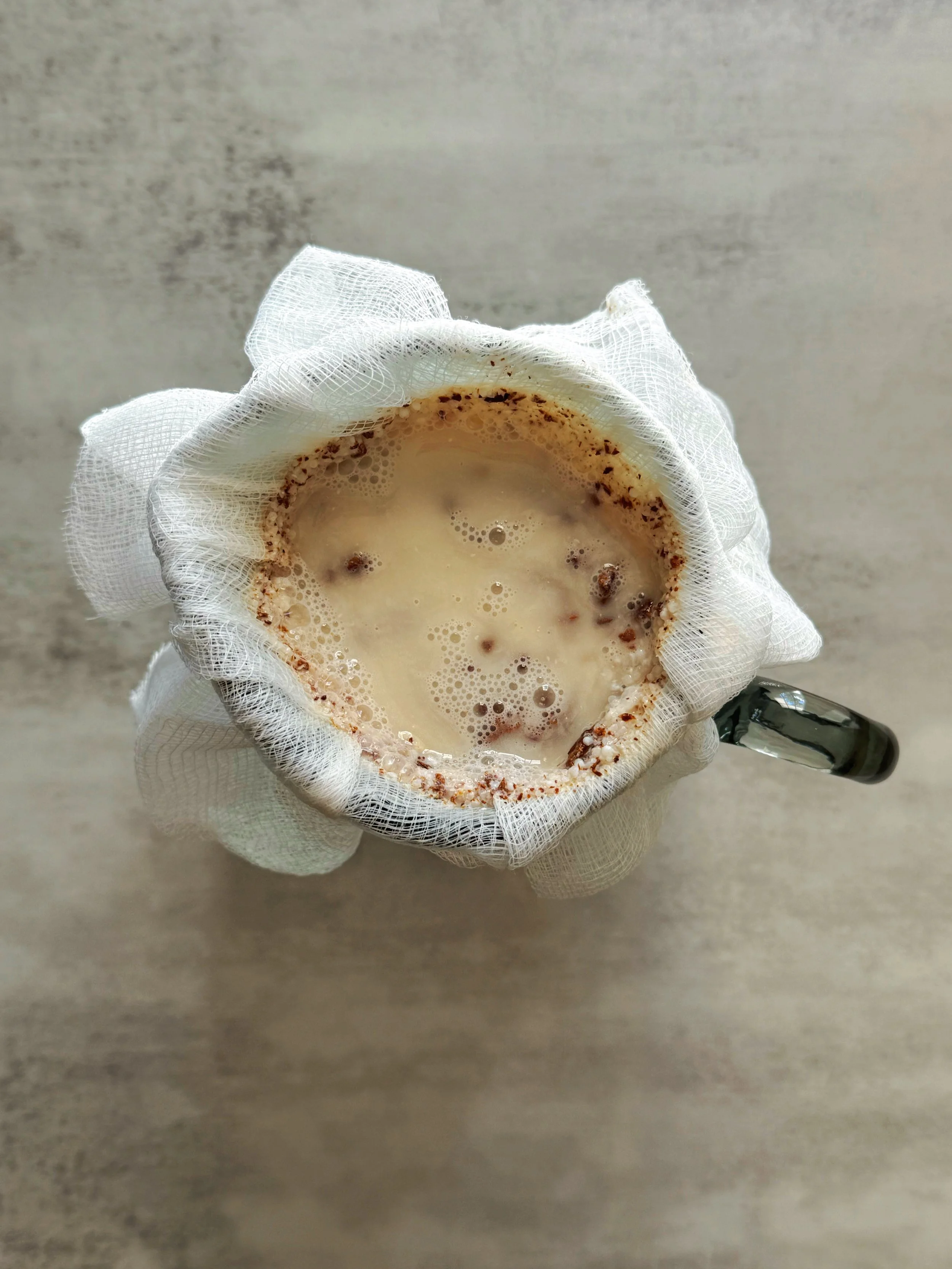
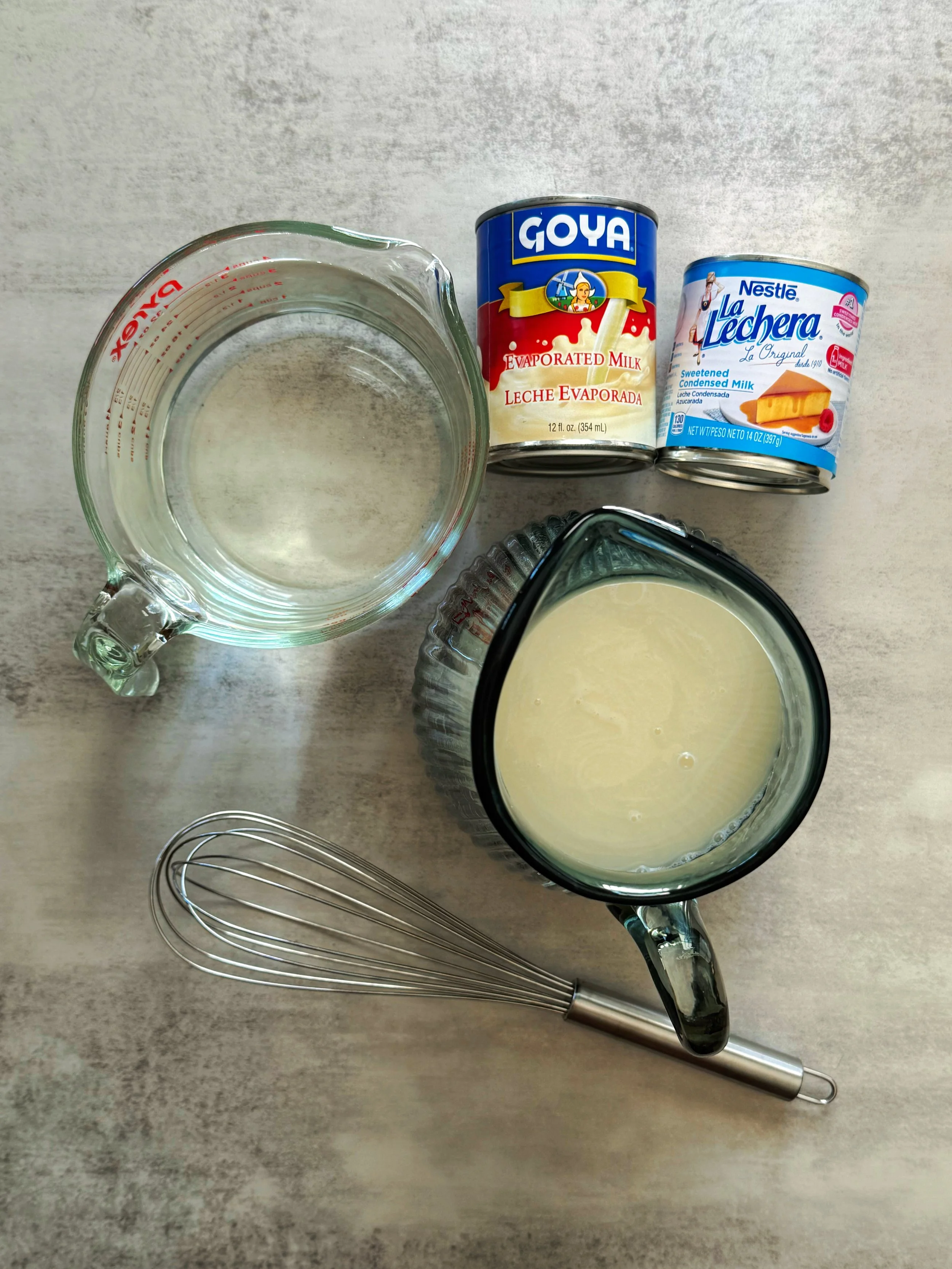
Pour the mixture into a pitcher through a cheesecloth and squeeze all the liquid out. Discard the solids. Add the remaining 4 cups of water into the pitcher, then whisk in the sweetened condensed milk and evaporated milk. Refrigerate until cold.
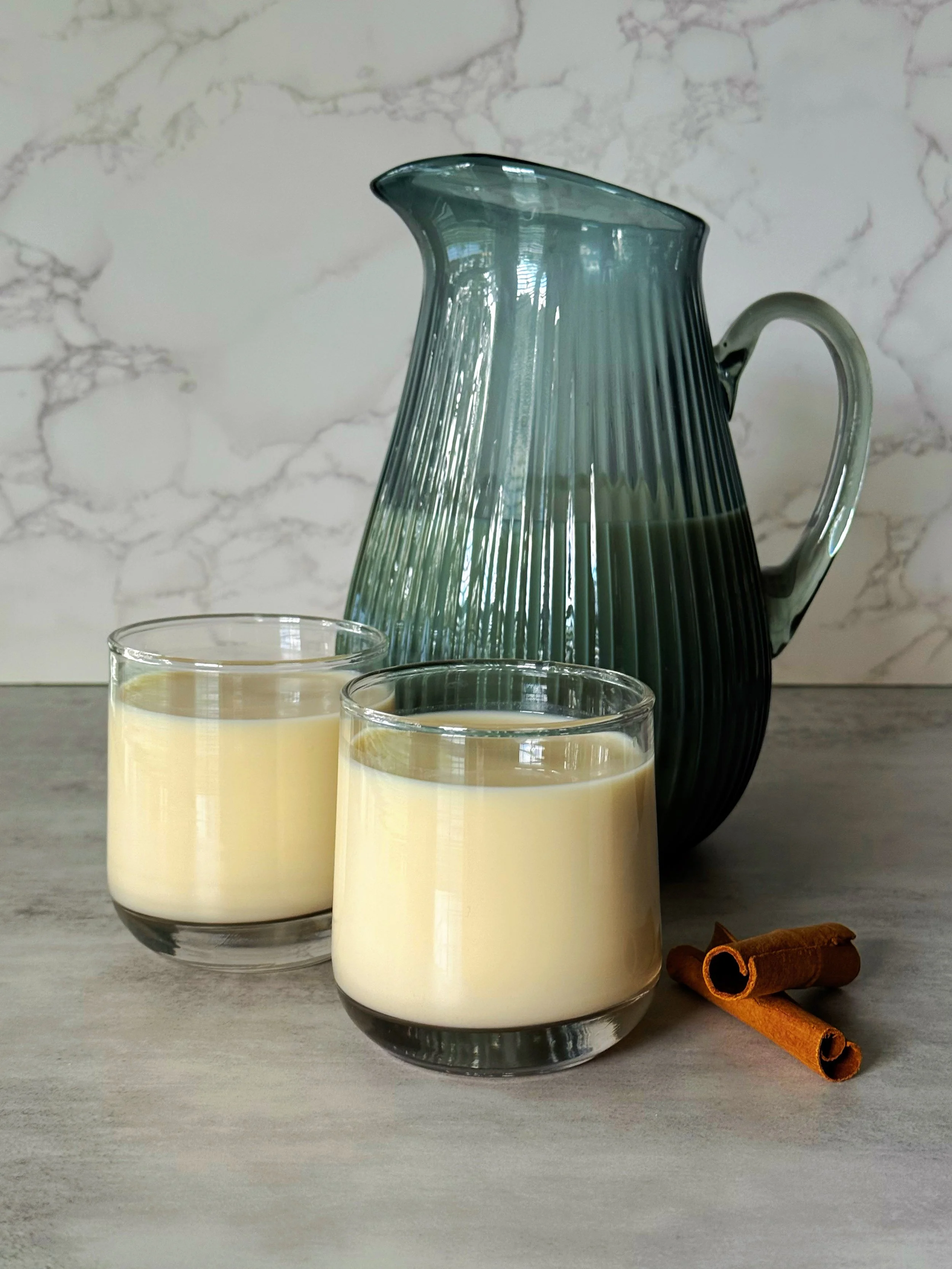
Serve cold.
Tips
Horchata can last up to 5 days in the refrigerator, just stir well before pouring a glass as the spices fall on the bottom.
Don’t skip using the cheesecloth over the fine sieve. It will help catch the smaller particles making sure the horchata isn’t gritty.
Recommended products to make this recipe
*This page contains affiliate links. If you choose to purchase after clicking a link, I may receive a commission at no extra cost to you.