
rose tres leches cake
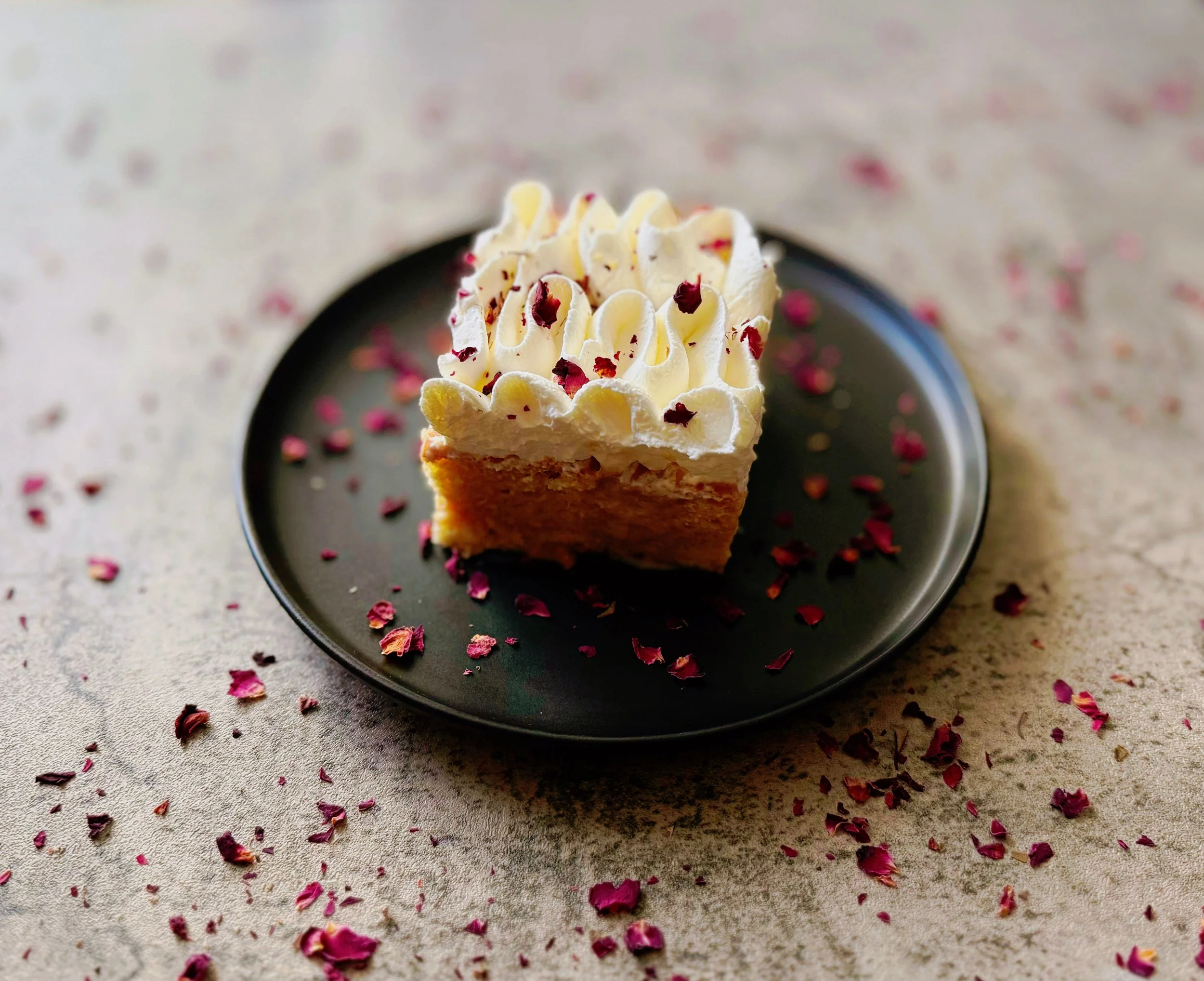
Tres leches is already a dessert built on excess in the best way: a soft sponge that’s meant to drink itself into something richer and heavier. This version takes that classic soak-and-swoon idea and turns it floral. It’s delicate on the surface but still does what tres leches does best: melts into a custardy, cloud soft bite that somehow gets better the longer it sits.
What is the history of tres leches cake?
The canned milk era is what created modern tres leches. A very common origin story is that Nestle/La Lechera printed a tres leches style recipe on their labels as marketing and it worked. People could suddenly make a rich, delicious cake using shelf stable ingredients they already had at home. The iconic combo (evaporated milk, sweetened condensed milk, and cream) lines up perfectly with the exact products being sold and promoted at the time which is why the base recipe is so consistent across regions. The birth place is still debated (Mexico and Nicaragua are the loudest contenders) but historians note the recipe didn’t doesn’t shop up clearly in older cookbooks the way you would expect for something “ancient“. The strongest evidence points to tres leches becoming widely recognizable around the 1940-70s, fueled by commercial dairy and home baking culture. Basically tres leches is a traditional dessert that became traditional because canned milk made it easy and impossible to mess up.
Why does tres leches work?
Tres leches works because it’s built to absorb liquid without falling apart. Unlike butter heavy cakes this sponge relies on whipped egg whites for structure creating a network of tiny air pockets that act like channels for the milk syrup. When the three milk mixture is poured over it doesn’t just sit on top: it gets distributed evenly throughout the cake through capillary action. At the same time the balance of proteins from the eggs and sugars from the condensed milk stabilizes the crumb so it softens instead of dissolving. The result is a cake that’s fully saturated but still sliceable.
What is the science of soaking cakes?
The science of soaking cakes comes down to structure and movement of liquid. A sponge cake is full of tiny air pockets created by whipped eggs and those pockets form a network that pulls liquid inward through capillary action (the same way paper towel absorbs water). When you pour the milk syrup over the surface it doesn’t just sit there; it travels through these channels spreading evenly from top to bottom. Poking holes simply speeds this process up by creating direct pathways. At the same time the cakes starches and proteins absorb and hold on to the liquid which softens the crumb without breaking it apart. If the cake is too dense or overmixed those pathways don’t exist so the liquid pools instead of distributing leading to a soggy exterior and dry center instead of uniform, creamy texture.
What is the difference between evaporated milk and sweetened condensed milk?
Evaporated milk and sweetened condensed milk are both made by removing water from regular milk but they serve very different roles. Evaporated milk is unsweetened, thinner, and more neutral in flavor so it adds creaminess without making a dish overly rich or sugary. Sweetened condensed milk on the other hand has sugar added during processing giving it a thick, syrupy texture and almost caramelized flavor. In recipes evaporated milk helps carry moisture and lighten the mixture while condensed milk provides sweetness and body; using one in place of the other changes both the texture and the balance of the final dish.
Common mistakes that ruin tres leches
Tres leches usually gets ruined by technique, not ingredients. If you overmix the batter or deflate the egg whites the cake turns dense and can’t absorb the milk syrup properly. Overbaking dries it out so the liquid won’t soak evenly and just sits on top. Pouring the milk too quickly causes pooling instead of absorbion and not letting the cake cool first can make it collapse in the center. It’s a simple dessert but it only works if the structure and soak are handled correctly.
Why floral flavors faded in Western baking?
Rose and orange blossom were common in earlier European desserts especially before global trade made vanilla cheap and widely available. Once vanilla and later chocolate became easier to source they took over because they are predictable and broadly liked. Floral notes are harder to control: too little and they disappear, too much and they taste like soap, so commercial baking moved away from them. What stayed were the safer, more consistent flavors that could be scaled and sold without risk.
Why soaked desserts show up in hot climates?
Soaked desserts show up in hot climates because they solve two problems at once: dryness and preservation. Heat makes baked goods stale faster (especially low fat cakes) so adding a milk or syrup soak puts moisture back in and extends the window before it turns hard. At the same time many of these recipes developed alongside shelf-stable ingredients (like syrups or canned milks) that don’t spoil quickly without refrigeration. The result is a dessert that stays soft, holds up in warm conditions, and can sit longer without going to waste.
Why sugar affects texture and not just sweetness?
Sugar doesn’t just make things sweet; it controls how a dessert sets. It binds water which keeps baked goods moist and slows down drying. It also interferes with gluten development and egg proteins so cakes stay soft instead of turning rubbery. In something like tres leches sugar thickens the milk mixture slightly helping it cling to the crumb instead of just running through. It also lowers the freezing point and slows crystallization which is why desserts with more sugar feel smoother and less icy. If you remove or reduce it the texture changes first.
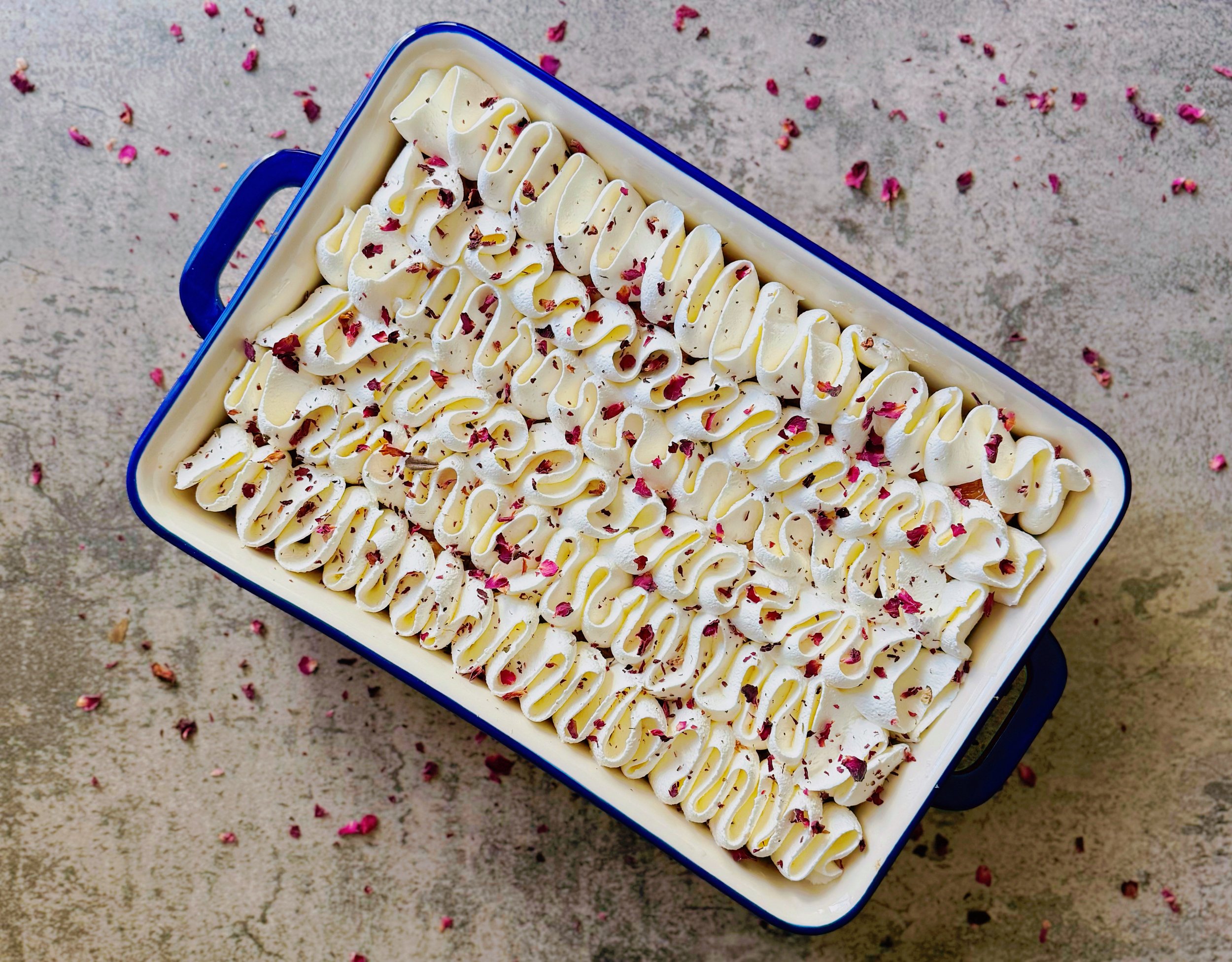
Bread puddings vs soaked sponge
Bread puddings and soaked sponge desserts do the same thing: absorb liquid, but they start from opposite structures. Bread pudding uses stale, dense bread that breaks down as it soaks, turning soft and custardy as the liquid and eggs bind everything together. A soaked sponge like tres leches is built to hold its shape. The air from whipped eggs creates a light network that pulls liquid in without collapsing. One is meant to transform into something spoonable, the other is meant to stay sliceable. Same concept but different outcomes based on structure.
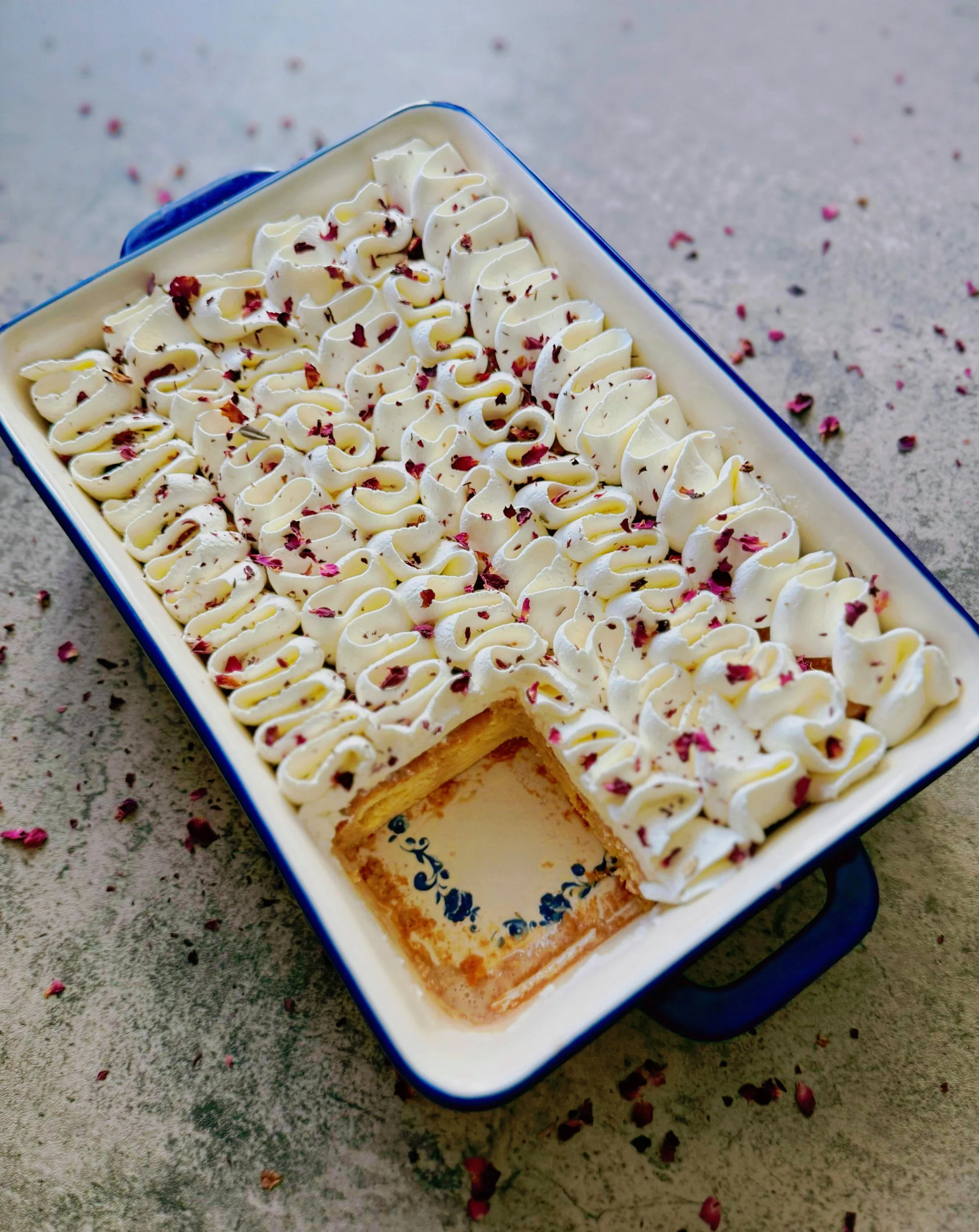
How to make rose tres leches cake?
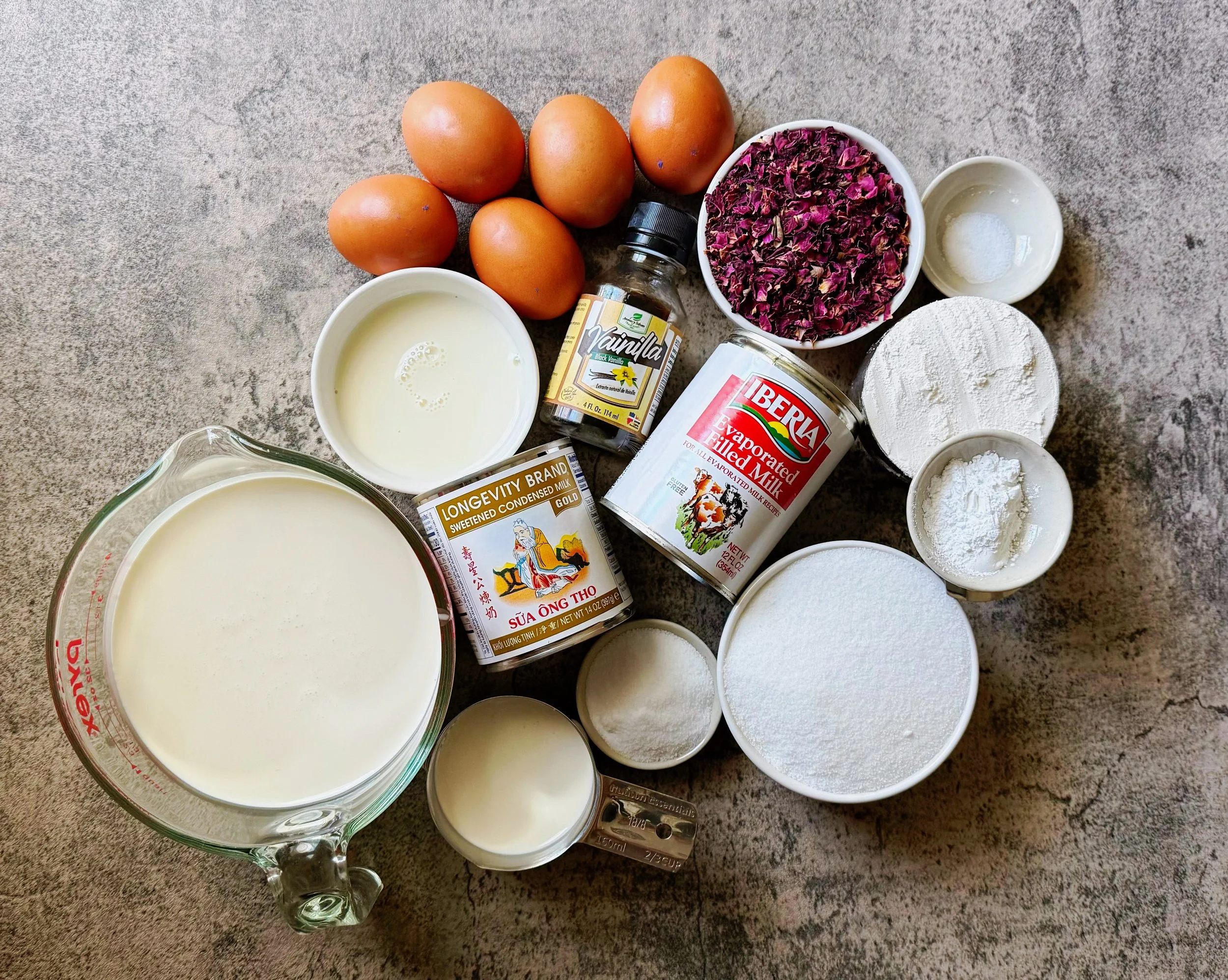
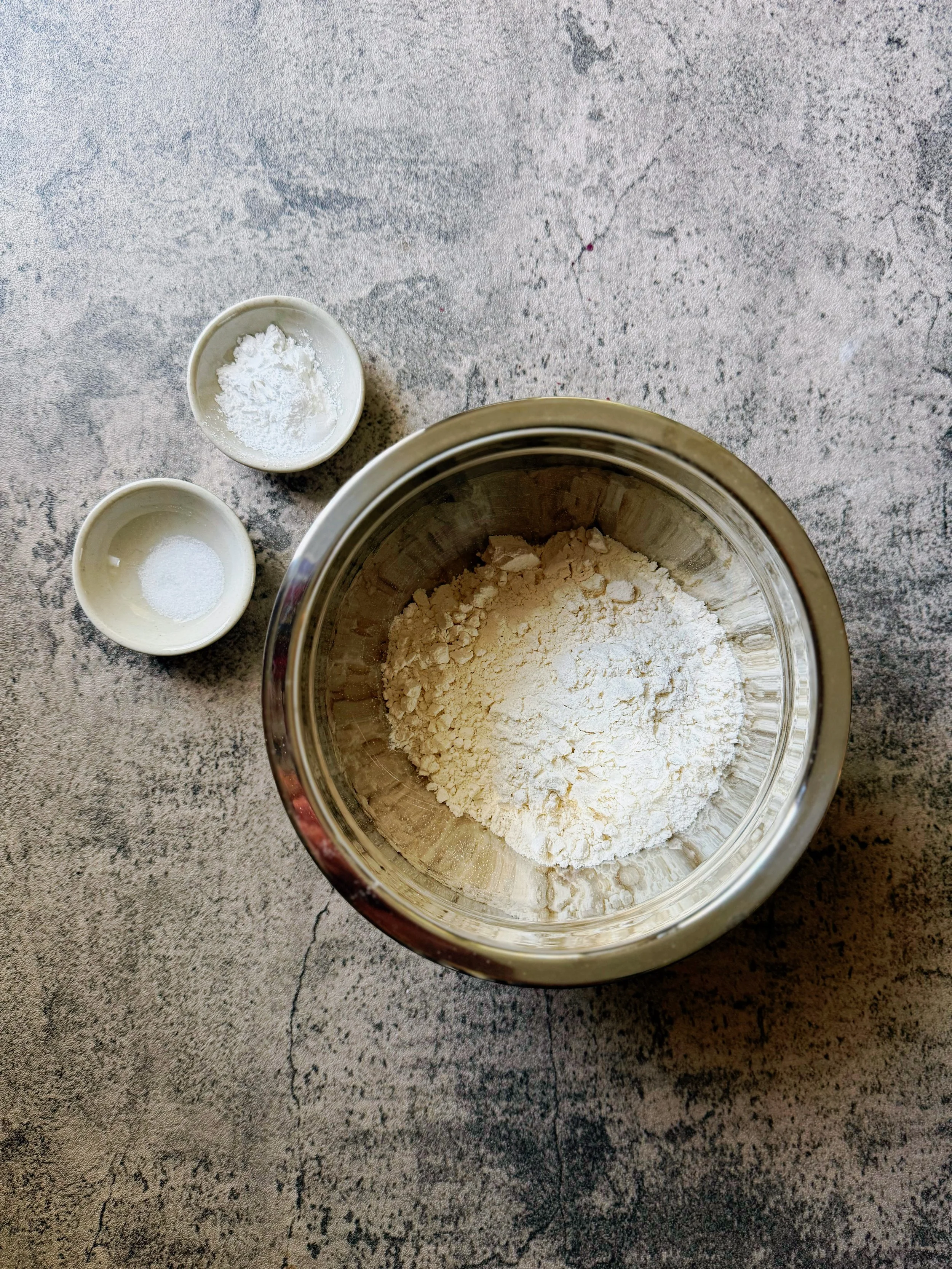
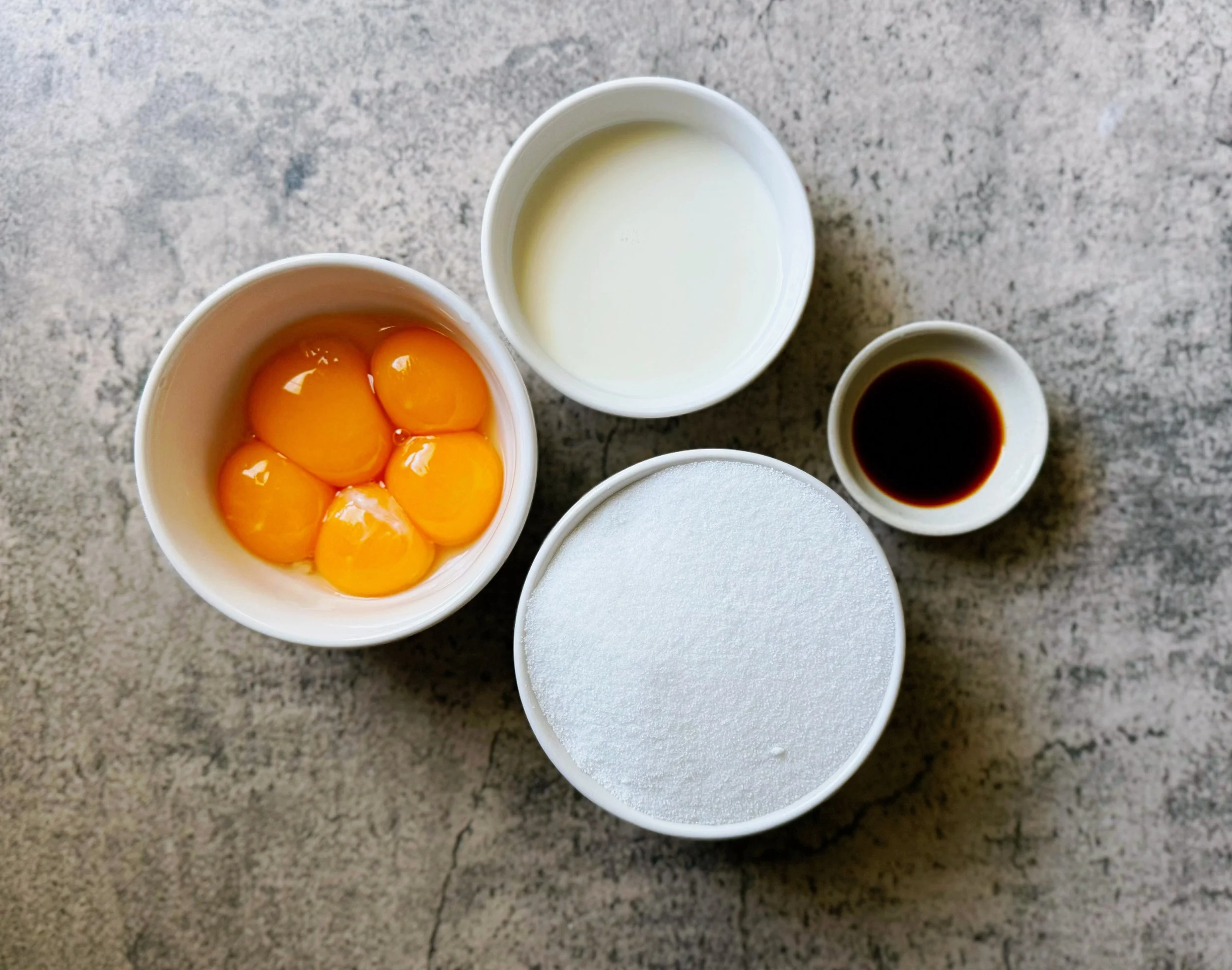
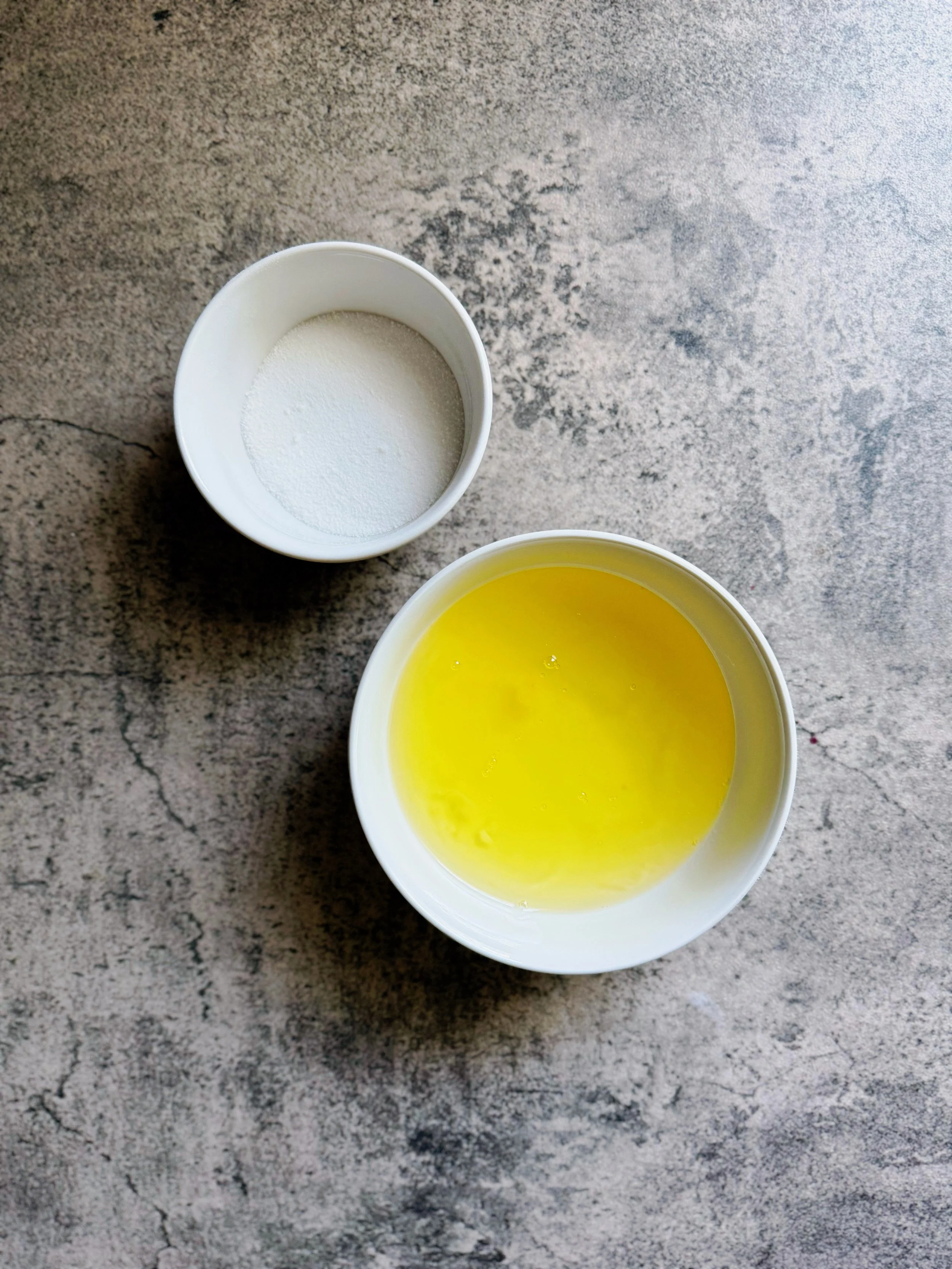
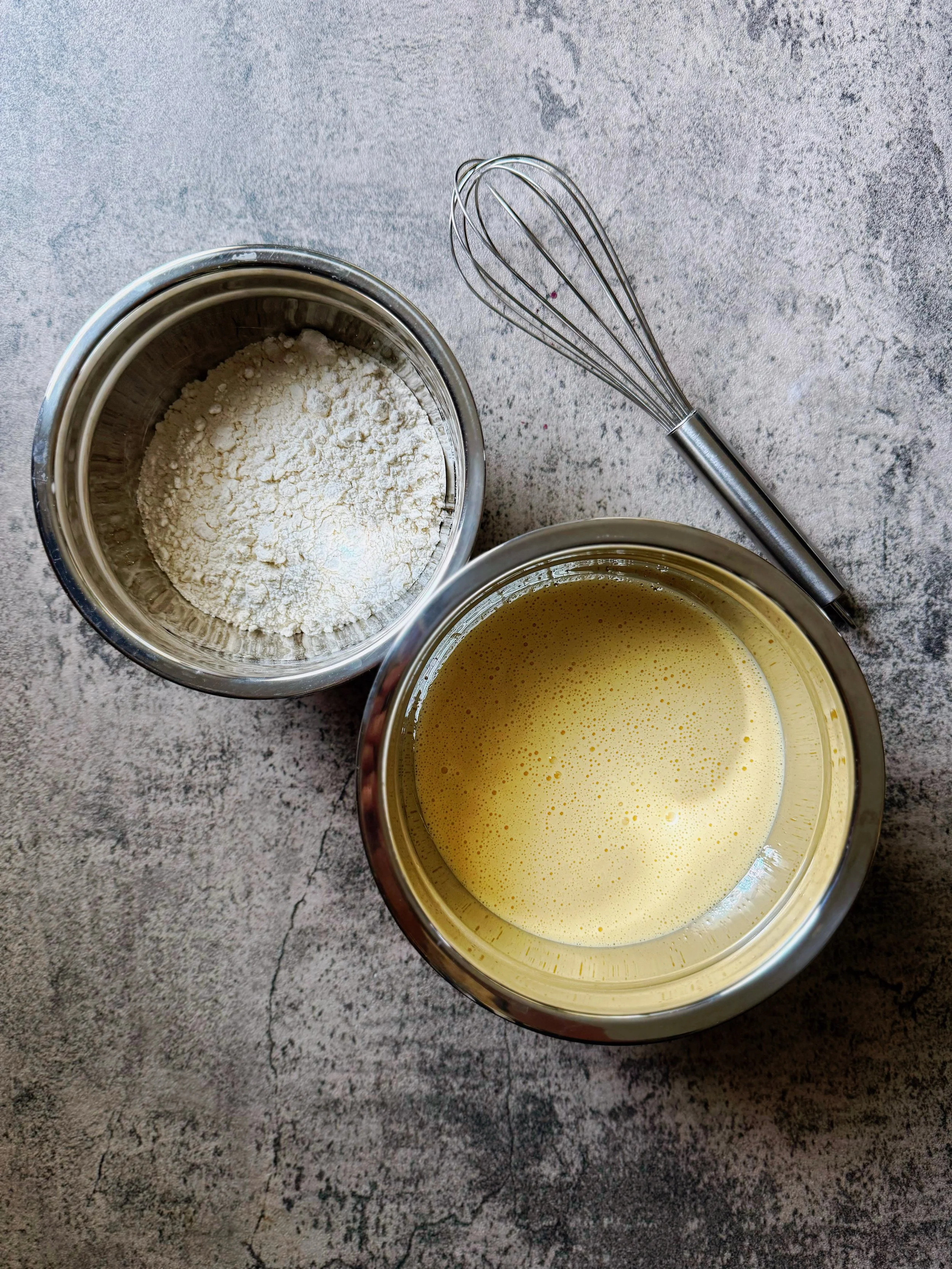
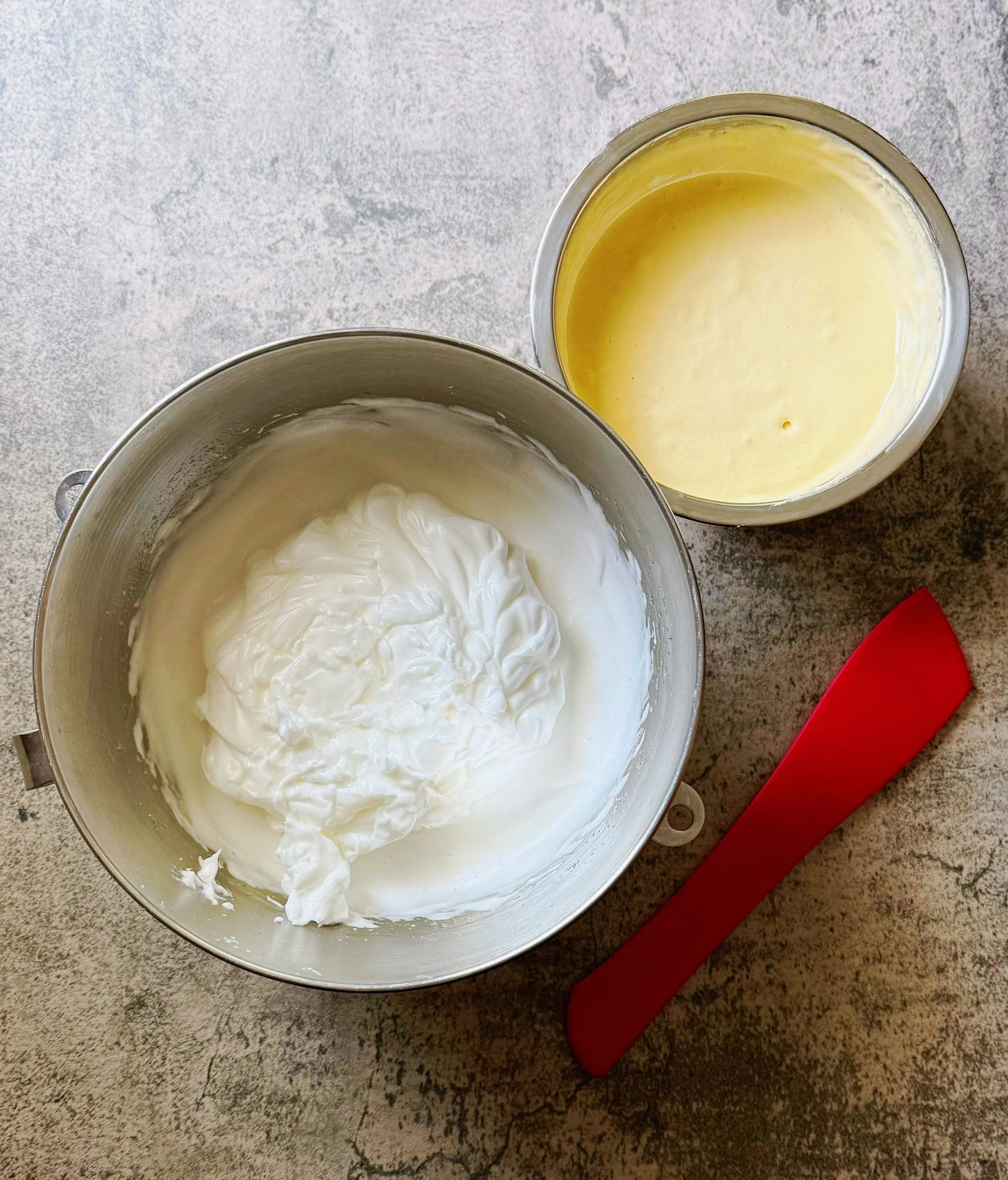
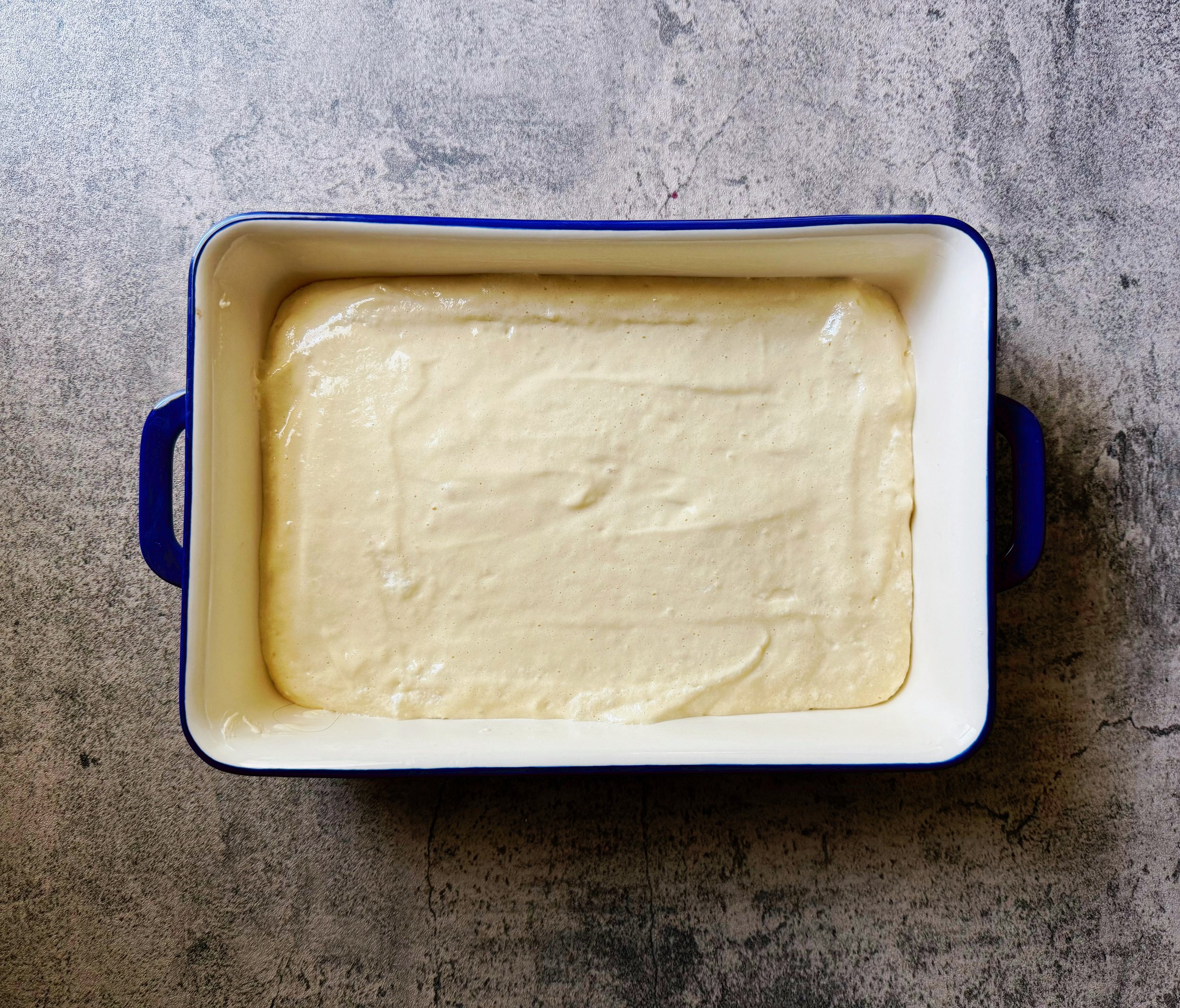
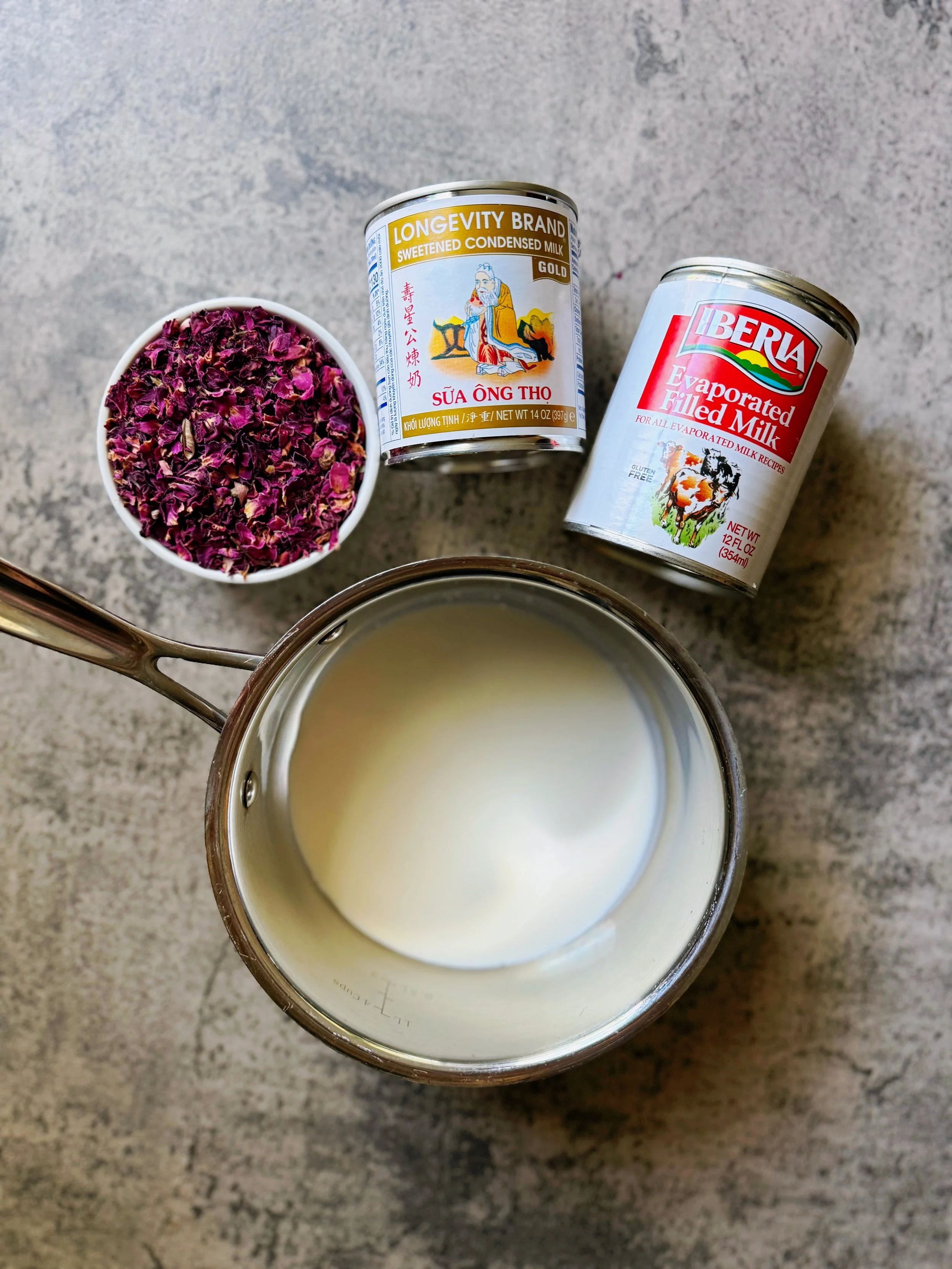
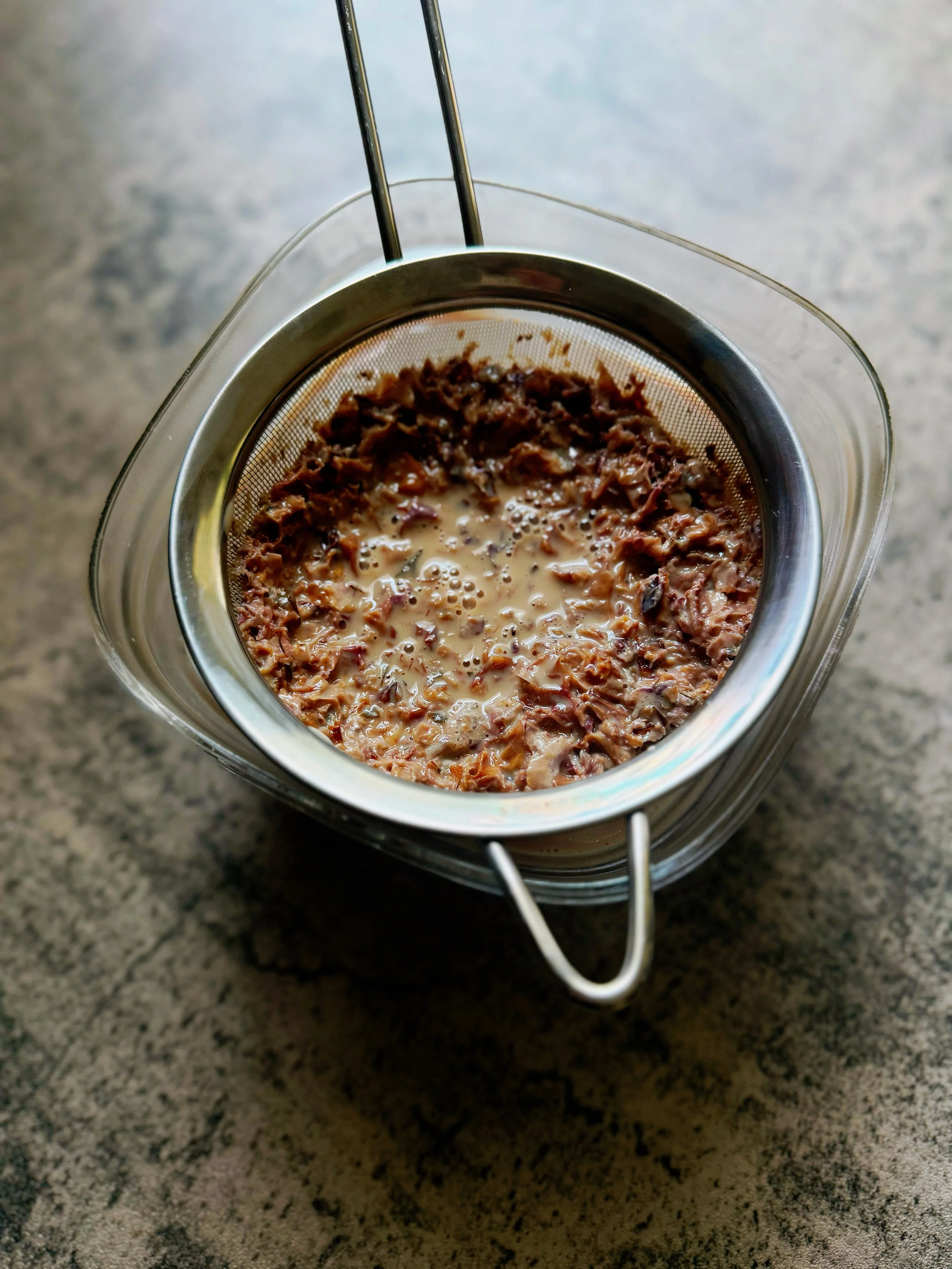
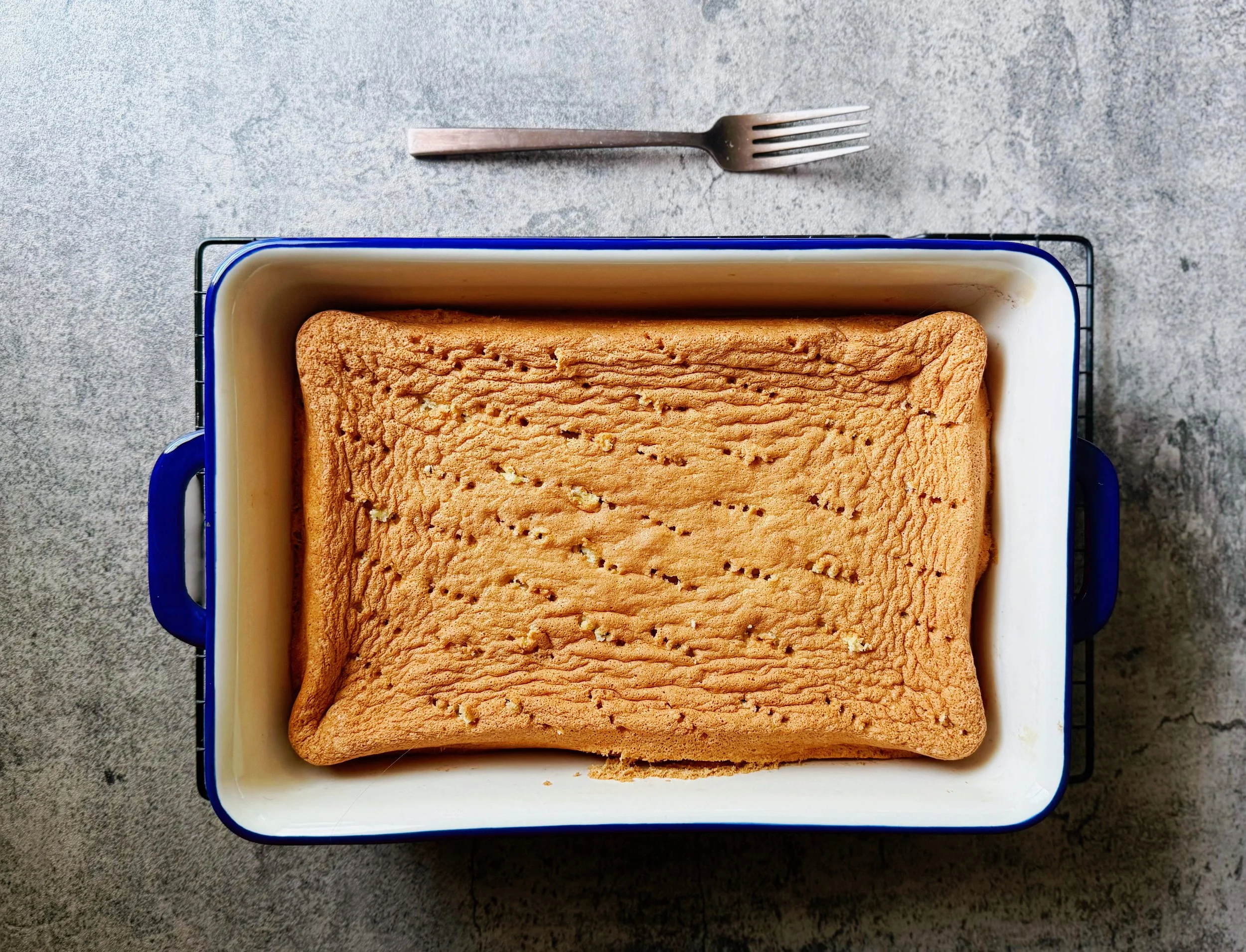
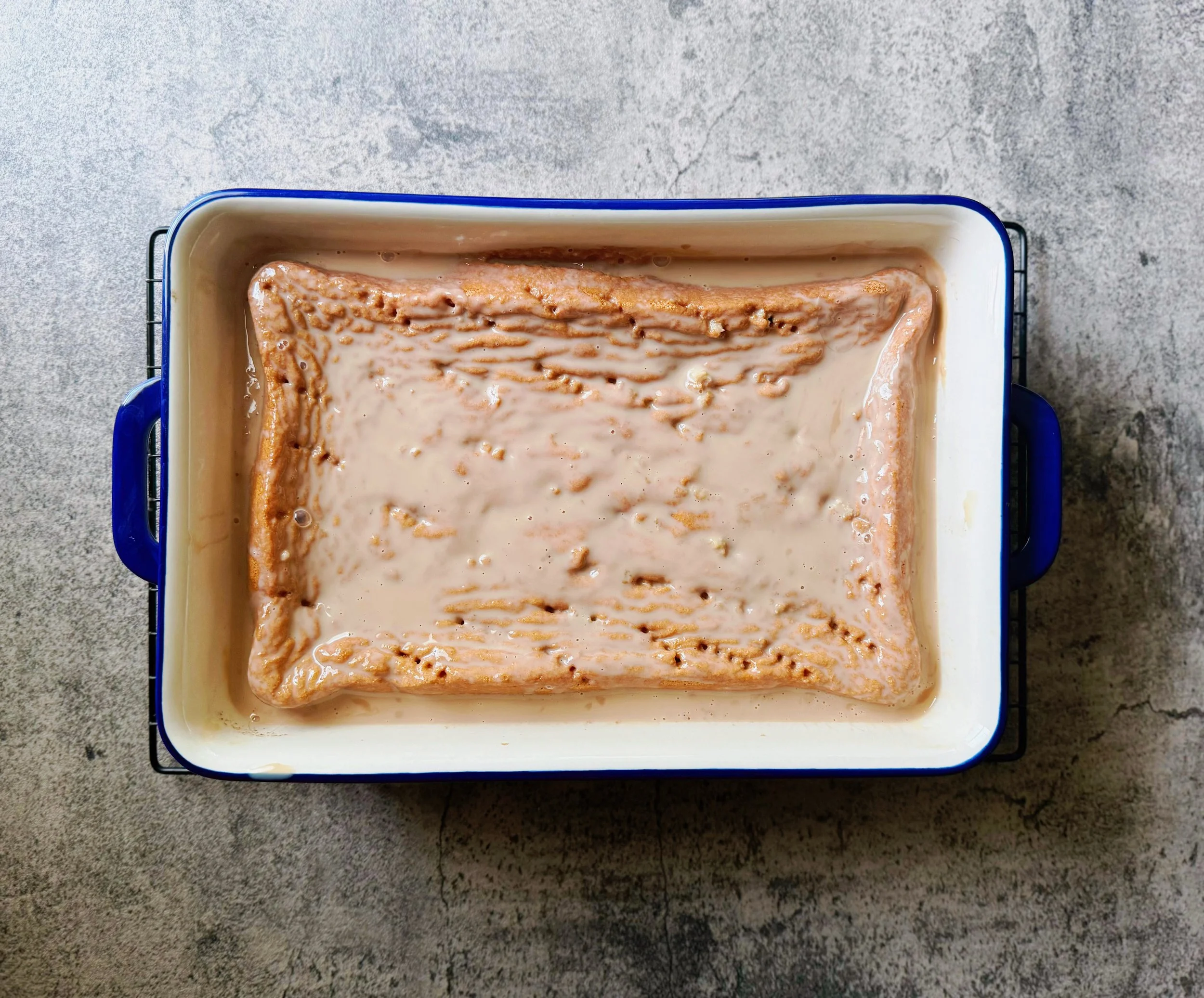
Preheat oven to 350 degrees and butter a baking dish. Whisk together 1 cup all purpose flour, 1/4 tsp salt, and 1 1/2 tsp baking powder. Whisk together 1 cup all purpose flour, 1/4 tsp salt, and 1 1/2 tsp baking powder. In a separate bowl, whisk the egg whites until soft peaks form, then gradually add 1/4 cup sugar and keep whisking on high speed until firm peaks form. Whisk together the flour and yolk mixtures, then gently fold in the egg whites with a spatula until just combined. Pour the batter in the prepared baking dish and bake for 30-35 minutes until golden and toothpick comes out clean. Meanwhile in a small pot whisk together 12 oz evaporated milk, 14 oz sweetened condensed milk, and 1/3 cup heavy whipping cream and bring to simmer. Then whisk in 1/2 cup dried rose buds and turn the heat down to low. Simmer for 8-10 minutes then remove from heat and cool down to room temperature. Then strain through a fine sieve and toss the solids. Let the cake cool completely on a wire rack. Once the cake is cool poke holes all over the cake with a fork, then pour the milk syrup over it and let it soak in for about an hour. Once the cake has soaked up all the syrup make whipped cream. Whisk 3 cups of cream with 2 tbsp of sugar on high speed until firm peaks form. Frost the cake and sprinkle rose petals on top.
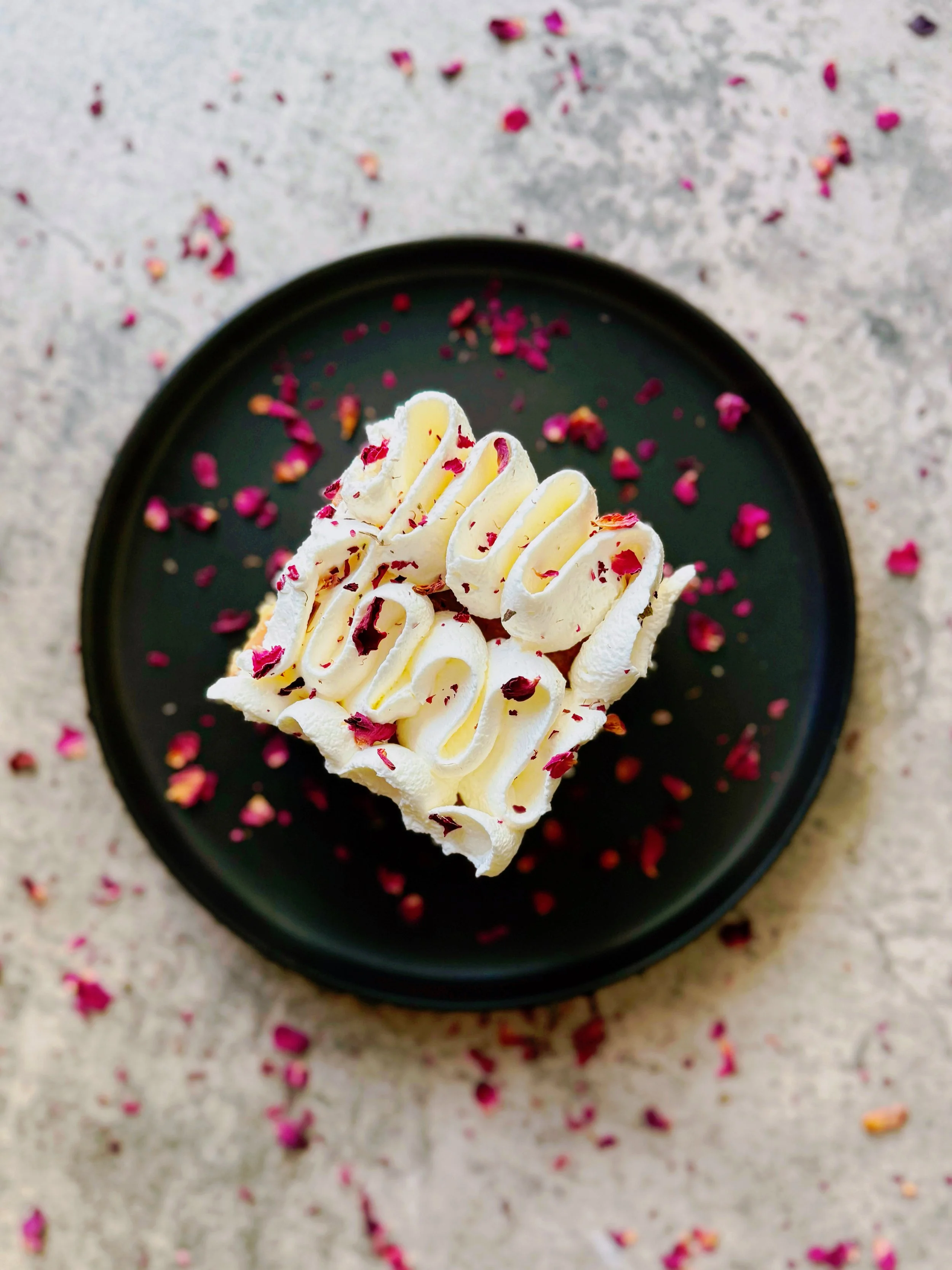
Tips
Fold the egg yolks in like you mean it but gently. Cut through the center, sweep, rotate; if you deflate it you lose the signature airy soak.
Poke deep holes all over the cake so there is channels for the milk syrup to distribute through instead of pooling.
Use room temperature eggs for best volume.
Chill overnight for peak flavor.
Recommended products to make this recipe
*This page contains affiliate links. If you choose to purchase after clicking a link, I may receive a commission at no extra cost to you.
