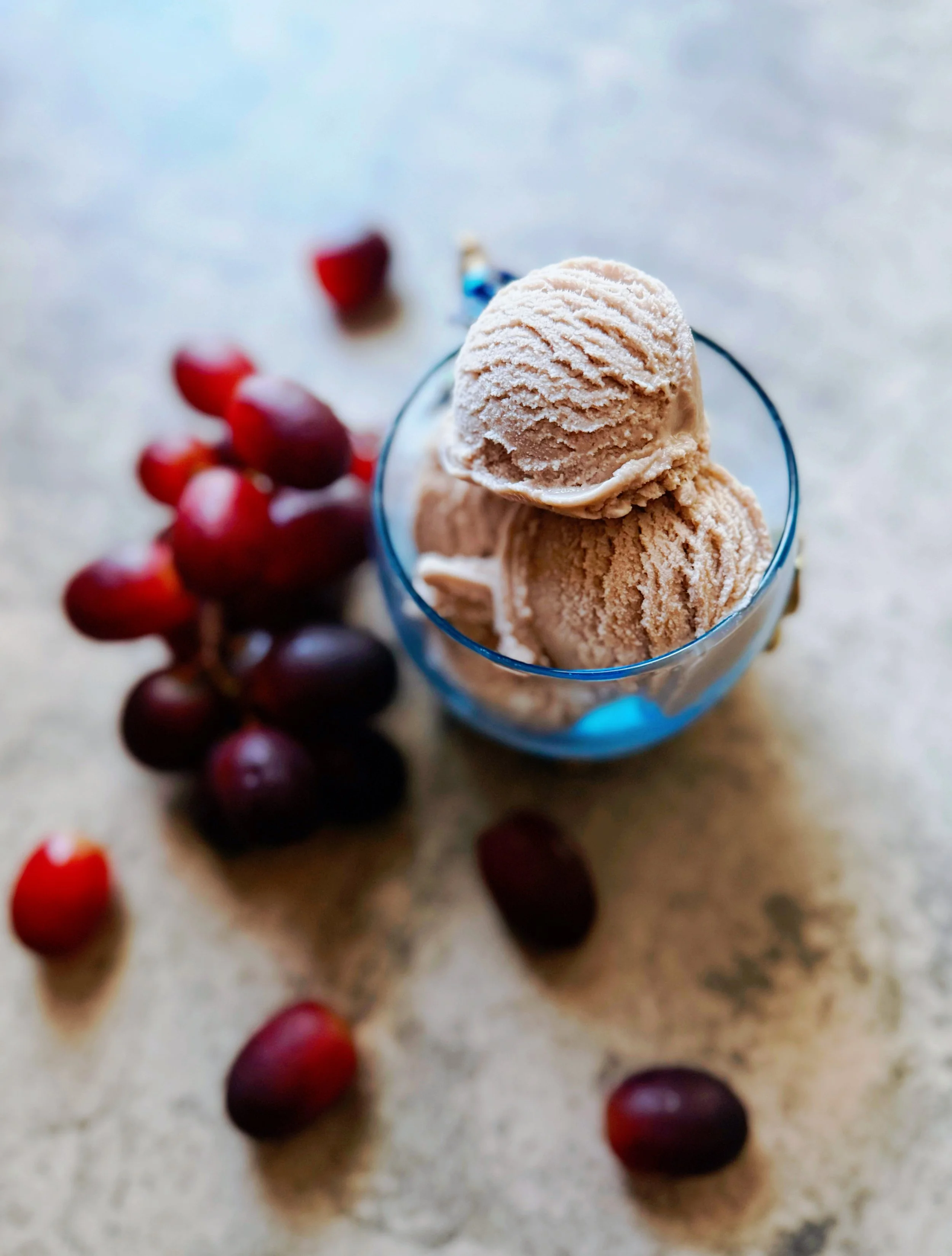
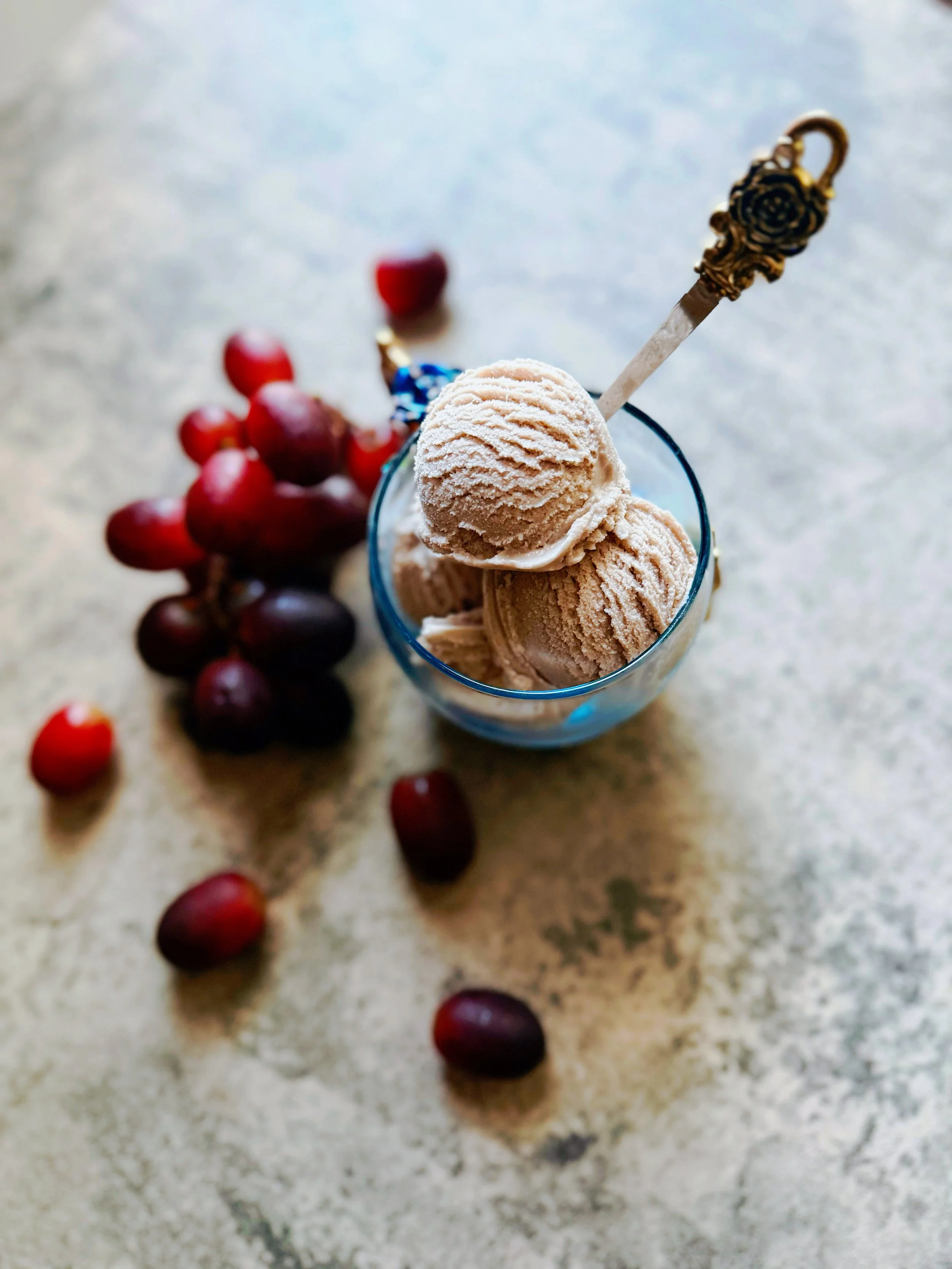
Grape ice cream is oddly rare despite grapes being one of the most widely grown fruits in the world. The reason is mostly technical: grapes contain a lot of water and relatively little acidity compared to fruits traditionally used in ice cream which can make the flavor disappear once frozen. A rich custard base solves that problem. Here milk, cream, egg yolks, and condensed milk create enough fat and body to carry the flavor while grape juice and fresh grapes bring their jammy sweetness. The result is creamy, intensely grapey, and a little nostalgic: somewhere between fruit ice cream and frozen grape juice.
What is the difference between concord grape juice and red grape juice?
Concord grape juice and red grape juice come from different grape species which is why they taste nothing alike. Concord grapes are native to North America and have that intense grape flavor most people associate with grape juice, jelly, and purple popsicles. Red grape juice is usually made from European wine grapes or table grapes which taste lighter and less aromatic. The color is usually softer too; more ruby than deep purple. In desserts Concord juice brings bold, nostalgic grape flavor while red grape juice gives a milder fruit taste.
What is the history of grape ice cream?
Grape ice cream doesn’t have a single clear origin the way flavors like vanilla and chocolate do. It likely developed alongside early fruit ice creams and sorbets which were already being made in Europe by the 1600s using fruit juice, sugar, and ice. Grapes were sometimes used the same way especially in regions with large grape harvests. In the U.S grape ice cream often appeared as a seasonal novelty at local ice cream shops rather than a mainstream flavor. It also became popular in certain communities including among the Lumbee people of North Carolina and surprisingly common in Japan. Even today it remains a niche flavor partly because grapes are mostly water which makes them harder to turn into smooth ice cream compared to fruits like strawberries and peaches.
What are some interesting facts about grapes?
There are over 10,000 grape varieties. Most people only ever encounter a handful; table grapes, wine grapes, and Concord grapes.
Grapes are technically berries.
The white powder on grapes is natural. The dusty coating is called ‘bloom’; a wax that protects the fruit from moisture loss and microbes. A high amount of bloom indicates the fruit is fresh and hasn’t been heavily handled.
Raisins were discovered accidentally. They were likely first noticed when grapes dried naturally on the vine in hot climates.
A single grapevine can live over 100 years. Some of the oldest productive vines in Europe are more than a century old and still producing grapes for wine.
Concord grapes were developed in the U.S. They were bred in Massachusetts in 1849 and quickly became the standard for American grape juice and jelly.
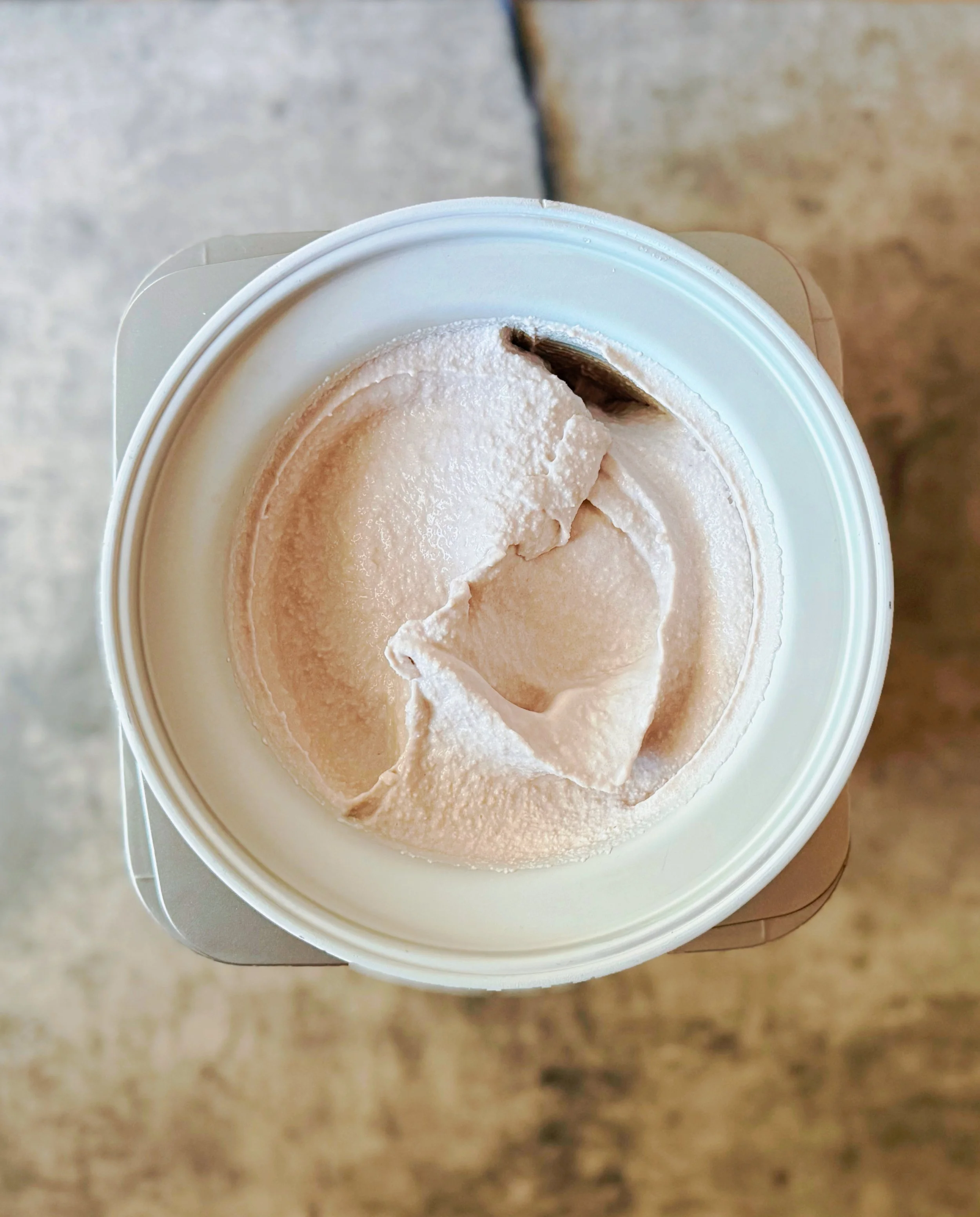
Why ice cream needs time to cure in the freezer?
Ice cream isn’t fully finished when it comes out of the machine. Churning freezes the base while whipping in air which is why freshly churned ice cream has the texture of soft serve. The final step is called curing: letting it sit in the freezer for several hours so the fat solidifies and the ice crystals stabilize. This step firms the ice cream and tightens the structure giving it the dense, scoopable texture people expect from real ice cream.
How to make grape ice cream?
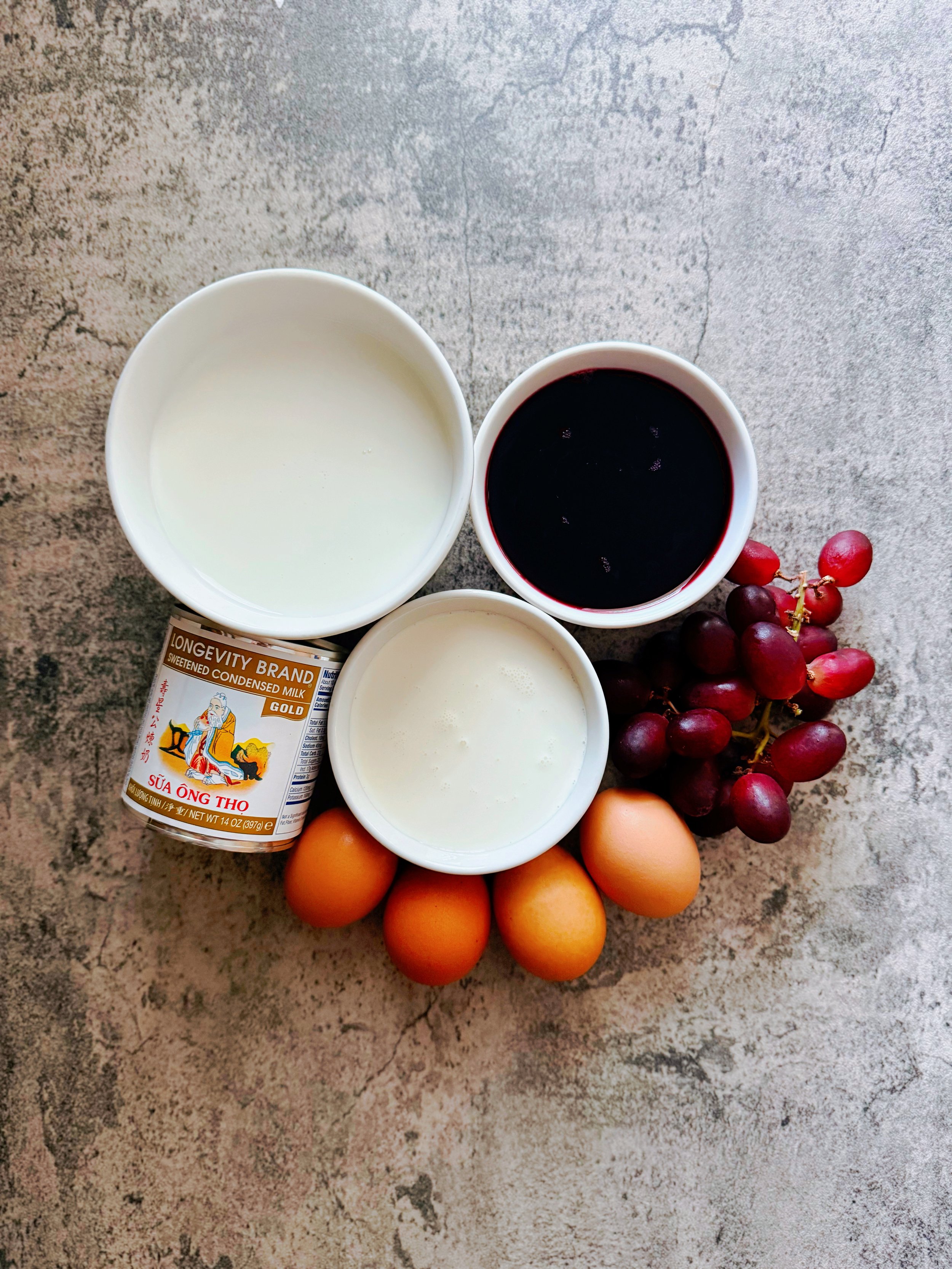
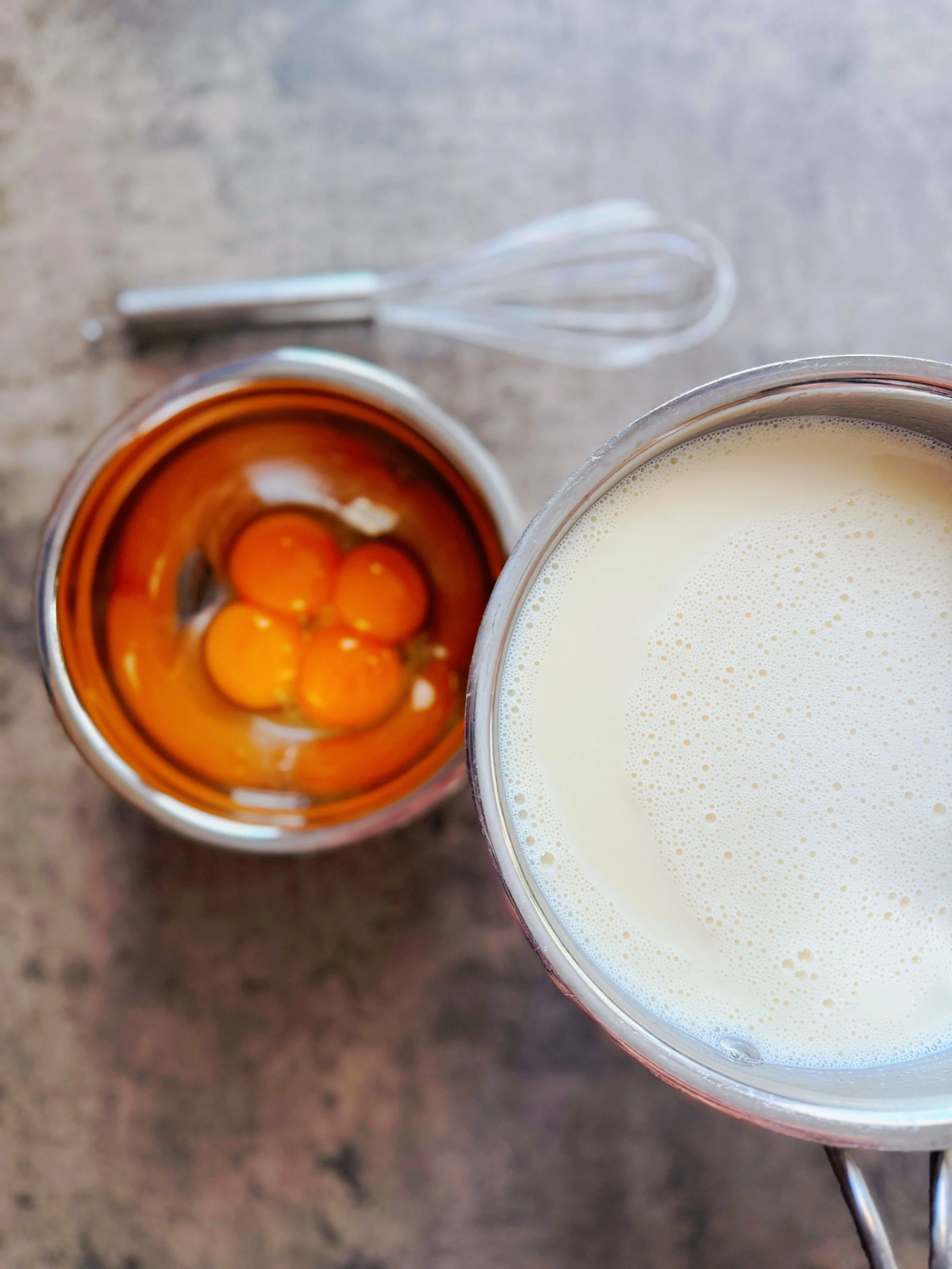
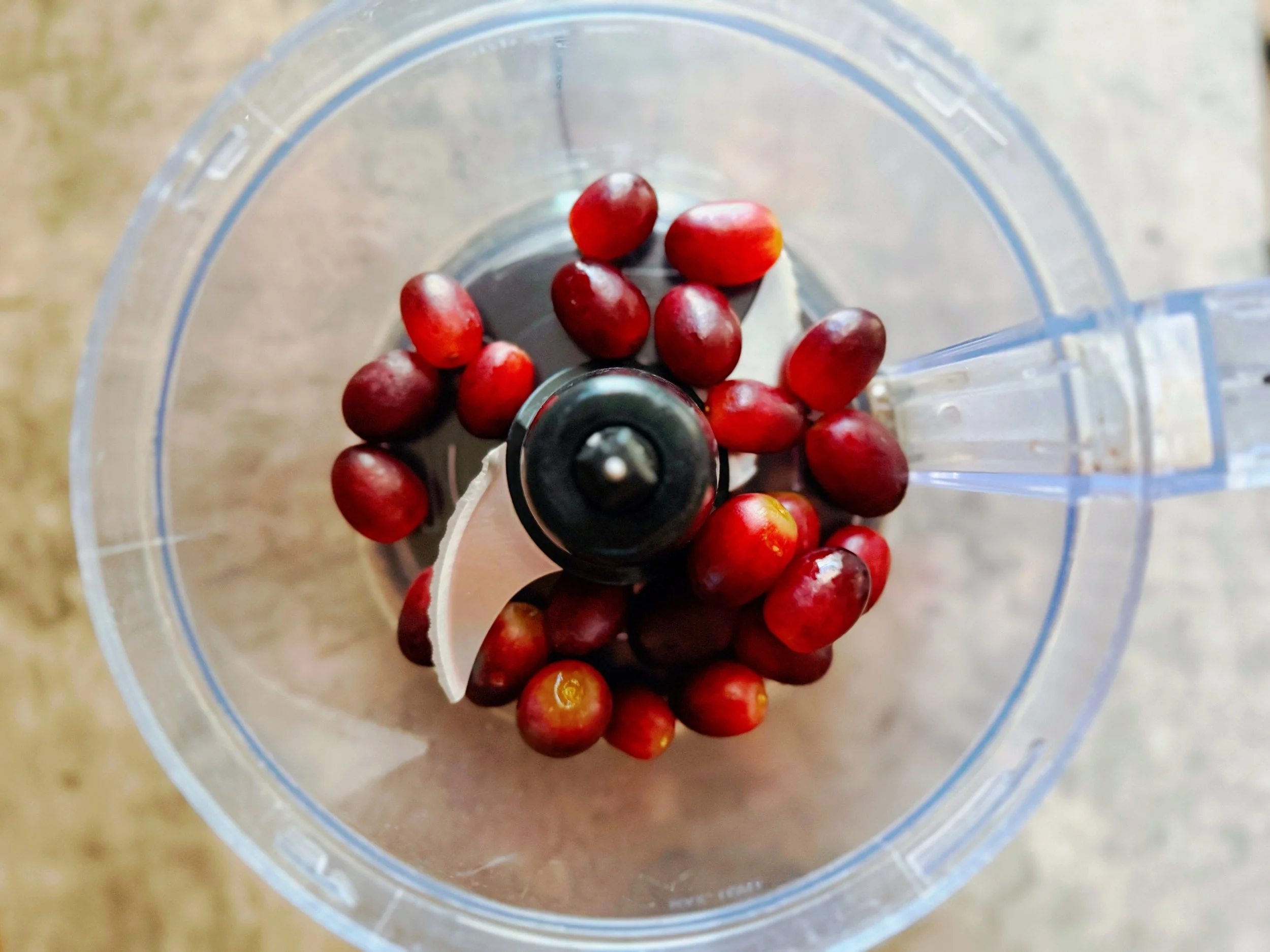
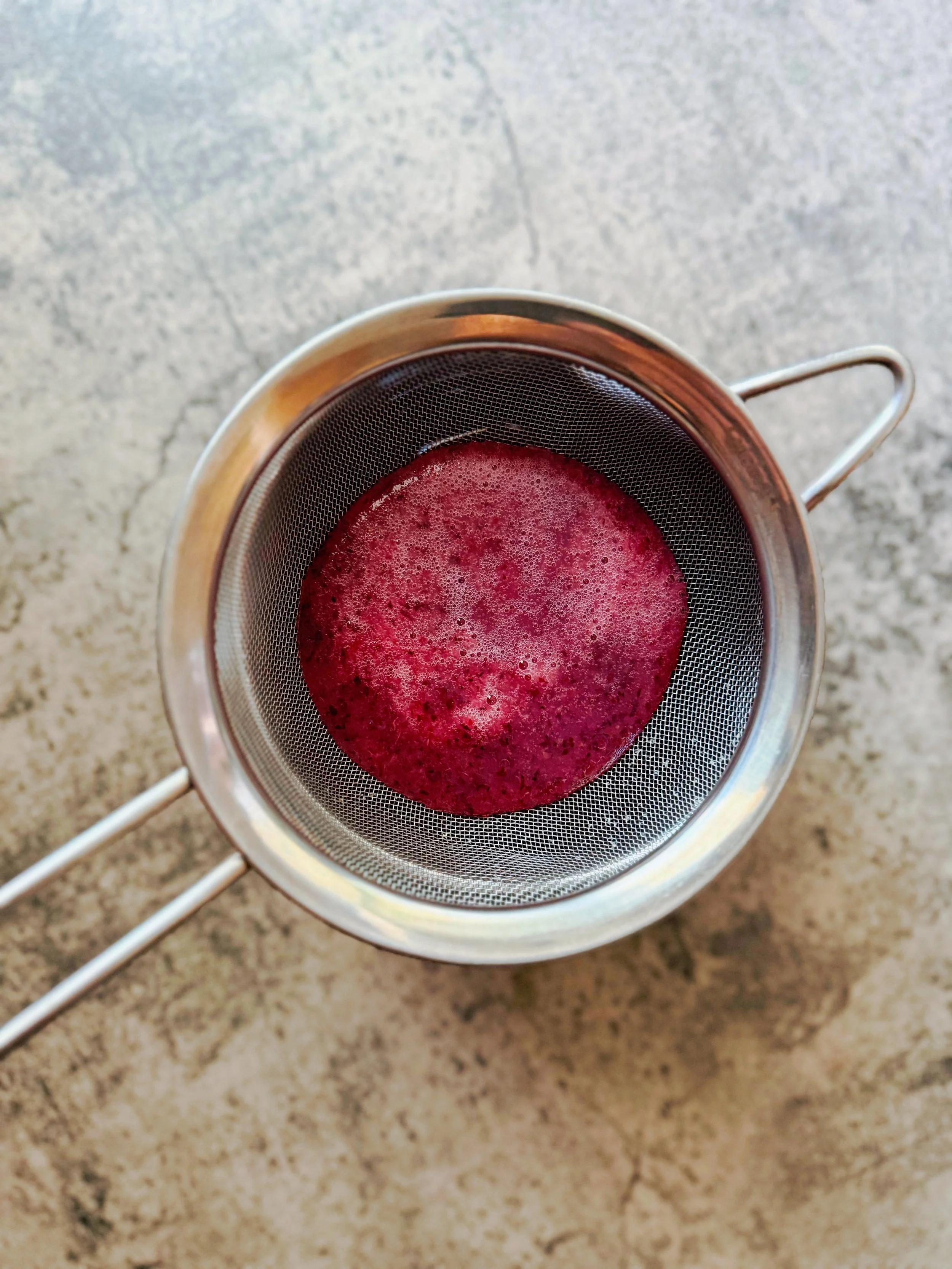
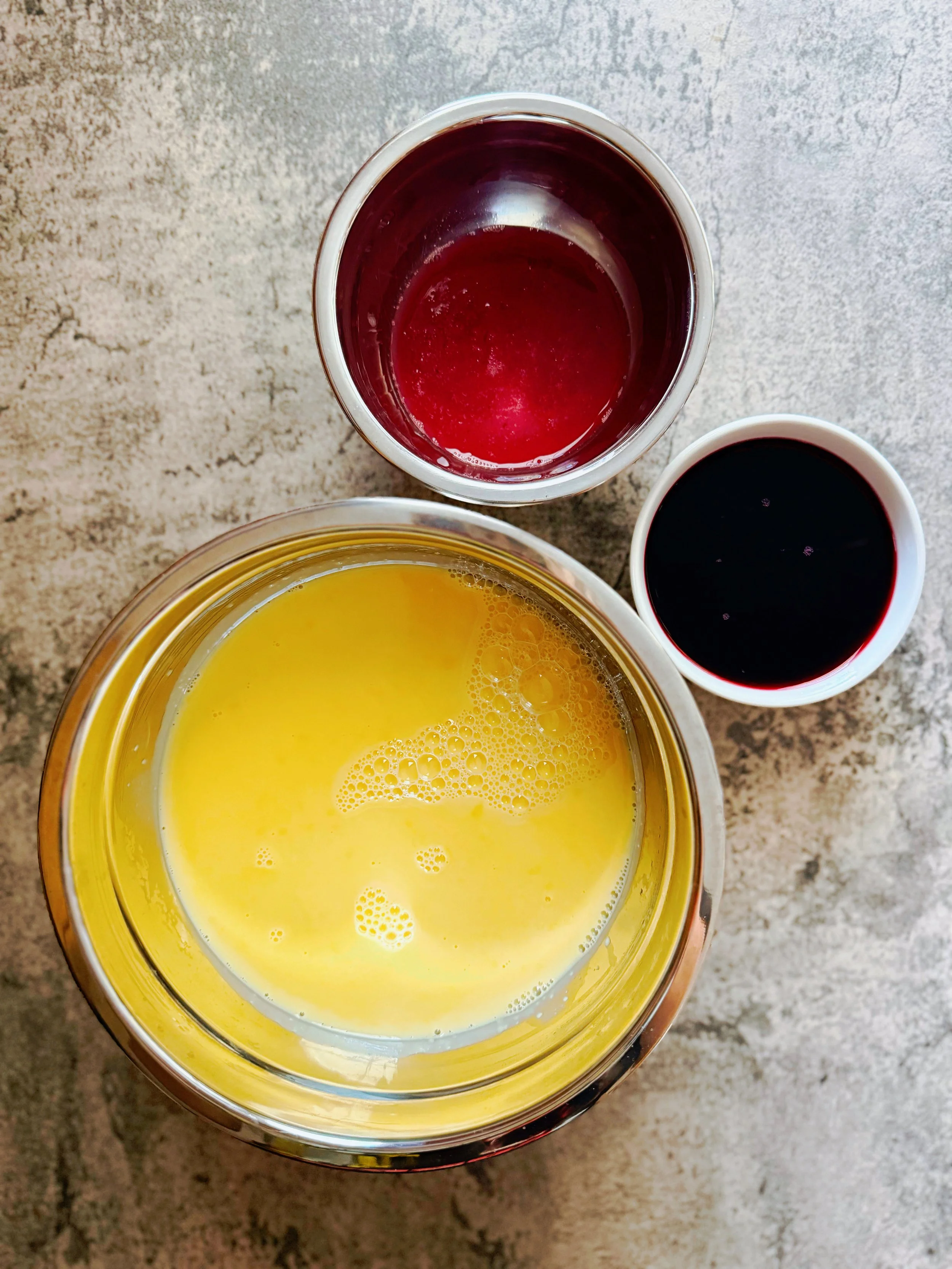
In a small pot bring 2 cups of whole milk, 1 cup of cream, and 13 oz sweetened condensed milk to simmer. Simmer for 15-20 minutes over medium low heat. Temper egg yolks by slowly drizzling in the hot milk mixture while whisking vigorously. Then pour back in the pot and cook over low heat for 10 minutes until slightly thickened. Remove from heat and transfer to a bowl to cool. Puree the red grapes and strain through a fine sieve. Then whisk them into the milk mixture along with the 1 1/2 cups of Concord grape juice and a pinch of salt. Cover and refrigerate until cold. Churn in an ice cream maker for 35-45 minutes until the consistency is similar to soft serve. Transfer in a freezer safe container and freeze over night.
Tips
Put the tub from your ice cream maker in a freezer a day or two before starting this recipe.
Make sure your container is freezer safe - not all types of glass are fit for freezer and may break.
When tempering the egg yolks pour the hot liquid in a small stream while constantly whisking to prevent them from scrambling. If poured too fast the yolks will end up chunky and scrambled instead of smooth.
Add 1-3 drops of purple coloring for a deeper purple color.
Churning is an important step in ice cream making to incorporate air into the ice cream base during the freezing process for a smooth texture and to control the size of crystals, but over churning ice cream can cause emulsion breakdown (fat and water components to separating).
Recommended products to make this recipe
*This page contains affiliate links. If you choose to purchase after clicking a link, I may receive a commission at no extra cost to you.