corn cake
This cast iron bake is crisp on the edges, soft in the center, and perfectly sweet-salty. Preheating the skillet with butter gives it that immediate golden crust, while kefir and sweetened condensed milk keep the crumb rich and tender. Parmesan adds a savory depth that makes it taste more interesting than plain cornbread, and a little fresh nutmeg and honey gives it a warm, cozy finish. Dust it with powdered sugar and slice it while it’s still slightly warm.

What is the history of corn cake?
Corn cakes have roots stretching back thousands of years to Indigenous peoples of the Americas who cultivated corn maize and turned ground corn into porridges, breads, and cakes long before European colonization. As Indigenous, African, and European food traditions mixed countless regional versions developed. In the American South cornmeal became the base for foods like hoecakes, cornbread, and spoonbread, while Latin America and the Caribbean developed their own corn cakes and breads. The richer and sweeter versions made with butter, milk, eggs, and sugar are more modern variations of this much older tradition.

How to make corn cake?
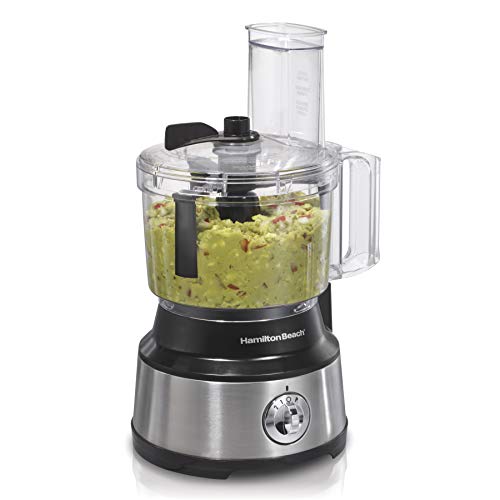
Instead of heating up a garden blade this recipe starts off by heating your cast iron skillet. Preheat oven to 350f and put 1/4 cup of butter on the skillet and place it in the oven to heat. Meanwhile make the batter. Melt the remaining 3/4 cup butter and mix it together in a large bowl with the kefir, sweetened condensed milk, shredded parmesan, eggs, baking powder, cornmeal, honey, and desired amount of freshly grated nutmeg. Using a food processor blend the batter in 2 batches for 30 seconds. Whisk back together in a bowl and pull the cast iron skillet out. Pour the batter in the hot skillet and bake for 50 minutes until golden brown on top. Cool on a wire rack for 1 hour before serving. When ready to serve dust with powdered sugar.

Tips
Get your desired amount of bite by choosing the correct grind level of the cornmeal; if you want a smoother, more custard like texture go with fine ground, but if you like more structure choose more coarse grind.
Do not use store shredded cheese. That dusty coating store bought shredded cheese has is powdered cellulose or potato starch which affects the way the cheese melts and overall texture.
Elevate the presentation by using a stencil when dusting the cake with powdered sugar. To keep your design from disappearing use snow sugar (non-melting powdered sugar).
Recommended products to make this recipe
*This page contains affiliate links. If you choose to purchase after clicking a link, I may receive a commission at no extra cost to you.