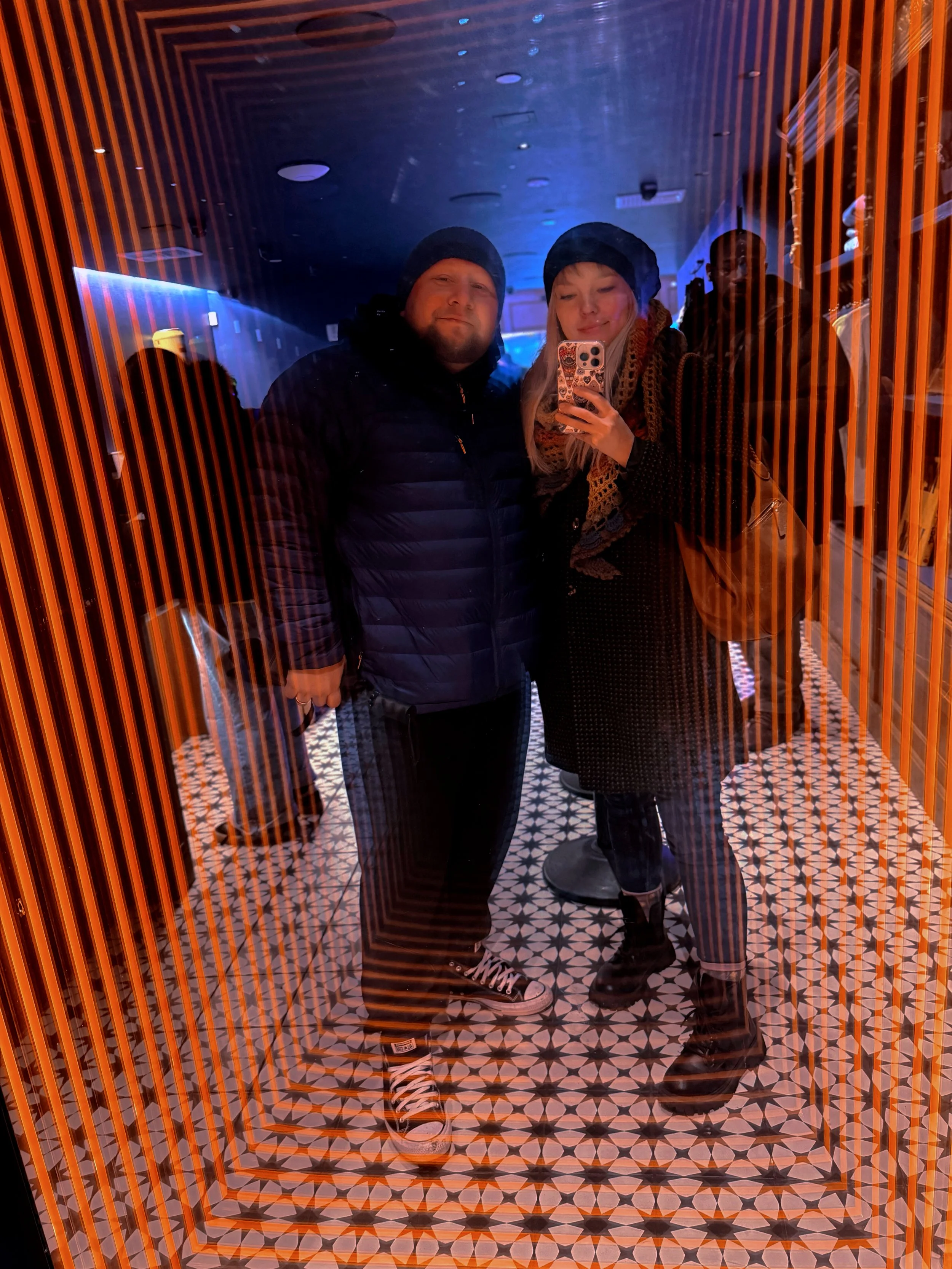
new york, new york
We did New York over Christmas and kept it simple: walked everywhere, ate constantly, stopped when something looked interesting. Some classics, some random finds, a lot of carbs, and a lot of street time. This post is a mix of favorite meals, winter wandering, and the spots that made the trip feel like New York.
Favorite Eats
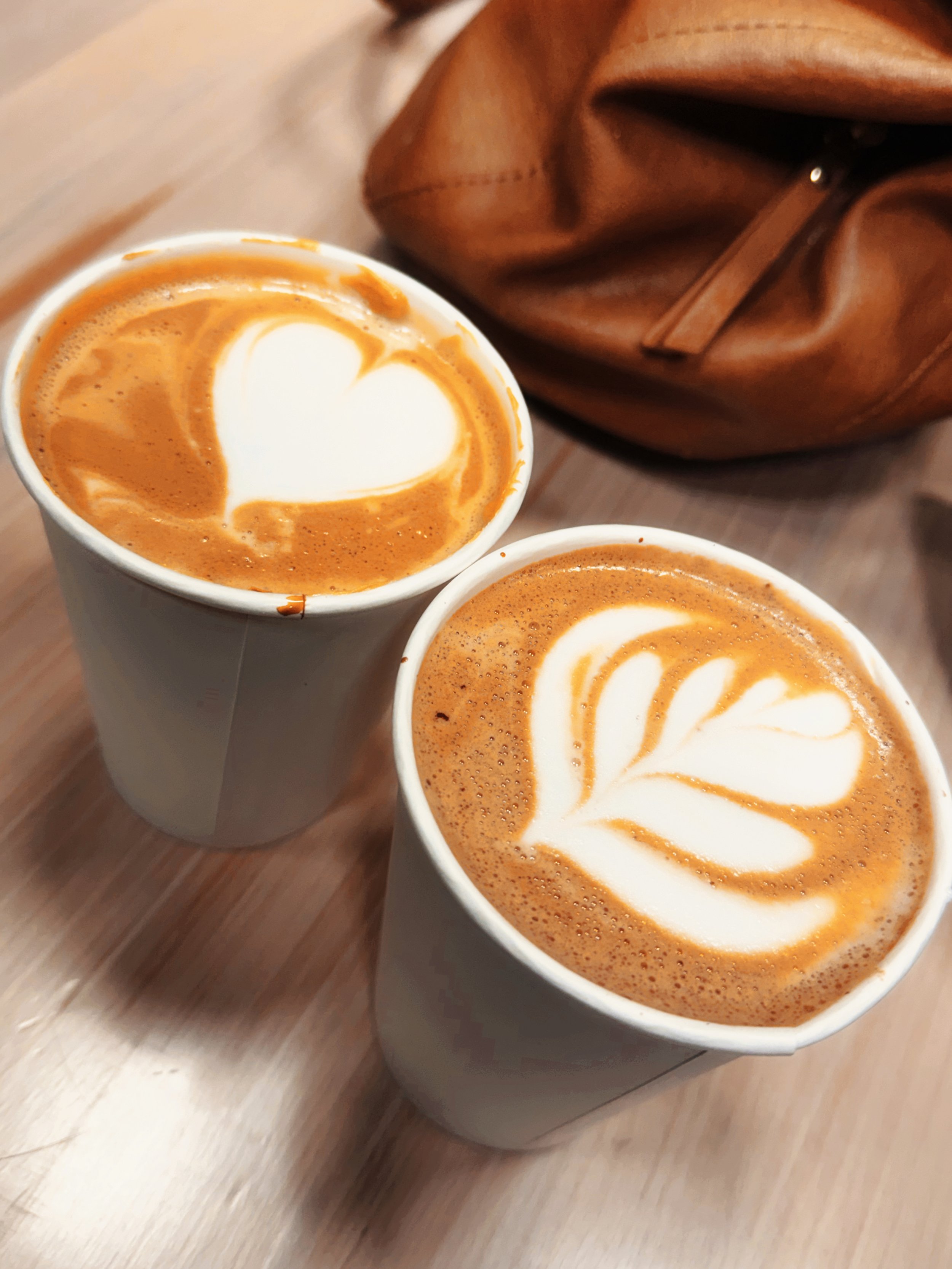
New York makes it easy to eat well without trying too hard. We kept it casual - no reservations and no hype hunting; just places we ended up loving. From sit-down meals to late night snacks these were our favorite eats!
Shashlik House
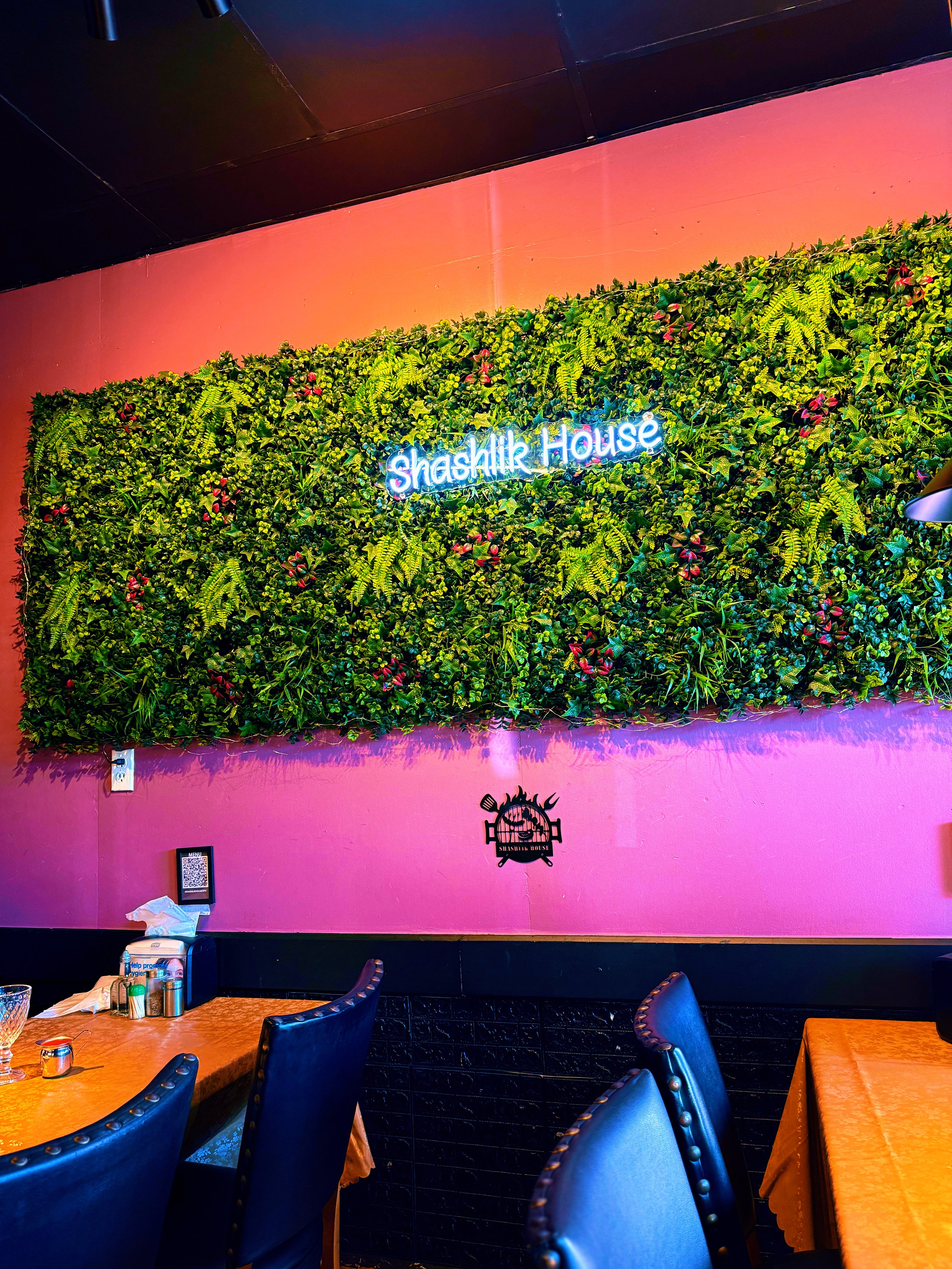
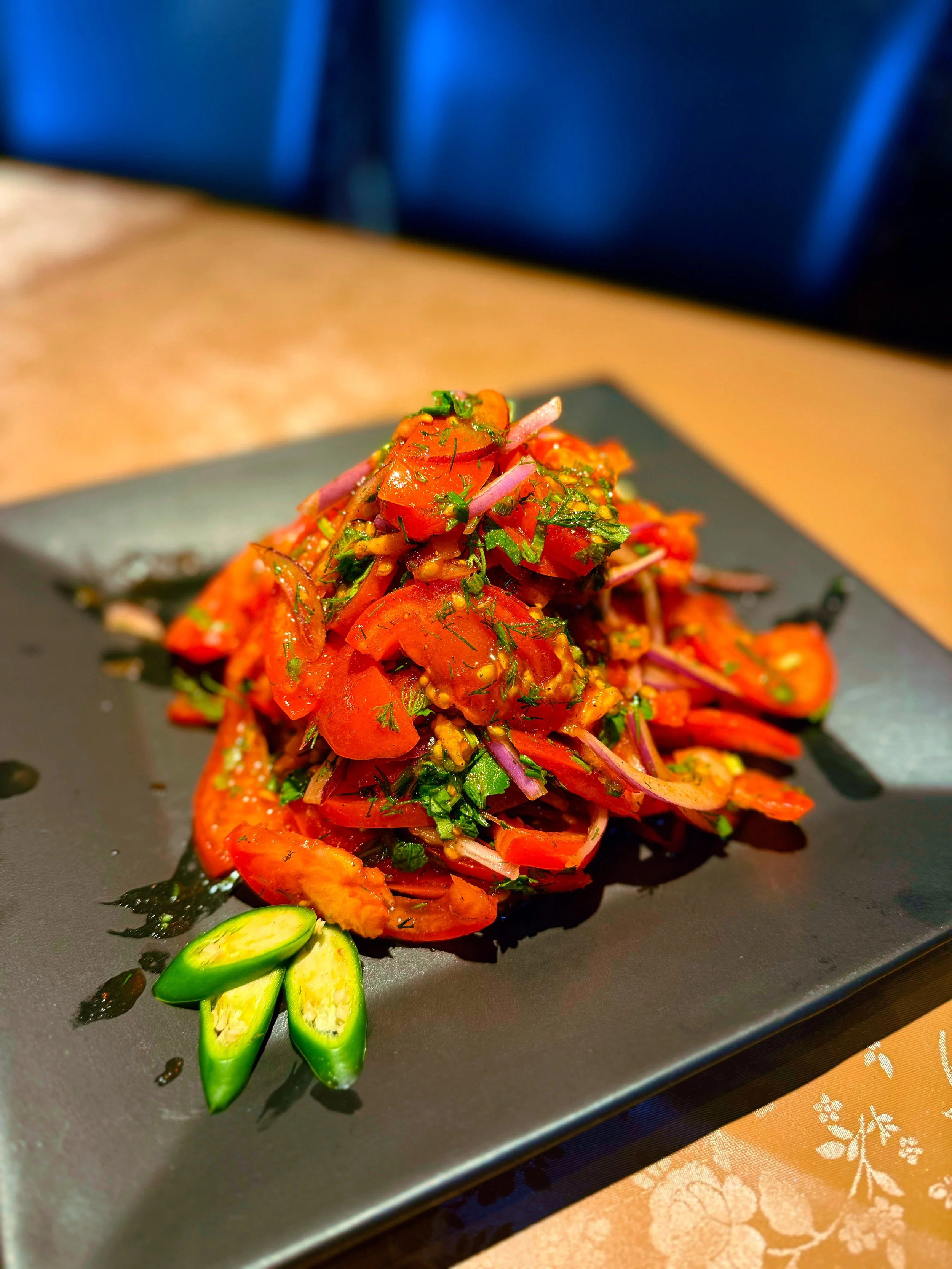
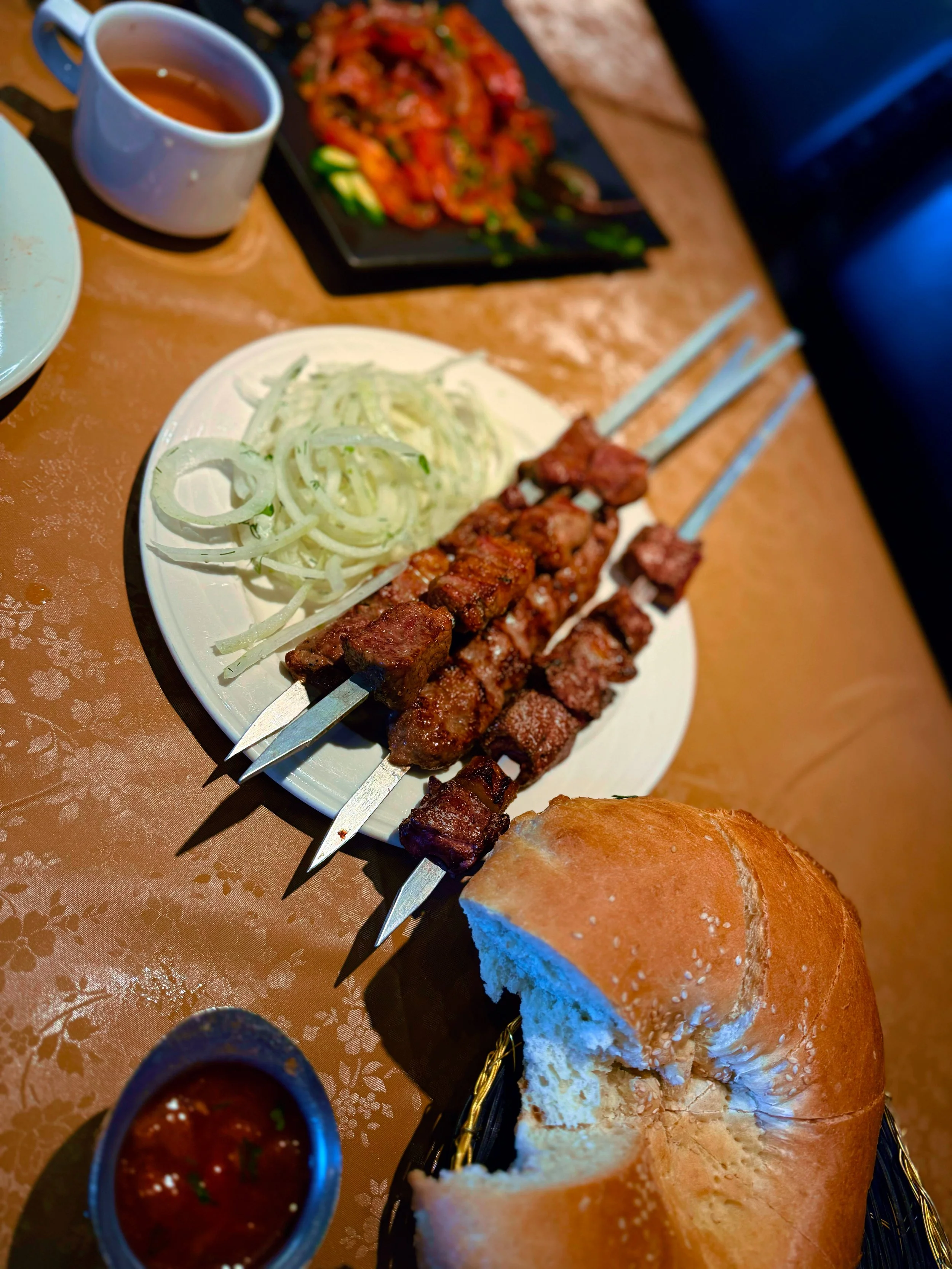
This was one of those places we’d go out of our way for again. Shashlik House is straightforward and confident about it. Constant movement from the grill, plates coming out fast, and food that tastes like it hasn’t been toned down for anyone. It’s casual, a little loud, and very meat forward - easy to order, easy to enjoy, and exactly what we were in a mood for. They even make their own ayran, which ended up being my personal highlight. It cut through the richness of the grilled meat perfectly and felt like one of those small details that says a lot about the place!
FAN Szechuan
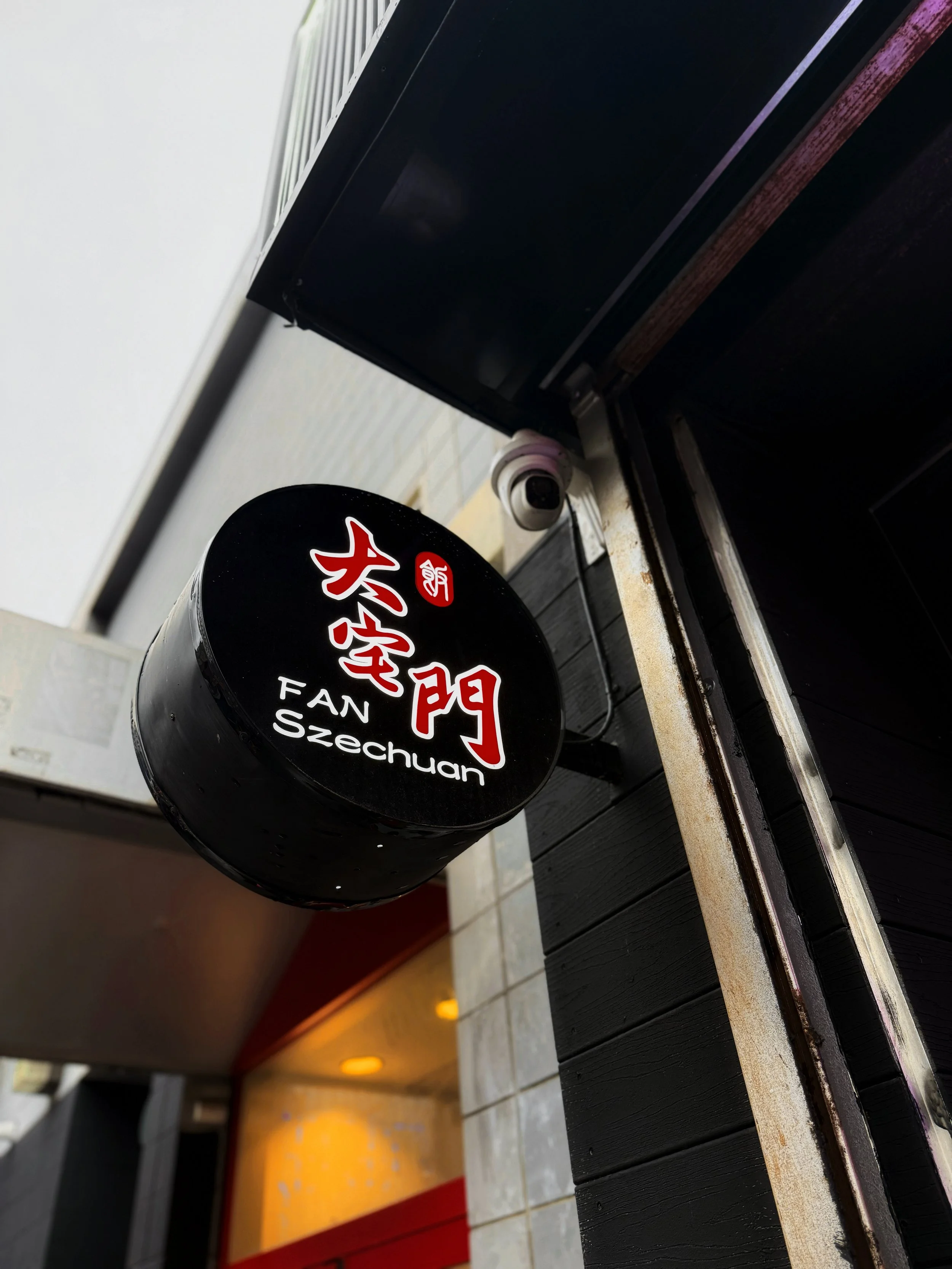
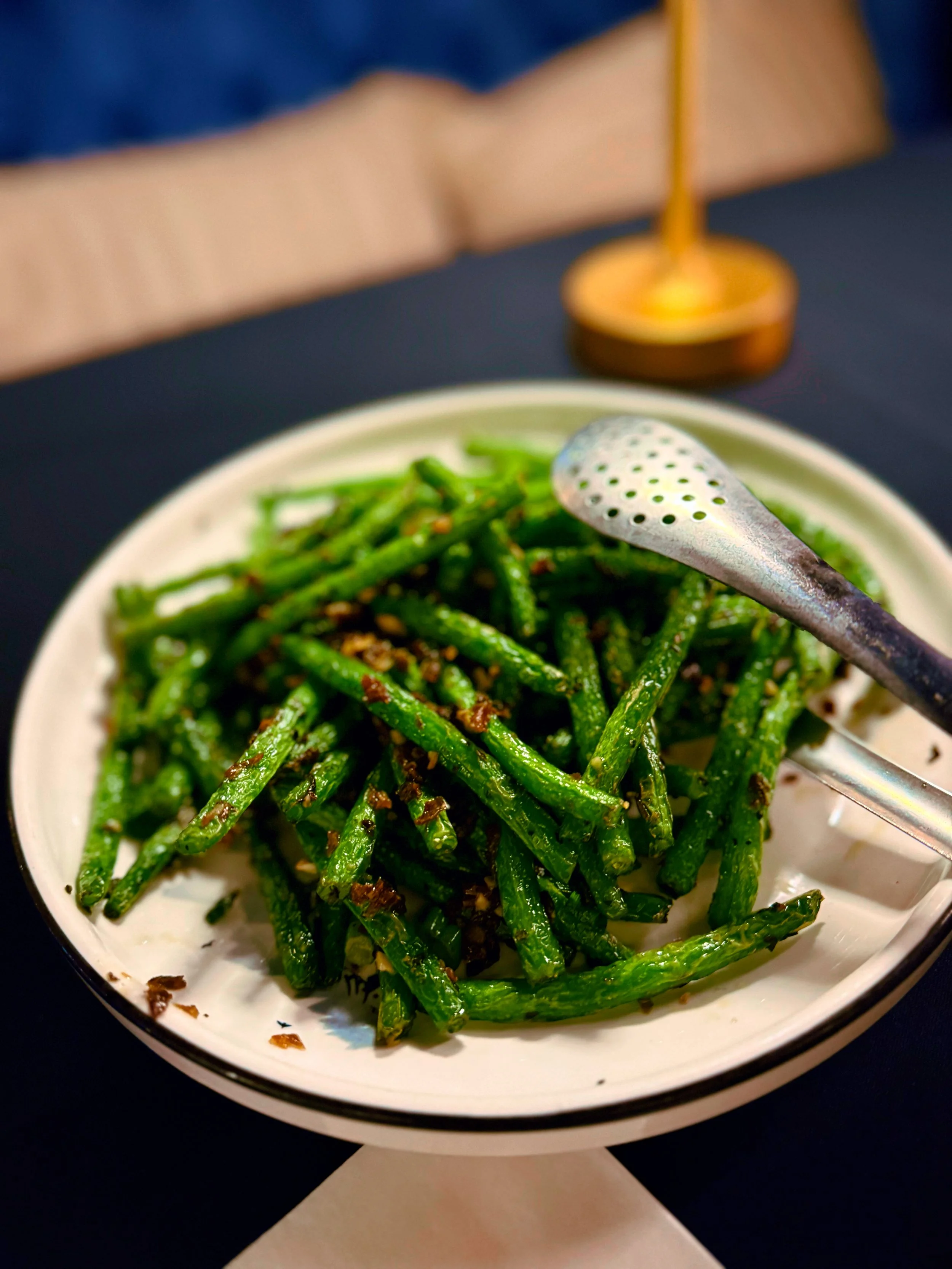
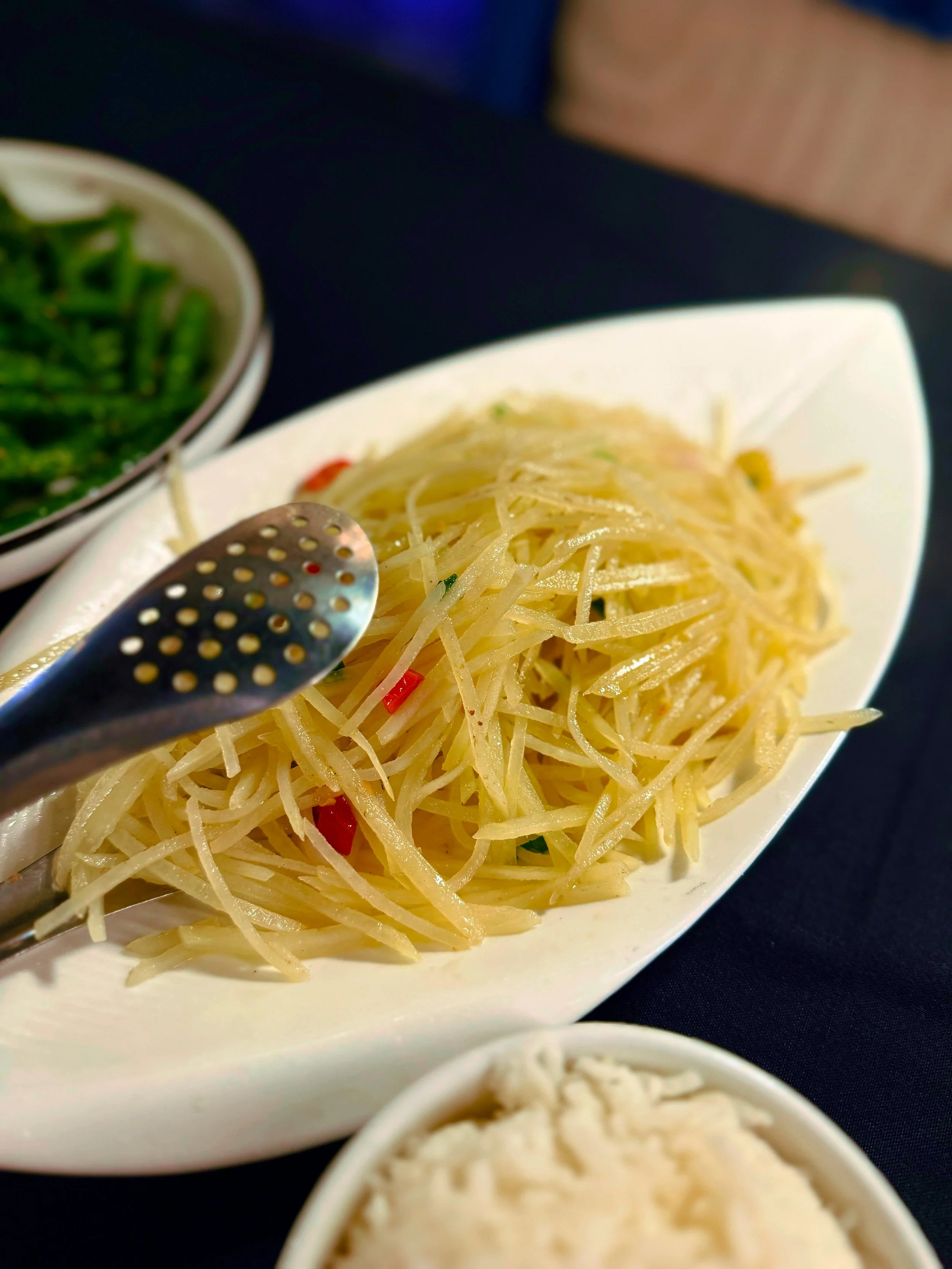
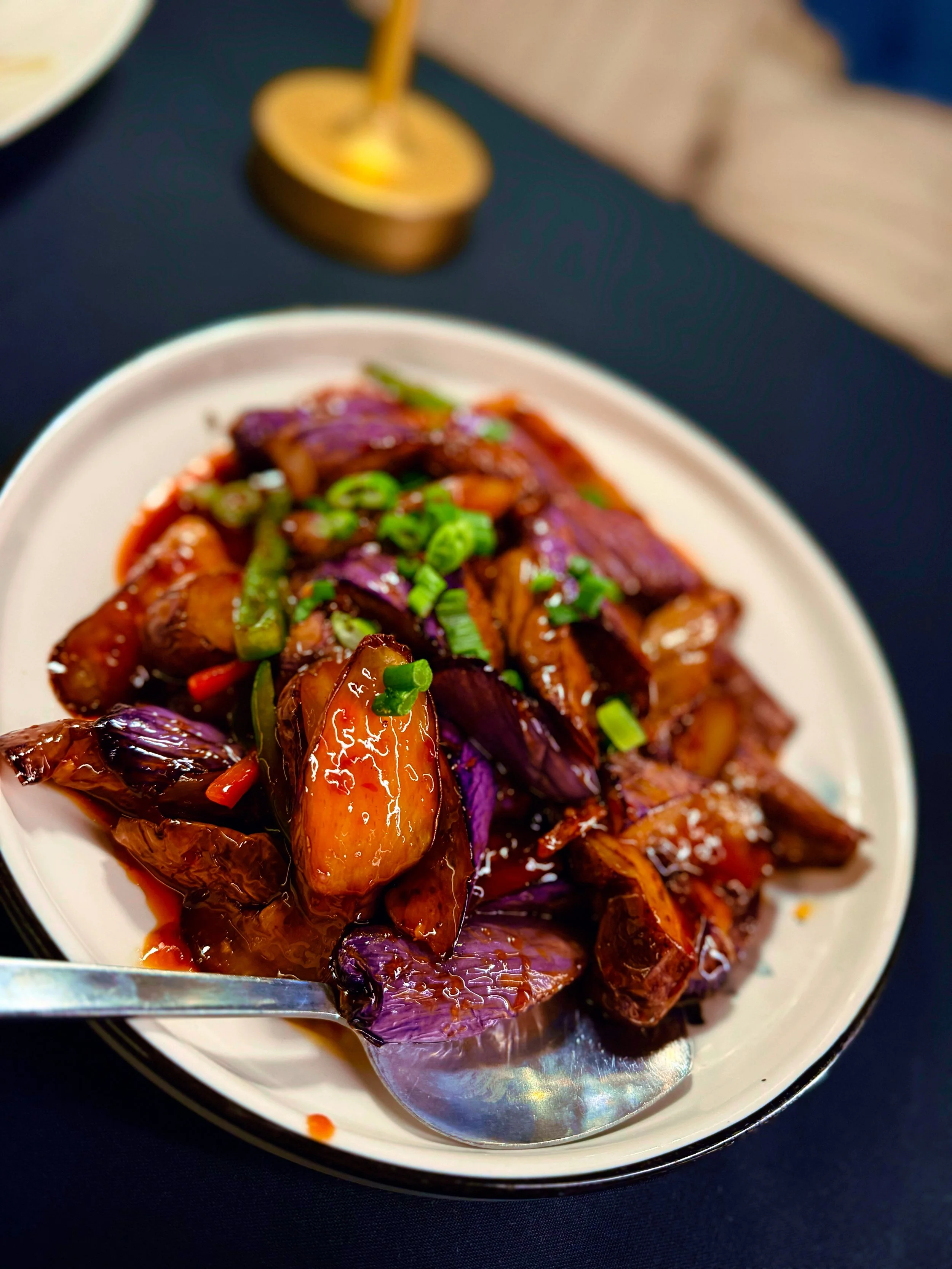
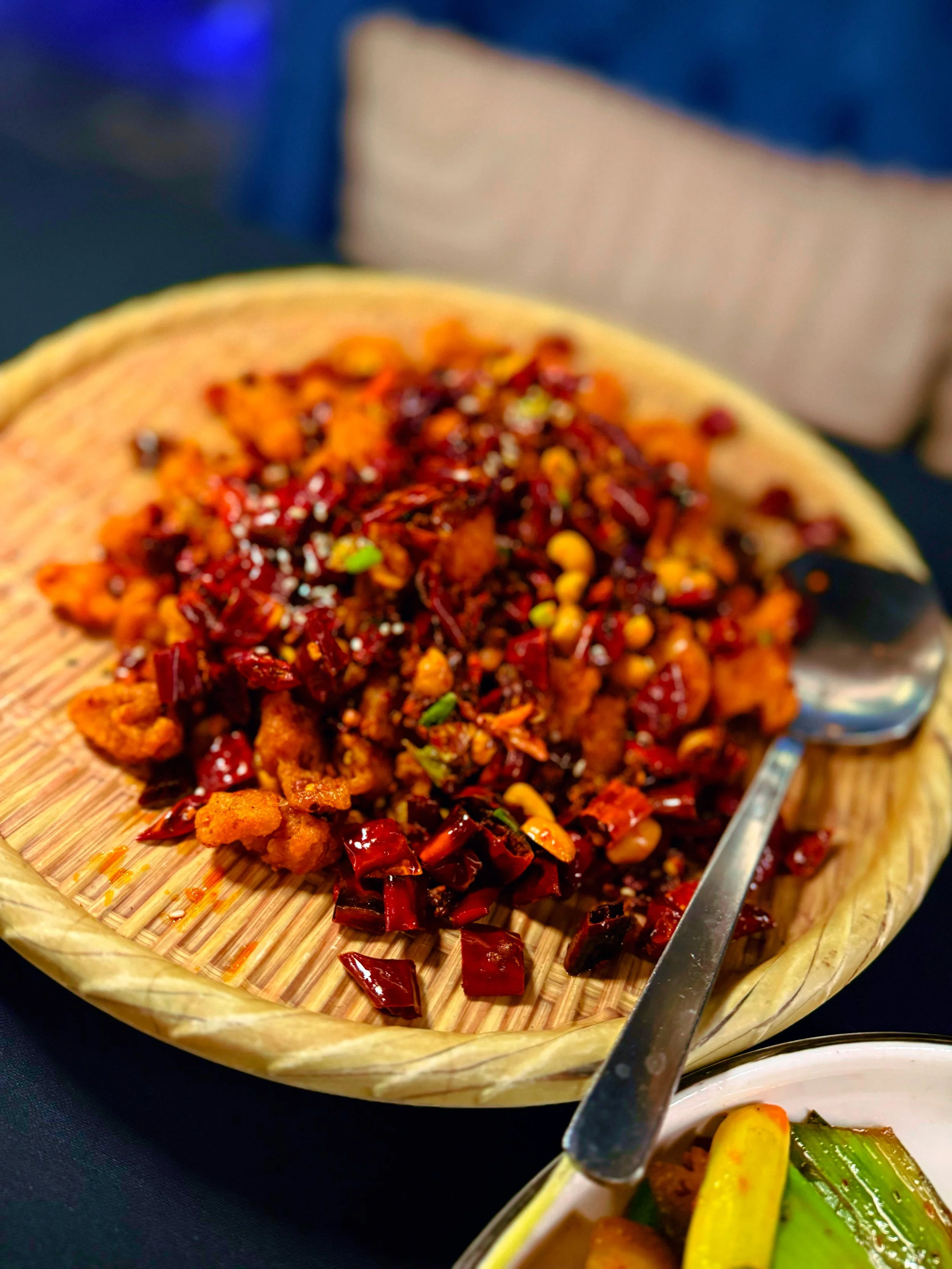
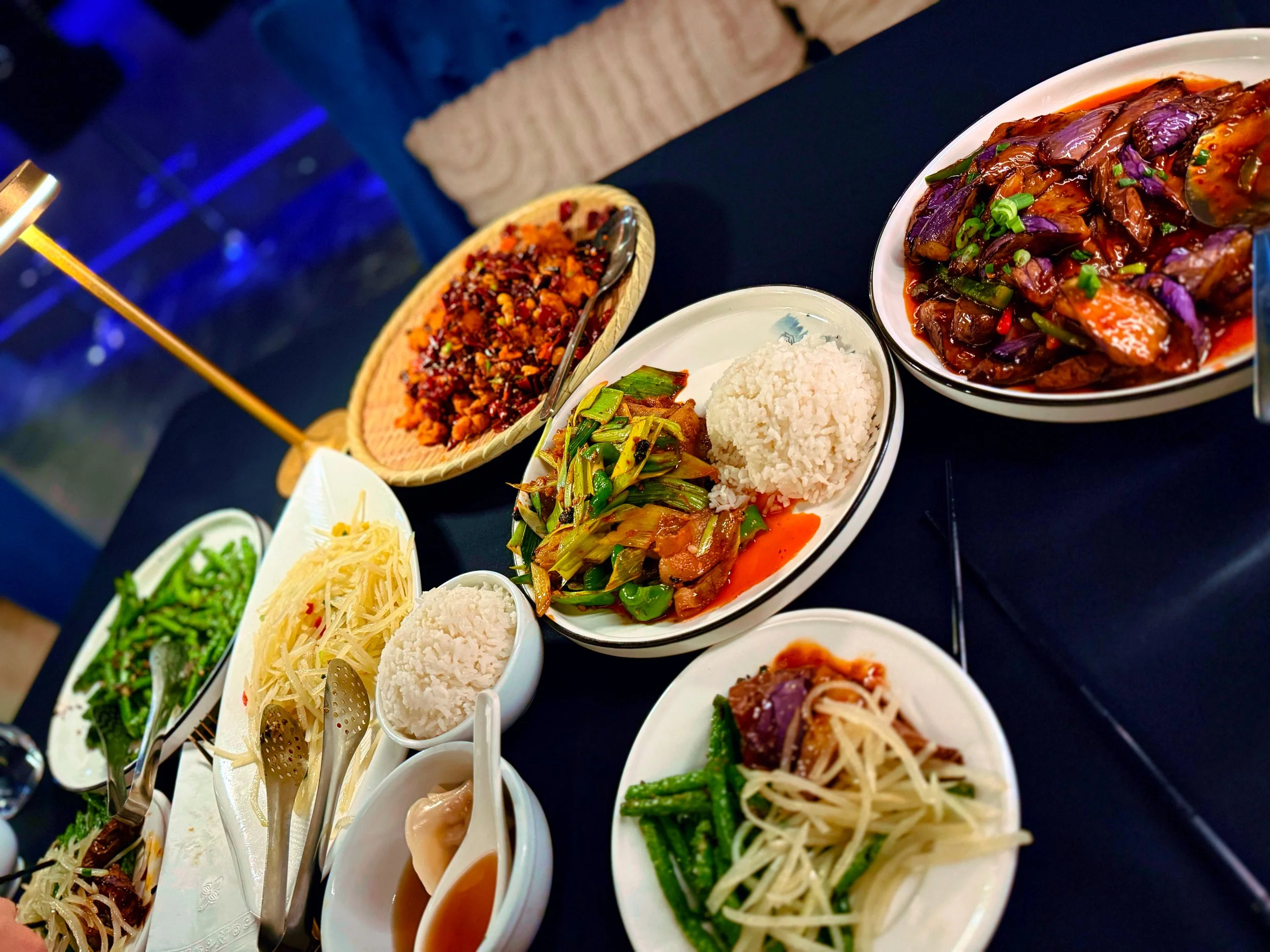
Fan Szechuan leaned more toward a sit-down dinner, but the food still did the talking. The menu is big and meant for sharing, with dishes that come out looking exactly like you hoped they would. Everything was rich and intensely flavored without feeling sloppy or dulled down. It felt like a place you go when you want a proper meal, not a quick bite - good pacing, solid portions, and the kind of food that makes you slow down and pay attention. As always, I went straight for the fried green beans - salty, blistered, and heavy on garlic - still my favorite thing on the table. The shredded potato dish was a surprise highlight too; crisp, lightly tangy, and clean enough to balance the heat. This was a meal I kept thinking about later - not because it was flashy, but because every dish did exactly what it was supposed to do. It’s one of those menus where you already know what you’ll order next time before you’ve even paid.
Insomnia Cookies
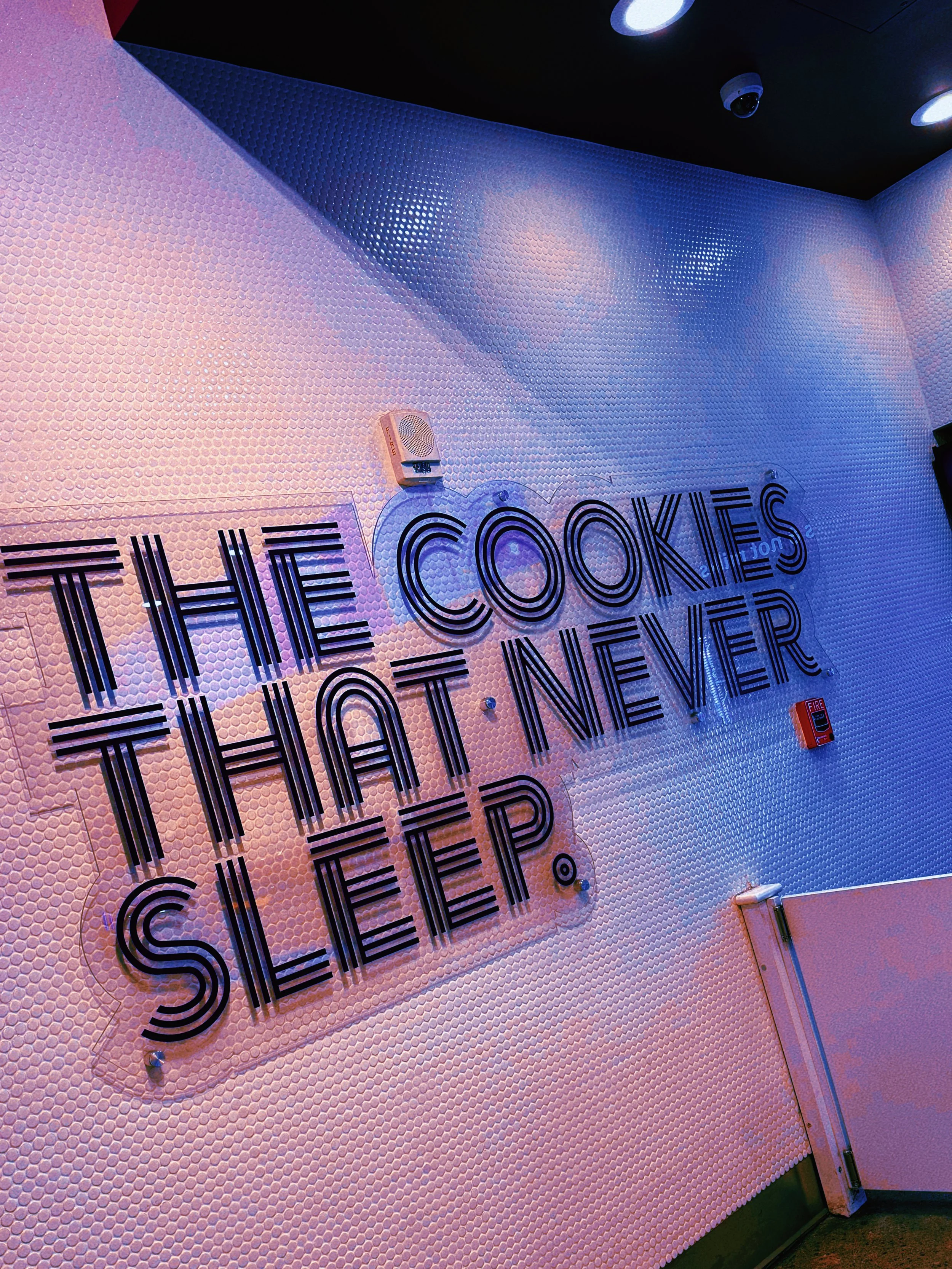
After dinner we ended up at Insomnia Cookies at Penn station, which honestly felt inevitable. This place is exactly what it sounds like: quick, warm cookies made to order, open late, and built for people passing through. The menu is straightforward with plenty of classics and a few rotating flavors.
Ichiran
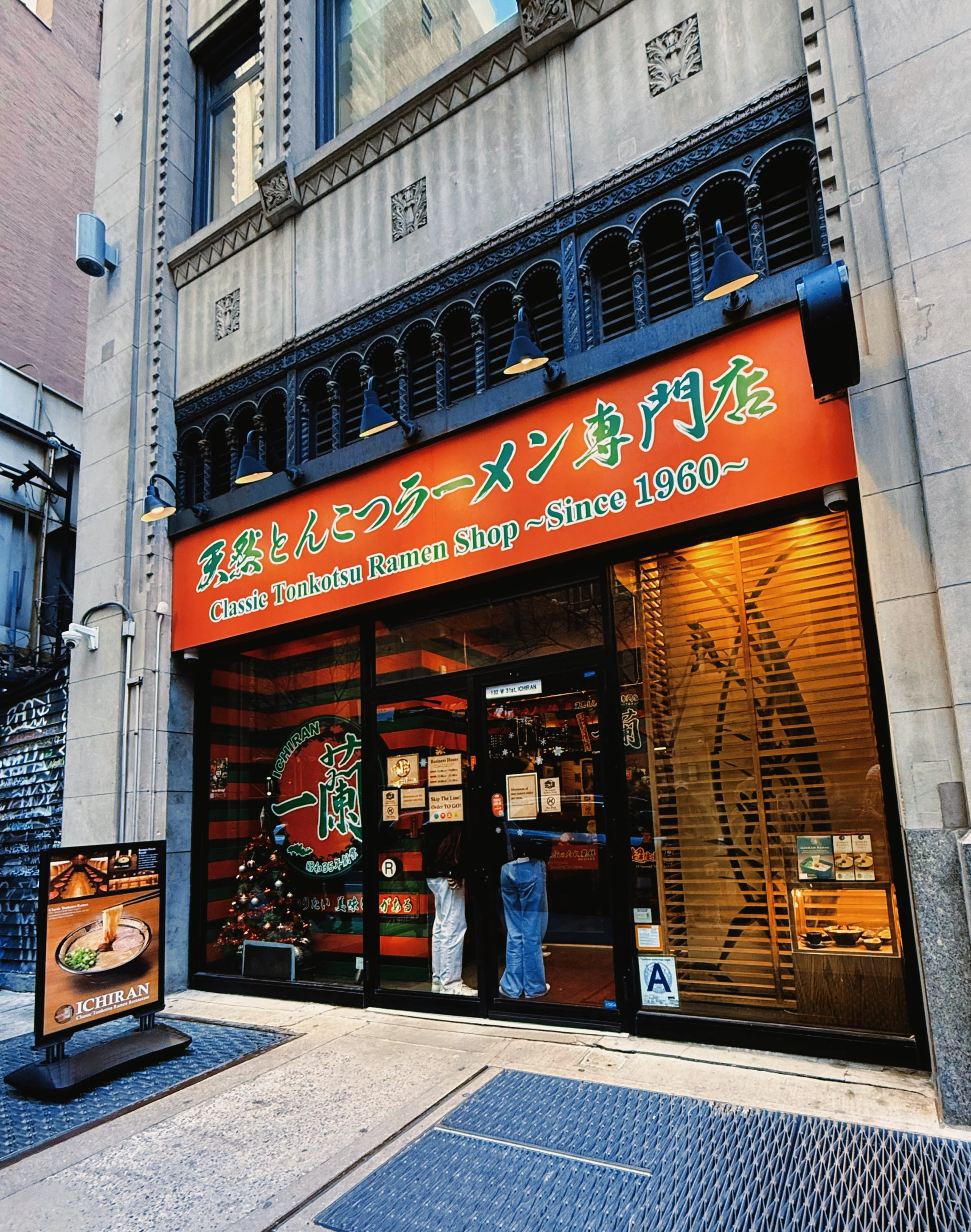
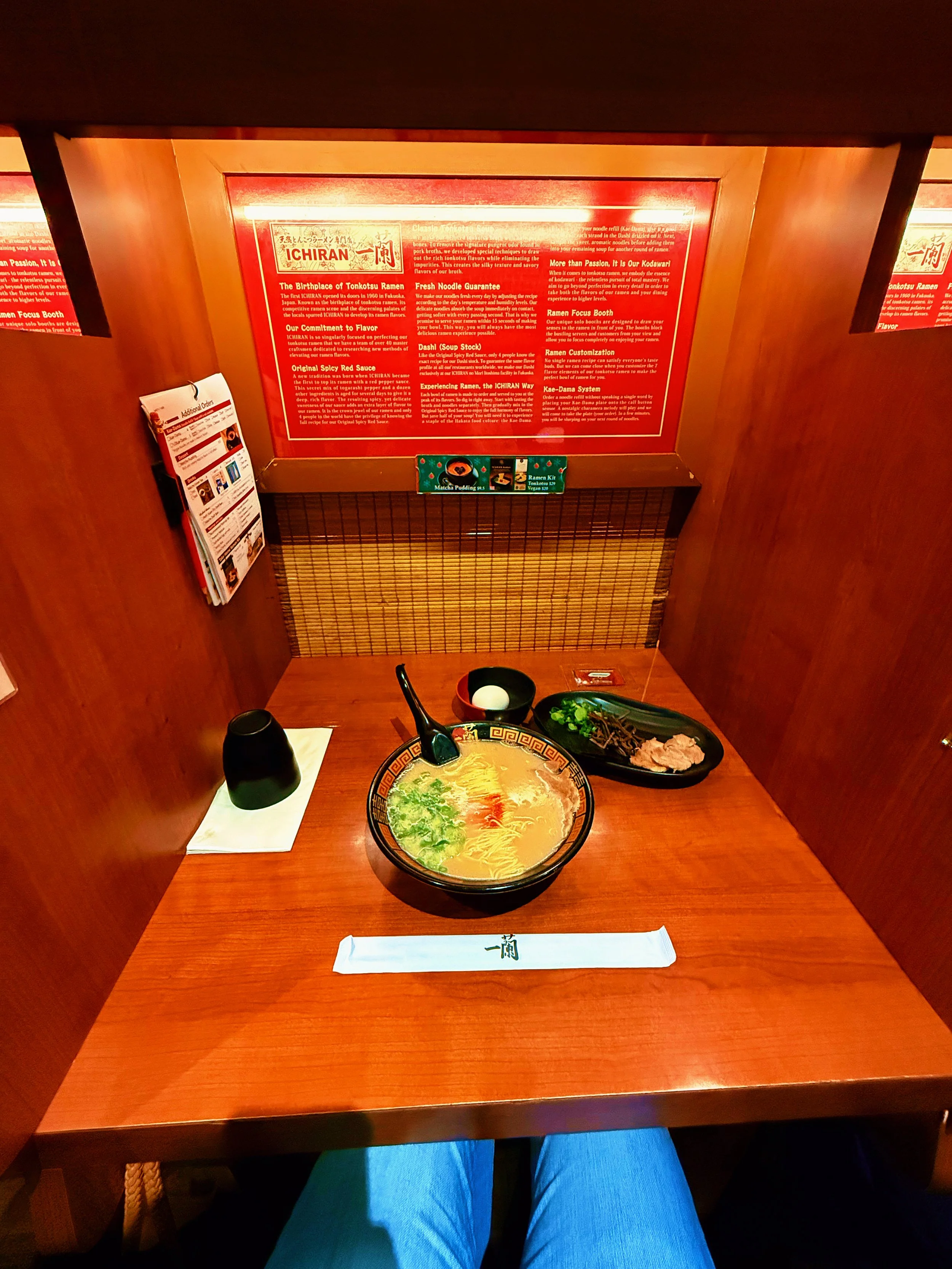
Ichiran was a reset meal. The focus is narrow: tonkotsu ramen done one bowl at a time, and the set up keeps distractions low from the ordering system to the individual booths. The broth was rich without feeling heavy, the noodles had the right bite, and everything arrived exactly as requested. It’s structured, efficient, and consistent which makes it a good stop when you want something reliable and warming without turning the meal into an event. You order from one of their digital menus, customize everything from broth richness to noodle firmness, and eat in individual booths designed to keep the focus on the bowl. The menu is intentionally narrow - tonkotsu ramen only - which shows in how dialed in everything feels. It’s quiet, efficient, and a little clinical but the payoff is a bowl that tastes exactly how you asked for it, every time.
Jack Demsey’s
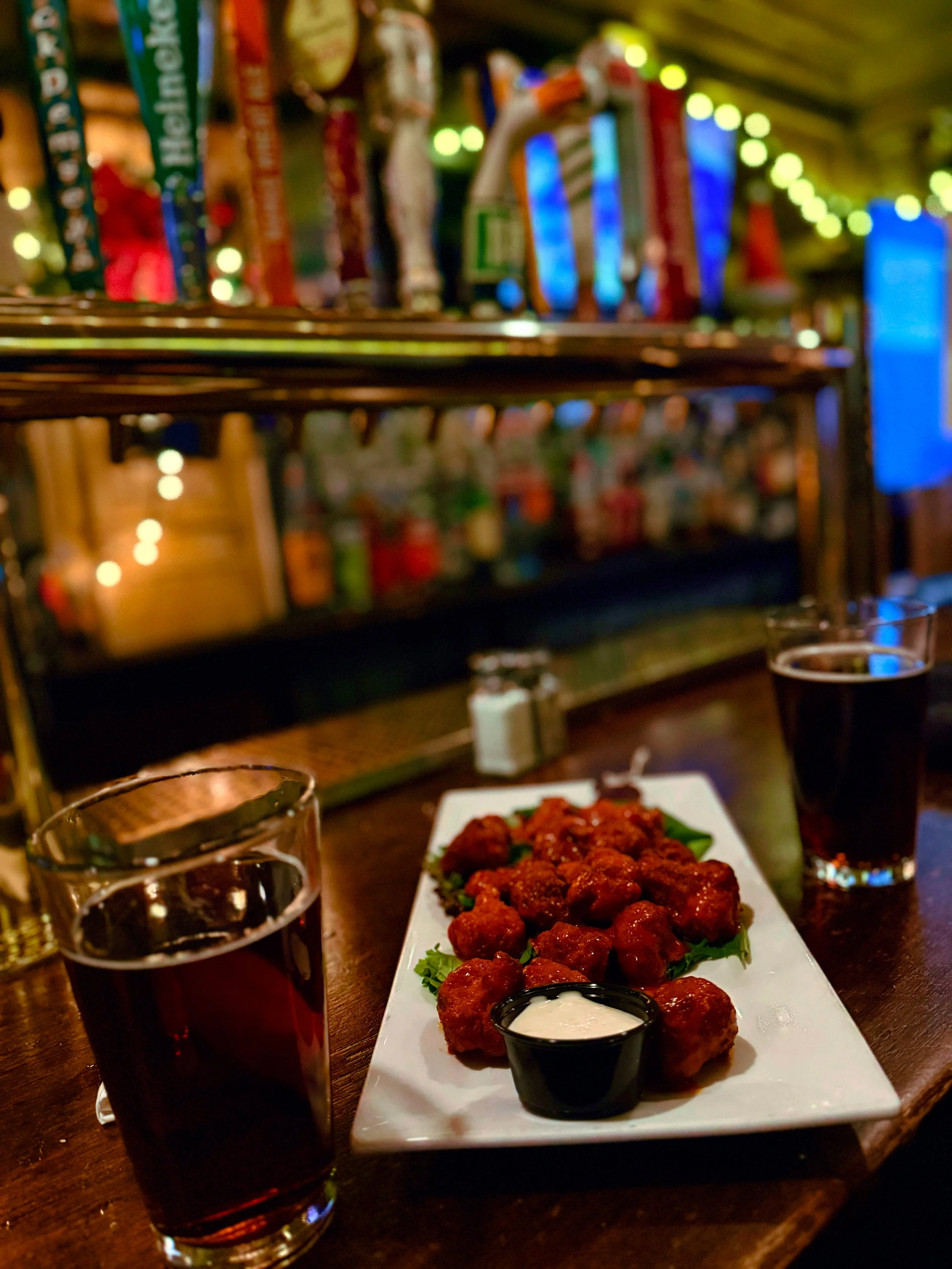
Jack Demsey’s hit the winter-pub sweet spot. It’s a no-frills Irish pub with a steady crowd and a warm, lived-in feel. The buffalo cauliflower ended up being a favorite and the house ale was smooth - exactly what you want in winter!
Street gyros
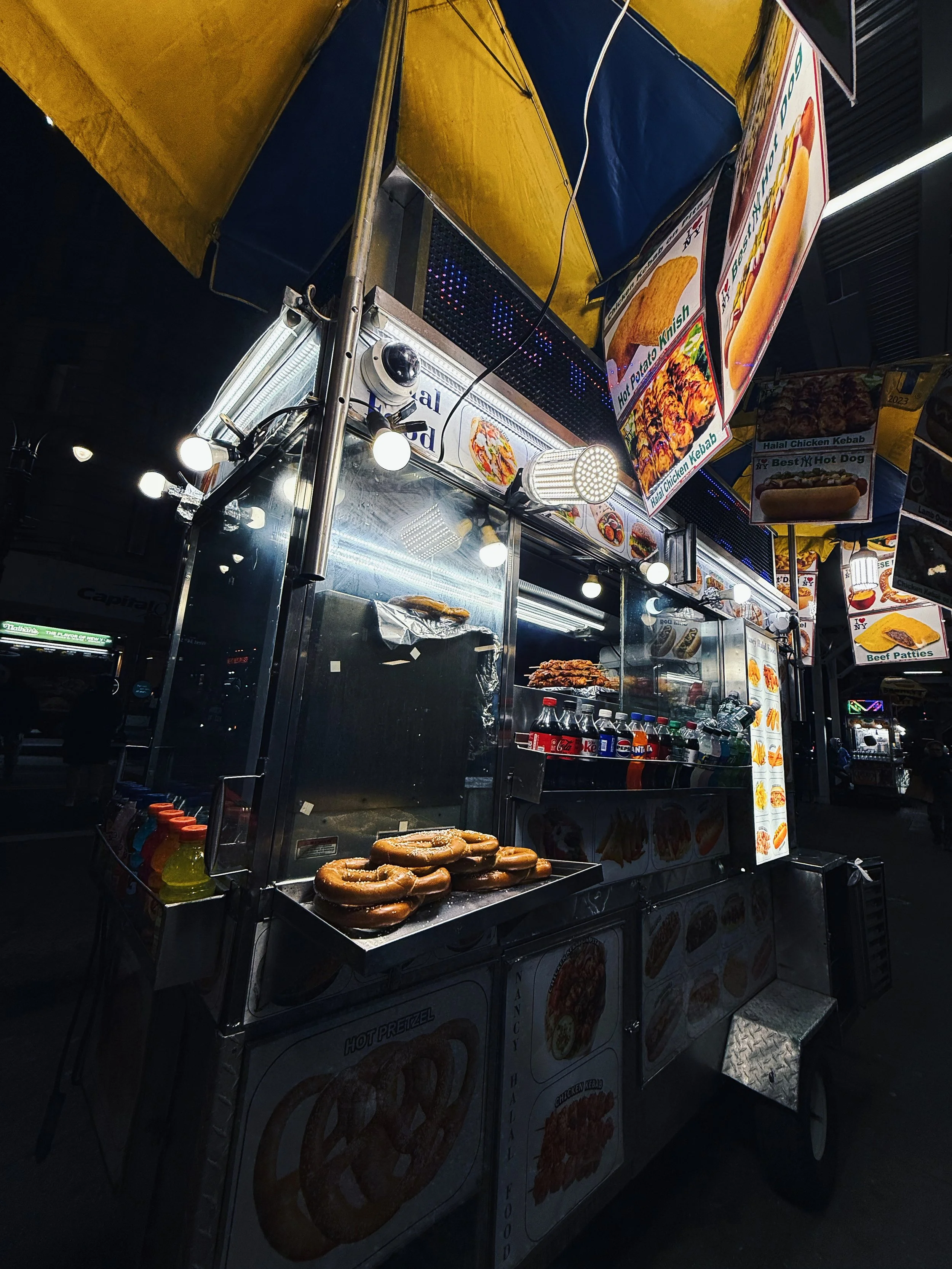
We ended up eating more street gyros than planned! No specific cart, no planning - just stopping when we were hungry and something smelled delicious. Warm pita, plenty of meat, simple toppings, and eaten standing on the sidewalk in the cold. Not fancy, not memorable in a single name way, but consistently satisfying and easy to fit between everything else we were doing.
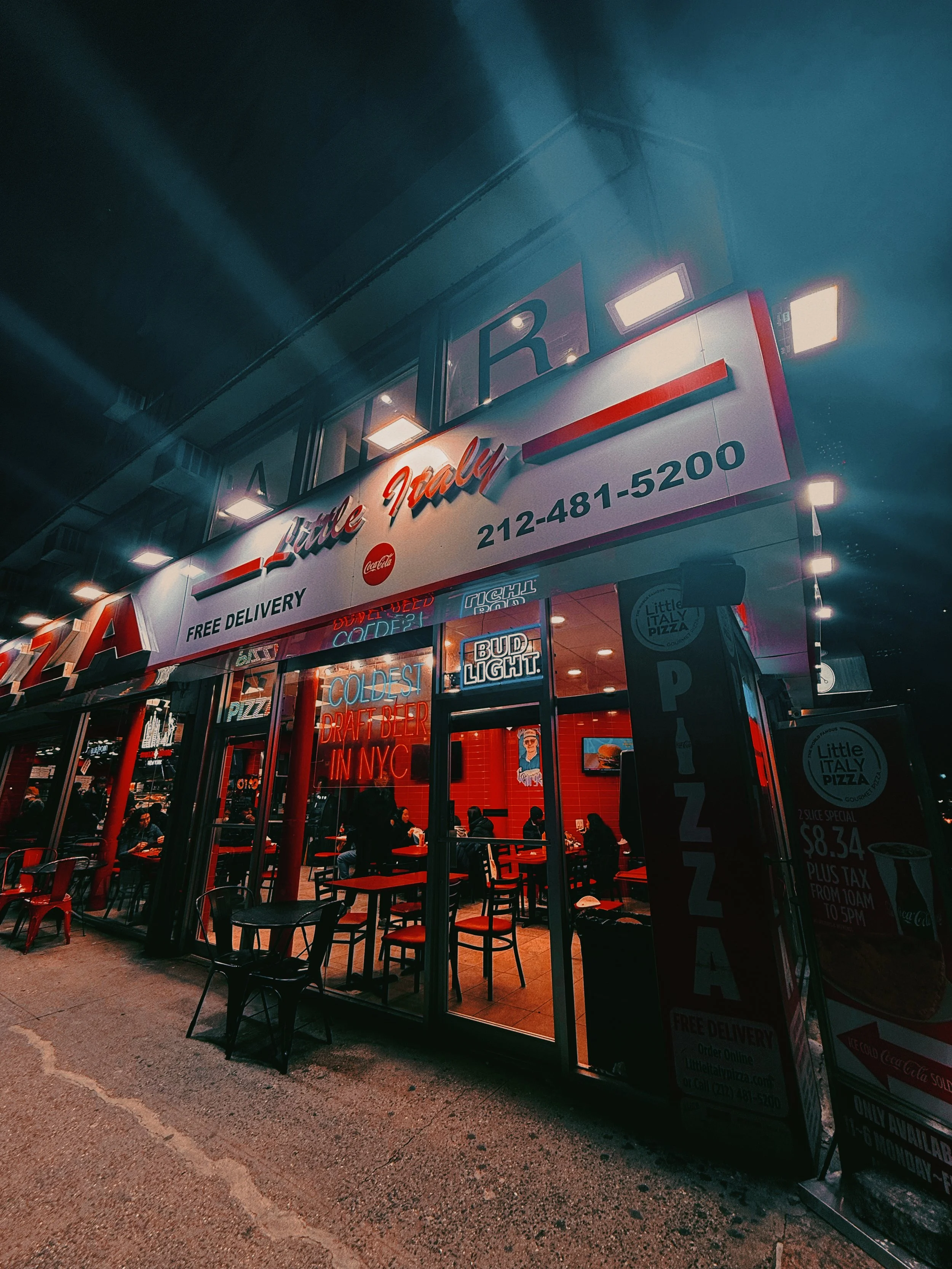
Little Italy
Little Italy Pizza near the Empire State Building is a classic New York slice stop that leans into speed and consistency. The shop traces its roots to Italian-American pizza traditions, but today it functions as a reliable standby for locals and tourists alike. The crust is thin, sturdy, and baked crisp enough to fold without sagging, which matters. Its location makes it an easy grab between landmarks (no detour required) and the kind of place you stop because it’s there and it works. Nothing flashy, just a slice that does its job in the middle of the city!
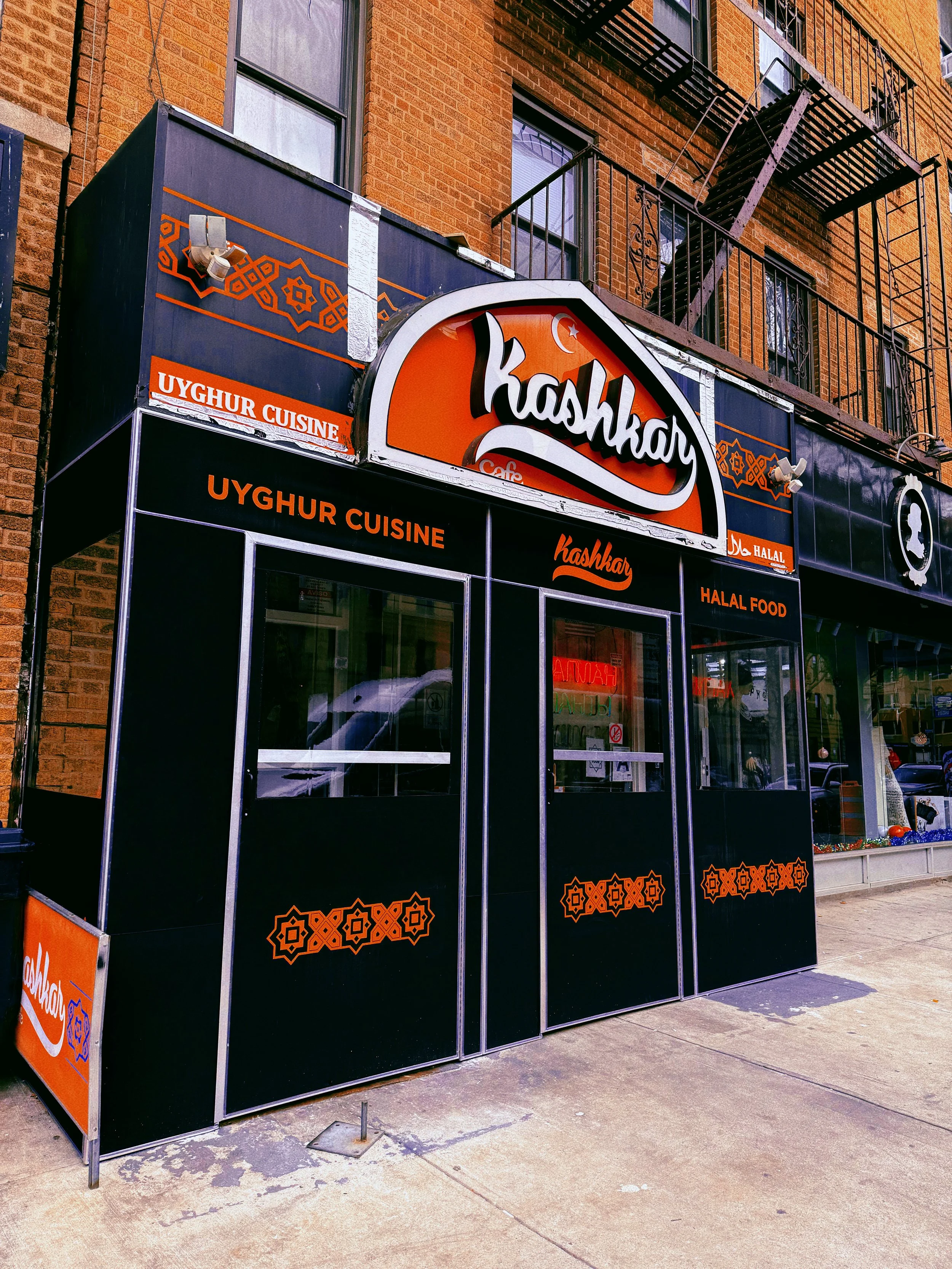
Kashkar
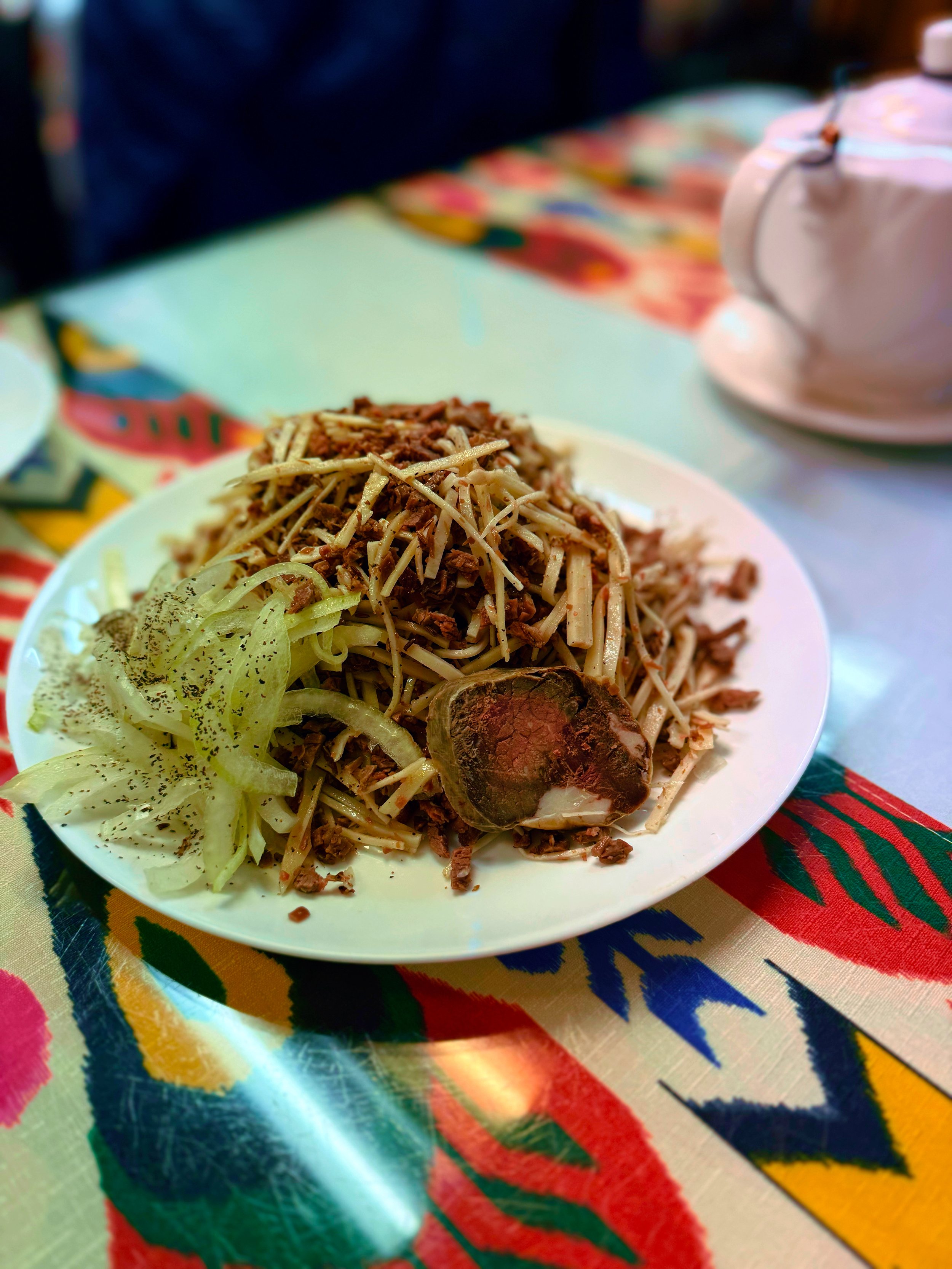
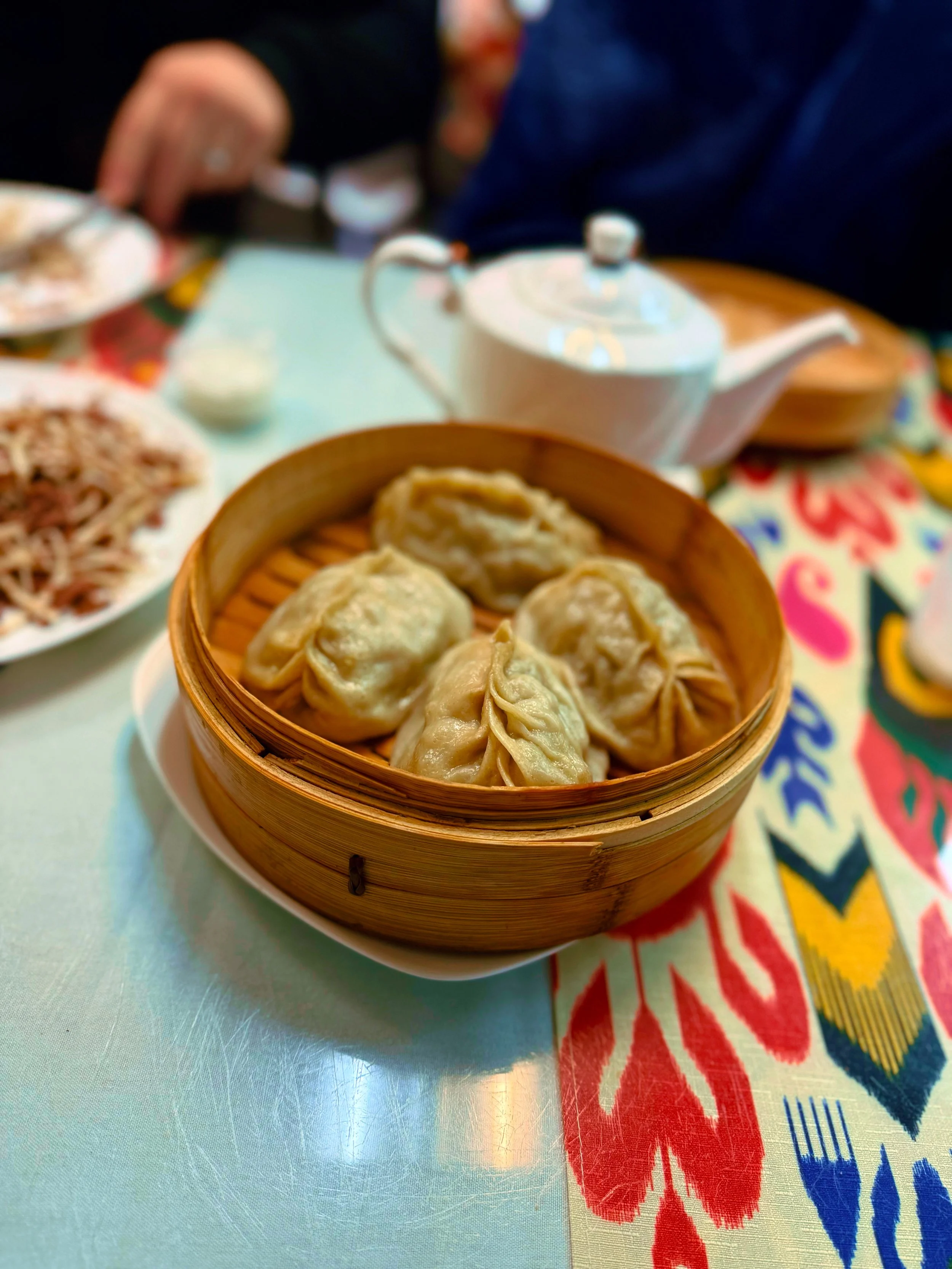
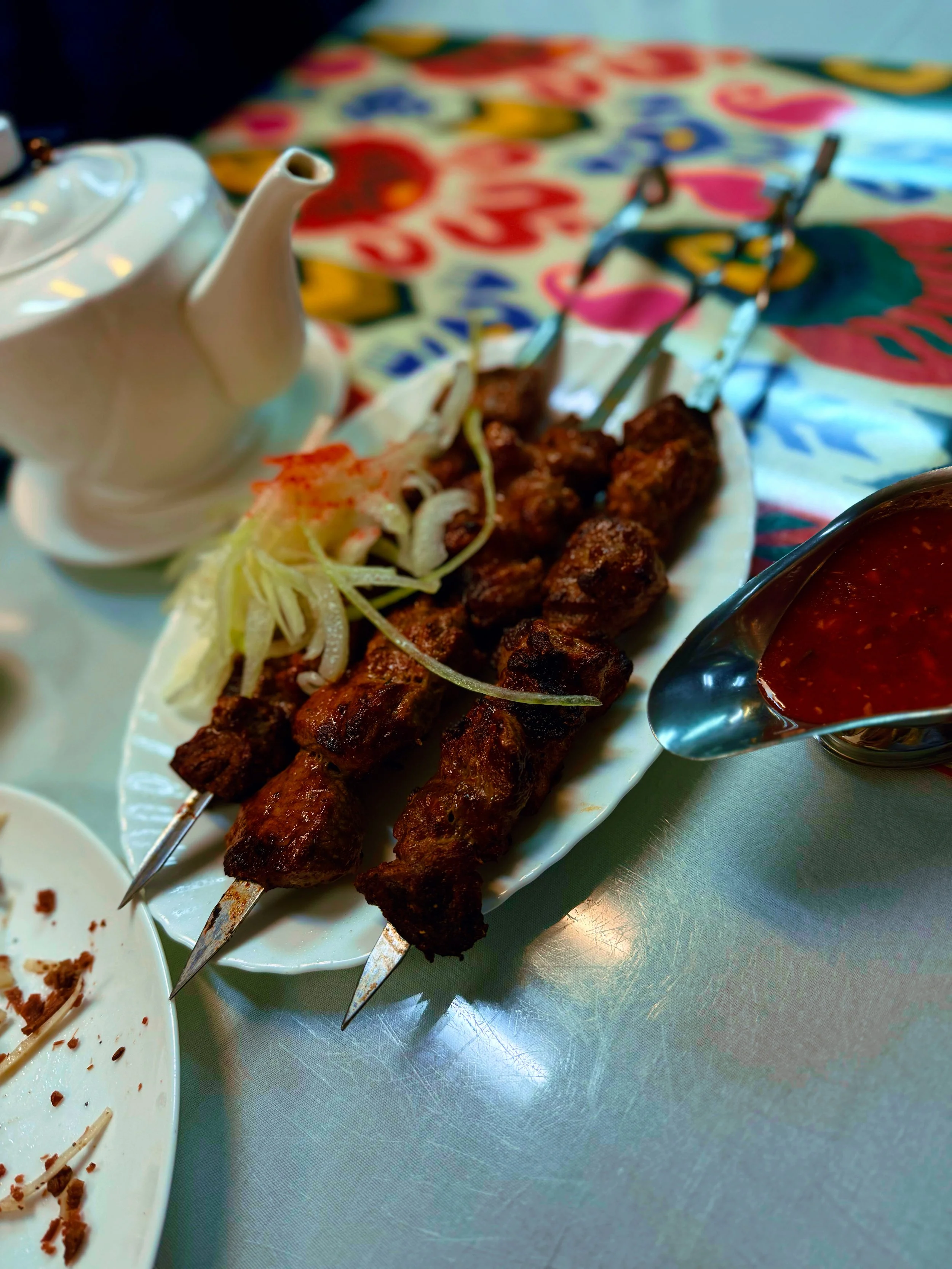
Kashkar is straightforward and quietly distinctive. The menu centers on Uyghur cuisine; hand-pulled noodles, cumin heavy lamb, stir-fried dishes that lean savory and aromatic rather than spicy for shock value. Everything feels substantial and intentional, with flavors that sit somewhere between Central Asian and Chinese cooking without blurring into either. It’s not a flashy stop, but it stands out for doing something specific and doing it confidently, which made it one of the more memorable meals of the trip! At Kashkar cafe my favorite dishes leaned heavily into what they do best. The laghman (hand-pulled noodles topped with stir-fried beef) was hearty and deeply savory, the kind of plate you keep picking at long after you’re full. The steamed lamb dumplings were soft and comforting, simple but well made. The lamb skewers were seasoned with cumin and grilled until just charred but still juicy - straightforward and satisfying. Everything felt substantial and intentional, built around technique rather than flash.
Moka & Co
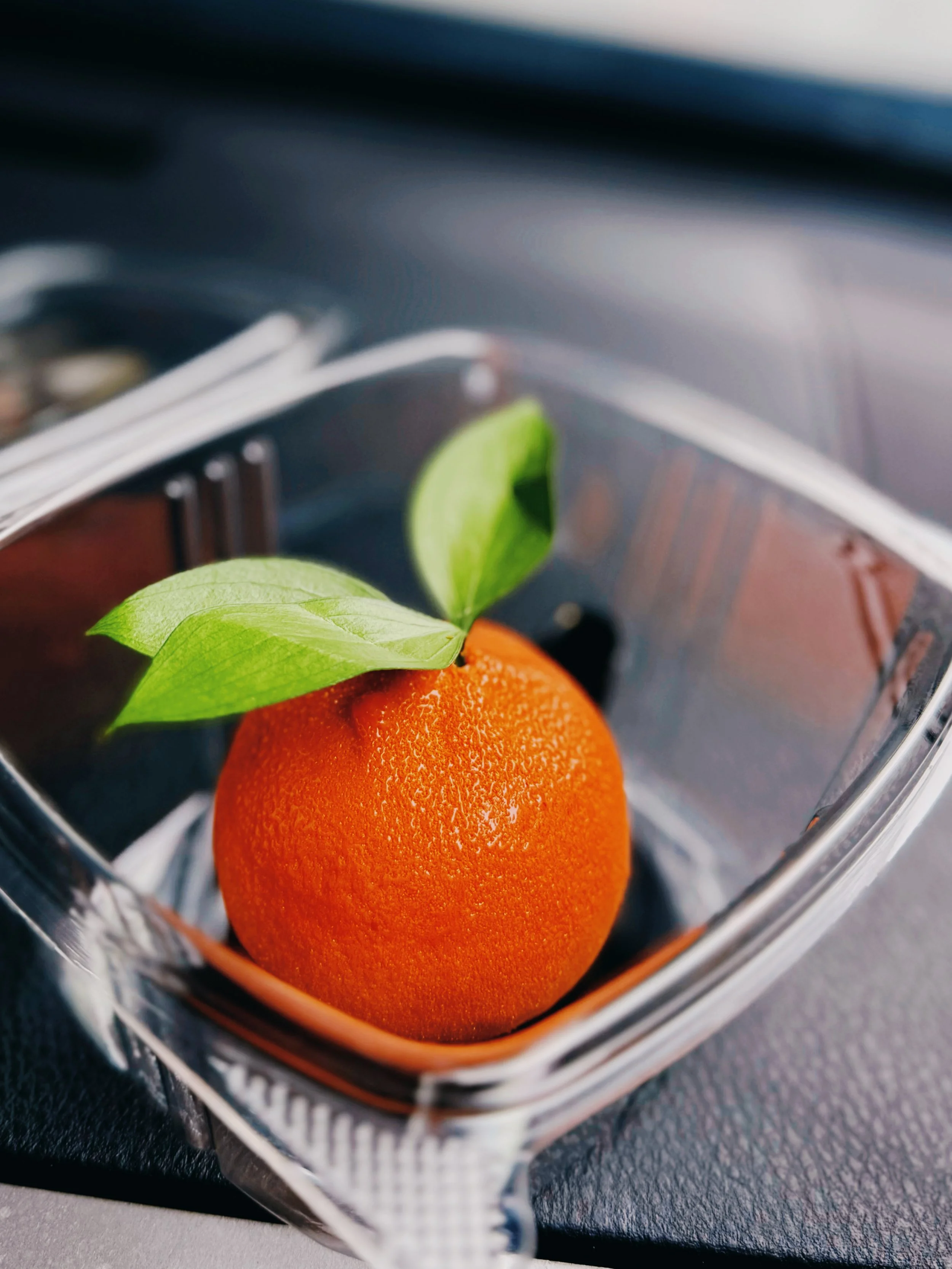
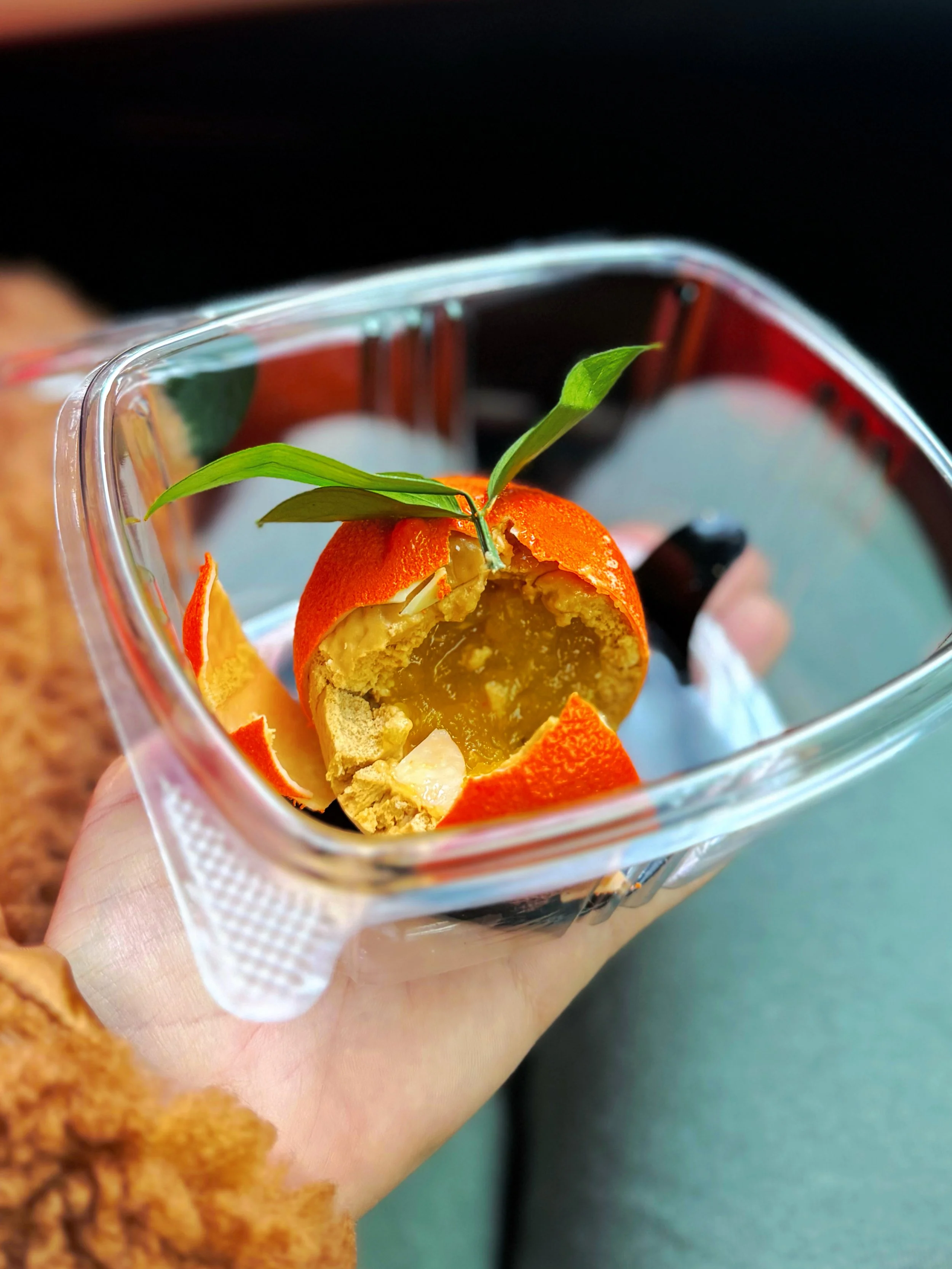
At Moka & Co the flavors felt intentional and consistent across both drinks and desserts. We ordered their specialty coffees, which I was excited to see that many featured cardamom giving everything a warm, aromatic edge without being overpowering. The orange dessert appeared to be coated in white chocolate with a citrus layer, with a bright citrus center and soft mousse interior, and it paired well with the spiced coffee. It was thoughtful, distinctive, and clearly rooted in a specific flavor profile rather than trend-driven cafe food.
CoCo
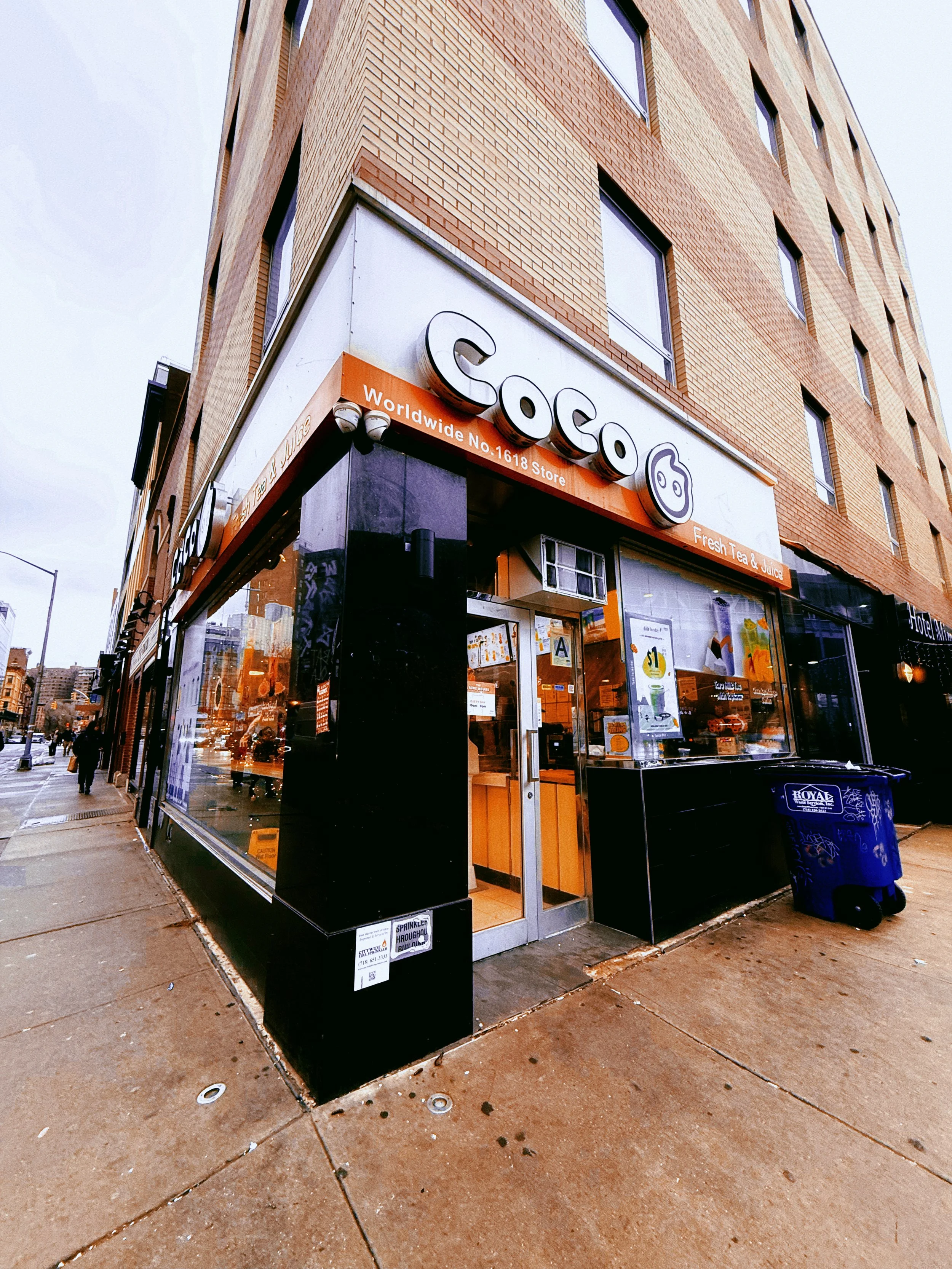
CoCo is one of those chains I’ll stop at every time without overthinking it. The menu is familiar, consistent, and easy to customize. My go-to order is the milk tea with pudding - it’s smooth, lightly sweet, and makes the drink feel more like a dessert without tipping into too much. Not flashy, just dependable bubble tea done well.
Central Park
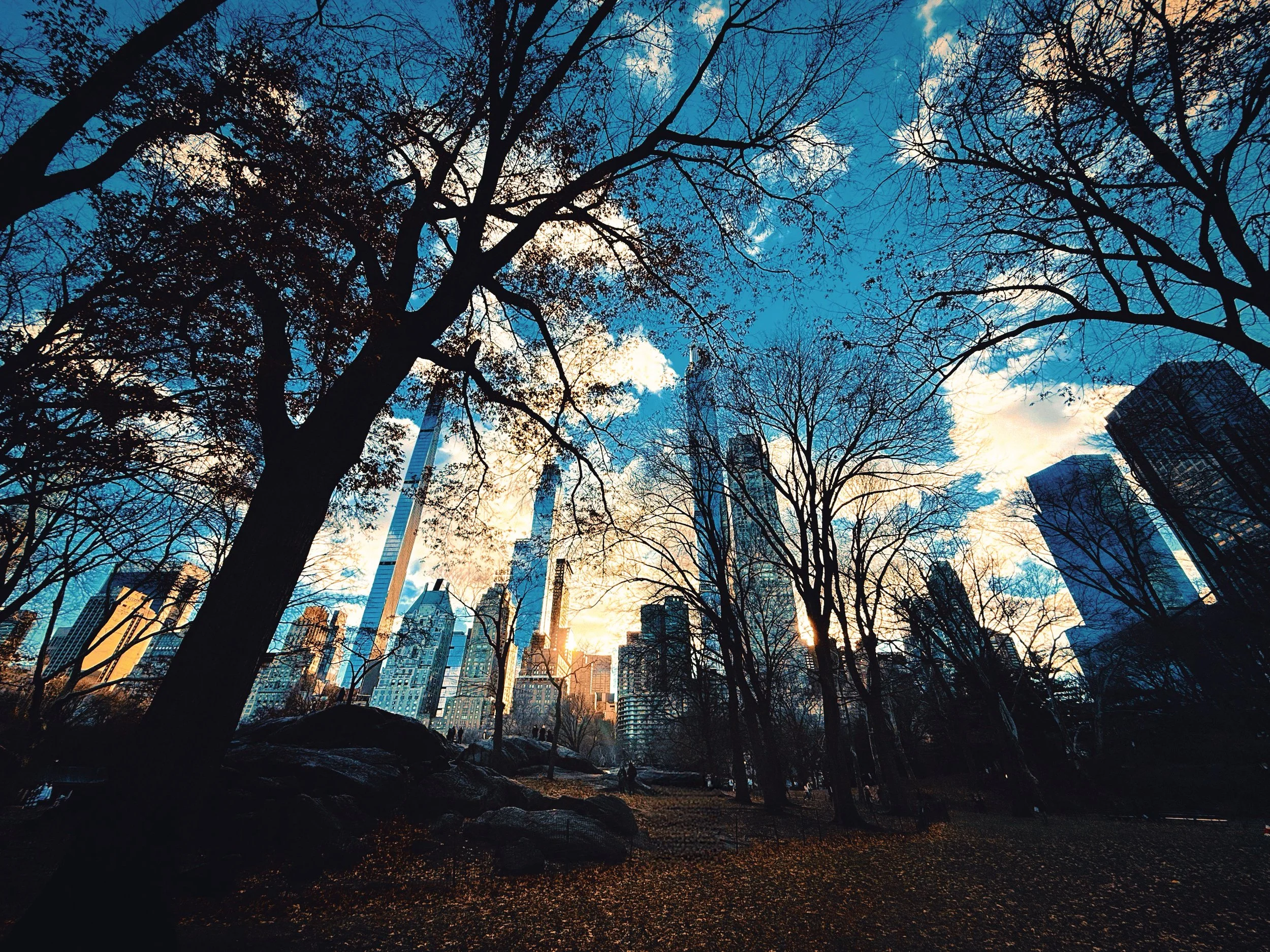
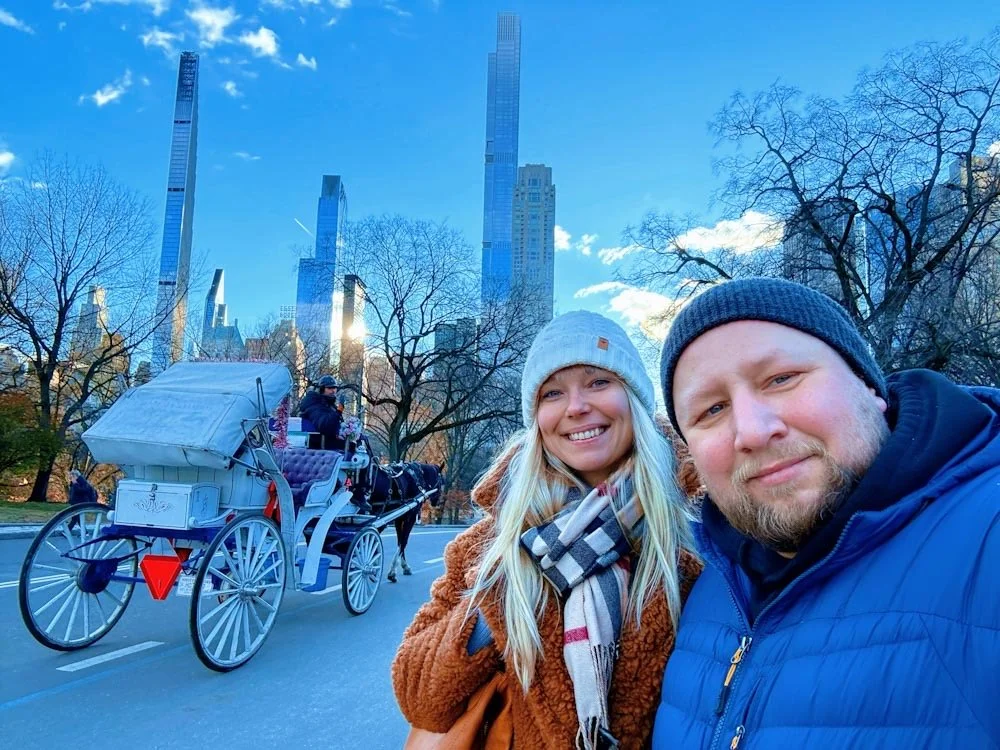
Central Park wasn’t an accident; it was designed in the 1850s as a deliberately constructed escape from the city, not a preserved natural space. The landscape was engineered by Fredrick Law Olmsted and Calvert Vaux, with millions of trees planted, tons of rock moved, and entire neighborhoods displaced to make it happen. What looks organic is carefully planned: sunken roadways to hide traffic, winding paths to break sight-lines, and terrain shaped to feel irregular on purpose. It’s one of the earliest examples of large-scale urban planning meant to control how people move, rest, and experience a city - and it still works!
Empire State Building
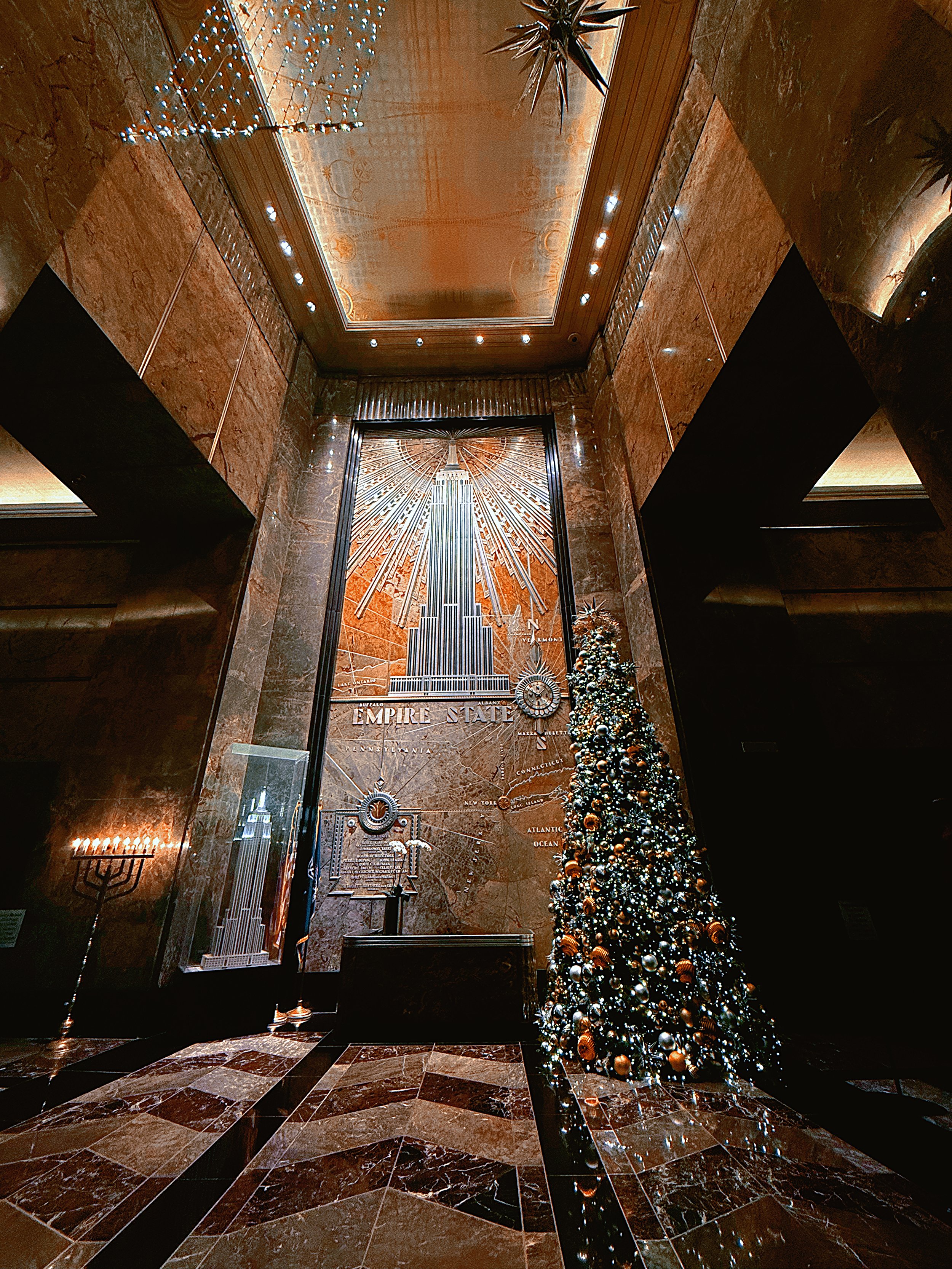
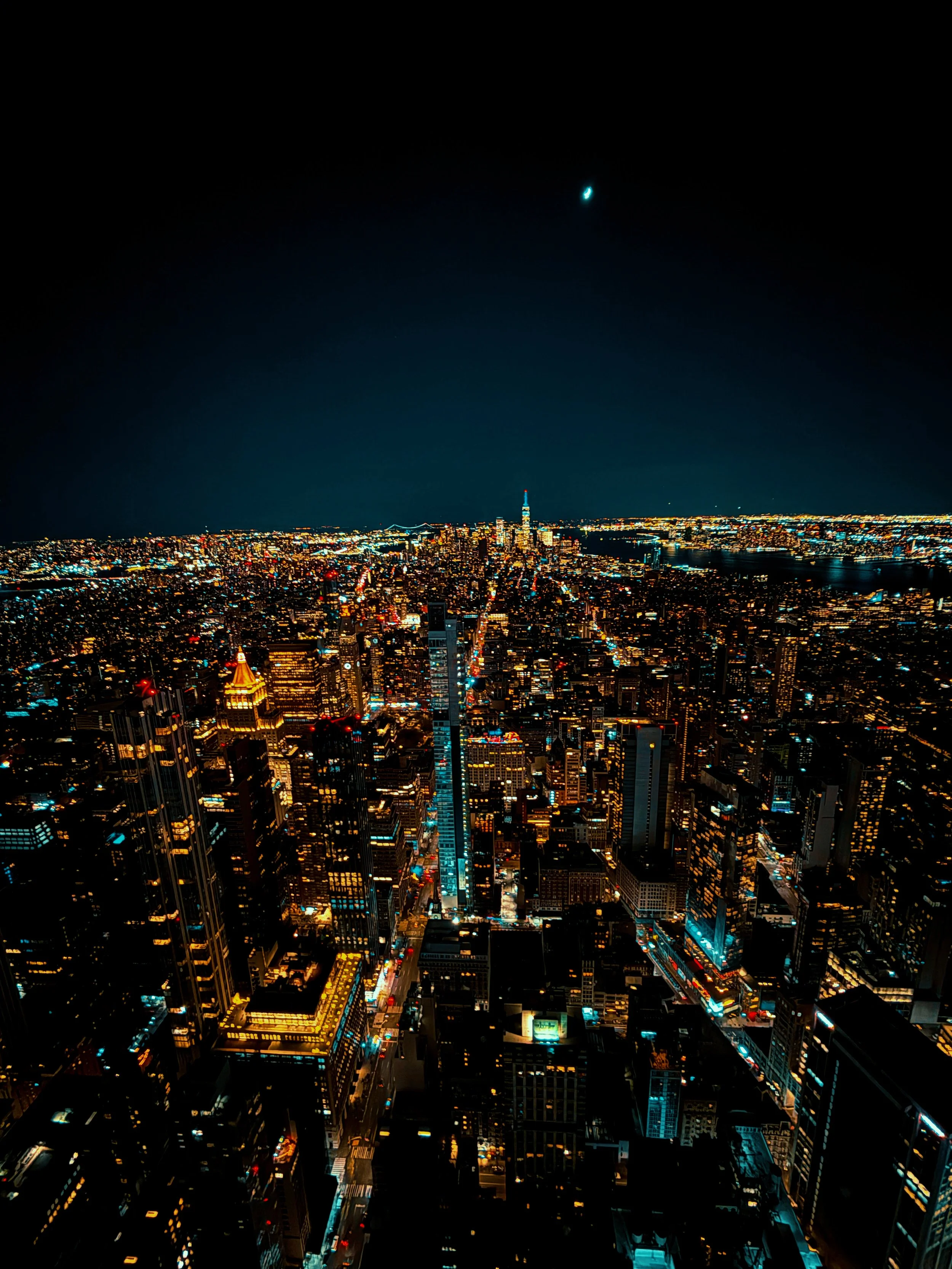
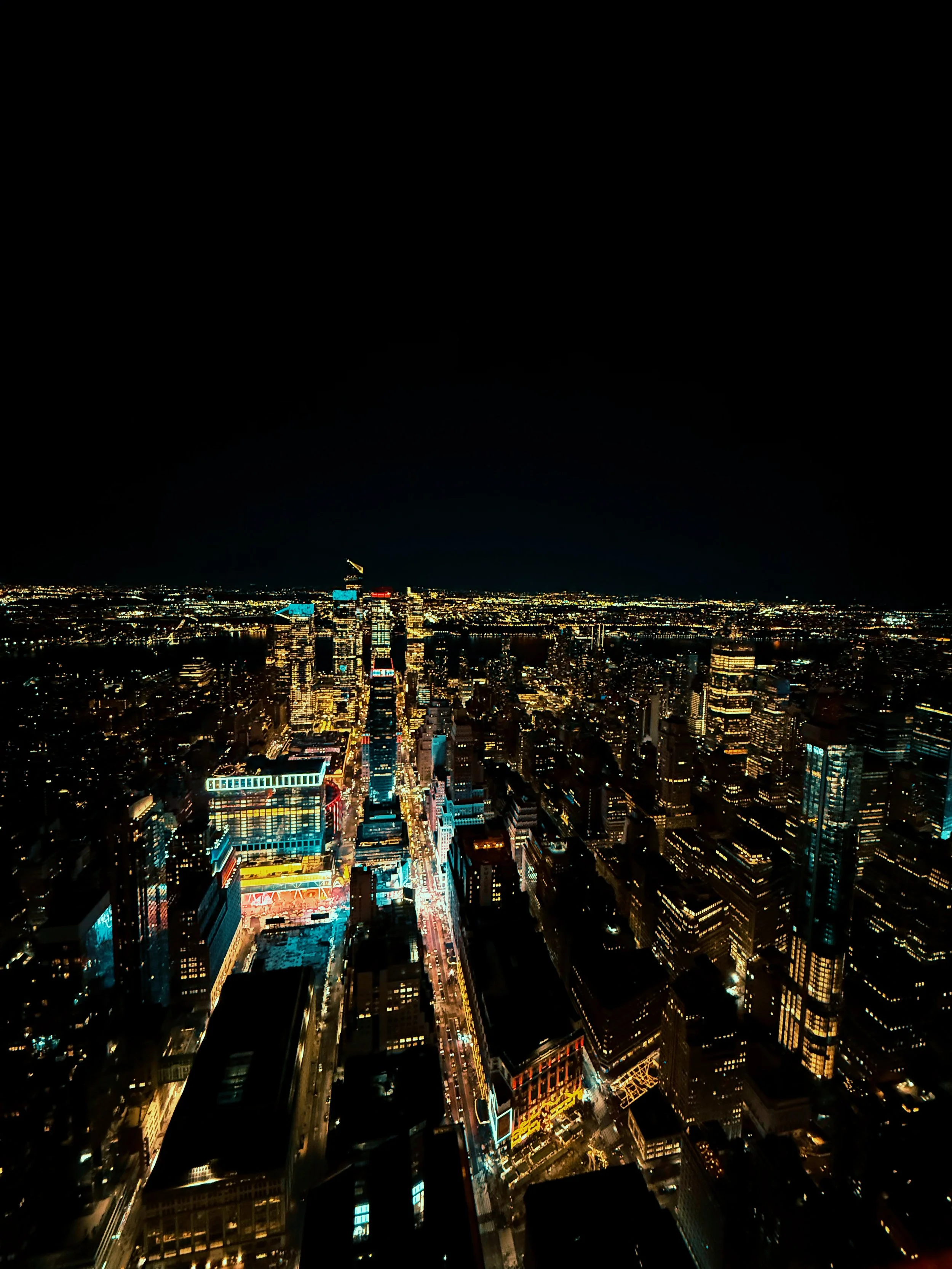
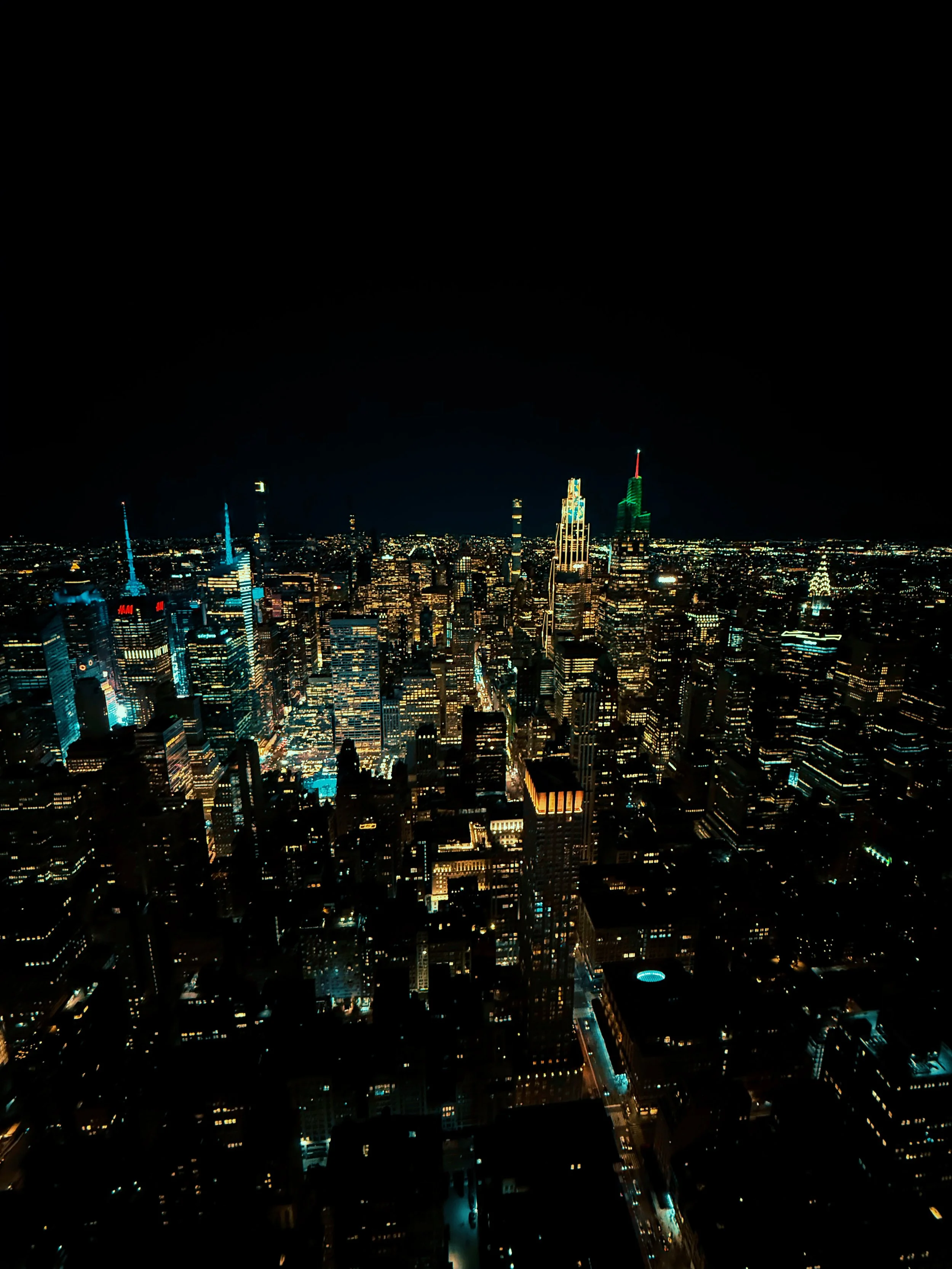
Empire State Building was built fast - remarkably fast. Completed in just over a year during the Great Depression as both a jobs project and a statement of confidence. When it opened in 1931 it was the tallest building in the world, a title it held for nearly 40 years. Its Art Deco design wasn’t just aesthetic; it was meant to signal modernity, efficiency, and American ambition at scale. For years it struggled financially and was nicknamed the “Empty State Building” which makes its later status as a global symbol feel less inevitable and more earned. It’s less about the view than what it represented: building upward when everything else was uncertain.
Times Square
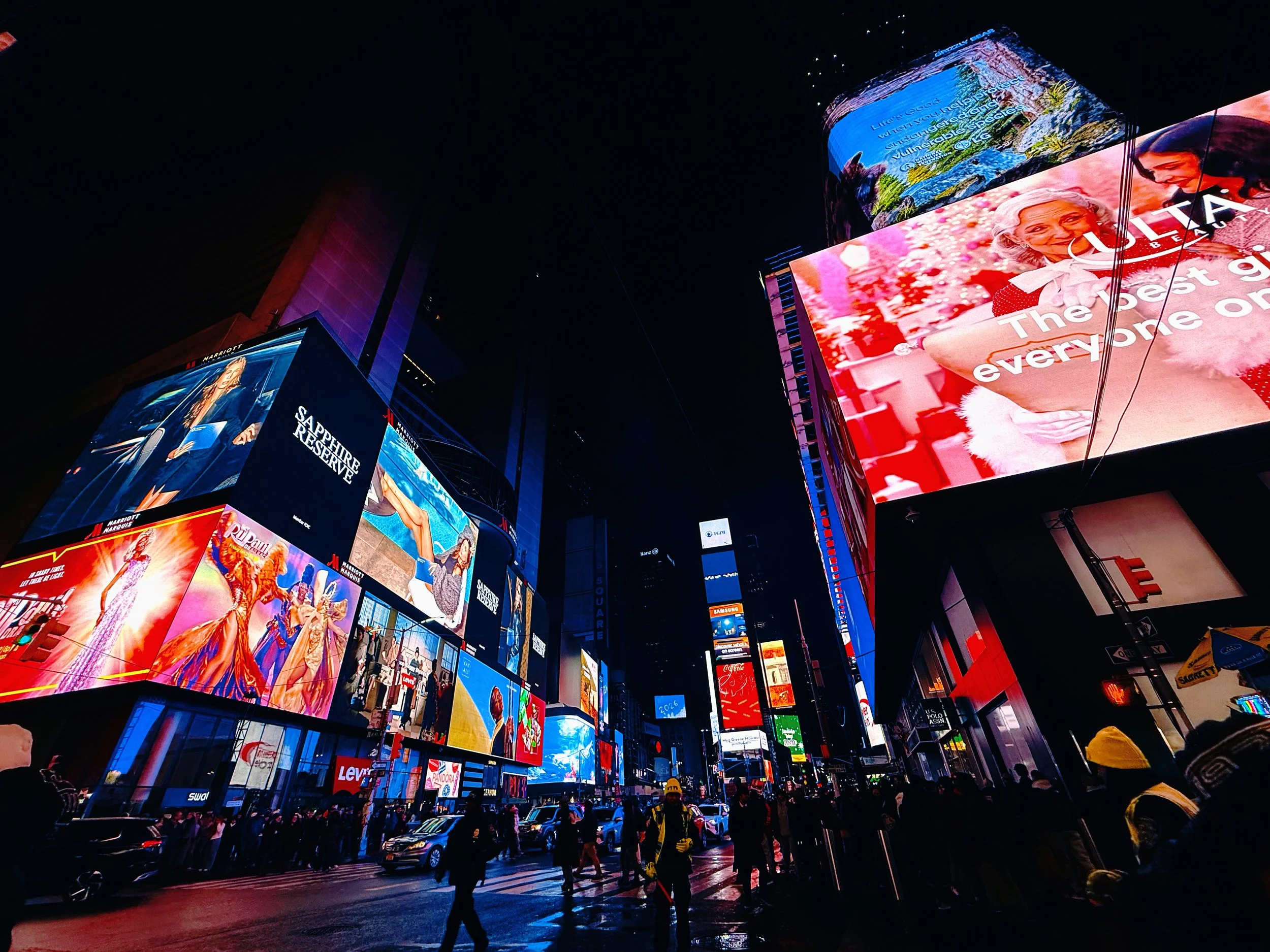
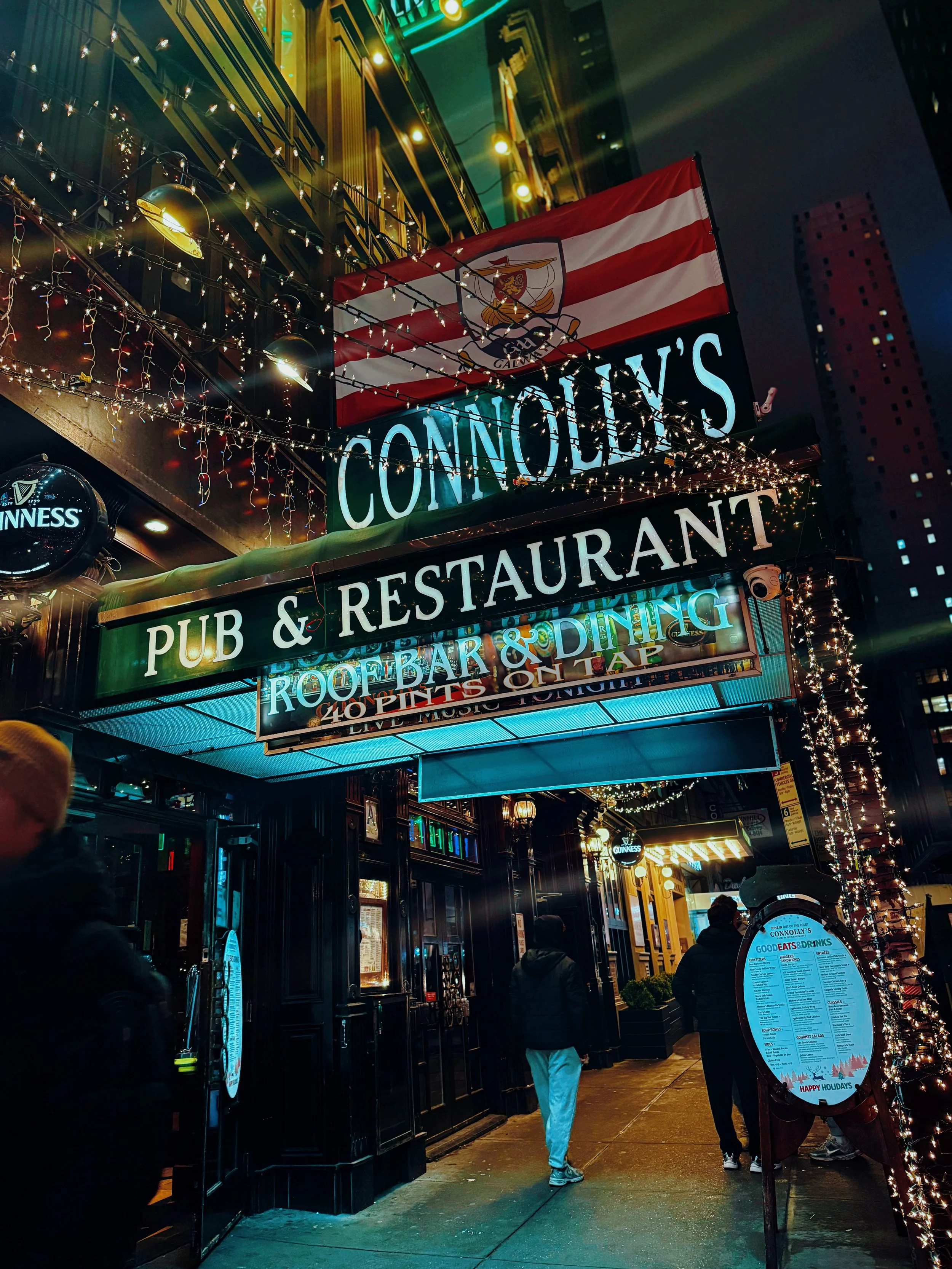
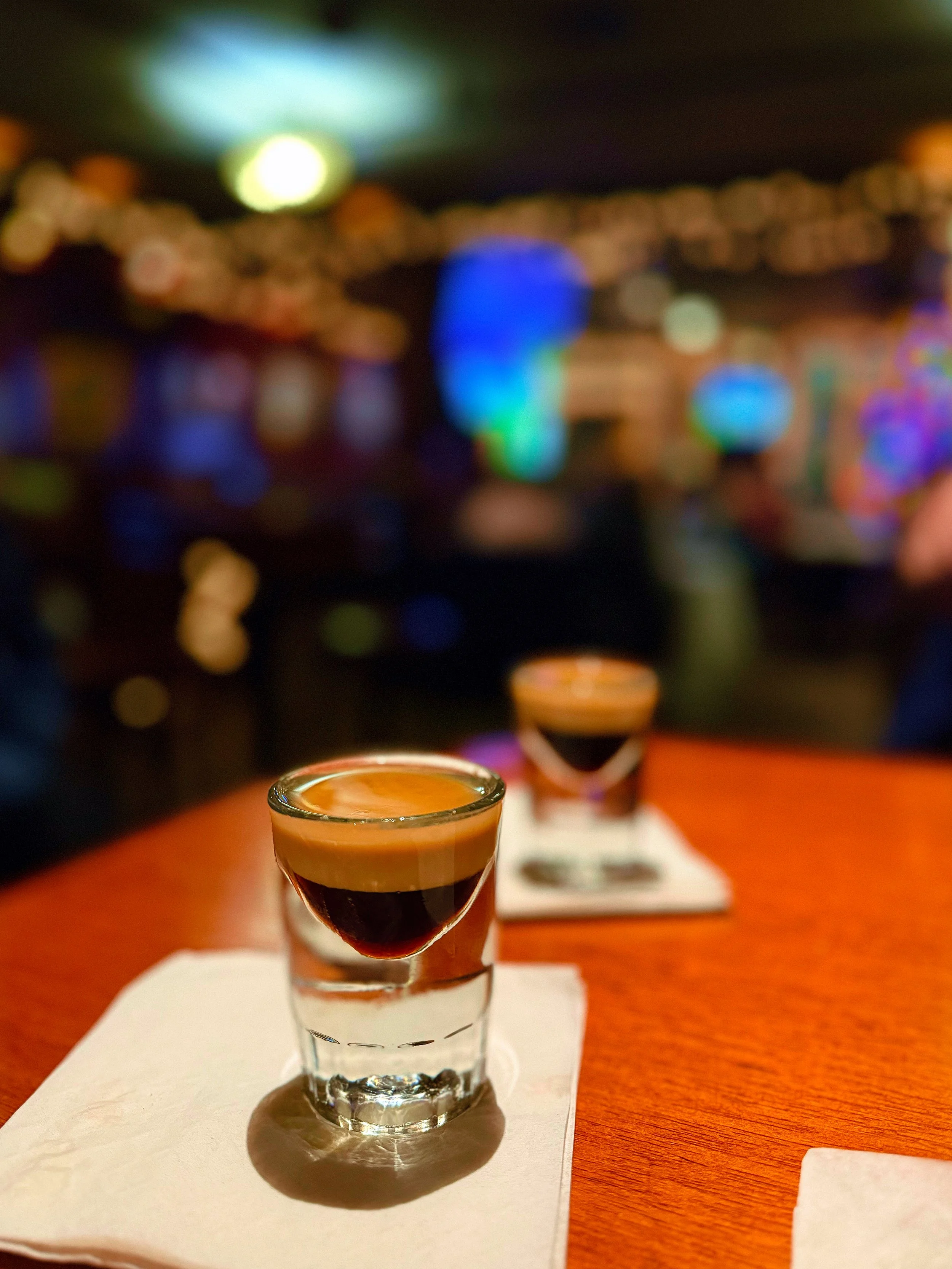
Times Square wasn’t always what it is now. Originally called Longacre Square, it was renamed in 1904 after New York Times moved its headquarters there, triggering a wave of development. By the mid 20th century it had become associated with crime, adult theaters, and decline before undergoing a massive corporate-led cleanup in the 1990s. What you see today - towering digital billboards, nonstop light, dense crowds - is highly regulated and carefully engineered. The brightness, scale, and constant stimulation aren’t accidental; Times Square is designed to overwhelm, keep people moving, and sell attention as much as space. Right nearby we stopped into Connolly’s Pub, which made sense given the time of year. Crowded, warm, and loud in the way only pubs get in December, it felt like a natural counterbalance to the lights outside - less spectacle, more people actually settling in for a drink.
New York Public Library
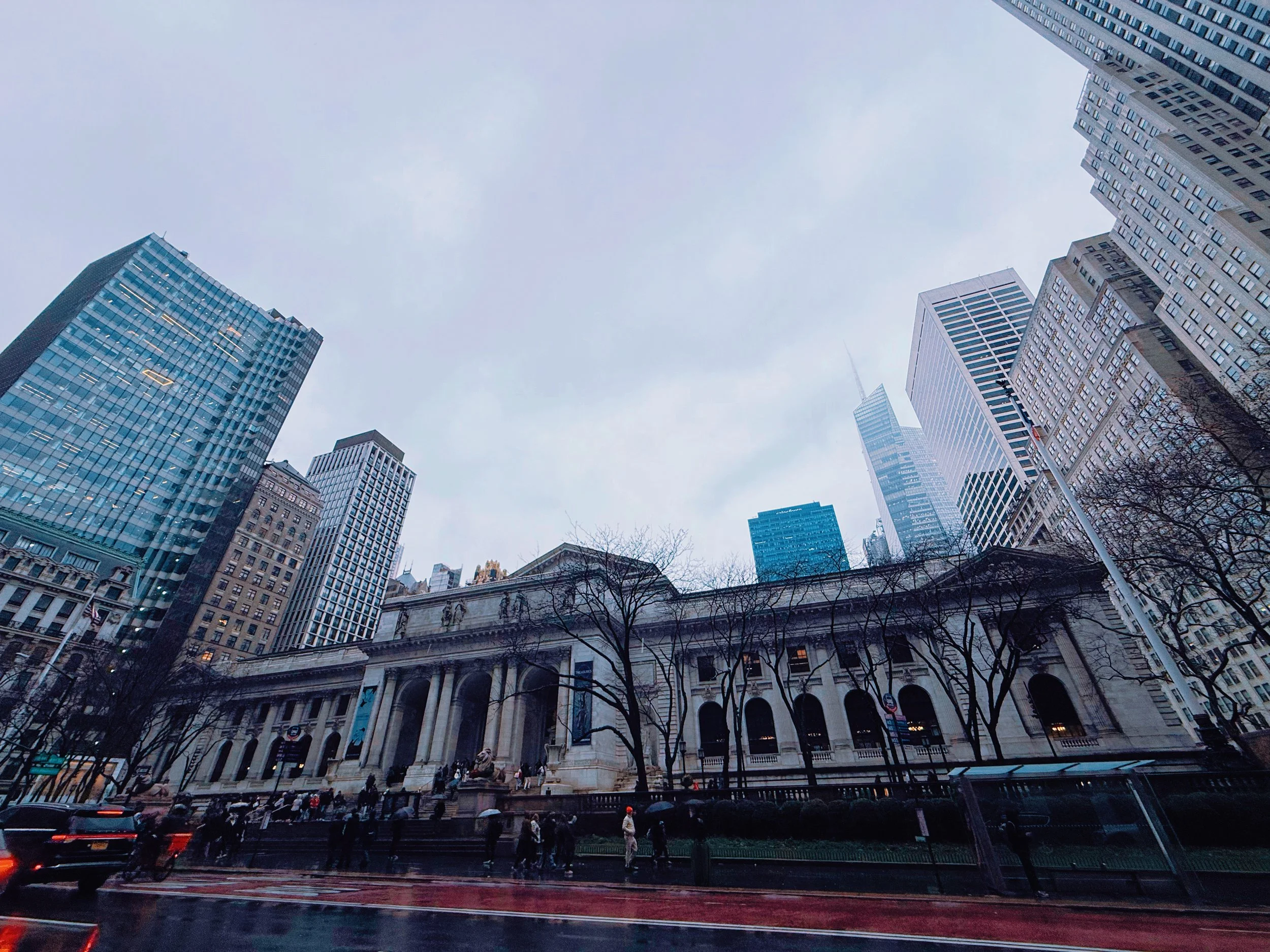
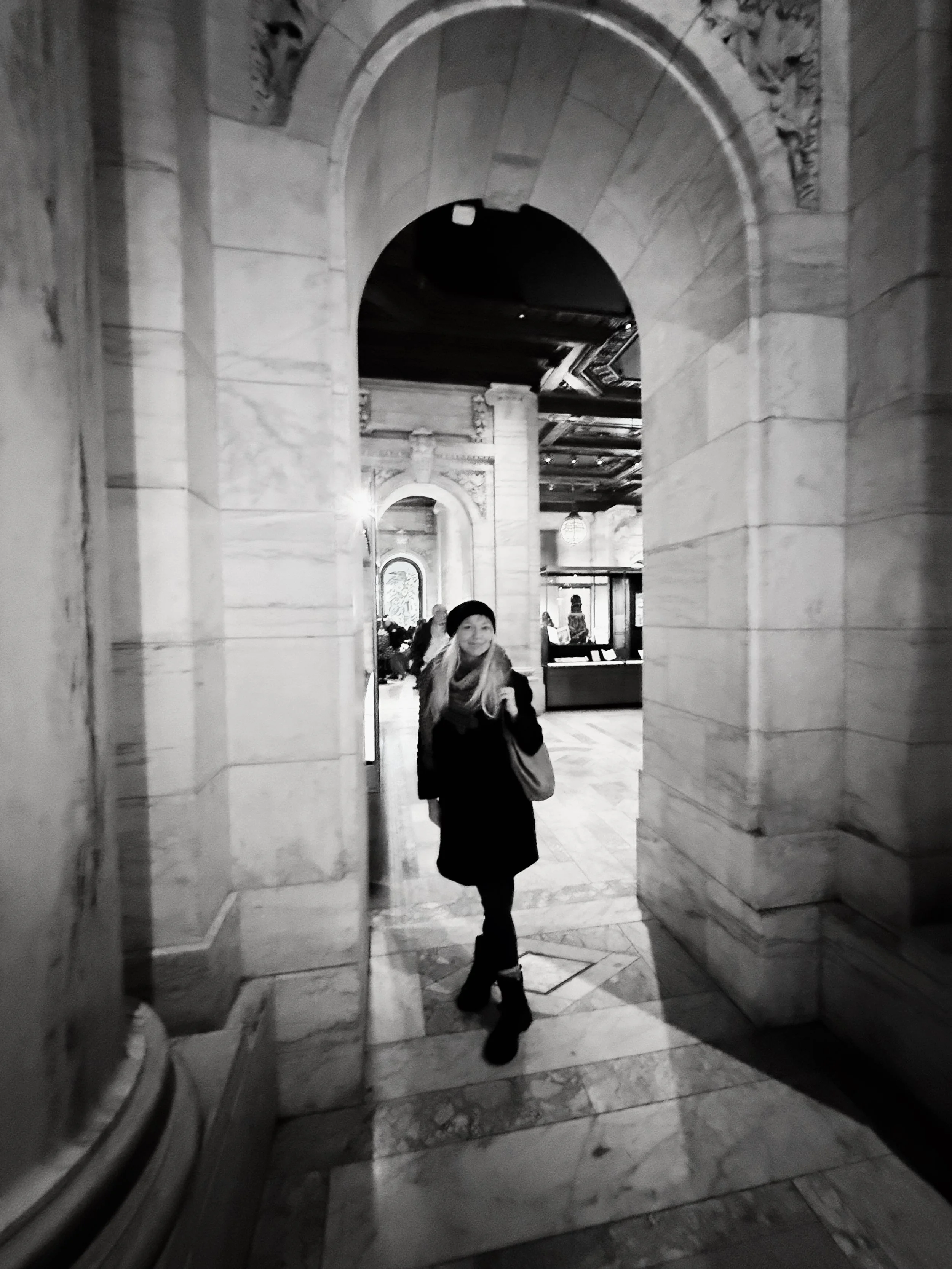
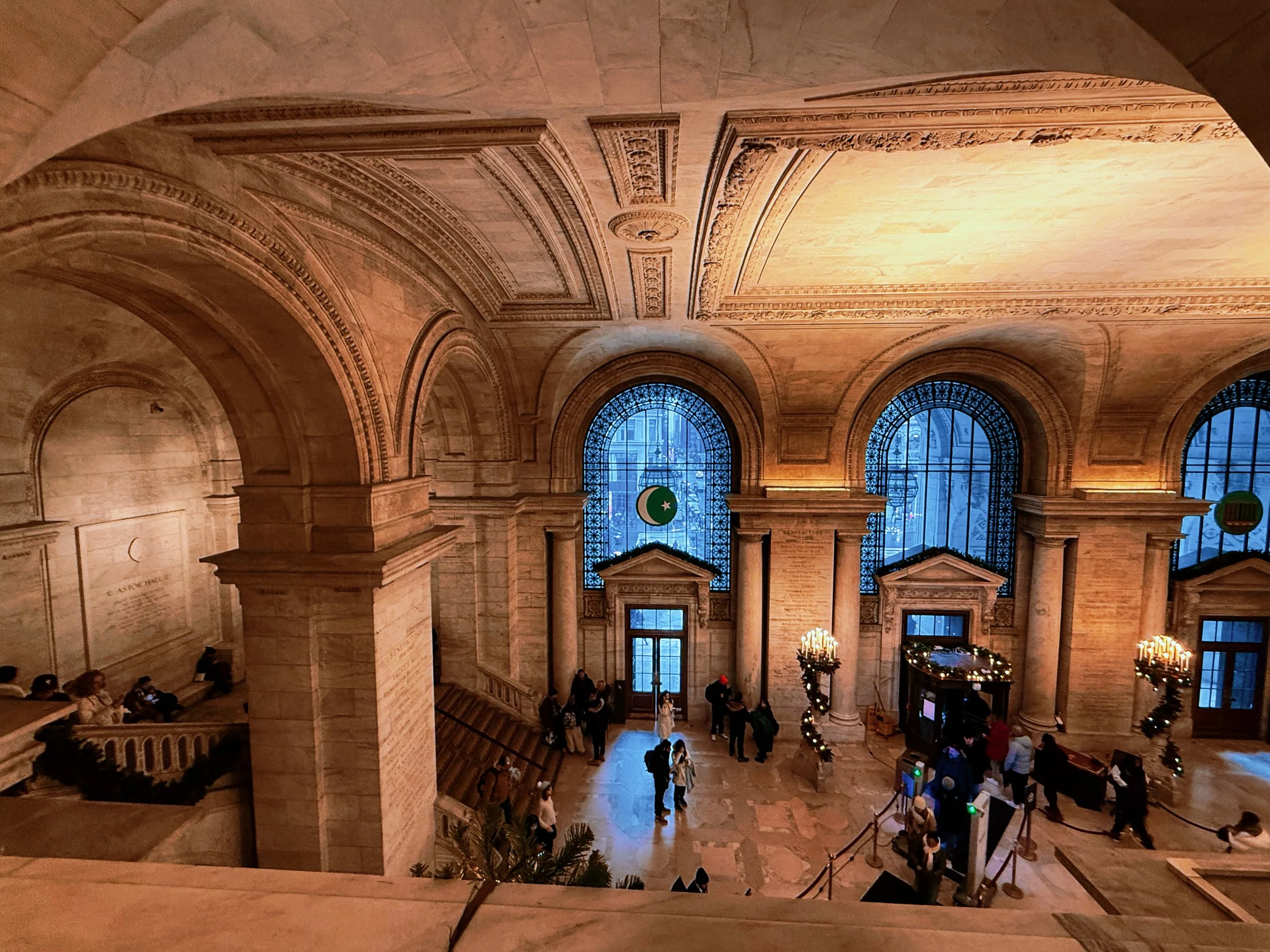
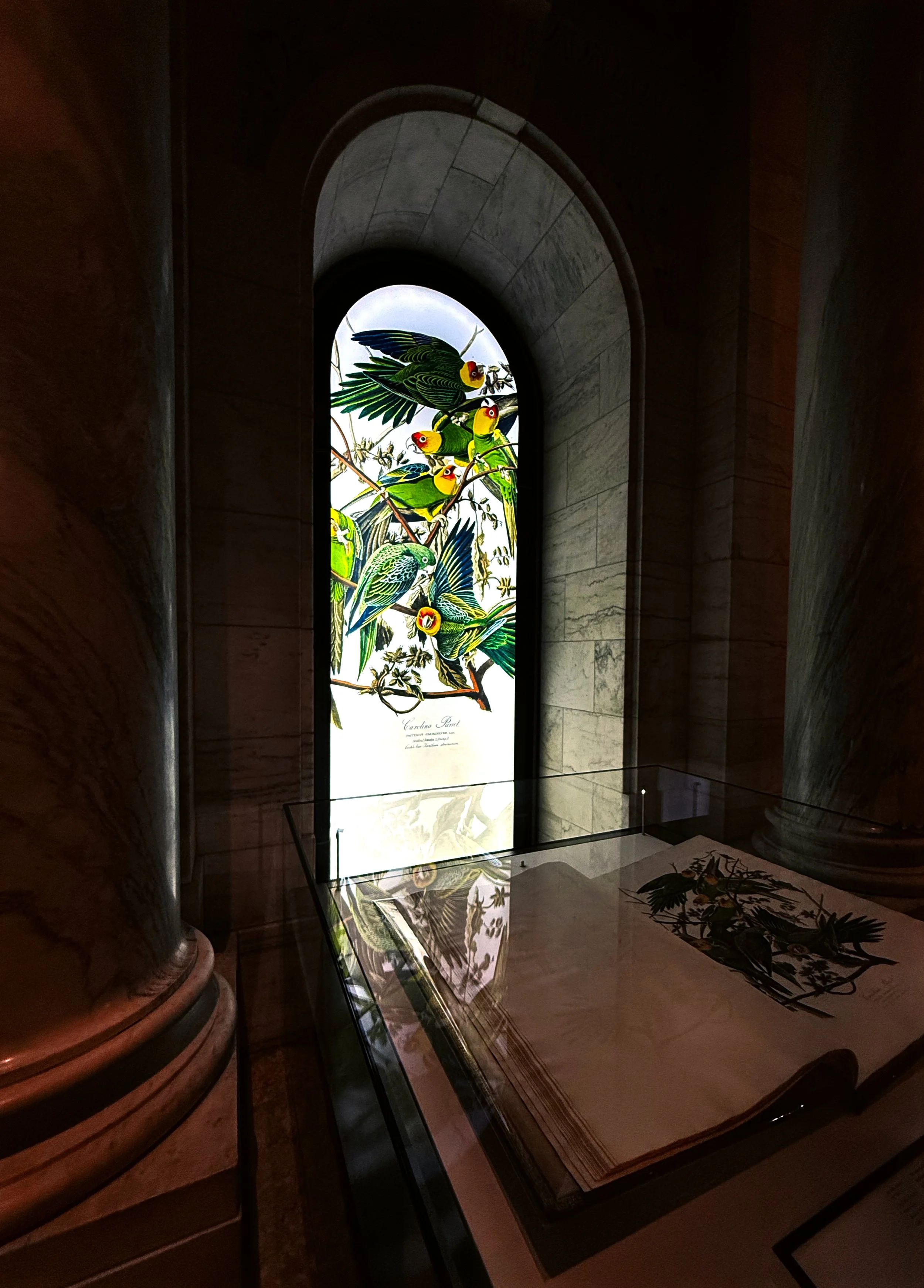
New York Public Library was built as a civic statement, not just a place to store books. Opened in 1911, it combined two major private collections into a public institution meant to signal access, order, and permanence in a rapidly changing city. The building itself was designed to feel authoritative - marble, symmetry, quiet scale - meant to slow people down the moment they walk inside. Behind the scenes, it holds millions of items far beyond what’s visible in the reading rooms, stored in underground stacks beneath Bryant Park. It’s less a library you browse casually and more a reminder of how seriously New York once took the idea of public knowledge.
Grand Central Station
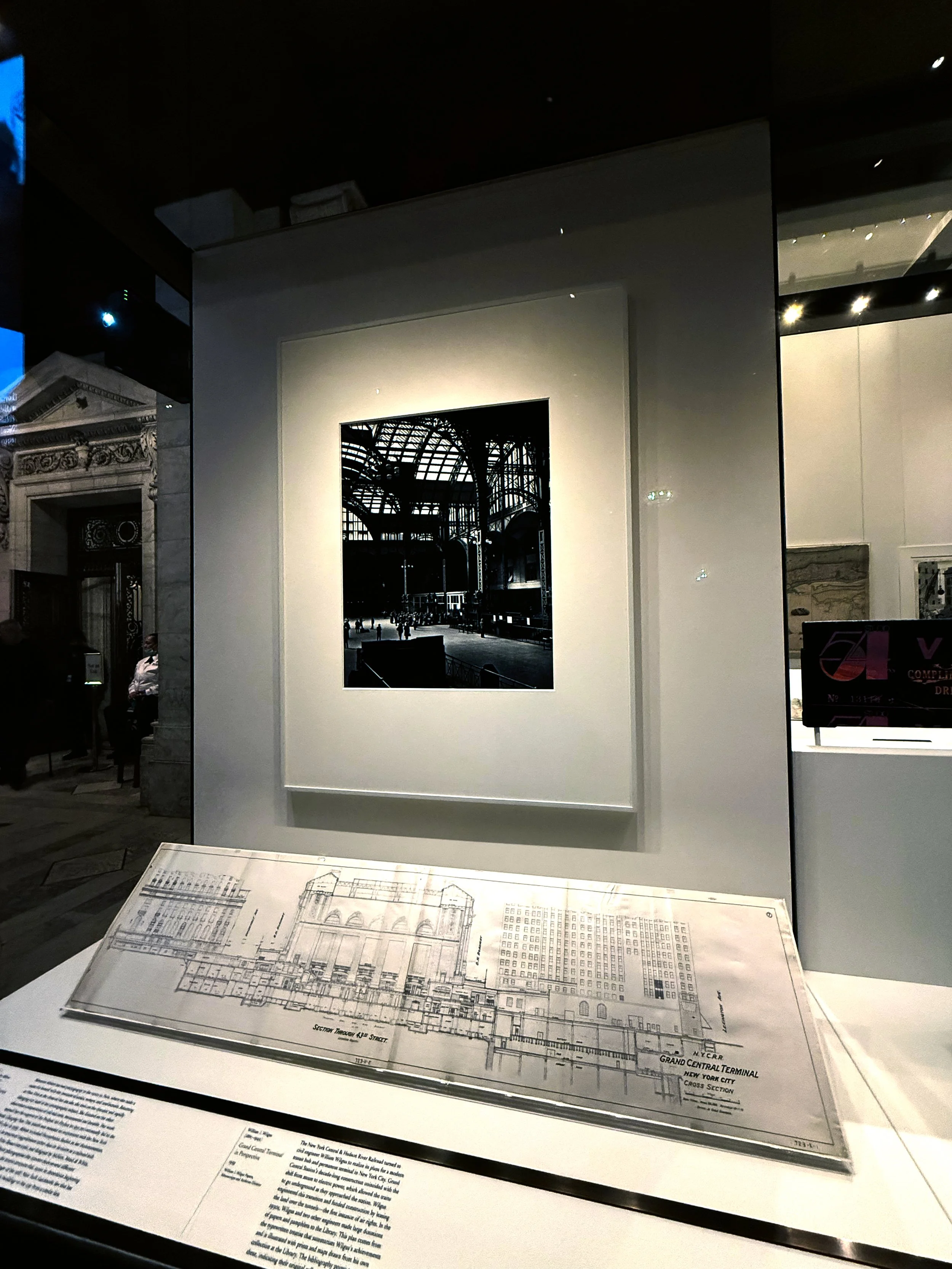
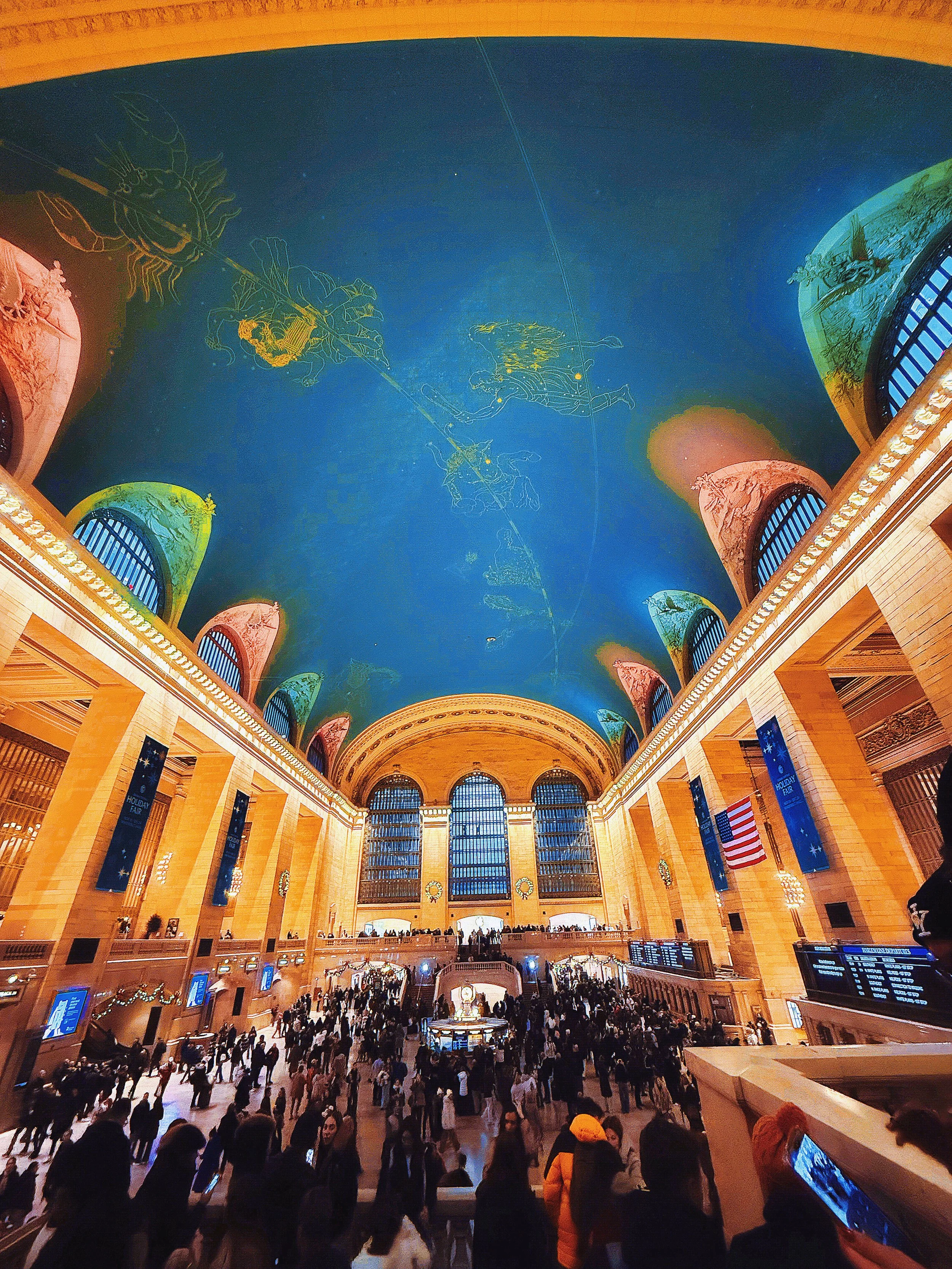
Grand Central Station ended up being a frequent stop for us almost by accident. Opened in 1913, it was built to centralize rail traffic and conceal the mechanics underground which is why the main concourse feels unusually open for such a busy space. The design encourages flow (clear exits, constant movement) which makes passing through feel efficient rather than chaotic. Even when you’re not aiming to spend time there, it has a way of pulling you into the center before sending you back into the city.
Street views
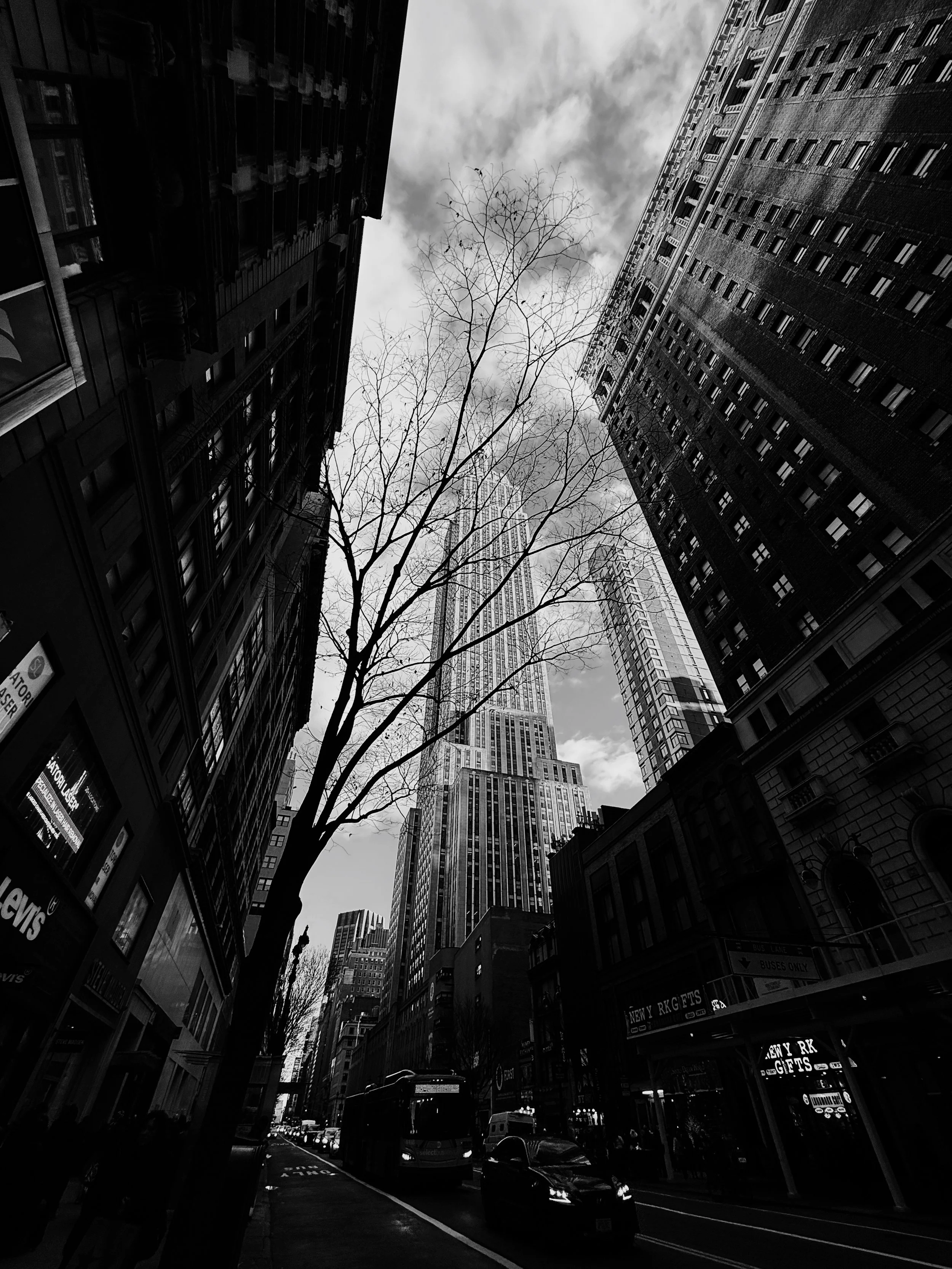
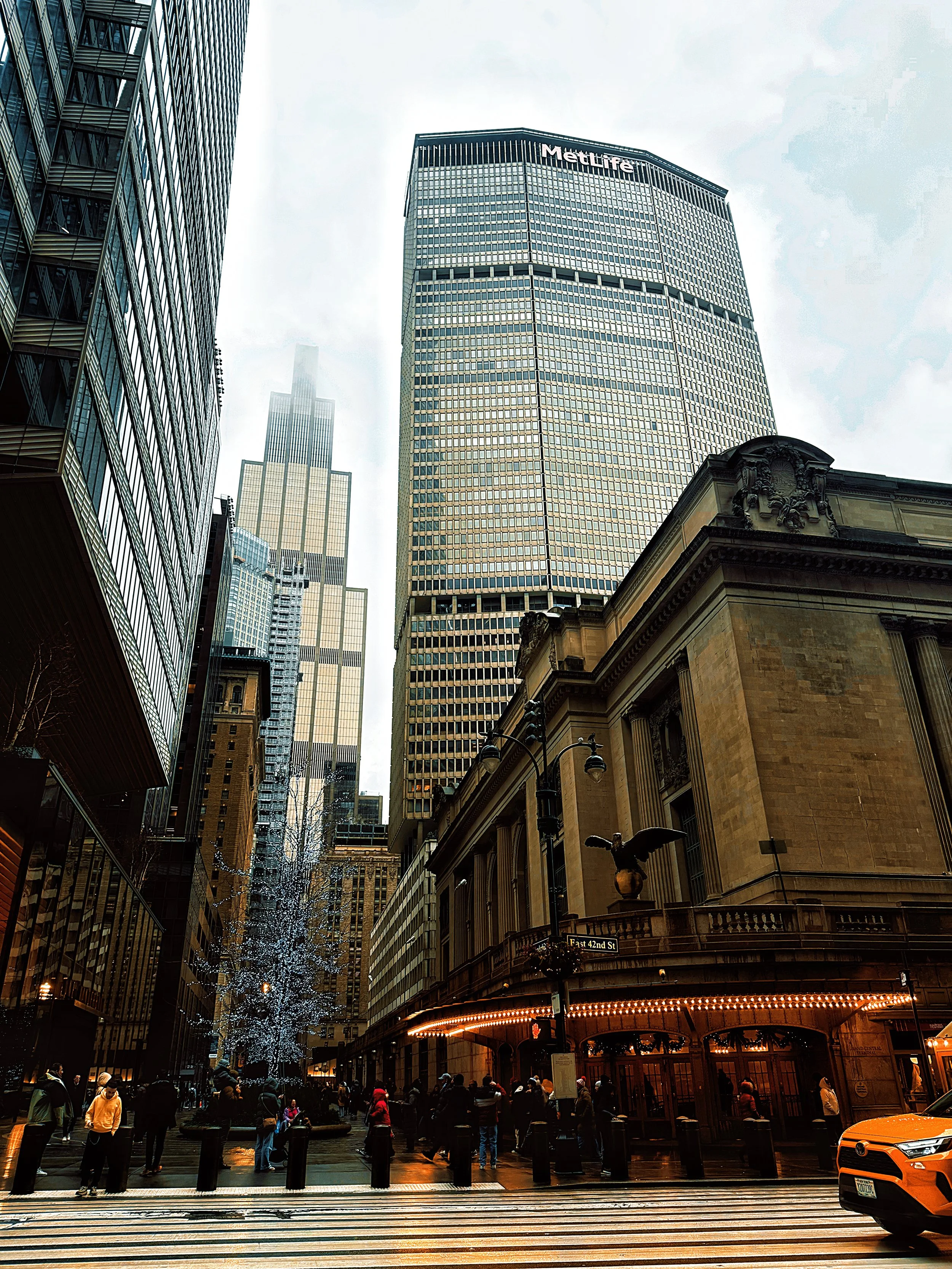
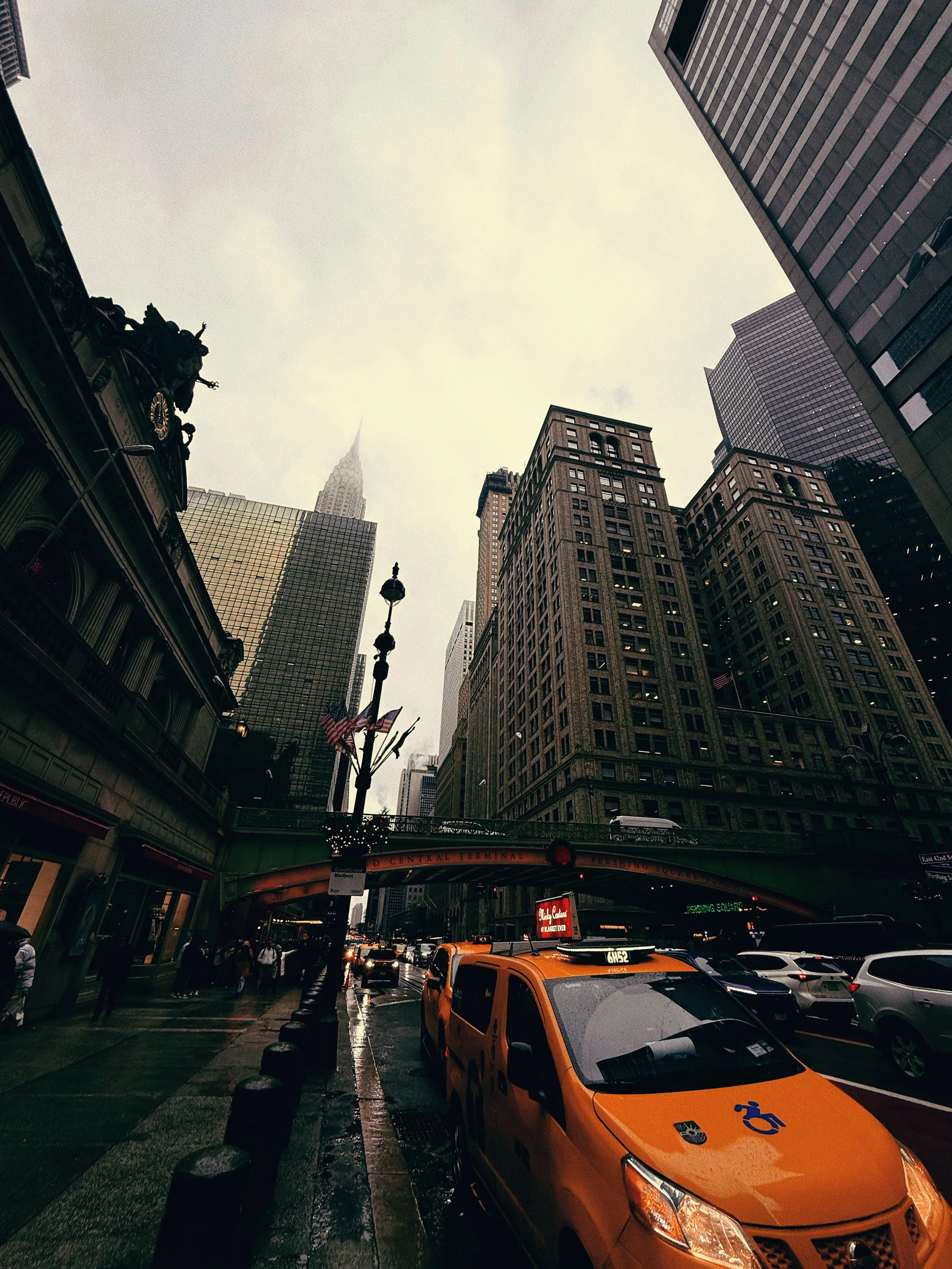
A lot of the trip ended up happening between destinations. Street views mattered just as much as the stops themselves - looking down avenues, cutting through side streets, watching neighborhoods change block by block. New York reads differently at street level, where scale noise, and pace are impossible to ignore. Walking connected everything in a way no single landmark could, and most of the details that stuck came from being outside and moving through it.
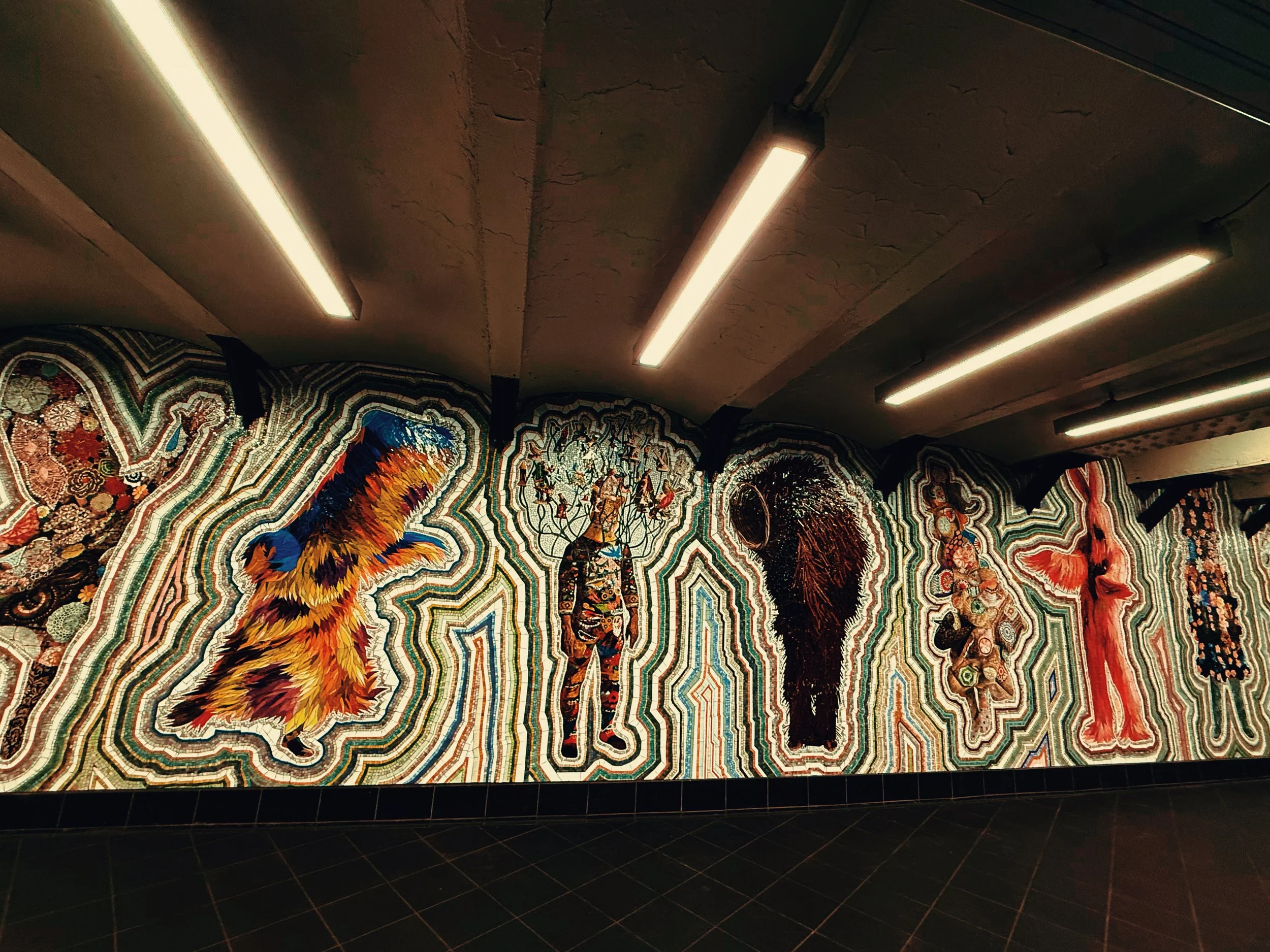
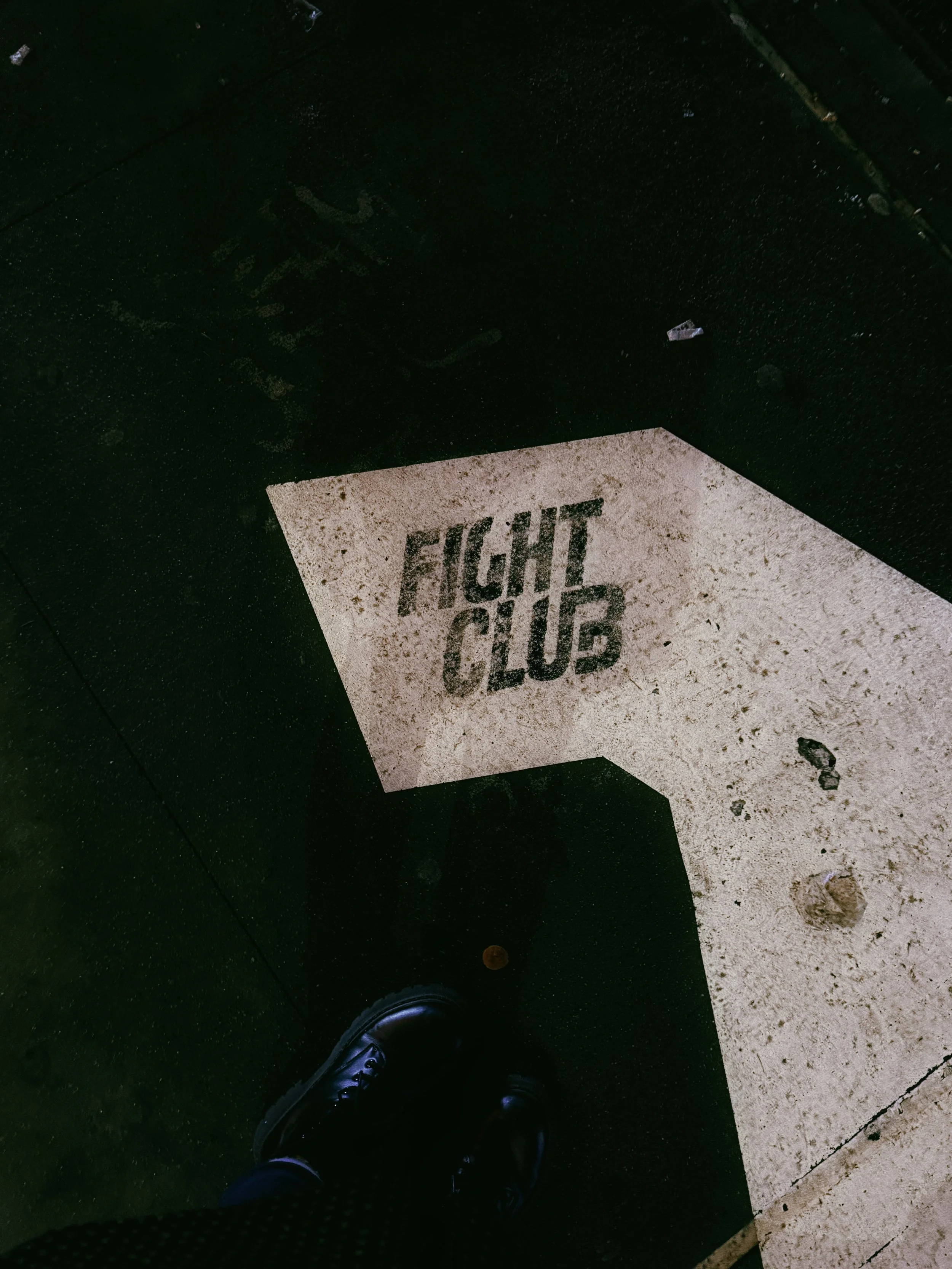
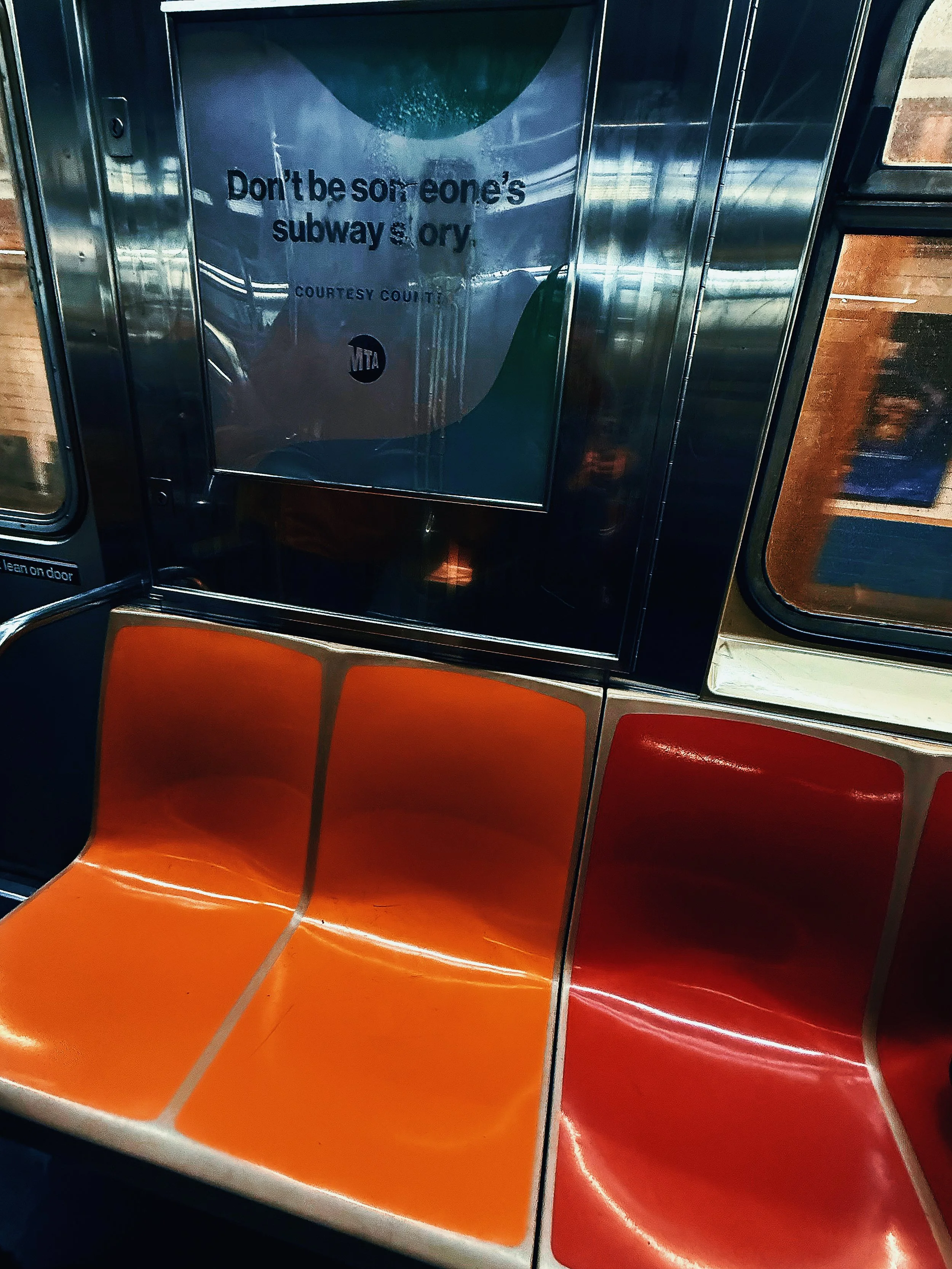
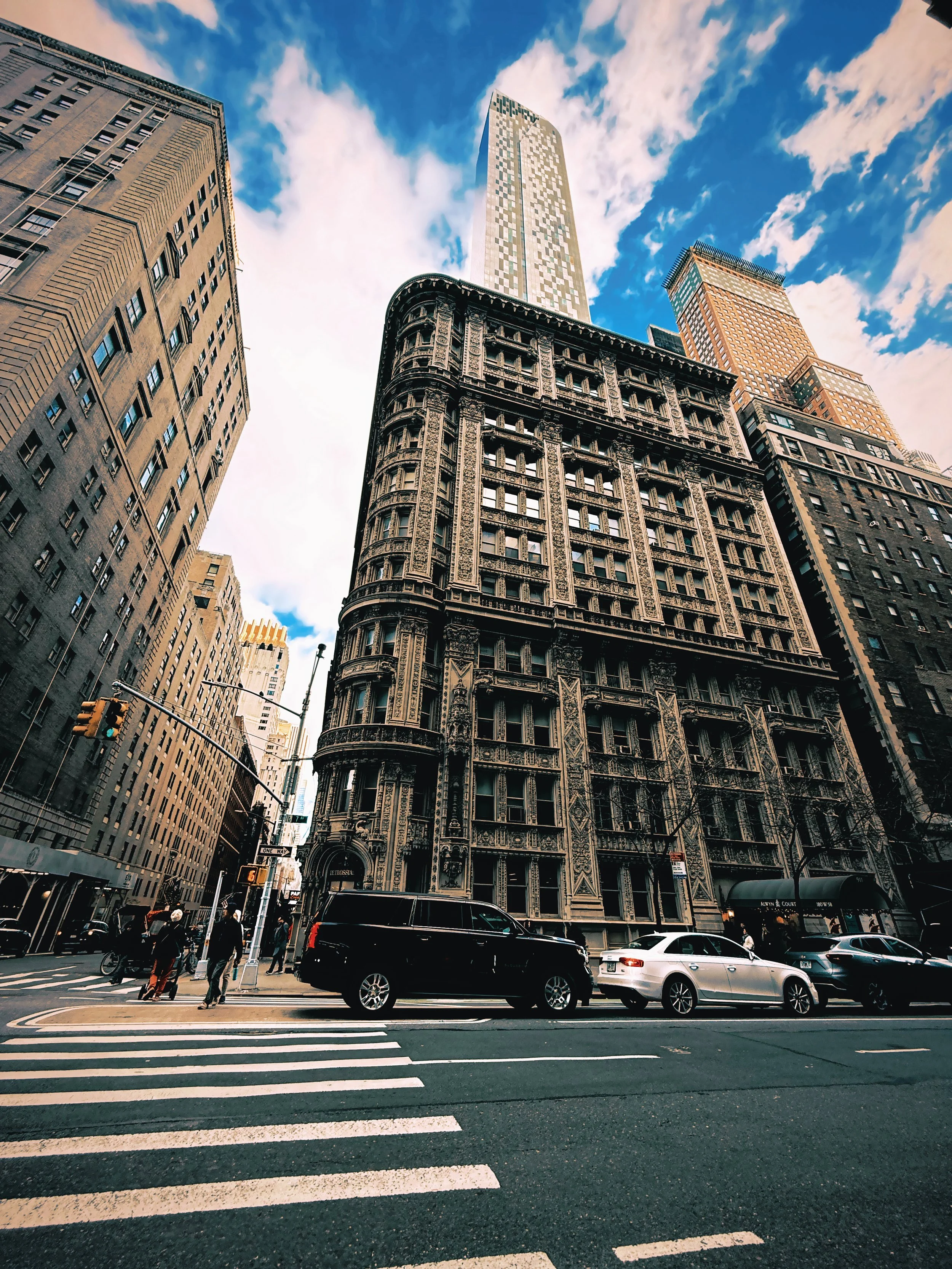
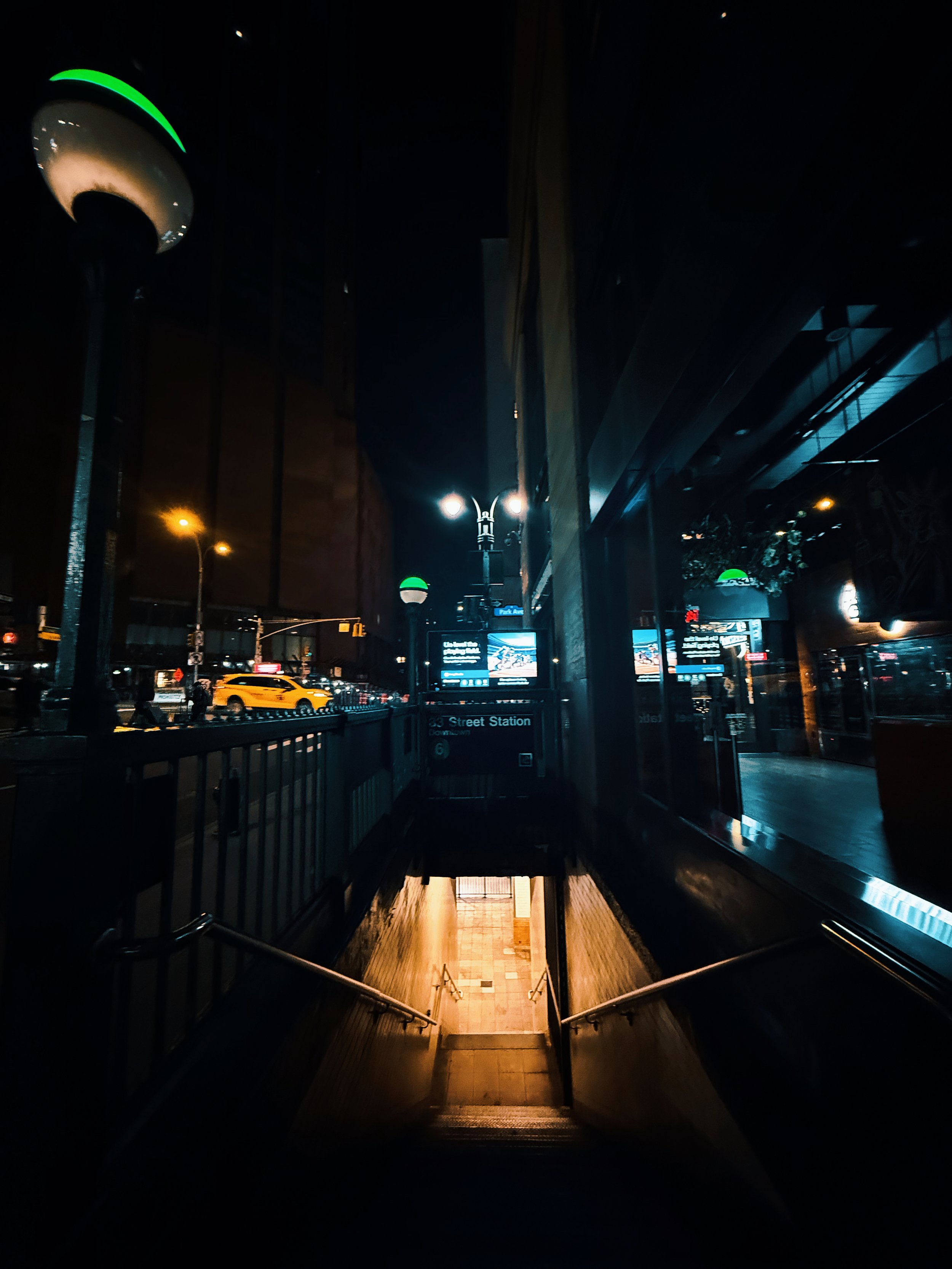
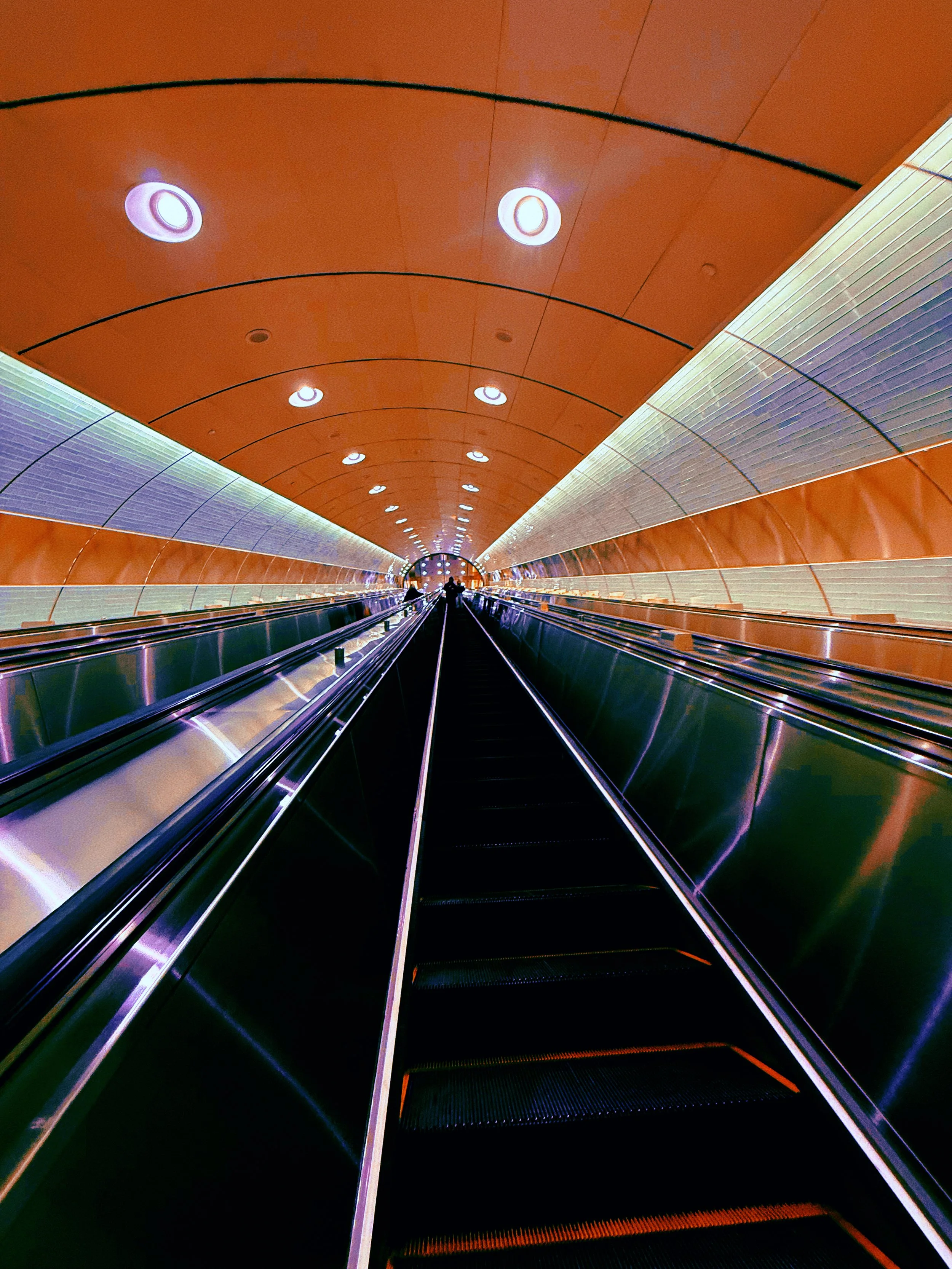
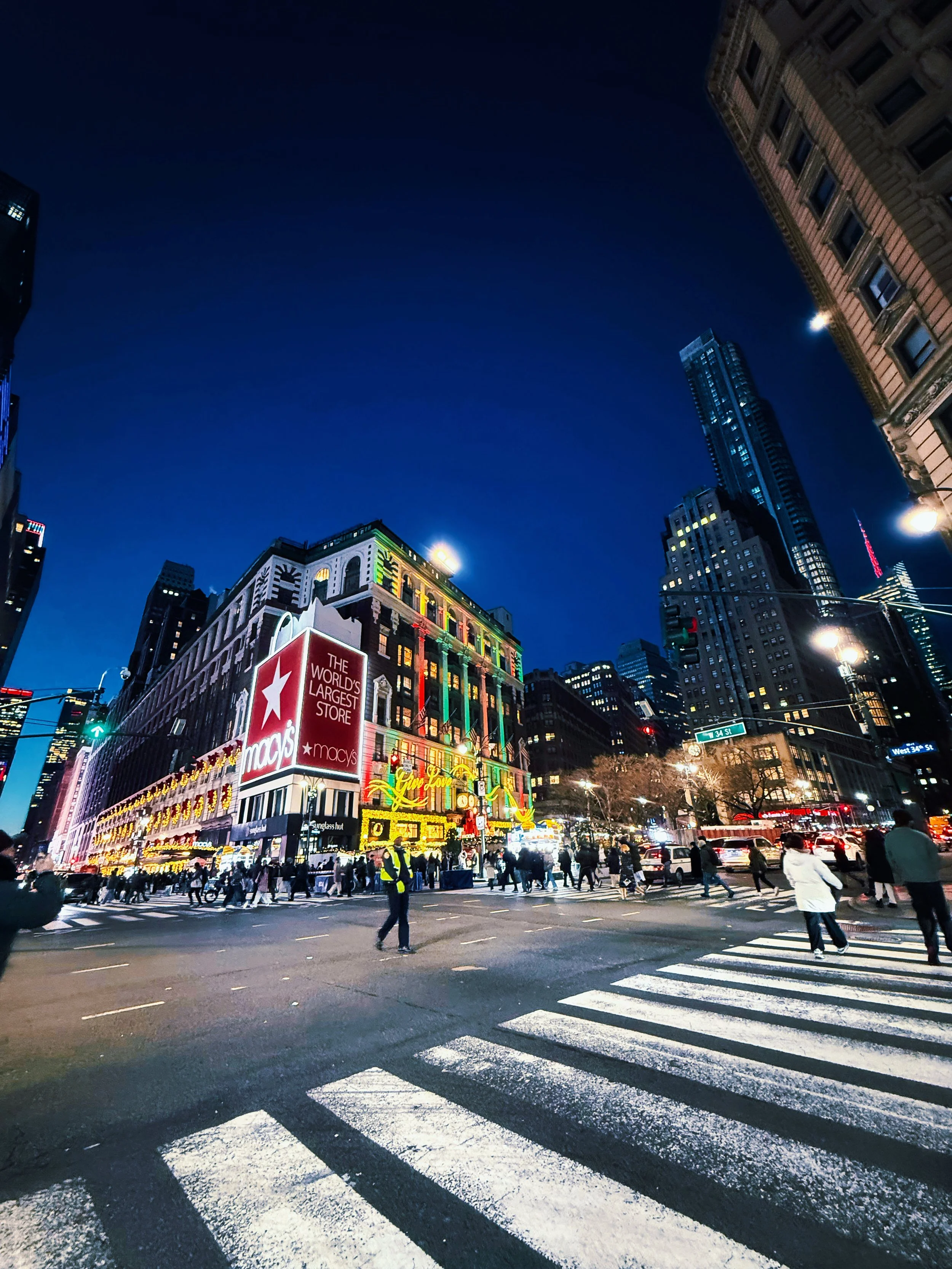
In the end, the trip felt full in the best way. Good food, a lot of walking, and enough time outside to let the city sink in. Nothing rushed, nothing over planned - just moving through New York and taking it as it came. It was a solid way to spend Christmas, and one I’ll think about the next time winter rolls around.