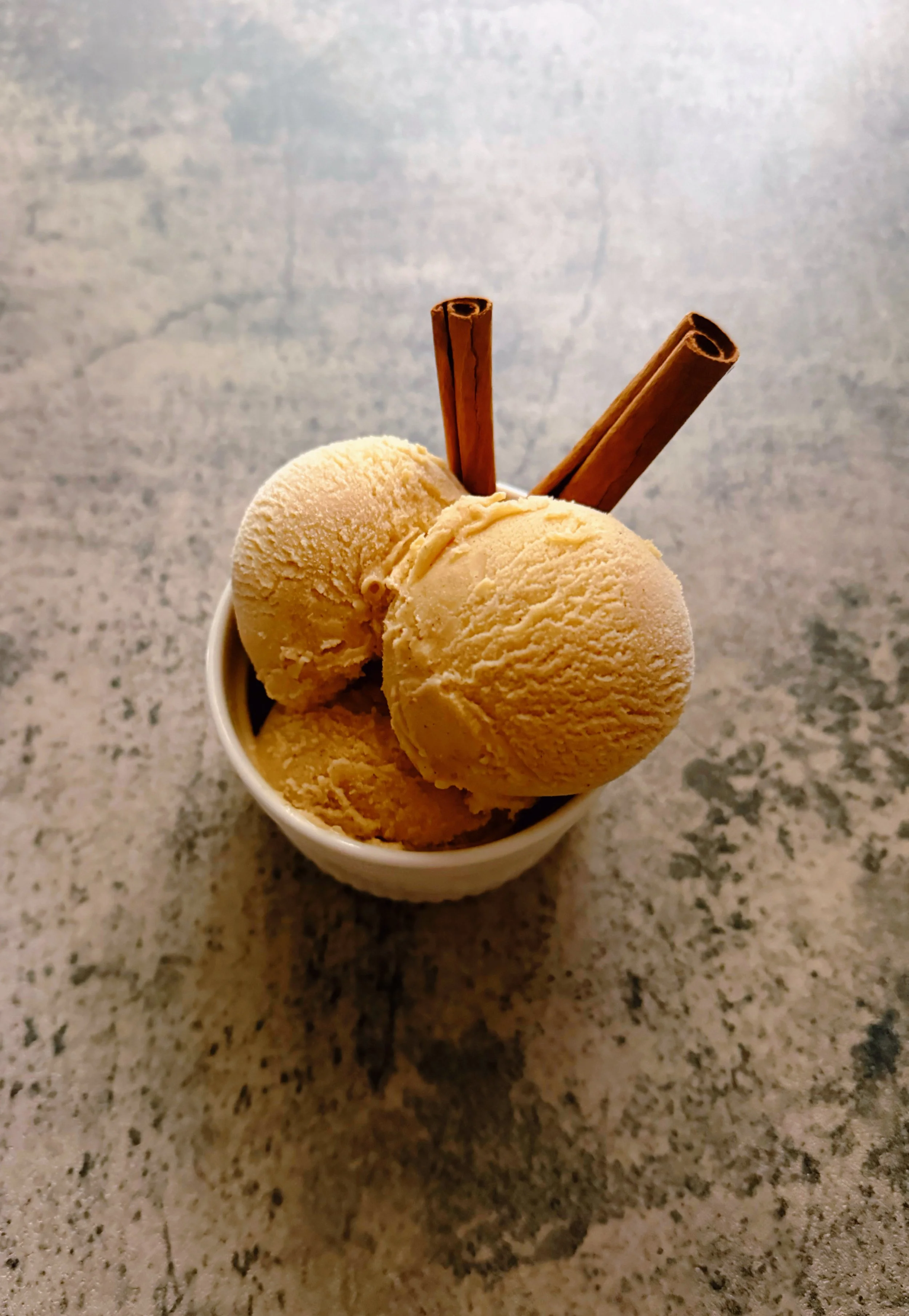
horchata ice cream
Horchata makes a surprisingly good base for ice cream because its rice, cinnamon, and milky sweetness already have many of the flavors you want in a frozen dessert. This version builds on that with evaporated milk and sweetened condensed milk for richness while egg yolks create a smooth custard base that stays creamy after freezing. The result still tastes distinctly like horchata, just colder, richer, and much more indulgent.
What is horchata?
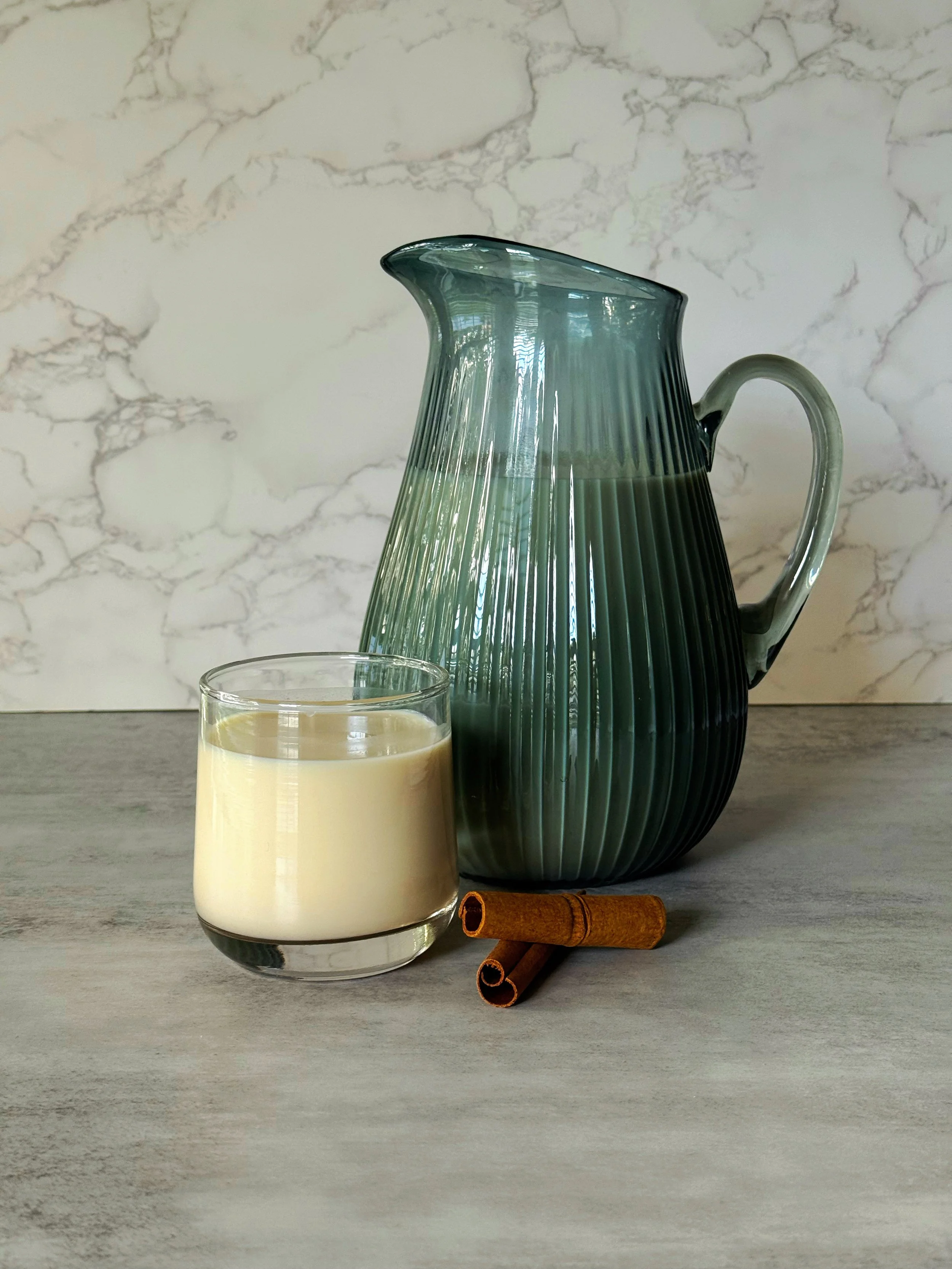
Horchata is a sweet, refreshing drink with versions found throughout Spain and Latin America. Mexican horchata (the version used for this ice cream) is typically made by soaking and blending rice with water, cinnamon, and sugar, sometimes with milk added for extra richness. The rice gives it its characteristic slightly starchy, creamy texture even though traditional versions don’t necessarily contain dairy. If you want to make the horchata for this recipe from scratch you can use my homemade horchata recipe here:
Why sweetened condensed milk works differently than regular sugar?
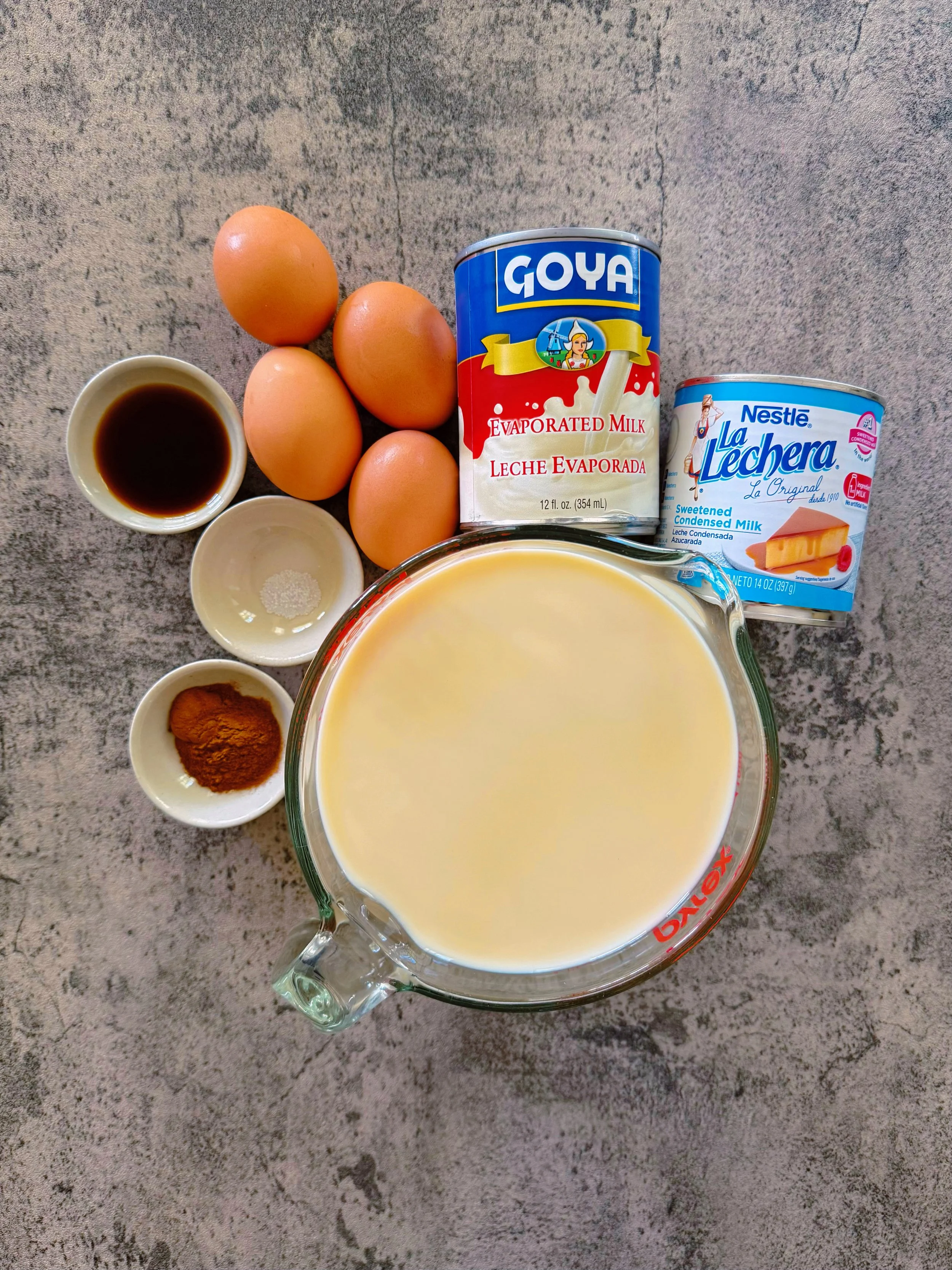
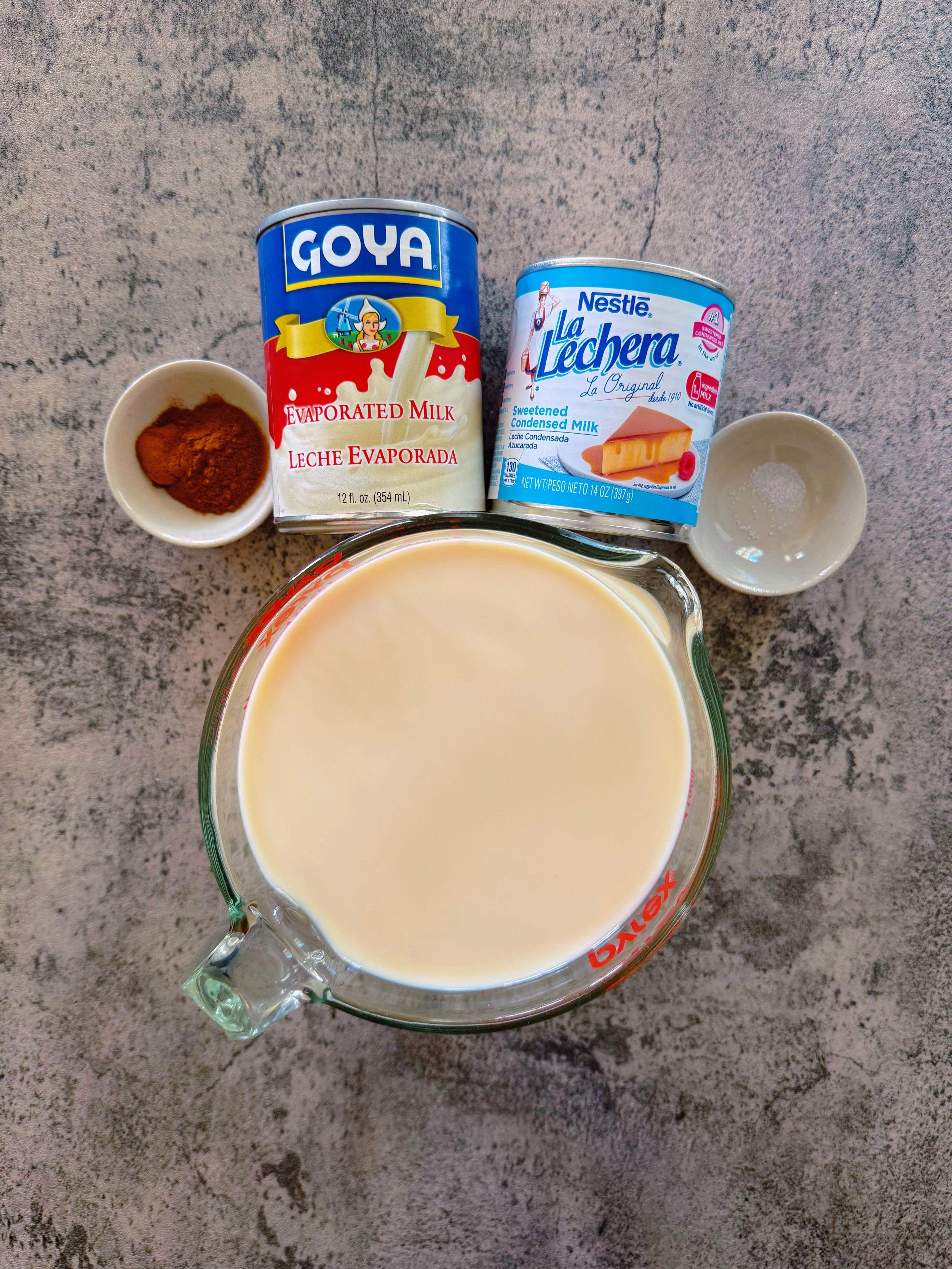
Sweetened condensed milk does more than simply sweeten ice cream. Because it contains concentrated milk solids as well as sugar it adds fat, protein, and body to the base while also lowering its freezing point. That means less water freezes into large ice crystals, helping the finished ice cream stay smoother and easier to scoop. Regular sugar can also lower the freezing point but it doesn’t contribute the extra milk solids and richness that condensed milk does.
Why evaporated milk is useful in homemade ice cream
Evaporated milk is useful in homemade ice cream because much of its water has already been removed leaving behind a higher concentration of milk proteins and other milk solids. Those extra solids give the ice cream more body and help limit the amount of free water available to form large ice crystals. It adds creaminess without relying on heavy cream which works especially well in this recipe because the horchata already contributes additional liquid.
What are some interesting facts about ice cream?
Ice cream is technically foam. Churning traps thousands of tiny air bubbles inside a partially frozen mixture of water, fat, sugar, and milk solids.
Your tongue perceives less sweetness when food is very cold. That’s one reason an ice cream base can taste surprisingly sweet before it’s frozen.
Churning controls how much air gets incorporated. The amount of air added is called overrun and it has a major effect on texture and density.
Premium ice creams are often denser. They generally contain less incorporated air than many cheaper, high volume ice creams.
Thomas Jefferson wrote down an ice cream recipe. His surviving recipe calls for cream, egg yolks, and sugar flavored with vanilla.
What is the difference between custard style and Philadelphia style ice cream?
The main difference is egg yolks. Custard style ice cream cooks milk or cream, sugar, and egg yolks into a base before chilling and churning it. The yolks add fat and emulsifiers like lecithin creating a richer, smoother texture and helping control ice crystals. Philadelphia style ice cream skips the eggs and usually relies on cream, milk, and sugar, giving it a lighter texture and a cleaner dairy flavor. This horchata ice cream falls into the custard style category because the base is cooked with egg yolks before churning.
How to make horchata ice cream?
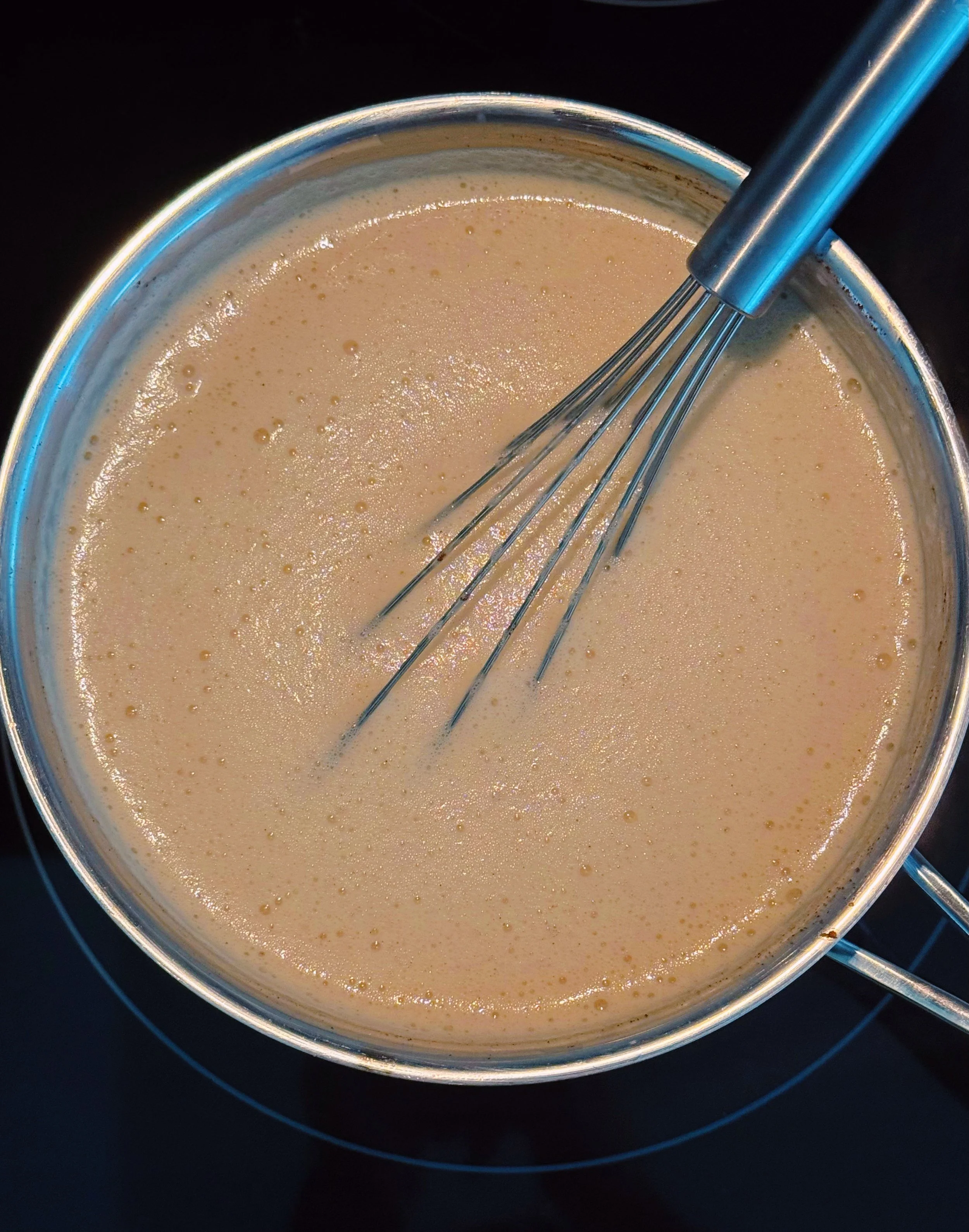
In a saucepan over medium low heat, combine horchata, evaporated milk, and sweetened condensed milk. Whisk in the cinnamon and salt and heat until steaming and just below simmer, stirring frequently.
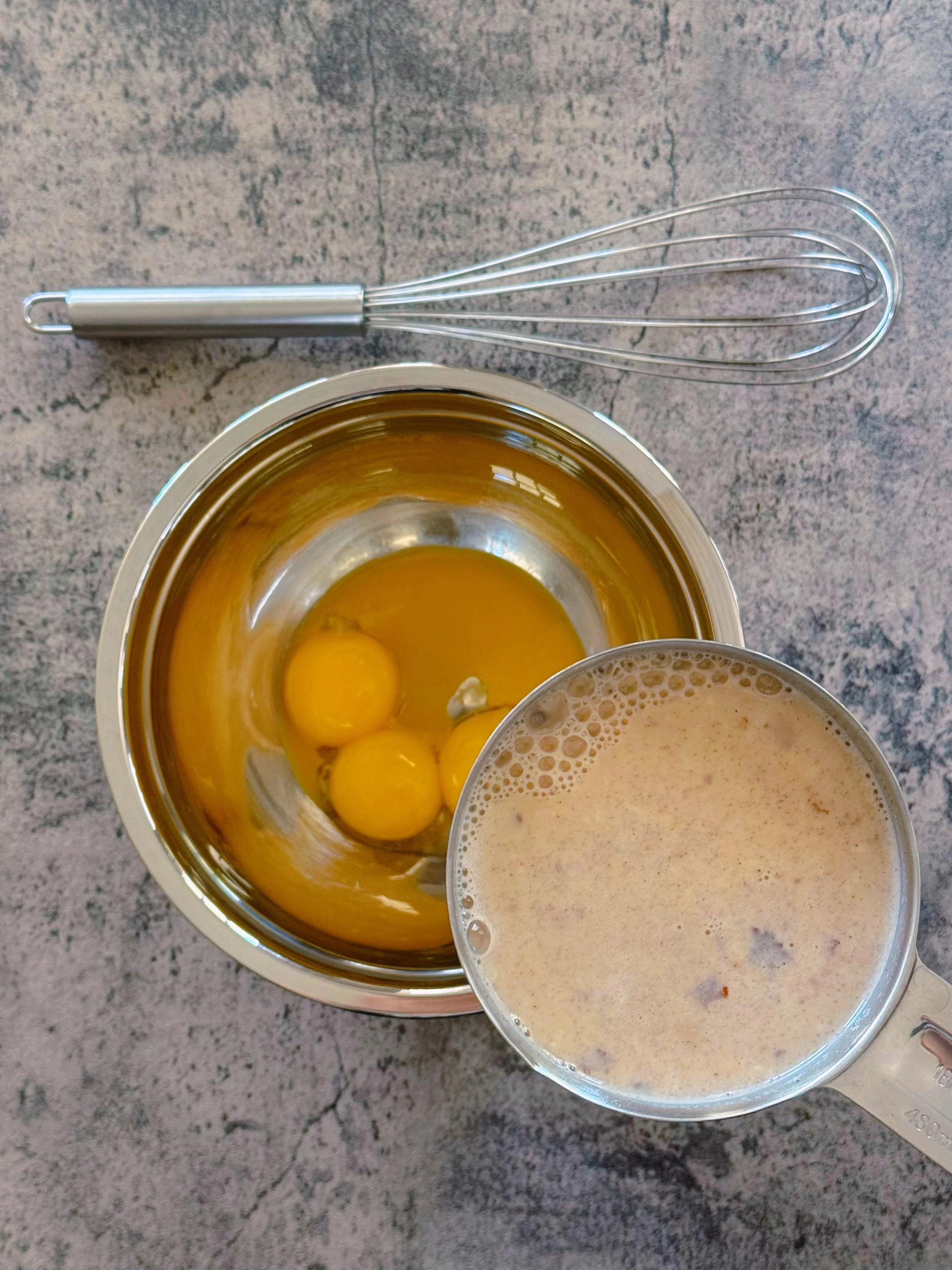
Add the egg yolks to a medium bowl. While whisking constantly, slowly drizzle in about 2 cups of the hot horchata mixture to temper yolks. Gradually whisk the tempered yolk mixture back into the saucepan. Reduce the heat to low and cook for about 10 minutes (stirring constantly) or until the mixture slightly thickens and coats the back of a spoon.
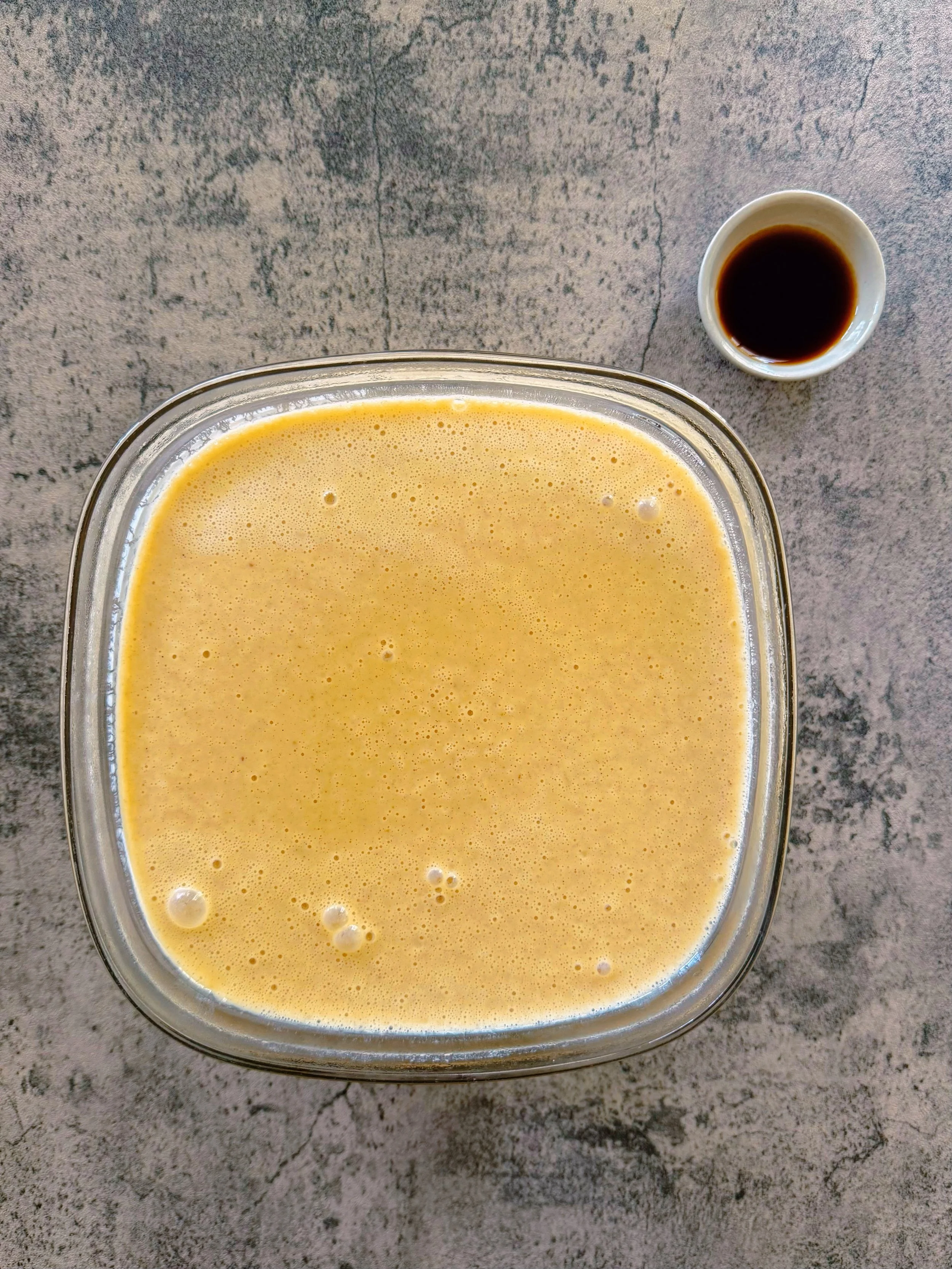
Remove from heat and pour the ice cream base into a large bowl. Whisk in vanilla extract. Cool to room temperature, then cover and refrigerate at least 4 hours or overnight.
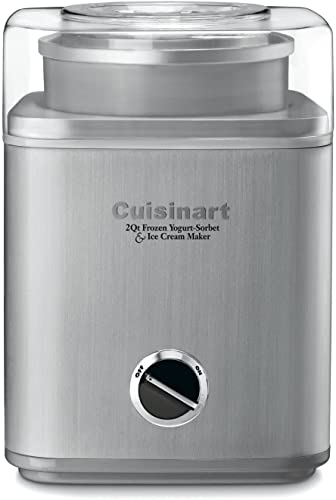
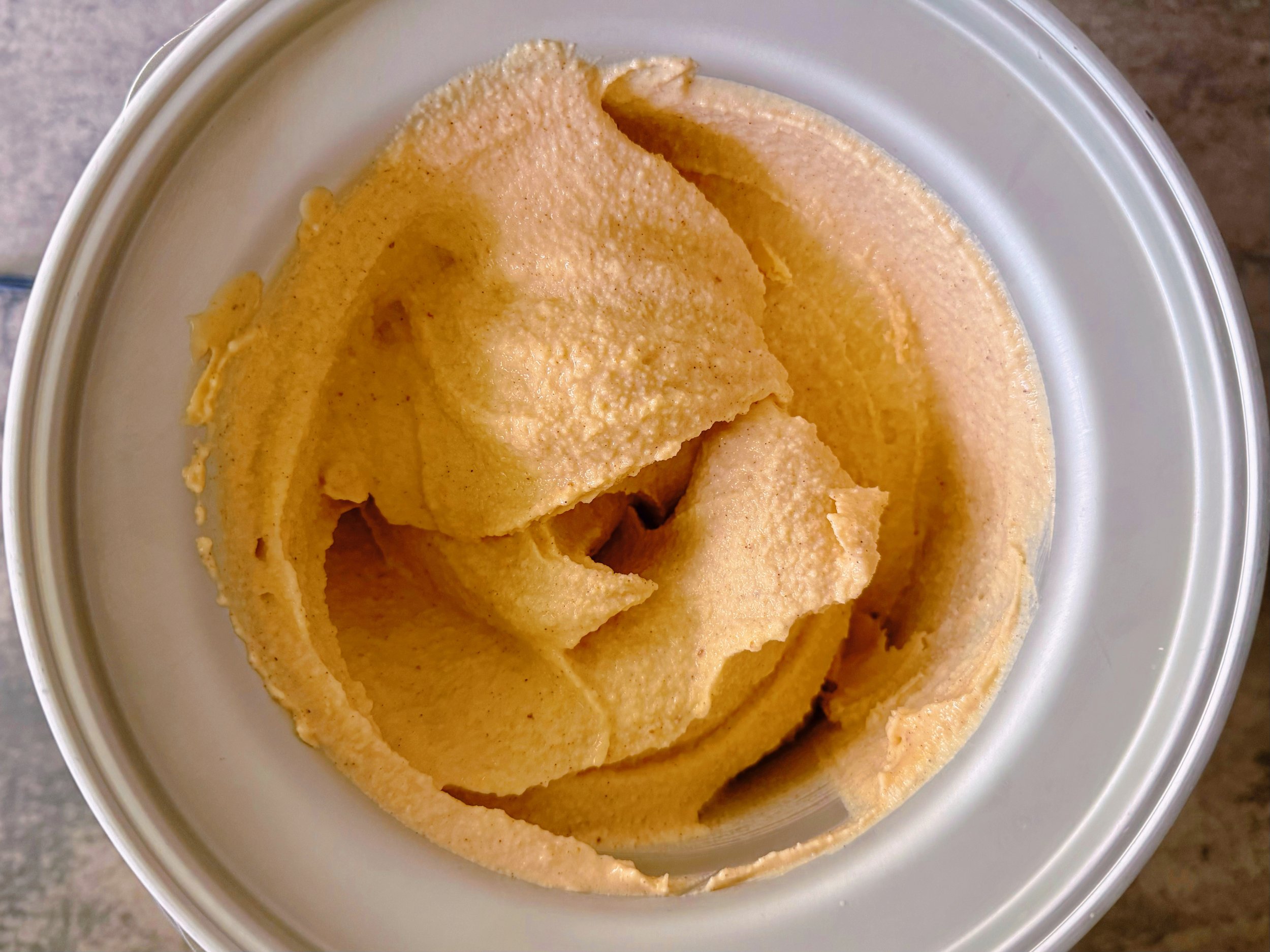
Churn in an ice cream maker according to the manufacturers instructions until it reaches a soft serve consistency, about 35-45 minutes.
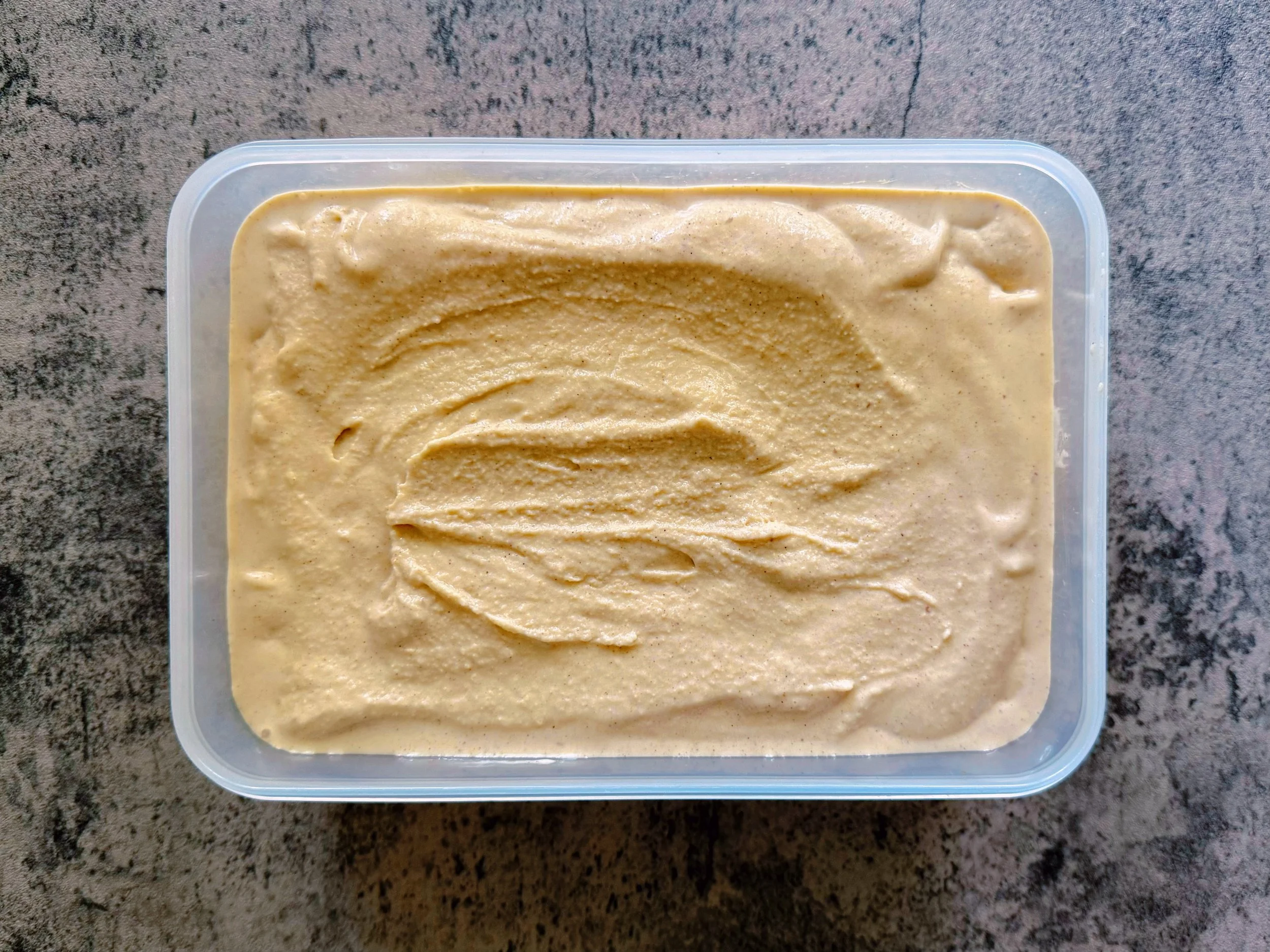
Transfer to a freezer safe container, cover, and freeze for 8 hours or overnight.
Tips
Put the tub from your ice cream maker in a freezer a day or two before starting this recipe.
Make sure your container is freezer safe - not all types of glass are fit for freezer and may break.
When tempering the egg yolks pour the hot liquid in a small stream while constantly whisking to prevent them from scrambling. If poured too fast the yolks will end up chunky and scrambled instead of smooth.
Churning is an important step in ice cream making to incorporate air into the ice cream base during the freezing process for a smooth texture and to control the size of crystals, but over churning ice cream can cause emulsion breakdown (fat and water components to separating).
Recommended products to make this recipe
*This page contains affiliate links. If you choose to purchase after clicking a link, I may receive a commission at no extra cost to you.